
Best Choice Pool Pumps by Budget: Smart Options for 2026
Disclosure: We may earn a commission when you buy through links on this page, at no extra cost to you. As an Amazon Associate I earn from qualifying purchases. Learn more

Compare the best choice pool pumps at every price point. Learn what you get at budget, midrange, and premium levels and where spending more pays off.
A pool pump is the heart of your circulation system, and prices run from around $150 for a basic single speed model to well over $1,500 for a smart variable speed unit. Shoppers comparing best choice pool pumps often cannot tell what that gap buys. This guide breaks the range into tiers, explains which features return their cost, and shows where a modest pump is genuinely enough.
The right answer depends on your pool size, your electricity price, and how many hours a day the pump must run. Use the comparison table below to map the field, then read the tier sections to place your budget where it earns the most.


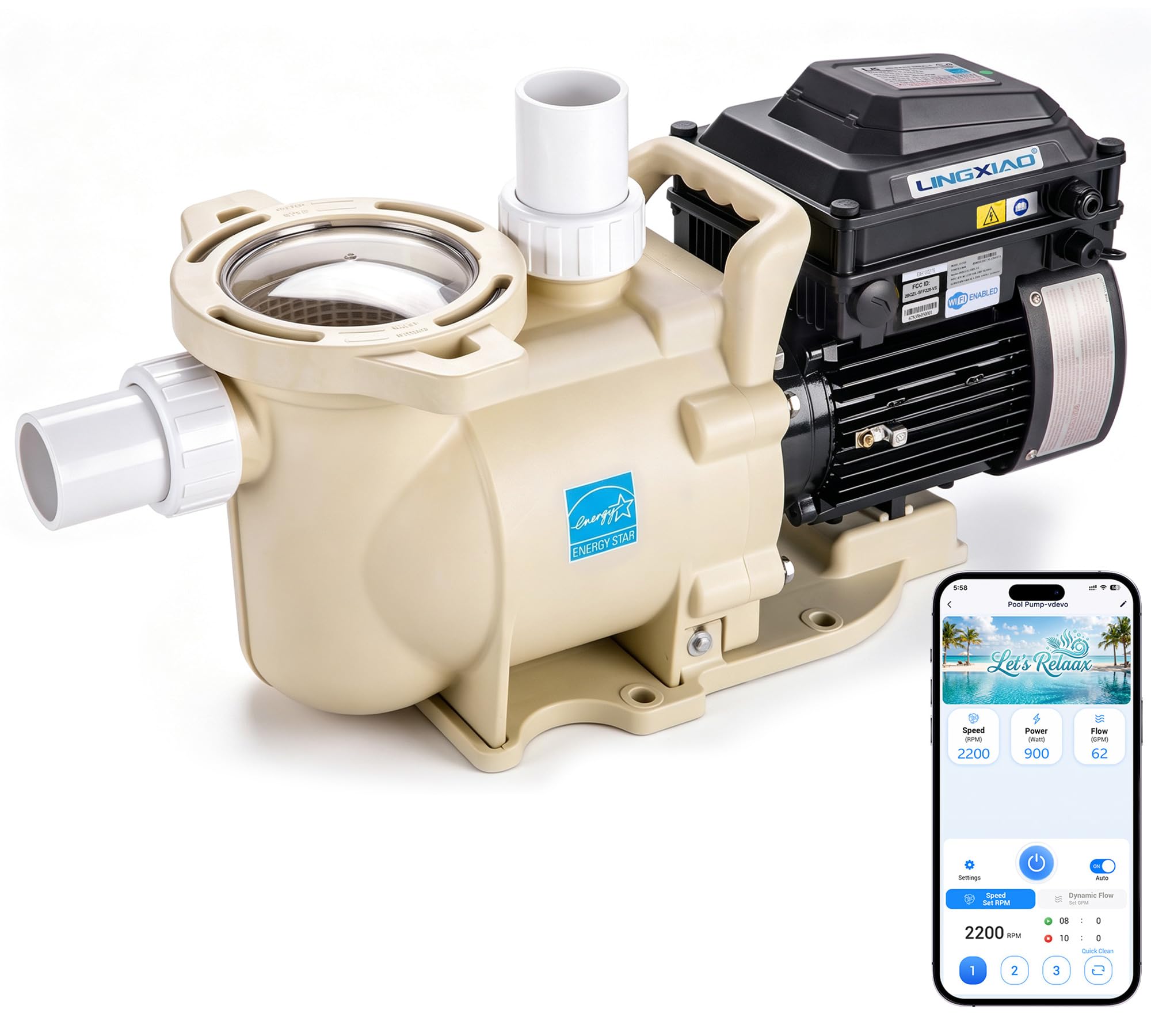


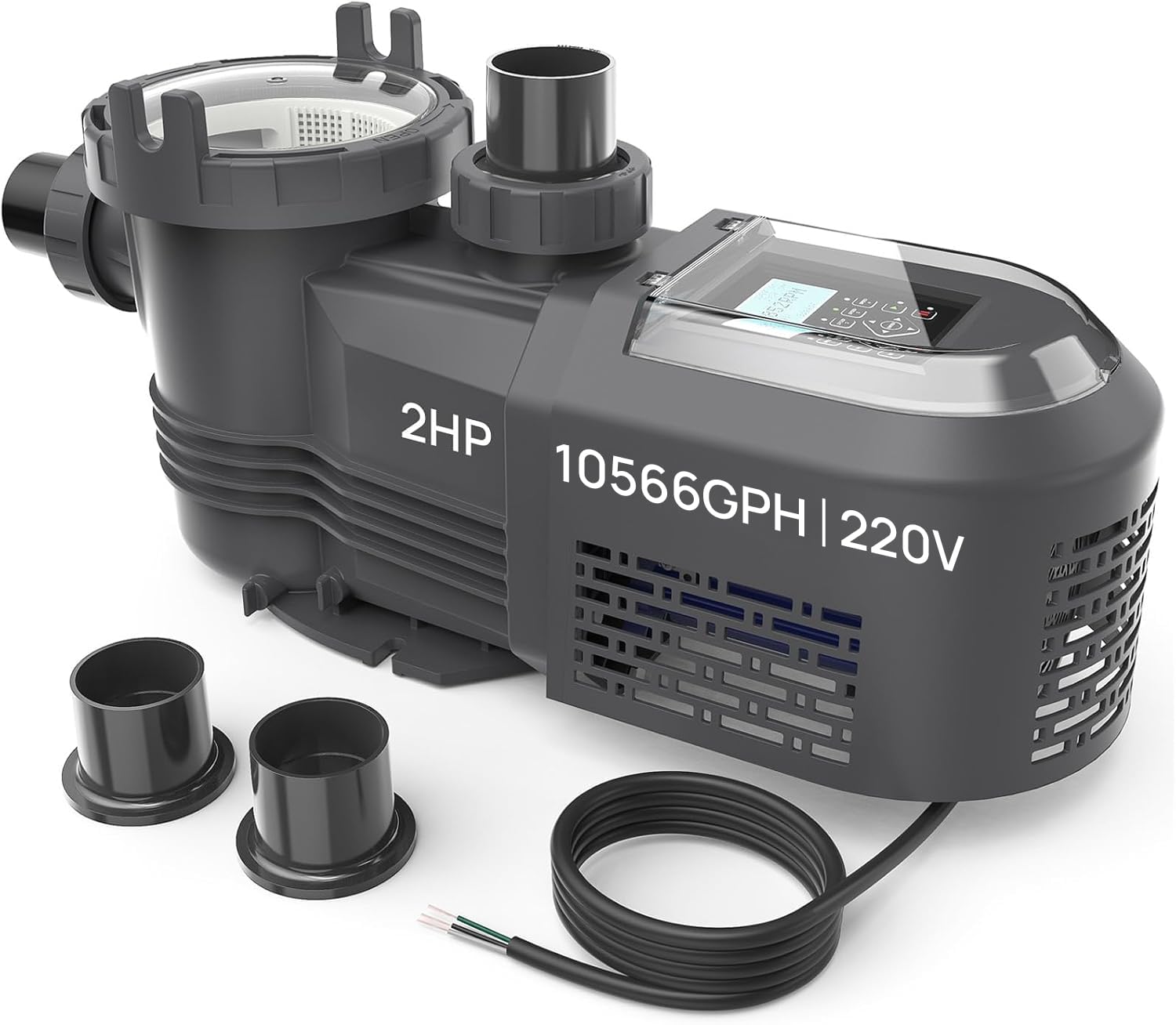
Three Budget Levels at a Glance
Budget Level: Simple Single Speed Power
Budget models, around $150 to $350, are single speed pumps that run at one full pace whenever they are on. They suit small above ground pools and simple in ground setups where the plumbing run is short and the filter is modest. Controls are a timer you supply yourself and an on off switch, nothing more.
The trade off is energy. A single speed pump draws full power for every hour it runs, and many regions now require variable speed pumps for new in ground installations because of that waste. If your pool is small and your season is short, budget remains rational; if you run the pump eight hours daily all summer, keep reading before you save money here.
Midrange Level: Dual Speed and Entry Variable Speed
Midrange pumps, around $350 to $800, add a second speed or a basic variable speed motor. Low speed handles daily filtration at a fraction of the energy, while high speed remains available for vacuuming, backwashing, and running water features. This is the tier where electricity savings start repaying the purchase price within a few seasons for most owners.
Build quality improves here too: better seals, thicker housings, and lids you can open without a struggle. For a typical family in ground pool, this tier is the value center, and our overview of best pool pumps for inground pools shows how sizing works for that setup.
Premium Level: Full Variable Speed and Smart Control
Premium pumps, around $800 to $1,800, are variable speed models with programmable schedules, digital controls, and motors built for a decade of service. You can program a slow overnight filtration cycle, a stronger afternoon skim, and a weekend boost for the cleaner, all from one panel or an app. Flow stays steady as the filter loads up, which keeps heaters and salt systems happier.
Premium also buys quiet. At low speed these pumps are dramatically quieter than single speed models, which matters when the equipment pad sits near a bedroom or patio. Owners comparing build quality across brands can cross check the field in our guide to the best quality pool pumps.
What Best Choice Pool Pumps Deliver at Each Price Tier
Budget Tier: What to Expect
Expect honest circulation and little else. Horsepower ratings at this level can be optimistic, so match the pump to your filter and plumbing rather than chasing the biggest number. Warranty cover is usually one year. A budget pump on a small pool with a short season can still serve for years, provided it is sized correctly and protected from flooding at the equipment pad.
Midrange Tier: The Sweet Spot for Most Buyers
Midrange money buys the two features that change ownership: speed choice and durability. Running filtration on low speed can cut pumping energy by half or more, because a pump uses far less power at reduced speed for the same daily water turnover. Seals, bearings, and strainer baskets all improve, and spare parts are easy to find. For most homes this tier delivers the lowest total cost over five years.
Premium Tier: When Spending More Pays Off
Spending more pays off when your pool is large, your season is long, or your electricity is expensive. It also pays when the pump drives several jobs at once: filtration, a pressure cleaner, a heater loop, and a water feature. Programmable flow lets each job get exactly the water it needs instead of one compromise speed. Add the value of quiet operation and a longer warranty, and premium becomes a sound long term buy rather than a luxury.
Features Worth Paying For (and Ones to Skip)
Warranty and Parts Availability
A two or three year warranty signals that the maker expects the motor and seals to last, and it protects you during the years when failures are most costly. Check that seals, impellers, and strainer baskets for the model are sold widely; a pump you cannot buy a $15 seal for becomes a full replacement. Keep your proof of purchase with the manual, because warranty service often requires professional installation records on larger models.
Filtration Support: Basket Size and Flow Matching
The pump does not filter the water itself, but it decides how well your filter can work. A large strainer basket catches leaves before they reach the impeller, and it lets you go longer between emptying. More important is flow matching: an oversized pump can push water through a sand or cartridge filter too fast, reducing cleaning quality and straining the filter. Size the pump to the filter rating, not the other way around. General background on circulation setups appears in our guide to the best swimming pool pumps.
Pump Type: Single Speed, Dual Speed, Variable Speed
Single speed is cheapest to buy and most expensive to run. Dual speed gives one efficient low gear and one full power gear, a simple compromise that suits many pools. Variable speed offers full control and the best efficiency, plus compliance with energy rules in many regions. Note that a pressure side cleaner may still need strong flow for a few hours, which any type can schedule, while suction cleaners work happily at moderate speeds.
Controls, Scheduling, and Noise
Built in timers and schedules are worth paying for because they remove daily attention and let you run the pump during cheaper off peak electricity hours where your utility offers them. App control is a convenience, not a necessity; a clear panel on the pump does the same job. Noise ratings deserve a look if the pad is near living space: variable speed models at low speed are often quiet enough to hold a conversation beside.
Long Term Costs to Factor In
Placement affects cost too. A pump set below water level or at the end of a long plumbing run works harder for the same flow, so keep suction lines short and clear, and prime the pump fully before every start after service. Running dry, even briefly, overheats the seal, and a failed seal is the most common avoidable repair in this category.
Electricity dominates the true cost of a pump. A single speed model running eight hours a day can cost several hundred dollars a season, while an efficient variable speed setup may cut that bill by half or more. Add seal kits, the occasional basket, and eventual motor service to your estimate. Also budget for professional installation if hard wiring or bonding work is needed, because pool electrical work is not a casual weekend task.
FAQs
How long should a pool pump run each day?
Run it long enough to turn over the full pool volume at least once a day, which for many home pools means about eight hours at moderate speed. Hot weather, heavy swimmer loads, and algae treatment call for more. Variable speed pumps can run longer at low speed for the same energy, and longer gentle circulation often keeps water clearer than a short blast.
Are variable speed pool pumps worth it?
For most in ground pools, yes. The energy savings over a single speed pump commonly repay the higher price within two to four seasons, and the pump also runs quieter and lasts longer at low speed. The case is weaker for small above ground pools with short seasons, where a simple budget pump may never run enough hours for savings to catch up.
What size pool pump do I need?
Size by flow, not by horsepower alone. Work out your pool volume, choose a target turnover of about eight hours, and pick a pump that delivers that flow against your plumbing resistance while staying within your filter rating. Oversizing wastes energy and can damage filters and heaters, so when two sizes both work, the smaller one is usually the smarter buy.
Can I install a pool pump myself?
Replacing a like for like plug in pump on an above ground pool is within many owners ability. Hard wired in ground pumps involve electrical bonding, waterproof connections, and local code, and mistakes around water and electricity can be lethal. Hire a licensed electrician or pool professional for hard wired work, keep the pad dry and ventilated, and never bypass a ground fault protected circuit.
Wrapping Up
Match the tier to your hours of use: budget single speed for small pools and short seasons, midrange speed control for most families, premium variable speed for large pools and long seasons. Size by flow, respect the filter rating, and count electricity as part of the price. Compare your finalists in the product table above, and choose the best choice pool pumps option that keeps your water moving for the lowest total cost.


