
Best Choice Chairs in 2026: Buyer Checklist and Guide
Disclosure: We may earn a commission when you buy through links on this page, at no extra cost to you. As an Amazon Associate I earn from qualifying purchases. Learn more
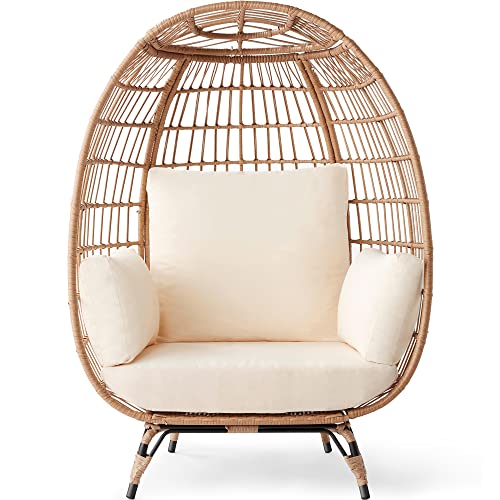
Compare best choice chairs with a clear checklist on seat size, support, frame strength, fabric and room fit, plus care tips and mistakes to avoid.
Finding a chair that fits your body, your room and your daily routine takes more than picking a color you like. The best choice chairs share a few clear traits: a seat at the right height, steady support for your back, a frame that feels solid and fabric you can clean. This guide turns those traits into a simple checklist you can use with the product table below.
Start by naming your main use, because a desk chair, a lounge chair and a dining chair solve different problems. Note how long you sit at one time, who else will use the chair and how much floor space you can give it.

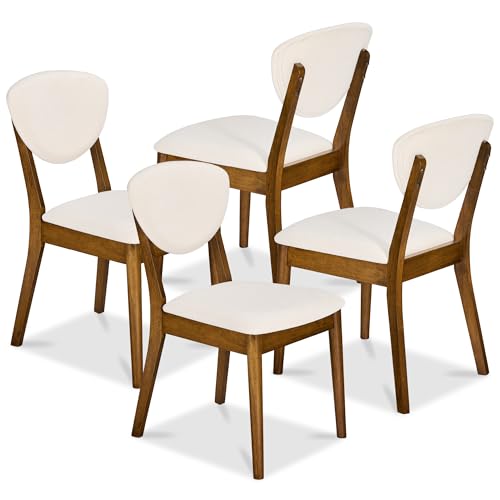
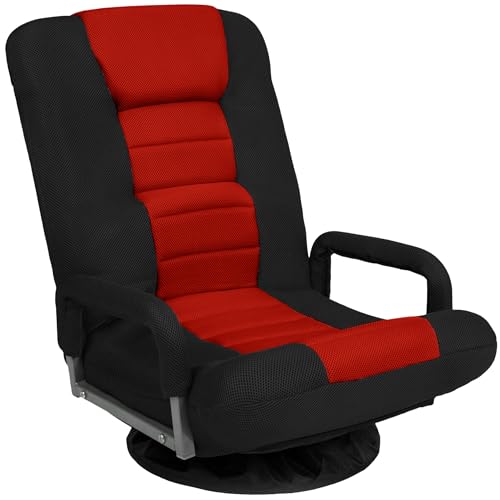


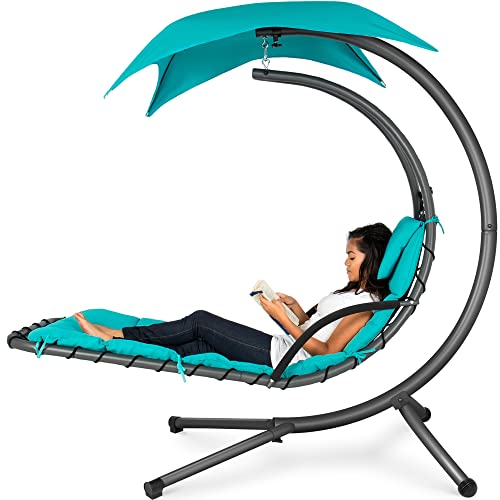

Who Should Buy Which Chairs?
Match the chair style to the person and the task first, then compare details. A chair that feels perfect for reading may feel wrong for typing.
Desk Workers Who Sit for Long Hours Each Day
You need steady back support, a seat you can raise or lower and arms that let your shoulders relax while you type. Look for ergonomic models with lumbar support, a tilt lock and adjustable armrests. If desk work is your main use, see our guide to the best choice office chairs for chairs built around that task.
Apartment Shoppers Who Need a Compact Fit
You need a chair that leaves walking room and can move easily when guests arrive. Compact and space saving models with a narrower frame, a lighter build or arms that slide under a table suit small rooms well. Measure your space before you shop, because a chair that cannot pass the doorway creates a delivery problem.
Readers and Guests Who Want Relaxed Lounge Seating
You sit to read, talk or watch a film, so a deeper seat, a higher back and softer cushioning matter more than desk controls. If that relaxed shape is your priority, see our guide to the best choice lounge chairs for wider and more reclined options.
Key Features to Compare
Compare best choice chairs with these factors in order, so comfort and fit come before style and price.
Ergonomics, Lumbar Support and Tilt Lock
Ergonomic support means the backrest follows the curve of your lower back instead of pushing you into a slouch. Built in lumbar support or an adjustable pad should meet the small of your back when you sit fully back in the seat. A tilt lock lets a desk style chair hold a slight recline or stay upright for typing, which changes how tired your back feels.
Seat Size, Dimensions and Weight Capacity
Seat height most often falls around 17 to 21 inches for desk and dining use, while lounge seats often sit lower. Your feet should rest flat, your knees should bend at a comfortable angle and there should be a small gap behind your knees. Most seats run about 18 to 22 inches wide. Check weight capacity too, since common models hold about 250 to 300 pounds and stronger frames hold more.
Cushioning and High Density Foam
Cushioning decides how a chair feels after an hour, not just in the first minute. High density foam holds its shape longer and supports your weight more evenly, while very soft foam can bottom out and leave you sitting on the frame. A mesh back works differently, spreading support across a flexible surface and letting air pass through on warm days.
Frame, Base and Build Quality
A solid frame keeps a chair quiet and steady when you shift your weight. Wood frames suit dining and lounge use, while metal frames and bases suit desk models that roll and swivel. On adjustable desk chairs, check the lift and base rating in the listing, because those parts carry your weight every time you sit. Wobble at a joint, thin legs or rough welds are signs to choose a different model.
Armrests, Fabric, Style and Room Fit
Adjustable armrests help desk users line their arms up with the work surface, while fixed padded arms suit readers who rest their forearms for long periods. Fabric choice affects cleaning and heat, so compare weave, stain resistance and color before you decide, and see our guide to the best chairs fabric choices for a closer look. Match the leg finish and back height to the room.
Chair Types and a Quick Buyer Checklist
Chairs fall into a few broad types, and naming your type first narrows the field fast. Ergonomic models serve desk work, compact models serve small rooms, lounge models serve relaxed seating and dining models serve meals and homework at a table. Outdoor seating is a separate job, so if you need chairs for a yard or deck, see our guide to the best choice patio chairs instead of using an indoor chair outside.
The wider brand range can be confusing at first glance, because similar names cover very different shapes. If you want to see that full range in one place, see our guide to the best choice products chairs. Then return to your main use and run this short checklist before you order any model.
- Does the seat height let your feet rest flat on the floor?
- Does the seat width leave room for you to shift position?
- Is the rated weight capacity above your weight with a margin?
- Does the back support reach the curve of your lower back?
- Will the chair fit your space, your table height and your doorway?
- Can you clean the fabric with the tools you already own?
- Does the return policy give you time to test the chair at home?
Common Mistakes to Avoid
Most returns and regrets come from a short list of avoidable errors.
- Buying by color alone leaves you with a chair that looks right but hurts your back after an hour.
- Skipping room and doorway measurements leaves you with a chair that crowds the space or cannot enter it.
- Ignoring weight capacity leaves you with a frame that flexes, creaks and wears out early.
- Choosing very soft foam for long work sessions leaves you sinking low with poor posture by midday.
- Placing an indoor chair outdoors leaves fabric faded and a frame weakened by rain and sun.
How to Make Your Chair Last Longer
Set the chair up with care on the day it arrives. Follow the assembly steps in order, tighten each bolt evenly and check that all feet or casters sit level before the first use. Test the back and arms through their full range so you catch a stiff or loose part while returns are still simple.
Small habits extend the life of the frame and fabric. Tighten bolts every few months, because daily movement slowly loosens hardware. Vacuum fabric with a soft brush or wipe smooth surfaces with a damp cloth on a regular schedule, and clean spills at once so stains do not set. Keep the chair out of harsh direct sun when you can, since strong light fades fabric and dries out some finishes over time.
FAQ
How do I choose the right size for a chair?
Choose the size by measuring your body and your space together, not by the product photo alone. Compare listed seat height with your table height if you will work or eat there. A useful extra check is to mark the seat footprint on the floor with tape for a day.
What features matter most for long hours in a chair?
Lumbar support, seat height adjustment and a back that lets you change angle matter most for long hours in a chair. A practical point many buyers miss is break timing: stand and walk for a few minutes each hour, because even a well fitted chair cannot replace regular movement during a long workday.
Is an expensive chair worth the extra cost?
An expensive chair is worth it only when the extra cost buys stronger parts you will use daily, such as denser foam, a sturdier frame or wider adjustment. Price alone does not promise comfort, and a costly chair in the wrong size still fits poorly. Spend first on fit and frame strength, and let fabric upgrades or rare features come last in your budget.
How long should a good chair last with daily use?
A good chair should last several years of daily use when the frame is sound and you follow basic care. Foam softening is usually the first change you notice, often well before the frame wears out. Rotating use between two chairs in a busy home can slow that softening, because each cushion gets rest days to recover its shape between long sessions.
What warranty and return terms should a chair have?
A chair should have clear warranty terms for the frame and moving parts, plus a return window long enough for a real trial at home. Read what the warranty excludes, not only how long it runs, because fabric wear and misuse are often treated differently. Keep the box and hardware until the trial ends, so a return or part swap stays simple if the fit is wrong.
The Bottom Line
Fit, support and frame strength decide whether a chair earns its place in your home. Check seat size and weight capacity first, then compare cushioning, back support and fabric for your main use. Shortlist two or three models that pass every item on the checklist, and use the product table above to confirm dimensions and price, which often falls around $60 to $250 for common home models.
When you shop for best choice chairs with those points in order, the decision gets much simpler. Choose the chair that fits your body and your room today, and you will use it gladly for years.

