Best Choice Meat Grinders: Budget, Midrange, and Premium Options for 2026
Disclosure: We may earn a commission when you buy through links on this page, at no extra cost to you. As an Amazon Associate I earn from qualifying purchases. Learn more
Learn how to choose the best choice meat grinders by budget, with tier guidance on motors, plates, capacity, cleaning, safety, and long term costs.
Prices for home meat grinders stretch from under $60 to well past $400, and the listings rarely explain what the extra money buys. Shoppers comparing best choice meat grinders need a map of that range more than they need another star rating. This guide explains what each price tier actually delivers, which upgrades change your results, and which ones only add shine.
Grinding at home gives you control over freshness, fat ratio, and seasoning that store ground meat cannot match. Use the product table below to see the field, then use the tiers here to decide where your money works hardest.


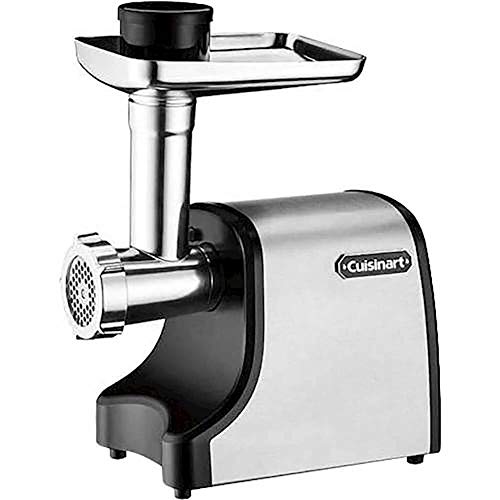
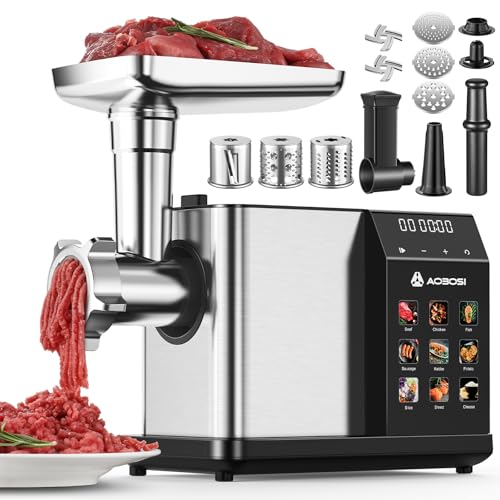
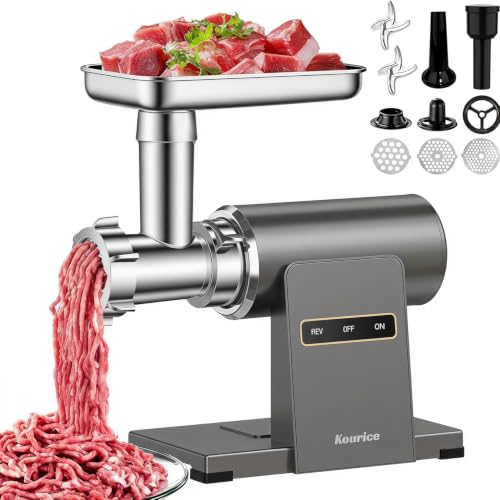
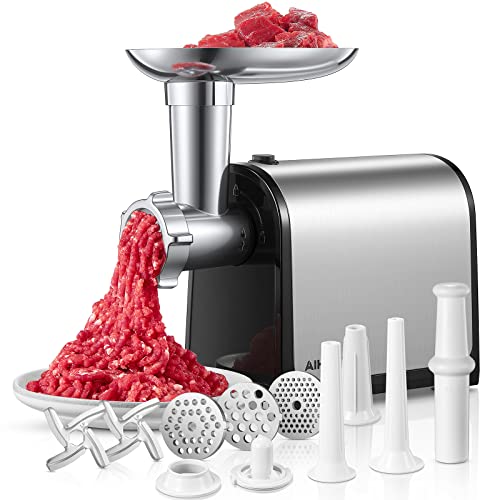
Three Price Levels, Three Different Machines
Budget Level: Occasional Small Batches
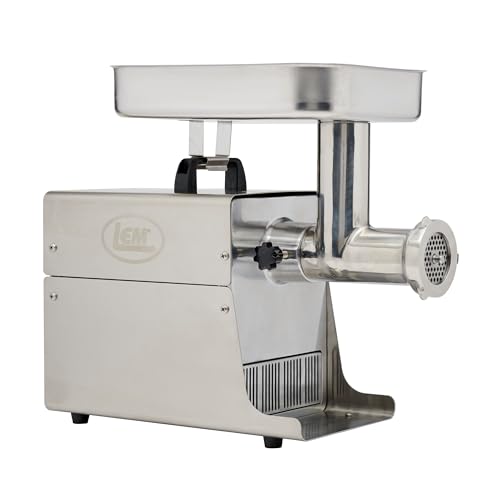
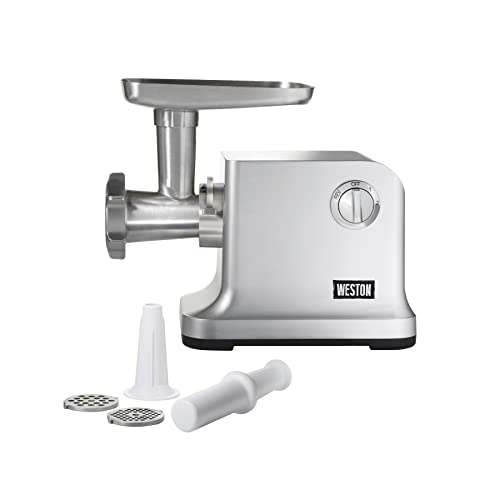
At the budget level, around $50 to $100, expect a compact electric grinder or a sturdy manual model that handles a few pounds at a time. Motors are modest, housings lean on plastic, and you usually get one or two grinding plates plus a sausage tube. For a household that grinds burger meat once or twice a month, this level is honestly enough.
The limits show up as heat and patience. Small motors need rest breaks during big batches, and partially frozen meat becomes essential to keep the grind clean instead of smeared. If that sounds like your routine, our broader guide to the best meat grinders explains the category basics in more depth.
Midrange Level: The Weekly Workhorse
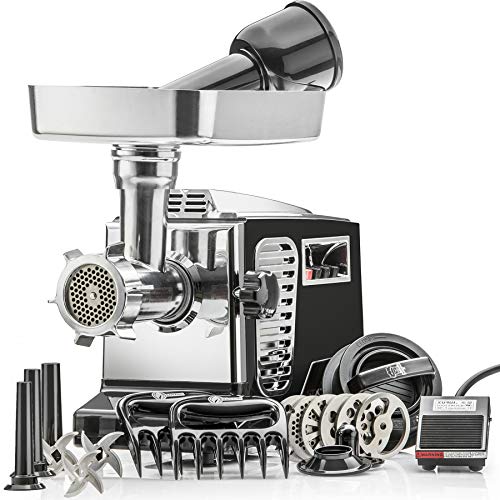
Midrange grinders, around $100 to $250, are where most home cooks should shop. You get a stronger motor, metal gears or a metal gear housing, several plate sizes, and a feed tube wide enough to cut prep time. These machines clear five to ten pounds in a session without drama and clean up faster because the parts fit together with better tolerances.
This tier also tends to include reverse function, which clears jams without dismantling the head. For families who grind weekly, make sausage seasonally, or share bulk meat purchases with friends, the midrange premium pays for itself in time and consistency within the first year.
Premium Level: Volume and Longevity
Premium models, around $250 to $500 and up, focus on throughput and service life. Expect stainless steel construction, large number 12 or number 22 grinding heads, and motors rated for near continuous duty. A premium grinder can process a whole deer or a side of pork in a single session and still feel unstressed.
You also pay for replaceable wear parts and real manufacturer support. Hunters who process their own harvest get the clearest value here; our guide to the best meat grinders for hunters covers the field dressing side of that workflow. Casual cooks will rarely use this capacity, so premium money is better spent elsewhere in the kitchen.
What Your Money Gets You at Each Price Tier
Budget Tier: What to Expect
Budget machines grind fine when you respect their limits: small cubes, cold meat, and short sessions. Plate selection is thin, so you may get a medium plate only, and sausage stuffing is slow. Warranty cover is often one year with limited parts support. Treat a budget grinder as an appliance with a three to five year working life and it will meet expectations.
Midrange Tier: The Sweet Spot for Most Buyers
Midrange buys you metal where it matters: the auger, the plates, the knife, and often the tray. You gain coarse, medium, and fine plates, a kubbe or sausage attachment set, and a motor that does not bog down on fatty cuts. Cleaning improves too, because smoother castings release meat instead of trapping it. Shoppers hunting value should compare this tier against the options in our guide to the best affordable meat grinders before paying premium prices.
Premium Tier: When Spending More Pays Off
Premium spending pays off in three situations: high volume, tough material, and long ownership. Large heads accept bigger cubes, which cuts prep work dramatically on big animals. Strong motors handle sinew and partially frozen blocks that stall smaller machines. And when a plate or knife finally dulls after years of use, replacements exist and are easy to order, which keeps the machine out of the landfill.
Features Worth Paying For (and Ones to Skip)
Materials and Food Contact Surfaces
Stainless steel plates and knives are worth paying for at any tier, because they resist rust and hold an edge longer than plated steel. Aluminum housings are common and food safe, but they should never go in the dishwasher, since detergents darken and pit the surface. All steel construction is a premium trait; it is nice for longevity, not required for good results. Whatever you buy, dry every part fully before storage to keep corrosion away.
Capacity and Batch Size
Capacity is really about head size and feed rate. A number 8 head suits one to five pound batches for a family dinner. A number 12 head doubles comfortable throughput for meal prep days. Number 22 heads belong to harvest processing and group sausage making. Match the head to your biggest realistic session, not your average Tuesday, but avoid oversizing so far that cleaning a huge machine for one pound of beef becomes a chore you skip.
Controls and Ease of Use
Simple controls win on a grinder. Forward, reverse, and off are all most cooks need, plus a reset button for motor protection on electric models. Pulse style control helps when stuffing sausage casings, because it gives you start and stop precision. Digital displays and preset programs add cost without improving the grind, so skip them. What does help is a stable base with suction feet or real weight, because a grinder that walks across the counter is a grinder you will fight.
Countertop Footprint and Storage
Electric grinders are tall and awkward, so measure your cabinet height before choosing a premium model. Some midrange machines store the plates and pusher inside the body, a small feature that prevents the classic lost plate problem. Manual grinders clamp to a counter edge and store in a drawer, which is why our guide to the best hand meat grinders remains popular with small kitchens and off grid cabins.
Long Term Costs to Factor In
The purchase price is only part of ownership. Budget for replacement plates and knives every few years if you grind often, plus sausage casings, freezer paper, and vacuum bags for storage. Electricity costs are trivial, a few cents per session. The real long term cost is time: a machine that disassembles and washes in five minutes gets used weekly, while a fussy one gathers dust and sends you back to store ground meat.
Frequently Asked Questions
How do I clean a meat grinder?
Clean it right after use, before residue dries. Run a piece of bread through the head to push out remaining meat, then disassemble and wash parts in hot soapy water. Dry every piece completely, and rub plates and knives with a thin film of food grade mineral oil before storage. That oil film is the step most owners skip, and it is the one that prevents rust spots.
How long do meat grinders usually last?
A budget electric model typically lasts three to five years of light use, while midrange and premium machines often run a decade or more. The auger and housing rarely fail; knives and plates dull first and are cheap to replace. Grinding bone fragments, overheating the motor, and storing parts wet are the three habits that shorten life the most.
Is a meat grinder worth buying?
Yes, if you cook with ground meat weekly or process game. Home grinding pays back through cheaper whole cuts, exact fat ratios for burgers and sausage, and control over freshness and seasoning. If ground meat appears on your menu once a month, a butcher counter or a budget model makes more sense than a premium machine. Deer hunters can find volume specific advice in our guide to the best meat grinders for deer.
Does a meat grinder use a lot of electricity?
No. Even a strong home grinder draws power for minutes at a time, so a full session usually costs a few cents. The bigger electrical concern is circuit load: run a large grinder on a kitchen circuit that is not already powering a microwave or kettle, and never use an undersized extension cord, which can overheat and starve the motor.
Are meat grinders safe to leave unattended?
No, never leave a running grinder unattended. Always feed meat with the pusher, never your fingers, and keep loose sleeves, jewelry, and hair away from the feed tube. Unplug the machine before clearing a jam or changing plates. Keep meat below 40 degrees Fahrenheit, wash hands and surfaces after handling raw meat, and stop and see a doctor promptly if a cut from a plate or knife shows signs of infection.
What size meat grinder do I need?
For most households, a number 8 or number 12 head is right. Choose by your largest regular batch: under five pounds points to number 8, five to fifteen pounds points to number 12, and whole animal processing points to number 22. A practical know how tip: slightly underfill the tray and keep a steady pace, because any size grinds cleaner when it is not force fed.
Final Thoughts
Decide by batch size first, then by materials, then by price tier. Stainless plates, a reverse function, and a head sized to your biggest session matter more than extra attachments. Compare the tiers in the product table above, and choose the best choice meat grinders option that matches how much you grind and how long you want the machine to serve.