
Best Choice Laptops for Students: Everything to Know Before Your First Purchase for 2026
Disclosure: We may earn a commission when you buy through links on this page, at no extra cost to you. As an Amazon Associate I earn from qualifying purchases. Learn more

Shopping for the best choice laptops for students for the first time? Learn the terms, compare options, and avoid rookie mistakes with this easy guide.
Buying your first laptop for school feels harder than it should, mostly because the listings speak in code. If you are comparing best choice laptops for students and every spec sheet looks like alphabet soup, this guide translates each term into a simple decision. We start with the basics, then cover the parts that actually change your daily experience.
You do not need the most powerful machine on the page. You need one that opens your course tools quickly, survives a full day of classes, and still works well in your final year. Use the product table below as your shortlist, then read on to learn how to judge each model on it with confidence.


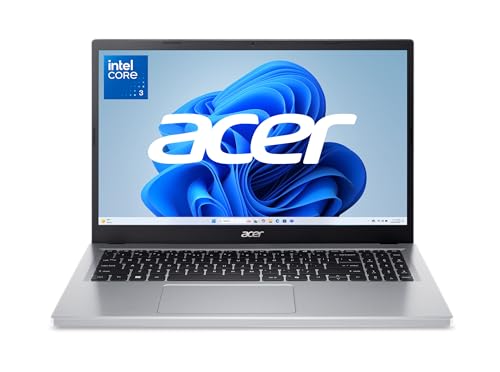

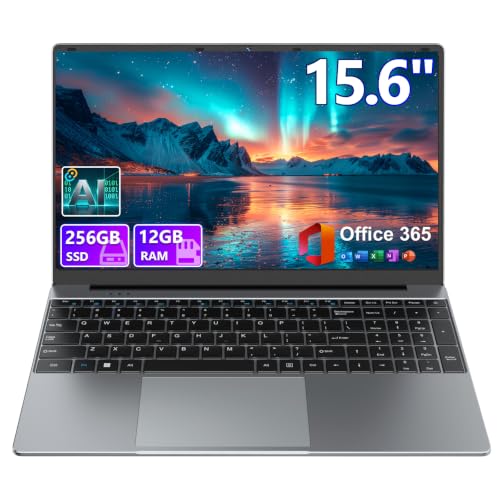

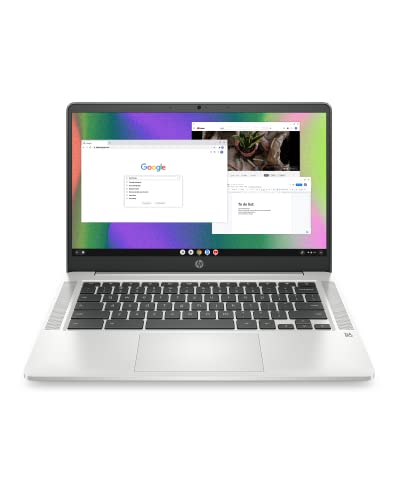
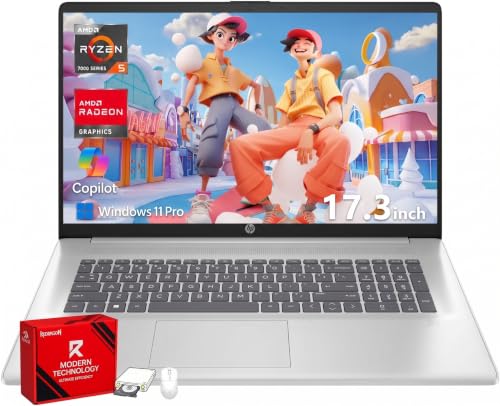

Laptops 101: The Basics
A student laptop is a portable computer built around three jobs: writing and research, video classes and meetings, and light creative or technical work depending on your major. Most models fall into three families. Standard clamshell laptops open like a book and do everything well. Convertibles fold into a tablet shape for notes and drawing. Chromebooks run a simpler browser based system that suits schools built around online tools.
A few terms appear everywhere. The processor is the brain that runs your apps. RAM is short term memory that decides how many things can stay open at once. Storage, usually an SSD, holds your files and programs. The display, keyboard, and battery decide how the machine feels during long study sessions, and those comfort specs matter as much as raw speed for most students.
Key Specs Explained in Plain English
What Students Should Look For
Start with your actual week. If you move between lectures, libraries, and coffee shops, size and weight shape your life more than benchmark scores. A 13 or 14 inch screen is the sweet spot for most students: large enough for split screen notes, small enough for a crowded lecture seat. Check that the laptop has a webcam and microphone that sound clear, because recorded presentations and remote seminars are now normal coursework.
Also confirm your school platform early. Some courses require specific software for exams, statistics, or design, and that requirement can rule out entire families of machines before price even enters the picture.
Processor and Performance Tier
The processor decides how snappy the laptop feels when you open large documents, join a video call, and run twenty browser tabs at once. Current midrange chips from the main processor families handle writing, research, and streaming with ease, and they are the right tier for most degrees. You only need a higher tier if your program involves compiling large code projects, editing long videos, or running engineering simulations.
A practical know how tip: a midrange processor paired with enough RAM feels faster in daily use than a premium processor starved of memory. Spend on the balanced build, not the headline chip. If your major is computing itself, compare the focused advice in our guide to the best laptops for it students, where virtual machines and dual boot setups change the math.
Battery Life in Real World Use
Advertised battery figures come from gentle video playback tests, so treat them as a ceiling, not a promise. Real student use with bright screens, WiFi, and video calls usually delivers about 60 to 75 percent of the quoted figure. Aim for a model rated at ten hours or more if you want to leave the charger in your dorm during a full class day.
Fast charging over USB C is worth having: a short charge between lectures can return hours of use. Carry the charger anyway during exam weeks, and lower screen brightness a notch or two, because the display is the largest single drain on most laptops.
Graphics (Integrated vs Dedicated GPU)
Integrated graphics are built into the processor and handle essays, slides, streaming, and casual photo editing without trouble. A dedicated GPU is a separate graphics chip that earns its cost only for gaming, 3D modeling, architecture work, and serious video editing. It also adds weight, heat, and price, and it shortens battery life.
For most students, integrated graphics are the smart default, and the money saved buys more RAM or a better screen. Creative majors should check the exact software their department uses, since some programs publish a list of graphics chips they support well.
Weight and Portability
Weight is the spec you feel every single day. A laptop under about 3 lb disappears into a backpack, while one over 4 lb becomes the thing you resent on the walk across campus. Add the charger to the scale in your head, because some gaming style chargers weigh nearly as much as a slim laptop itself.
Build quality matters at this weight class. A metal chassis resists the flex and knocks of bag life better than thin plastic, and a hinge that opens smoothly with one hand signals careful construction. Students who prefer the lightest category can browse our roundup of best notebook laptops for that style of machine.
Rookie Mistakes to Avoid
- Buying on processor alone. A fast chip with 8 GB of RAM and a dim screen makes a worse student laptop than a balanced midrange build.
- Ignoring the keyboard. You will type thousands of words a term. Shallow, mushy keys slow you down and tire your hands during long essays.
- Choosing the biggest screen. A 16 or 17 inch laptop is lovely at a desk and miserable in a lecture hall or on a train tray.
- Skipping the warranty question. Accidental damage cover is worth pricing, because one cracked screen can cost more than the cover itself.
- Forgetting total cost. Budget for a sleeve, a mouse if you want one, and any software your school does not provide. Readers watching spending closely should see our guide to the best inexpensive laptops for students before stretching a budget.
Getting Started: Setup and First Use
On day one, plug in, connect to WiFi, and let the system finish its updates before you install anything. Keep the OS and firmware updated from then on, because updates carry security fixes and battery improvements. Create your school account sign ins, turn on automatic cloud backup for your documents folder, and set a restore point once your main apps are installed.
Then build two habits. First, avoid running at 100 percent charge all the time if the laptop lives on a desk; many models offer a battery care setting that caps charge near 80 percent for desk use. Second, name and organize your folders by course from the start. Ten minutes of structure in week one saves frantic searching in finals week. If your program leans toward note taking by hand, the convertible styles in our best notebook laptops for students guide are worth a look.
Laptops: Your Questions Answered
What makes laptops for students different from regular laptops?
Student models trade raw power for portability, battery life, and price, because coursework rarely needs more. They also favor durable hinges, good webcams, and keyboards built for long writing sessions. The quality focused end of this market is covered in our guide to the best quality laptops for students, which explains which build upgrades are worth paying for.
Is a dedicated GPU worth it for a student?
Only for specific majors and hobbies. Design, film, architecture, and engineering students may need one for their software, and keen gamers will want one for play. Everyone else gains more from spending that money on RAM, storage, and a brighter screen, and they also get a lighter machine with longer battery life as a bonus.
How long should a student laptop last?
Plan on four to five years, which covers a full degree for most students. Longevity depends less on the processor than on RAM and storage headroom, so buying 16 GB of RAM and a 512 GB SSD today is the cheapest insurance against a mid degree replacement. A replaceable battery, where offered, extends useful life further.
Is a Chromebook enough for school?
It is enough when your school runs on browser based tools and your courses need no special installed software. Chromebooks start fast, resist most malware, and cost less. The moment a course requires a specific desktop program, an exam lockdown tool, or offline creative software, a full laptop becomes the safer choice. Check your syllabus requirements before deciding.
Should I buy a laptop or a tablet?
Buy the laptop if you must pick one, because typing, multitasking, and course software all favor it. A tablet shines as a second device for reading and handwritten notes. Some students solve the dilemma with a convertible laptop that folds into a tablet shape, accepting a little extra weight in exchange for both styles in one bag.
Final Thoughts
For a first purchase, balance beats extremes: a midrange processor, 16 GB of RAM, a bright 13 or 14 inch screen, and a weight near 3 lb will serve most degrees well. Check your course software needs before anything else, and leave room in the budget for a sleeve and damage cover. Compare your finalists in the product table above, and pick the best choice laptops for students option that fits your major, your bag, and your budget.


