Best Choice Folding Chairs: Buyer Checklist for 2026
Disclosure: We may earn a commission when you buy through links on this page, at no extra cost to you. As an Amazon Associate I earn from qualifying purchases. Learn more

A buyer checklist for the best choice folding chairs: comfort, weight capacity, frame strength, folded size, and value.
A folding chair looks simple, but the difference between a chair guests love and one that wobbles, pinches, or ends up in the trash within a year comes down to a short list of specs. This guide walks you through the exact checklist for choosing best choice folding chairs with confidence, covering frame strength, seat comfort, weight capacity, and how small each chair folds for storage.
Use the checklist as you scan the product table below, and you will be able to judge any model in a minute or two. There are no reviews here, just the criteria that matter, the numbers worth checking, and the warning signs that should send you to a different option.





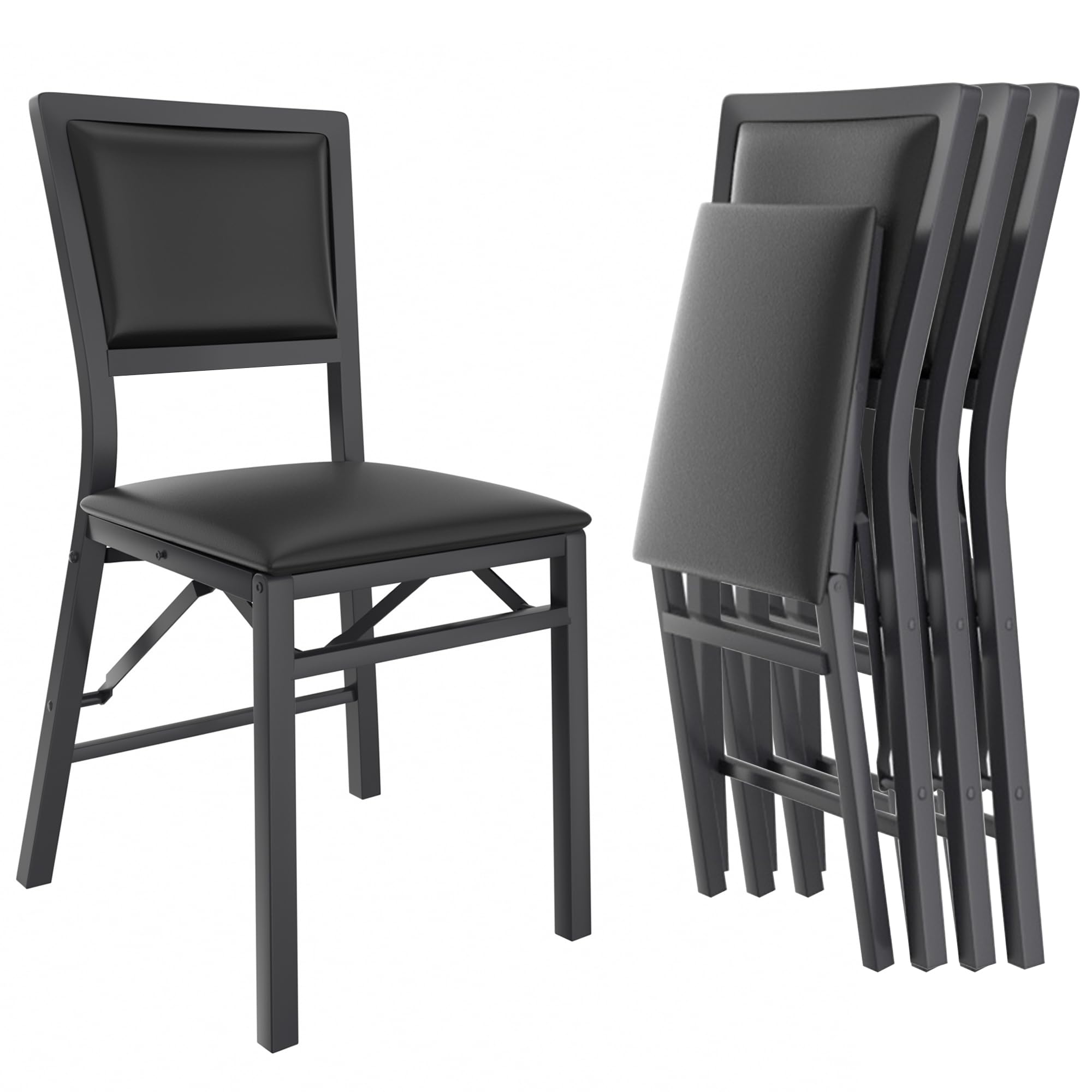
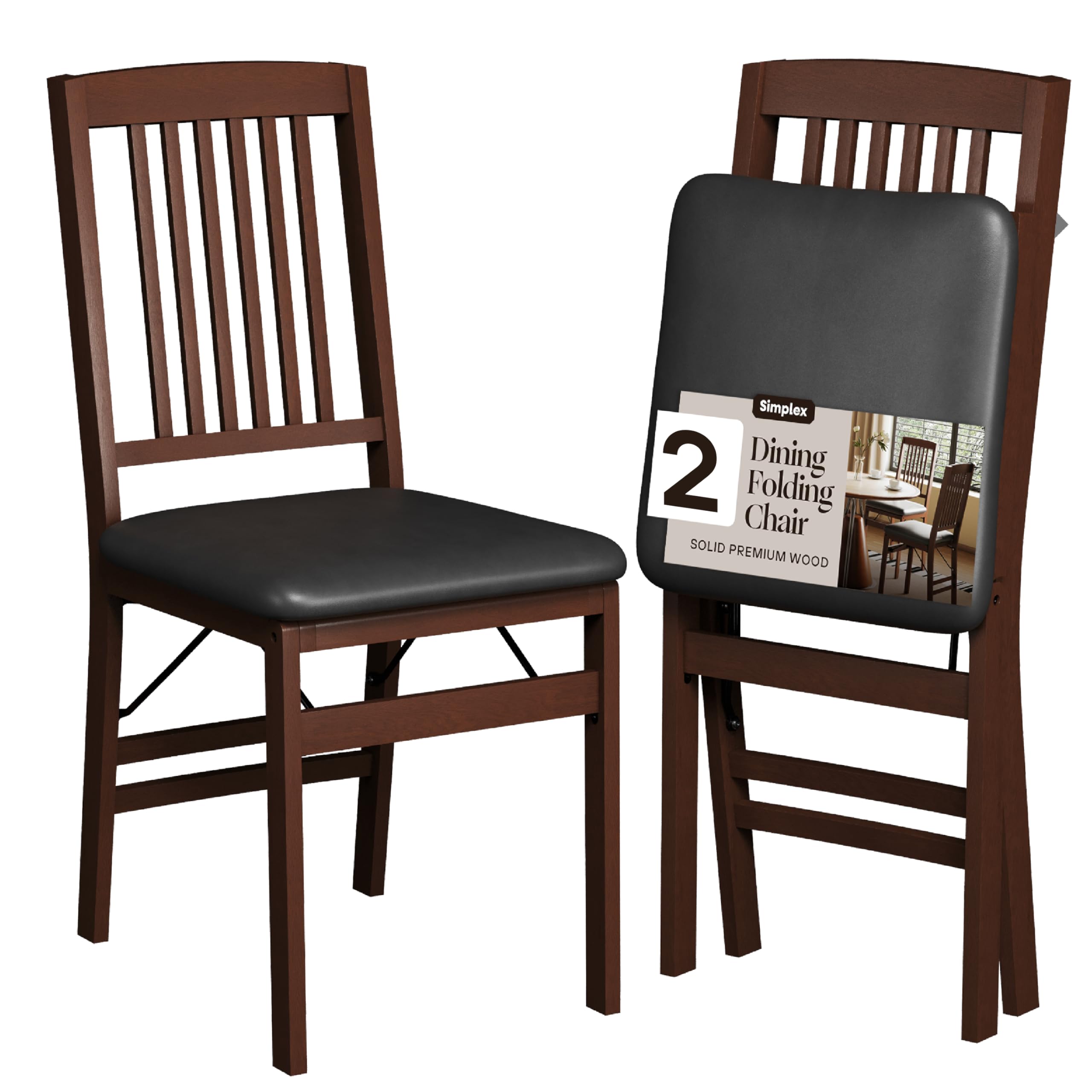
Key Features to Compare: The Buyer Checklist
Start with the seven criteria in this section and you will cover nearly everything that separates a durable folding chair from a flimsy one. If you want a broader look at the category first, see our guide to the best folding chairs for general background, then come back here to score your shortlist. Each criterion below includes the range or detail that signals a well made chair and the vague wording that should make you pause.
Ergonomics and Comfort Fit
Seat height is the first ergonomic number to check. Most folding chairs sit about 17 to 19 inches from the floor, which pairs well with standard dining tables and lets most adults rest their feet flat with knees at a comfortable angle. A backrest with a gentle curve gives basic lumbar support, while a flat, upright back forces guests to slouch. Some padded models add shaped backs or simple armrests, and a mesh back can feel cooler during long outdoor events. For all day desk work, though, a folding chair is only a stopgap, and you may want to see our guide to the best officer chairs instead.
Setup, Delivery, and Storage
One real advantage of folding chairs is that there is no assembly at all. A good chair unfolds in seconds, locks open with a firm click, and folds flat again without pinching your fingers. When a set arrives, open every chair once, sit in each one, and check for bent legs or loose rivets before you throw the box away, because returns are far easier in the first week. Folded thickness matters for storage too. Slim models stack or hang in a closet at about 3 to 5 inches thick each, while thickly padded chairs can take twice that space.
Comfort and Cushioning
Padding is where cheap chairs cut corners first. Look for high density foam that feels firm when you press it with your thumb and springs back at once. Thin, soft foam bottoms out within an hour, leaving you sitting on the hard frame beneath. A padded seat around 1.5 to 2 inches thick keeps guests comfortable through a long dinner, a ceremony, or a full afternoon of meetings. Vinyl covers wipe clean but can feel warm, while fabric covers breathe better and hide wear. If your events often run past two hours, cushioning deserves a top spot on your checklist.
Size, Dimensions, and Weight Capacity
Weight capacity tells you more about build quality than almost any other spec. Basic folding chairs are often rated around 250 pounds, while reinforced models reach 300 to 350 pounds or more thanks to thicker steel and extra cross braces. Choose a rating comfortably above your heaviest expected guest, because a rating is a limit, not a target. Seat width matters too. A standard seat is about 16 to 18 inches wide, and wider seats feel far more welcoming. Finally, measure your table and room. Each seated guest needs about 24 inches of table edge and enough floor space to push the chair back.
Warranty and Return Policy
A clear warranty signals that the maker expects the frame to last. Look for at least one year of coverage on the frame and hinges, and read what the policy actually covers, since some warranties protect the steel frame but exclude fabric, foam, and plastic feet. Keep your order confirmation and take a quick photo of each chair when it arrives, which makes a claim simple if a weld cracks or a hinge bends early. Generous return windows are worth noting as well, because comfort is hard to judge from photos and you may need a short trial at home.
Materials and Upholstery
Most folding chairs pair a steel frame with one of three seat materials. Molded plastic seats are light, waterproof, and easy to stack, which suits large halls and rental style use. Fabric upholstery over foam feels warmer and looks more like dining furniture, but it needs spot cleaning and time to dry. Vinyl sits in between, shrugging off spills while still covering a padded seat. For outdoor use, check that fabric is rated for sun and moisture, and that the frame finish is powder coated to slow rust. Wooden folding chairs exist too, and they look elegant, but they weigh more and dislike rain.
Build Quality and Frame
The frame carries every other feature, so inspect it closely in the product photos and description. Thicker steel tubing, often described by gauge or tube diameter, resists bending when a guest leans back or shifts weight. Cross braces between the front and back legs stop the side to side sway that makes a chair feel unsafe. Hinges and rivets should look smooth and snug, and the feet should have plastic or rubber caps that protect floors and add grip. A chair that weighs a little more, often 8 to 12 pounds, usually signals a sturdier frame than an ultralight model of the same size.
Choosing Folding Chairs by How You Will Use Them
With the checklist in hand, match the chair to your main use. The right balance of padding, weight, and price changes a lot depending on whether the chairs come out twice a year or twice a week.
Extra Seating for Guests and Events
For holiday dinners, parties, and game nights, comfort and looks lead the list. Padded fabric chairs blend with dining furniture, store flat in a closet, and keep guests happy through dessert. Buy a couple more than you think you need, because headcounts grow and a spare chair beats a stool from the kitchen. If your gatherings spill onto a patio or deck, compare dedicated models in our guide to the best outdoor folding chairs, since outdoor frames and fabrics handle sun and damp grass far better than indoor upholstery.
Getting the Most Value from Multi Chair Sets
Folding chairs are often sold in sets of two, four, or more, and the price per chair usually drops as the set grows. Work out the per chair cost, then weigh it against the padding and weight capacity you are getting, because a bargain set with thin foam and a 225 pound limit may need replacing sooner. If folding chairs will be your everyday seating rather than occasional extras, it is worth comparing them with the permanent options in our guide to the best choice chairs, which stay set up and ready around a table.
Built for Heavy and Frequent Use
Churches, community halls, training rooms, and rental hosts need chairs that survive constant folding, stacking, and moving. For that kind of work, choose reinforced steel frames, the highest weight capacity you can find, and simple molded seats that wipe clean in seconds. Check whether replacement feet and glides are available, since those small parts wear first. Yard and garden gatherings are a different kind of frequent use, and for relaxed outdoor seating you can also see our guide to the best folding lawn chairs, which trade dining height for a lower, laid back sit.
Quick Buyer Checklist
Before you order, run through these questions. A chair that earns a yes on nearly all of them is a safe buy, and any no tells you exactly what to double check in the listing.
- Is the weight capacity at least 50 pounds above your heaviest expected guest?
- Does the seat height, around 17 to 19 inches, match your table height?
- Is the padding firm high density foam at least 1.5 inches thick, if you choose a padded model?
- Does the folded chair fit the closet, rack, or corner where you plan to store the set?
- Are the frame, hinges, and cross braces steel, with capped feet to protect your floors?
- Is the seat material right for the setting, such as wipe clean vinyl for kids or events with food?
- Does the warranty cover the frame for at least one year, with a return window long enough for a home trial?
Red Flags to Watch For
Some listings hide weak construction behind cheerful photos. Walk away, or at least dig deeper, when you spot any of these warning signs.
- No weight capacity is listed anywhere, which usually means the rating is embarrassingly low.
- The frame material is described only as metal or durable, with no mention of steel, tube size, or bracing.
- Reviews repeatedly mention wobbling, bent legs, or hinges that loosen after a few uses.
- The warranty lasts only 30 to 90 days, or the seller makes returns difficult and expensive.
- Photos show rough welds, sharp edges near the hinge, or feet with no caps to protect floors.
One more quiet signal is price that seems far below similar chairs with the same padding and capacity. Steel, foam, and shipping all cost money, so a suspiciously cheap chair usually saves that money somewhere you cannot see, most often in thinner tubing and weaker hinges.
Setup and Care Tips for Folding Chairs
Good habits start the first time you unfold a chair. Open it fully until the lock engages, then press down on the seat once to confirm it is secure before anyone sits. When you set chairs around a table, leave enough room behind each one so guests can stand without tipping it backward. Every few months, check hinge screws and rivets, tighten anything loose with basic tools, and replace cracked foot caps so the legs do not scratch your floors.
Cleaning depends on the seat material. Vacuum fabric seats, treat spills quickly with a damp cloth and mild soap, and let the foam dry fully before folding the chair away. Wipe vinyl and plastic with a wet cloth, and dry steel frames after outdoor use so moisture does not sit in the joints. Store chairs folded in a dry indoor space, standing upright or on a wall rack, rather than stacked under heavy boxes that can bend the legs over time.
Folding Chairs: Your Questions Answered
How do I choose the right size folding chair for my table and guests?
Match seat height to your table first: a seat of 17 to 19 inches works with standard tables about 28 to 30 inches high. Then allow about 24 inches of table edge per guest so elbows have room. One point many buyers miss is depth. A deeper seat feels generous, but in a small dining room it eats the walkway behind the chair, so measure the space with the chair pulled out, not pushed in.
How long should a good folding chair last with regular use?
A well built steel folding chair should last five to ten years of regular home use, and often longer with light duty. Frames rarely fail first. Foam compresses, fabric wears, and foot caps crack, so a chair that feels less comfortable after several years may simply have tired padding. Storing chairs dry and indoors, away from sun and damp, is the single habit that adds the most years.
What folding chair features matter most for long events?
Firm foam padding and a supportive, slightly curved back matter most when guests sit for hours. A seat that is too soft feels fine for ten minutes and then bottoms out, so firm beats plush for weddings, classes, and long dinners. Armrests help older guests stand up, which is easy to overlook when you only picture younger crowds. Plan a short standing break every hour or so at your event as well, since no folding chair fully replaces getting up and moving.
Is an expensive folding chair worth the extra cost?
It can be, because higher prices usually buy thicker steel, denser foam, and a longer warranty rather than decoration. If your chairs come out a few times a year for light guests, a mid priced set is sensible and the extra cost buys little. If chairs will hold heavier guests, face weekly use, or need to look sharp in a dining room for years, paying more per chair often costs less than replacing a cheap set twice.
The Bottom Line
Run every candidate through the same short checklist: a steel frame with cross braces, a weight capacity with real headroom, firm padding matched to how long guests will sit, and a folded size that fits your storage space. The product table above pulls those specs together so you can compare at a glance. Choose best choice folding chairs that pass on frame and capacity first, and comfort and looks will follow.