Best Chairs Fabric Choices: How to Pick Upholstery for Your Household for 2026
Disclosure: We may earn a commission when you buy through links on this page, at no extra cost to you. As an Amazon Associate I earn from qualifying purchases. Learn more
How to choose from the best chairs fabric choices: durability, cleaning and feel compared for polyester, microfiber, chenille, linen and leather.
Picking among the best chairs fabric choices feels harder than picking the chair itself, because the options are many and the differences are subtle. Fabric decides how a chair feels, how it ages and how much effort it takes to keep it clean. This guide compares the common choices in plain language and helps you match them to your household.
The Main Fabric Types
Polyester and Blends
Polyester is the workhorse of upholstery. It resists wrinkles, holds color and handles wear well. Blends add softness. It is a good choice for busy homes, especially in a tight weave.
Cotton and Linen
Natural fibers feel soft and breathe well. They wrinkle and absorb spills, and cotton can fade in sun. They suit calm rooms and people who like a natural look. Linen blends improve wrinkle resistance.
Microfiber
Microfiber has a soft, suede like surface and is easy to wipe. It resists many stains and hides wear. Some microfibers attract lint or show water marks, so check the cleaning code.
Chenille
Chenille has a plush, soft feel and a slightly fuzzy surface. It is cozy but can snag and wear in high contact areas. A tight chenille is more durable than a loose one.
Boucle and Textured Weaves
Boucle has looped yarn that gives it a nubby look. It is stylish but can catch on claws and jewelry, and loops can pull. Choose it for low traffic chairs.
Leather and Faux Leather
Leather wipes clean, ages with character and is warm in winter. Faux leather is cheaper and easy to clean but can crack or peel over time. Both can feel sticky in summer.
Matching Fabric to Your Household
Homes With Pets
Choose a tight, flat weave that resists claws, and a color close to your pet's coat. Avoid loops. Leather and microfiber are common choices.
Homes With Young Children
Choose washable or stain resistant fabrics. Patterns hide marks. A removable cover is a bonus.
Quiet Rooms and Occasional Use
If the chair will rarely be used, you can choose a softer or more delicate fabric.
How to Check Durability
Ask for the rub count, which measures how many cycles a fabric survives in a standard test. Higher numbers suggest greater durability. Residential use is often fine with moderate numbers, while heavy use calls for higher ones. Also check the cleaning code on the tag.
Color and Pattern
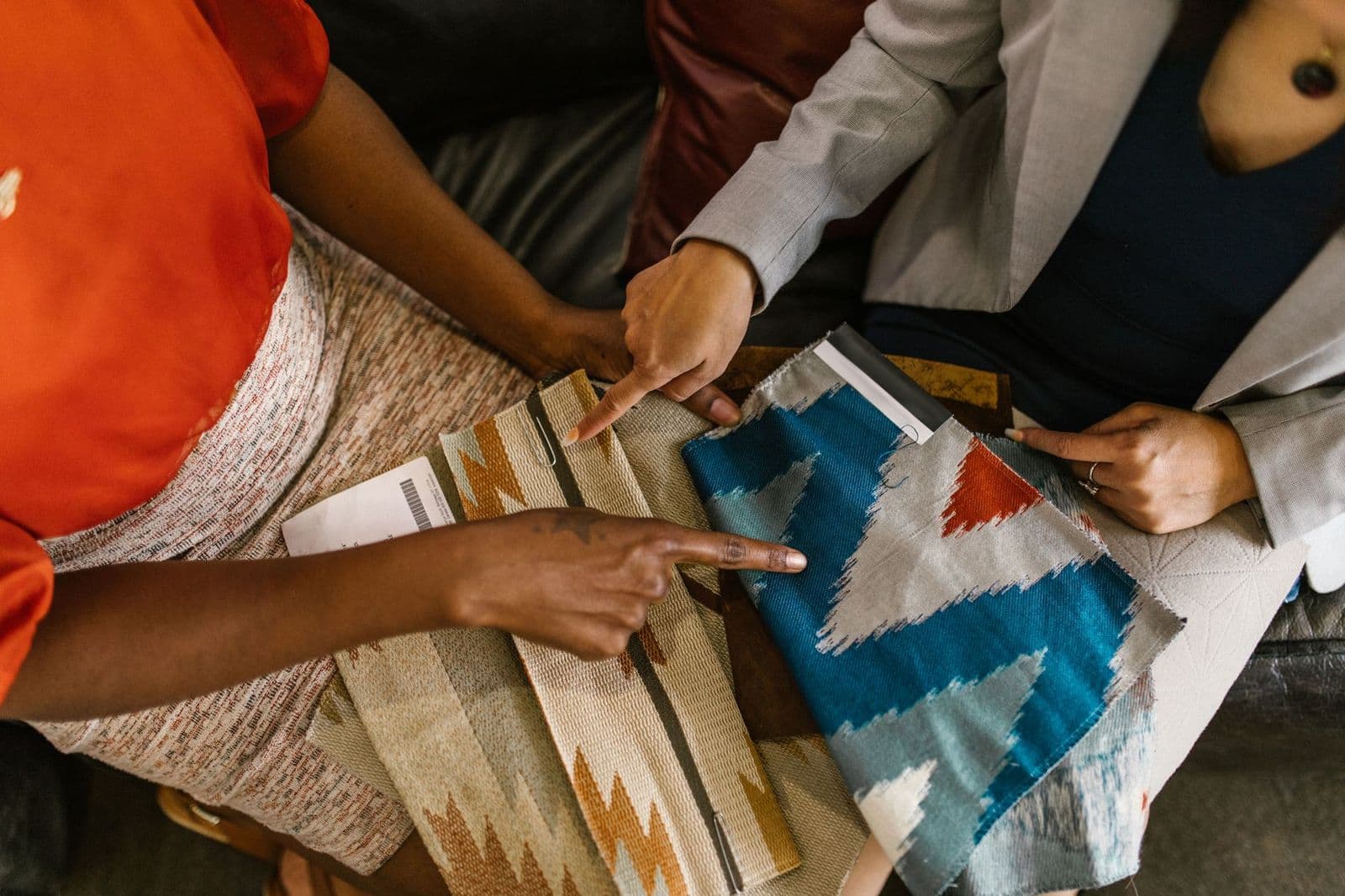
Light colors show dirt, dark colors show lint, and mid tones and patterns hide both. Warm colors make a room cozy, and cool colors calm. Look at swatches in your room's lighting before choosing.
Related Reading on the best chairs fabric choices
Explore the best fabric for chairs guide, the best upholstery fabric for chairs guide, the best fabric gaming chairs page for gaming seating, our best choice chairs page for a related search and our best officer chairs guide for desk seating.
Care by Fabric
Vacuum all fabrics regularly. Blot spills with a clean cloth. Follow the cleaning code. Keep chairs out of direct sunlight to prevent fading. Use a fabric protector if the maker allows it.
Reading the Technical Terms
Fabric descriptions are full of terms that are easy to misread. Content tells you what the fabric is made of, such as polyester, cotton or a blend. Weight is how heavy the fabric is, and heavier fabrics generally wear better. Rub count, sometimes called double rubs, measures abrasion resistance in a standard test. Residential seating is often suitable at moderate numbers, while a chair that sees daily heavy use benefits from a higher number. Cleaning codes use letters such as W, S, WS and X, which tell you whether to use water, solvent, either or only a vacuum.
Performance Fabrics
Performance fabrics are engineered or treated to resist stains, fading and moisture. They cost more but save time and worry in busy homes. Ask what makes the fabric a performance fabric: some are inherently stain resistant, while others rely on a coating that can wear off. Ask whether the finish is part of the yarn or applied after weaving.
Allergies and Sensitivities
If someone in your household is sensitive to dust or animal hair, smooth, tight weaves are easier to clean than deep pile fabrics. Leather and some synthetic surfaces can be wiped. Remember that upholstered furniture collects dust, so vacuum regularly and consider a washable throw. If you have concerns about materials or finishes, ask the seller for the content details and talk to a doctor about your own needs.
Budget and Value
Fabric grade affects price, and a higher grade does not always mean a better fit for your life. A plain mid grade performance fabric may outperform an expensive decorative one for a family with pets. Put your budget into the combination of durability and cleanability, and choose a color you will enjoy for years. If you plan to keep the chair a decade, think about whether it can be recovered later, which can extend its life at a fraction of the cost of a new chair.
Sun, Heat and Fading
Fabric near a window fades over time, especially bright colors and natural fibers. Synthetic fabrics often resist fading better, and solution dyed fabrics keep color well because the dye is part of the fiber. If the chair must sit in sun, choose a mid tone, draw a curtain during the strongest hours and rotate the chair seasonally so wear and fading even out.
Frequently Asked Questions
Which fabric lasts longest?
Tight weave polyester blends and leather are among the most durable choices.
Is leather better than fabric?
It depends. Leather is easy to wipe but can feel cool or sticky, while fabric is softer and offers more color choice.
What does the rub count mean?
It measures abrasion resistance. Higher numbers generally mean a more durable fabric.
Can I clean fabric myself?
Often yes, following the cleaning code on the tag.
Final Thoughts
Among the best chairs fabric choices, the right one is the fabric that matches your household. Consider pets, children, light and cleaning habits, check the durability and the cleaning code, and look at swatches at home. Good fabric makes a chair a pleasure to use.