Best Chocolates for Melting: Budget, Midrange, and Premium Picks
Disclosure: We may earn a commission when you buy through links on this page, at no extra cost to you. As an Amazon Associate I earn from qualifying purchases. Learn more

The best chocolates for melting by budget: melting wafers, Callebaut callets and Valrhona feves compared.
Chocolate covered strawberries, dipped pretzels, cake pops, drizzled cookies, molded candies and fondue all start with melted chocolate, and the chocolate you choose decides whether the result is glossy and smooth or dull, streaky and thick. Some chocolates are made to melt easily with no special skills, while fine couverture chocolate rewards a little technique with a professional snap and shine. Prices range from around $15 for a 2 pound bag of melting wafers to well over $100 for chef grade feves. This guide to the best chocolates for melting sorts options by budget, so you can see what each tier delivers and which upgrades are worth it.
We cover three picks, what your money gets at each price tier, the features worth paying for, long term costs and common questions. Every chocolate in the table above is sold new on Amazon US. Check labels for allergens; many chocolates contain milk and soy or are made in facilities that also handle nuts and wheat.




Top 3 Picks by Budget
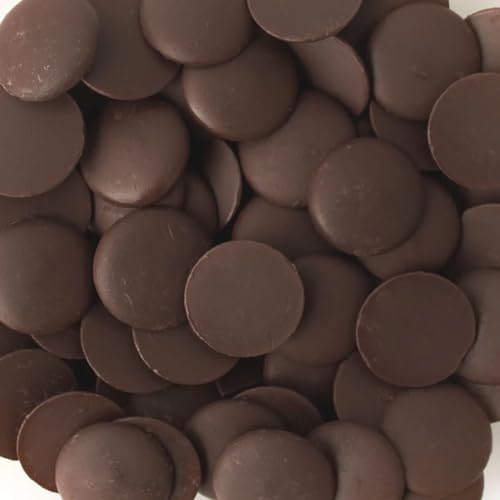
Our picks are Hoosier Hill Farm Chocolate Melting Wafers for budget buyers, Callebaut Gold Finest Belgian Chocolate Callets as the midrange pick for home bakers who want real couverture and Valrhona Guanaja 70% Dark Chocolate Feves as a premium pick for serious dessert makers.
We compared chocolate type, cocoa content, ease of melting, need for tempering, flavor, package size and price, along with the overall pattern in owner feedback. We did not melt these chocolates ourselves; the notes reflect maker descriptions.
Best Budget Pick: Hoosier Hill Farm Chocolate Melting Wafers
Hoosier Hill Farm melting wafers suit families, party hosts and beginners who want easy dipping chocolate, at around $15 for a 2 pound bag. Hoosier Hill Farm describes wafers that melt in the microwave in 30 second intervals at 50 percent power, stirring in between, for chocolate covered strawberries, cherries, pretzels, cookies and cake decorating. They are a product of the USA.
Two strengths stand out: no tempering needed, so the coating sets firm and shiny without special technique, and a large bag at a low price that covers holiday treats and party platters. Melting wafers are designed to flow smoothly for dipping and drizzling.
The limitation is flavor: compound melting wafers use vegetable fats in place of some cocoa butter, so they taste sweeter and less complex than real chocolate. Skip them if you want deep chocolate flavor for ganache or fine candies. They contain milk and soy.

Best Midrange Pick: Callebaut Gold Finest Belgian Chocolate Callets
Callebaut Gold callets suit home bakers who want real couverture chocolate with a distinctive flavor, at around $92 for a 2.5 kilogram bag. Callebaut is a Belgian chocolate maker widely used by pastry chefs, and its Gold callets are a caramel flavored chocolate in small drops that melt evenly and quickly.
Its strengths are professional quality, a unique caramel profile that stands out in mousses, drizzles and bonbons and a callet shape that needs no chopping. A large bag lasts through many projects and costs less per pound than small retail bars.
The trade off is tempering: for a glossy, snappy coating that sets at room temperature, couverture chocolate needs tempering or a seed method. Skip it if you want no fuss dipping chocolate for a kids' party.

Best Premium Pick: Valrhona Guanaja 70% Dark Chocolate Feves
Valrhona Guanaja 70% feves suit serious bakers and chocolate lovers who want a celebrated dark chocolate, at around $175 for a 6 pound 9 ounce bag. Valrhona is a French chocolate maker known among pastry chefs, and Guanaja is its 70 percent cacao dark chocolate in flat discs called feves that melt evenly.
The appeal is intense, complex flavor for ganache, truffles, mousse, molded bonbons and high end desserts. The bulk bag suits frequent bakers, small home businesses and holiday candy makers.
The limitation is price and the need for tempering for coatings. Skip it if you mainly dip strawberries for casual gatherings.

What Your Money Gets You at Each Price Tier
Chocolates for melting fall into three tiers. Here is what to expect at each.
Budget Tier: What to Expect
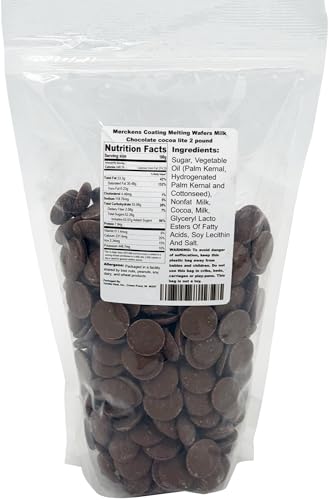
Under around $25 for 2 pounds, melting wafers like Hoosier Hill Farm and Merckens Milk Chocolate Cocoa Lite offer easy melting with no tempering. Merckens says its compound wafers are ideal for enrobing, dipping and molding, melt and mold easily without tempering and do not bloom, which means no gray streaks.
Budget wafers are perfect for chocolate covered strawberries, pretzels, cake pops and candy molds, especially with kids. Expect sweeter flavor than real chocolate.
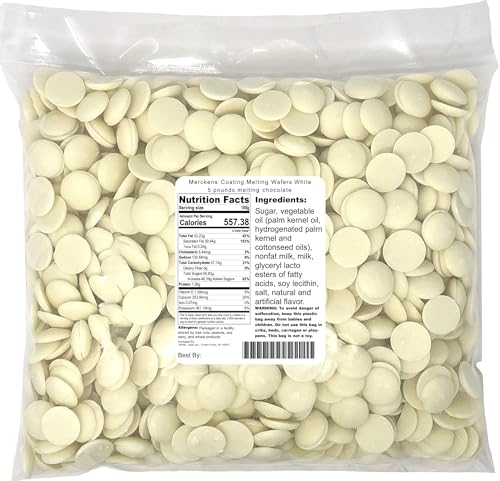
Colored and white wafers, like Merckens White Coating wafers in a 5 pound bag at around $34, add options for decorating and holiday themes.
Midrange Tier: The Sweet Spot for Most Buyers
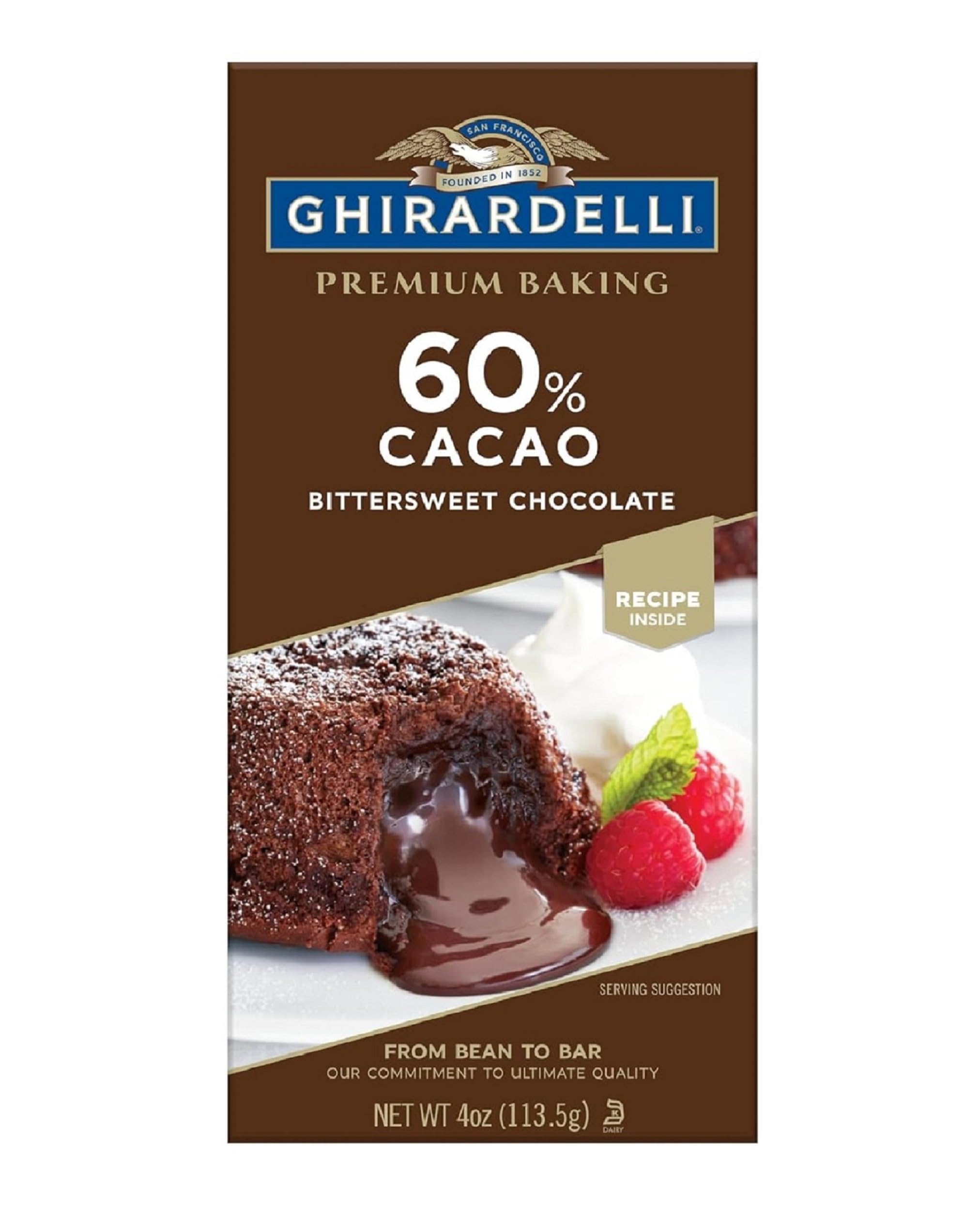
Between around $6 and $100, real chocolate bars, chips and callets like Ghirardelli 60% Cacao Bittersweet baking bars, Ghirardelli 60% baking chips and Callebaut callets offer genuine chocolate flavor. Ghirardelli's 4 ounce bars cost around $6 each, while Callebaut's 2.5 kilogram bags offer the best value per pound for frequent bakers.
This tier suits ganache, brownies, sauces and drizzles, where flavor matters. For coatings that set glossy at room temperature, plan to temper the chocolate or use a seed method.
Callebaut also sells Ruby chocolate callets, a naturally pink chocolate with 47.3 percent cocoa, at around $90, which makes striking dipped treats and drizzles.
Premium Tier: When Spending More Pays Off
Above around $100, chef grade feves like Valrhona Guanaja and Valrhona Jivara 40% milk chocolate discs deliver the most refined flavor and smooth texture. Valrhona describes Jivara as an easy melting, tempering friendly milk chocolate.
Spending more pays off for truffles, bonbons, fine desserts and special occasions where chocolate is the star. For casual dipping, budget wafers deliver most of the fun.
Features Worth Paying For in the Best Chocolates for Melting (and Ones to Skip)
Real cocoa butter, the right cocoa percentage for your recipe and an easy to melt shape are worth paying for. Fancy packaging and novelty flavors add less.
Features That Matter for Melting
Small, uniform pieces like wafers, callets and feves melt evenly without chopping. Fluidity matters for dipping and fountains: couverture with more cocoa butter flows thinner, while compound wafers are designed to coat smoothly without tempering.
Chocolate chips contain stabilizers that help them hold their shape in cookies, so they melt thicker and are less ideal for thin coatings.
Melt slowly at low heat either way; overheated chocolate turns thick and grainy.
Compound vs Couverture Chocolate
Compound chocolate, like melting wafers, replaces some cocoa butter with vegetable fat so it sets without tempering. Couverture, like Callebaut and Valrhona, contains more cocoa butter for better flavor and shine but needs tempering to set glossy and snappy.
Choose compound for easy, kid friendly projects and couverture for flavor and professional results.
Cocoa Percentage and Flavor
Dark chocolate around 60 to 70 percent cacao, like Ghirardelli 60% and Valrhona Guanaja 70%, tastes intense and less sweet. Milk chocolate around 30 to 40 percent tastes creamy and sweet, and white chocolate contains cocoa butter but no cocoa solids. Match the chocolate to the treat: dark with strawberries, milk with pretzels, white for colorful decorations.
Higher cocoa percentages also thicken ganache more, so recipes written for 60 percent chocolate may need extra cream if you switch to 70 percent.
Intended Use and Who It's For
Kids' parties and quick dipping call for melting wafers. Baking and sauces call for bars and callets. Molded candies and truffles call for couverture or feves. Fondue and fountains need fluid chocolate; check fountain instructions, since some recommend adding oil to compound chocolate.
For chocolate fountains, many makers recommend a high cocoa butter chocolate or melting wafers thinned with a small amount of neutral oil. For cake pops and molded candies, melting wafers release cleanly from molds and set quickly. For ganache and truffles, real chocolate with a higher cocoa percentage gives the best flavor and texture.
Price vs Value
Compare price per pound. Bulk bags, like Merckens' 10 pound dark wafers at around $65 and Callebaut's 2.5 kilogram callets, lower the cost per pound for frequent use. Small bars cost more per pound but suit occasional recipes.
If you only melt chocolate a few times a year for holidays, a 2 pound bag of wafers or a few baking bars avoids waste. Frequent bakers and small home businesses save the most with bulk callets and feves, which keep for months when stored properly.
Package Size and Storage
Store chocolate in a cool, dry, dark place around 60 to 70°F, away from strong odors. Avoid the refrigerator, which causes sugar bloom. Large bags should be resealed tightly to keep moisture out.
White bloom on stored chocolate, a dusty or streaky surface, is usually cocoa butter or sugar rising to the surface after temperature changes. Bloomed chocolate is safe to eat and melts normally, though it may need tempering again for a glossy coating.
Long Term Costs to Factor In
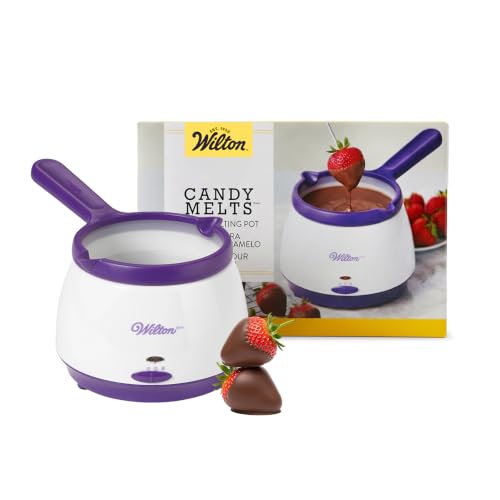
Melting chocolate costs more than the chocolate itself if you also buy tools. A melting pot, like the Wilton Candy Melts Melting Pot at around $43, keeps chocolate warm for dipping.
Candy molds, dipping tools, a thermometer and parchment paper add to the setup. Couverture users may want a marble slab or tempering machine eventually. Buying in bulk saves money if you melt chocolate often.
Tempering tools are optional: the seed method, where you melt two thirds of the chocolate and stir in the rest as unmelted pieces, works with a bowl, spatula and thermometer. A digital instant read thermometer costs little and makes tempering couverture far more reliable.
Frequently Asked Questions
What features matter most in chocolates for melting?
Ease of melting, smooth flow, flavor and whether tempering is needed matter most. Melting wafers set easily without tempering, while couverture chocolates offer better flavor but need tempering for glossy coatings.
How long does melting chocolate last?
Dark chocolate often keeps for a year or more when stored cool and dry, while milk and white chocolate keep for several months to a year. Check best by dates on the package.
Once melted, leftover chocolate can be poured onto parchment, cooled and broken into pieces to melt again later, as long as no water got into it.
How much should I spend on chocolate for melting?
For casual dipping, around $15 to $25 for 2 pounds of melting wafers is plenty. For baking and ganache, mid range bars and callets offer better flavor, and premium feves suit special desserts.
Why did my chocolate seize?
Chocolate seizes when a small amount of water or steam gets into it, turning it thick and grainy. Use dry bowls and utensils, melt gently at low power and avoid covering melting chocolate with a lid that drips condensation.
Can I melt chocolate chips for dipping?
You can, but chips contain stabilizers that keep their shape in baking, so they melt thicker and set less glossy. For thin, smooth coatings, melting wafers or chopped baking bars and callets work better. Adding a small amount of coconut oil can thin melted chips for drizzling.
Are expensive chocolates worth it for melting?
Expensive chocolates are worth it when chocolate flavor is the star, like truffles and ganache. For coatings on strawberries or pretzels at parties, melting wafers give great results for less.
The Bottom Line
The best chocolates for melting match your project and skill level. Hoosier Hill Farm melting wafers offer easy, budget friendly dipping, Callebaut Gold callets bring professional flavor at a midrange price and Valrhona Guanaja 70% feves deliver premium results for serious bakers. Melt gently, keep water away and choose couverture when flavor matters most.
For more kitchen guides, see the best ice cream scoops, the best immersion blenders, the best home ice cream makers and the best coffee syrups. Then compare current prices in the product table above.