
Best Chlorine Tablets For Aerobic Septic Systems for 2026
Disclosure: We may earn a commission when you buy through links on this page, at no extra cost to you. As an Amazon Associate I earn from qualifying purchases. Learn more

A guide to the best chlorine tablets for aerobic septic systems: approved tablets, chlorinator fit, safe handling, and storage.
An aerobic septic system treats household wastewater with air and bacteria, then passes the treated water through a chlorinator before it reaches a spray field or drip area. The tablets in that chlorinator are not ordinary pool tablets. The best chlorine tablets for aerobic septic systems are the ones your system maker approves, sized for your chlorinator tube, and stored and handled with care. This guide explains how to choose, what to avoid, and when to call a professional.
Only a few products are made for this job, so the product table below is short. Use it alongside your system manual and your service provider's advice.

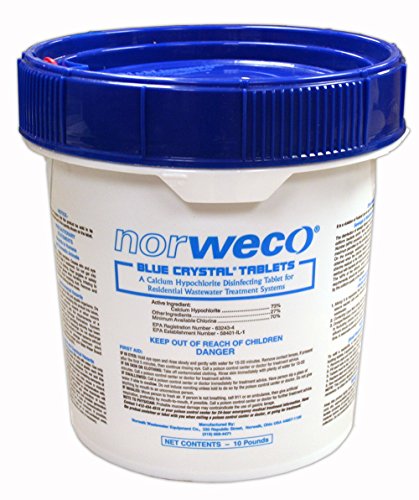
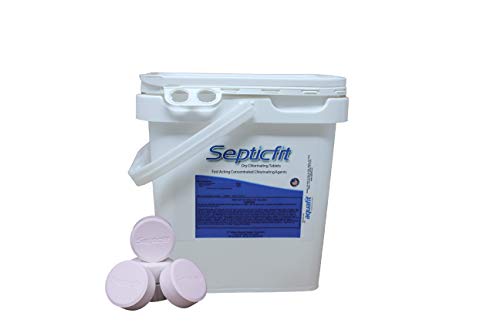
Why These Tablets Are Different
Pool tablets are designed to dissolve in a pool with circulating water, often with stabilizer and other additives. Tablets for aerobic systems are made to dissolve steadily in a small chamber as treated water flows past, and the label says they are suitable for septic use. Additives in pool products can foul chlorinator parts, so never substitute them unless the system maker clearly allows it.
Chlorine in this setting is the last disinfection step. Too little leaves the treated water under treated. Too much can stress sprinklers, plants, and system parts. A steady, correct tablet matters more than a high strength.
Tablet Size and Chlorinator Fit
Chlorinator tubes are built for a particular tablet diameter. A tablet that is too small can break up and dissolve too fast. One that is too large can jam the tube and stop the feed. Check the size in your system manual or on the chlorinator, and confirm it against the tablet label before you order.
Many suppliers sell the same tablet in different pail sizes, from a couple of pounds to bulk buckets. A household that refills every few weeks rarely needs a very large pail, and tablets lose strength in damp, hot storage.
Checking the Level and Refilling Safely
Look at the tablet level on a regular schedule set by your system maker or service provider, and more often after heavy household water use. Wear gloves and eye protection when you open the chlorinator, keep your face away from the opening, and never reach into it with bare hands. Close the lid firmly after refilling, and write the date in a simple log.
If the tablets look wet, crumbled, or fused together, the chlorinator may be leaking or the water level may be too high. Stop and ask your service provider rather than forcing the tablets down.
Safety and Storage
Chlorine tablets are strong chemicals. Keep them in the original sealed container, in a cool, dry, ventilated place away from children, pets, fuel, solvents, and acids. Never mix them with other chemicals, including cleaning products, and never move them to a food container. Follow the label first aid directions if there is skin or eye contact, move to fresh air if you notice fumes, and seek medical help for severe irritation or if tablets are swallowed.
Signs You Need a Service Visit
- Strong odor from the tank or spray area that does not clear.
- An alarm that keeps sounding after you check the chlorinator.
- A chlorinator that jams or leaks.
- Slow drains or wet patches near the system.
- Any doubt about which tablet your system should use.
Most aerobic systems are covered by a service agreement, and the provider can advise on the right tablet and refill schedule for your model.
Related Guides
If you want to compare pool tablets, our guide to the best chlorine tablets explains how they differ from septic grade tablets. For other septic care products, see our guide to best septic tank tablets.
How an Aerobic System Uses Chlorine
An aerobic system pumps air into a treatment tank so bacteria break down waste faster than in a conventional tank. The treated water then flows through a chlorinator, where it contacts the tablets before it is released to a spray field, drip area, or other discharge point approved for your property. The tablet dissolves slowly as water passes, which is why a steady, predictable tablet is more useful than a fast acting one.
Because the chlorine exposure is brief, the tablet needs to be dense and uniform. Crumbled tablets or those that fuse into a cake can release chlorine unevenly, leaving some water under treated while other water gets too much.
Building a Simple Refill Routine
A written routine prevents most problems. Note the date you refill, the approximate tablet level, and any changes in household water use. If a family stays for a holiday, a few extra people can speed up tablet use noticeably, so check the level sooner than usual. Many service providers also inspect the chlorinator during scheduled visits, so ask them what level they want you to maintain between visits.
Never top up the chlorinator with a different tablet type just because it is on hand. Finish or remove the old tablets as your system maker advises, and keep a record of which tablet brand and size your service provider approved.
Pail Size, Delivery, and Storage
Septic tablets are often sold in pails from a couple of pounds to a bulk size. A small household may use only a few pounds in a season, so a very large pail can sit for a long time. Pails are heavy, so plan for delivery and a spot to store them off the floor in a dry, ventilated space. Check the lid seals each time you open the pail, since loose lids let in humidity, and read the expiry or lot date if one is printed.
Frequently Asked Questions
Can I use pool chlorine tablets in an aerobic septic system?
Not unless your system maker clearly allows it. Pool tablets can contain additives and come in sizes that do not suit septic chlorinators. Use tablets labeled for aerobic septic use.
How often should I check the tablet level?
Follow the schedule in your system manual or from your service provider. Check more often after heavy water use, such as guests staying or lots of laundry.
What if the chlorinator jams?
Stop and avoid forcing tablets or using tools that could crack the tube. Wear gloves and eye protection, and call your service provider if the jam does not clear safely.
Does chlorine harm the spray field?
Correct dosing disinfects treated water as designed. Over dosing can stress plants and system parts, which is why using the approved tablet at the right feed rate matters.
How should I store the tablets?
Keep them sealed in the original container, dry and cool, locked away from children and pets and apart from other chemicals.
Final Thoughts
Use only tablets approved for your system, confirm the size against your chlorinator, and keep a simple refill log. The product table above lists the septic grade options available, and your service provider can confirm which one fits.
Choosing the best chlorine tablets for aerobic septic systems comes down to approval, fit, and safe handling, not to strength or price per pound alone.


