
Best Chlorine Generators for 2026: Salt Systems, Sizing, and Costs
Disclosure: We may earn a commission when you buy through links on this page, at no extra cost to you. As an Amazon Associate I earn from qualifying purchases. Learn more

A guide to the best chlorine generators for pools: sizing, cell life, controls, plumbing fit, and running costs.
A chlorine generator, more often called a salt chlorinator, turns dissolved pool salt into chlorine on site, so you stop buying and handling tablets or jugs. The best chlorine generators match your pool volume, your climate, and your plumbing, and they come from a maker with a real warranty on the cell. This guide explains the parts, the sizing rules, and the costs that decide whether a salt system suits your pool.
Use the product table below to compare systems, then work through the sections here to confirm the size and features you need before you order.




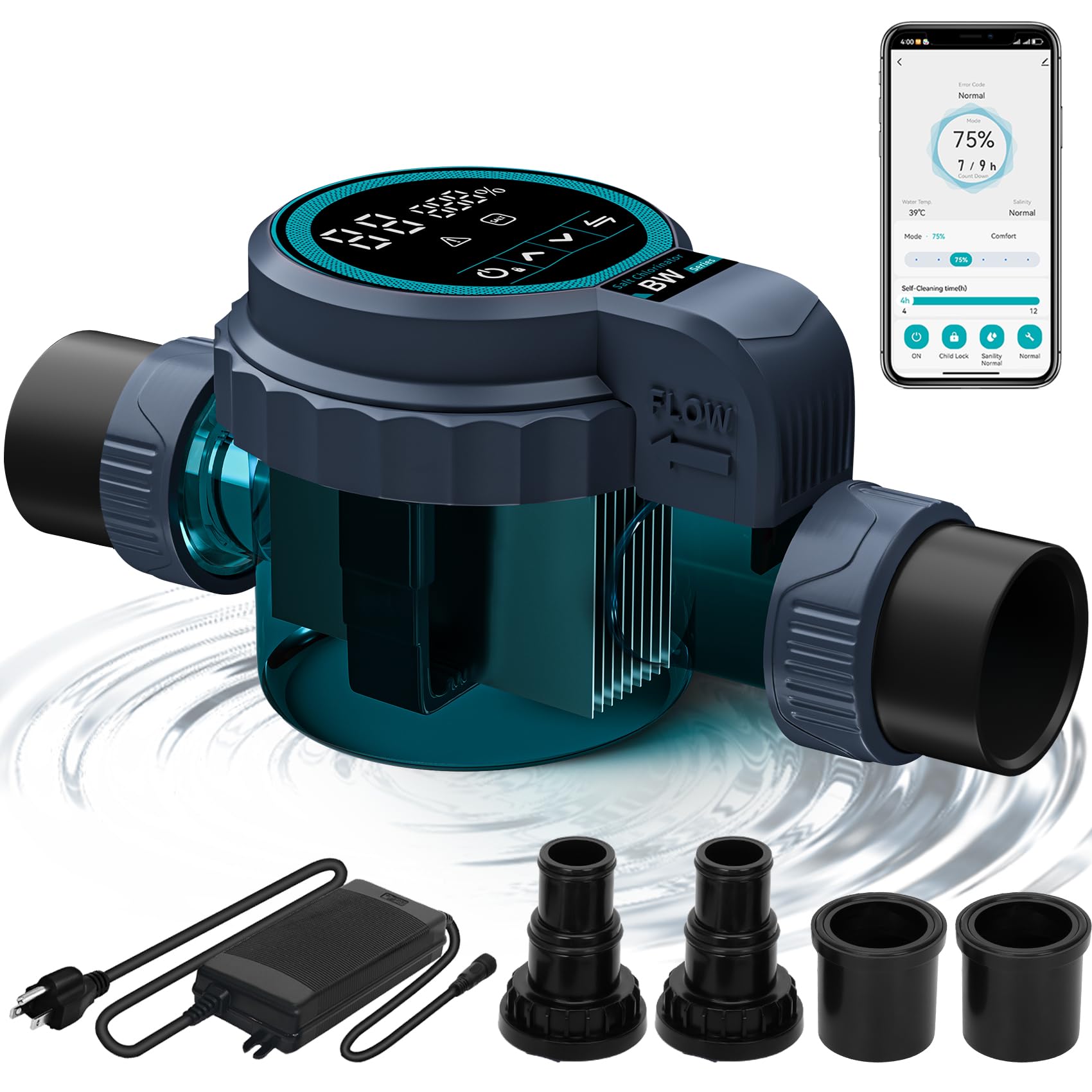
How a Salt Chlorine Generator Works
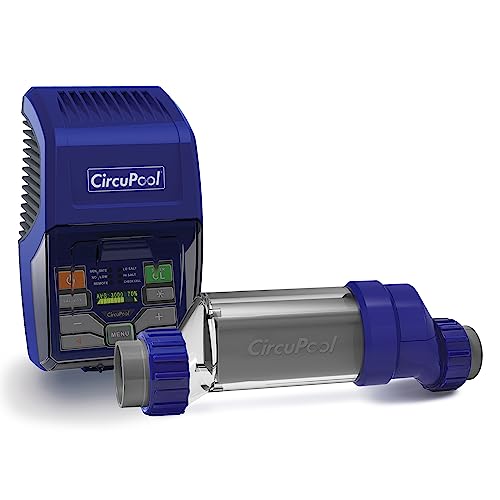
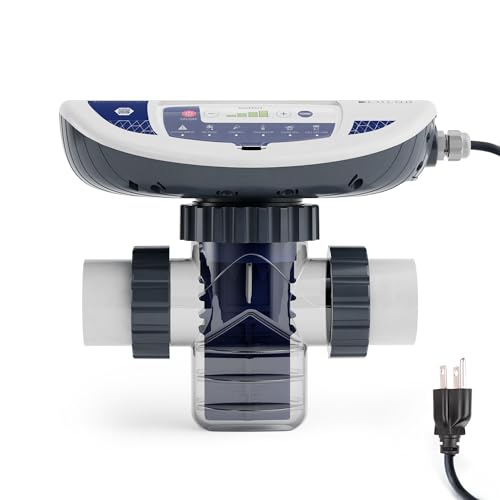
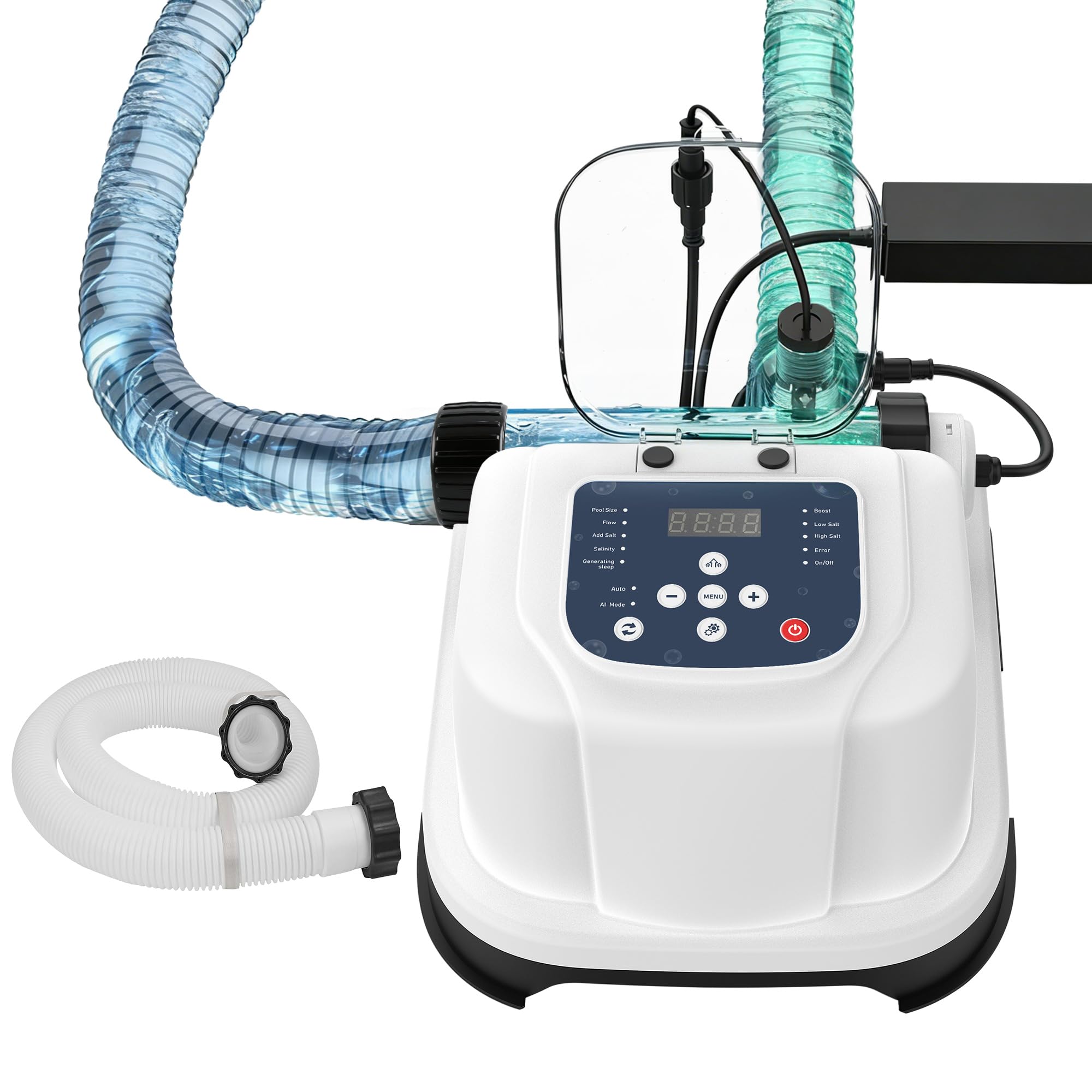
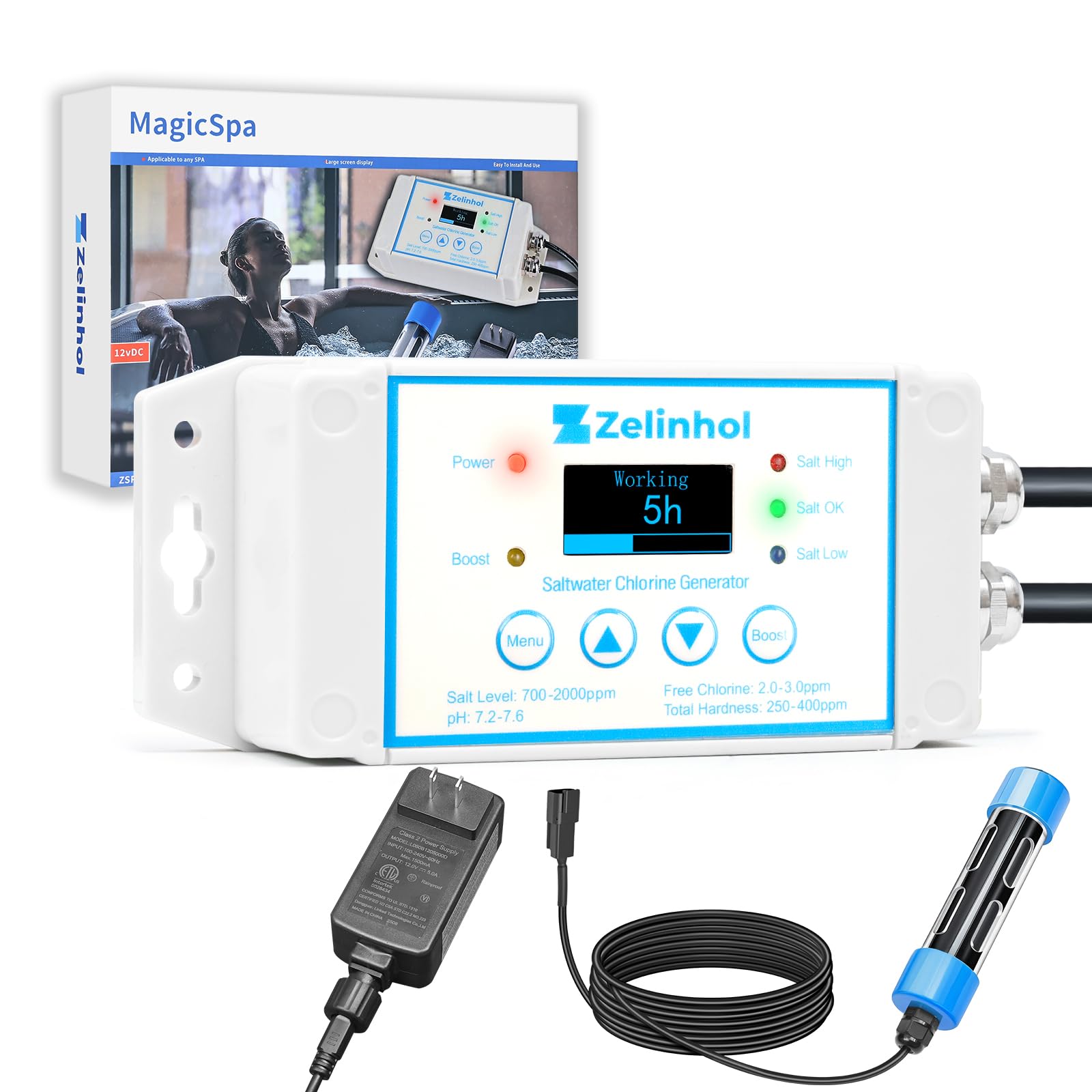
A system has two main parts: a control box and a cell. The cell is a set of coated plates that sits in the return line. When salty water passes through and the plates are powered, the salt is converted into chlorine, which sanitizes the water and then reverts to salt. The control box sets how hard the cell works, and many models add a timer, a boost mode, or a smartphone connection.
Salt pools are not chlorine free. The water simply makes its own chlorine, usually at a gentler, steadier level than shock dosing, and many swimmers find it feels softer. You still need to balance pH, alkalinity, and stabilizer, and you still need a filter and circulation.
Sizing: Match Output to Pool Volume
Every generator is rated for a maximum pool size in gallons. Buy a rating comfortably above your real volume, because hot weather, heavy use, and strong sun raise chlorine demand. As a rule, a unit rated for 40,000 gallons will run more gently and last longer on a 25,000 gallon pool than a unit working at its limit.
Above ground and small pools can use compact systems, while large inground pools need cells with more plates. Check the rating for the water temperature you expect, since many cells lose output in cold water and shut off below a minimum temperature.
Cell Quality and Replacement Cost
The cell is the part you replace, typically every three to seven years depending on plate quality, usage, and water balance. Titanium plates with a quality coating last longer. Look at the warranty, since many makers prorate cell coverage over several years, and read what voids it.
Many cells have a self cleaning mode that reverses polarity to reduce scale. It helps, but it does not replace keeping calcium and pH in range. Plan to inspect the cell a few times a season and clean it as the maker directs.
Control Features Worth Paying For
- Adjustable output: a percentage dial or digital control lets you tune chlorine production to the season.
- Boost or super chlorinate mode: useful after a party, a storm, or a cloudy spell.
- Low salt and high salt alerts: save you from guessing when output drops.
- Flow switch: shuts the cell off when water is not moving, which protects the plates.
- App or smart control: convenient for remote adjustments, but not essential if you prefer a simple dial.
Installation and Plumbing Fit
The cell installs in the return line after the heater and filter, so check the pipe size and available space before you buy. Some compact systems plug in without cutting plumbing, which suits above ground pools. Inground systems usually need a small amount of plumbing work and a nearby outlet for the control box. If you are unsure about wiring, ask a licensed electrician or pool professional to help.
Running Costs and Salt
Salt is inexpensive, and most pools need a bag or two at startup and small top ups after heavy rain or splash out. The main ongoing costs are electricity, a replacement cell every few years, and test supplies. Over several seasons many owners find a salt system costs less than a steady supply of tablets, but the upfront price is higher, so compare totals for your own pool.
Salt can affect some surfaces and metal equipment over time, such as certain natural stone coping and older metal ladders. Check your pool maker and equipment guidance before converting.
Common Mistakes to Avoid
- Buying an undersized unit that runs flat out all summer.
- Ignoring the minimum water temperature rating for your climate.
- Adding salt without checking the level your model needs.
- Skipping pH and stabilizer checks, which makes any generator work poorly.
- Choosing by app features instead of cell quality and warranty terms.
Where Salt Systems Fit Among Other Options
If you are weighing a salt system against tablets, our guide to the best chlorine tablets explains how slow dissolving tablets compare in cost and effort. For a deeper look at systems and cells, our guide to the best salt chlorine generators covers cell sizing and salt levels in more detail.
Salt Levels and Water Balance
Each generator model has a recommended salt range, usually printed in the manual and shown on the control box. Too little salt lowers chlorine output and can shorten cell life, while too much can trigger high salt alerts and increase corrosion risk. Add salt gradually, run the pump to circulate it, and recheck the reading before adding more. Keep pH, alkalinity, calcium, and stabilizer in range, because scale on the cell plates is the most common reason output drops.
Frequently Asked Questions
How long does a salt chlorine generator cell last?
Many cells last roughly three to seven years, depending on plate quality, run time, and how well you keep calcium and pH in balance. Poor water balance shortens cell life more than anything else.
Do salt pools still need chlorine tablets?
Usually not for routine sanitizing, since the cell makes the chlorine. Some owners keep a small supply of shock for heavy use. Follow your generator maker guidance before adding other chlorine products.
What size generator do I need?
Choose a rating above your pool volume in gallons. A generous margin lets the cell run at a lower setting, which helps it last longer in hot weather.
Can I install a generator on an above ground pool?
Yes, compact systems are made for above ground pools. Confirm the pool maker allows salt water, since some metal parts and liners have limits.
Is a salt system worth the upfront cost?
It can be if you swim often, dislike handling chlorine, and plan to keep the pool for several years. For a small seasonal pool, tablets may still cost less overall.
Final Thoughts
Match the rating to your pool, look closely at the cell warranty, and keep water balance in check. Use the product table above to compare systems by size, controls, and price before you decide.
A well sized unit with a solid warranty turns the best chlorine generators into a low effort way to keep water clear, and the lower daily handling is what many pool owners value most.


