
Best Chlorine Filter of 2026: Complete Buying Guide
Disclosure: We may earn a commission when you buy through links on this page, at no extra cost to you. As an Amazon Associate I earn from qualifying purchases. Learn more
Compare chlorine filter types, capacity, and fit, and learn how to choose the best chlorine filter for your shower, faucet, or pool setup and budget.
Chlorine is added to many water supplies, and it can change how water tastes and smells, so a filter can make everyday water use more pleasant. The best chlorine filter is the one that fits your fixture, matches your water use, and has a cartridge you can replace without hassle. This guide compares filter types, capacities, and price levels, so you can choose based on fit and upkeep rather than on claims alone.
Use the product table below as a quick reference while you read, then work through the factors that matter most for your setup. You will learn how filter media work, how to judge cartridge life, and how to spot a filter that fits your plumbing.




Choosing by Budget: What Each Level Offers
Price tells only part of the story. A cheap filter with a short cartridge life can cost more over a year than a higher priced filter with a longer lasting cartridge, so compare replacement cost as well as the first purchase price.
Budget Friendly Filters
Budget filters usually include a basic shower or faucet filter with a simple cartridge and a straightforward housing. These filters suit renters and single fixture use. Expect a shorter cartridge life and fewer extras. Prices are often about $20 to $40 for the filter, with replacement cartridges often about $10 to $20 each.
Mid Range Filters
Mid range filters often include a better housing, a clearer capacity rating, and a cartridge that lasts longer between changes. These filters suit daily use in a shower or at a kitchen faucet, and they often allow cartridge changes without tools. Prices are often about $40 to $80 for the filter, with replacement cartridges often about $15 to $30 each.
Premium Filters
Premium filters usually include a larger capacity, a stronger housing, and media designed for higher flow or longer service life. These filters suit larger households and high use fixtures where frequent cartridge changes would be a hassle. Prices are often about $80 to $150 for the filter, with replacement cartridges often about $25 to $50 each.
How to Choose Chlorine Filters: Buying Guide
The right filter depends on where you use water, how much water you use, and how easy you want upkeep to be. Start with your fixture type, then match capacity, flow, and cartridge cost to that use.
Intended Use and Who It Is For
Start by naming the job the filter must do, since a shower filter, a faucet filter, and a pool filter serve different needs. A shower filter needs to handle warm water and steady flow, while a faucet filter needs to fit a tap and leave room for kitchen use. A pool filter needs to handle much larger volumes, so it is not a simple swap for a home fixture filter.
Price Versus Value
Value means total cost over a year, not just the price on the box. Add the filter price to the cost of cartridges for a year, based on the maker capacity rating and your daily water use. A low priced filter with a short cartridge life can cost more than a mid range filter with a longer life. Check whether cartridges are easy to find and whether the maker gives a clear capacity in gallons.
Build Quality and Materials
Build quality affects leaks, durability, and how the filter feels during cartridge changes. Look for a solid housing, strong threads, and seals that sit evenly without forcing. Plastic housings suit most home fixtures, while metal housings suit higher pressure or heavier use. Check the maker pressure and temperature ratings, and avoid a filter with rough threads, since that can point to leaks over time.
Safety and Certifications
Safety starts with following maker guidance for install, pressure, and temperature, and with checking for independent certification where it is available. Read the manual before first use, and do not use a filter beyond its rated pressure or temperature. A chlorine filter is not a substitute for proper water treatment where that is required. Follow local rules, and ask a qualified professional when you are unsure about plumbing changes.
Warranty and Customer Support
Warranty and support matter because housings, seals, and fittings can wear out, and a clear warranty makes a replacement easier. Look for a warranty that covers the housing and fittings for at least a year, and check how to reach support for cartridge questions. A filter with easy to find cartridges is often a better long term choice than a cheaper filter with hard to find parts.
Size, Weight, and Fit for Your Space
Size and fit decide whether a filter works in your space without getting in the way. Measure the fixture, the space under a sink, or the area near pool equipment before you buy, and leave room for cartridge changes. Check thread size and connection type against your fixture, and use maker adapter guidance rather than forcing a fit that could leak.
For pool setups, see our guide to best pool filters for larger systems and flow ratings, our guide to best chlorine tablets for how tablets differ in upkeep, and our guide to best chlorine generators for systems that make chlorine on site.
Types of Chlorine Filters
Filter types differ by where they install, how much water they handle, and how often you change the cartridge. Use this section to narrow the field to one type, then compare models within that type on capacity and upkeep.
Shower Filters and Filtered Shower Heads
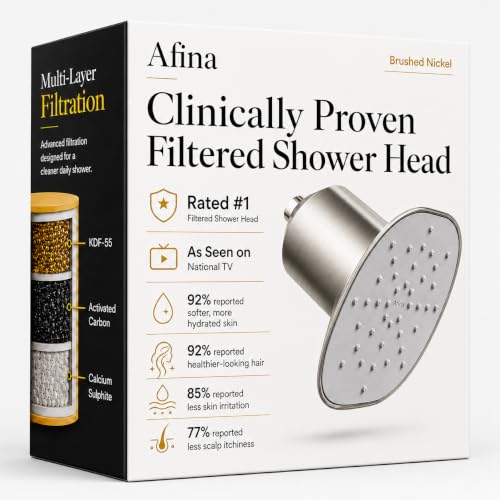
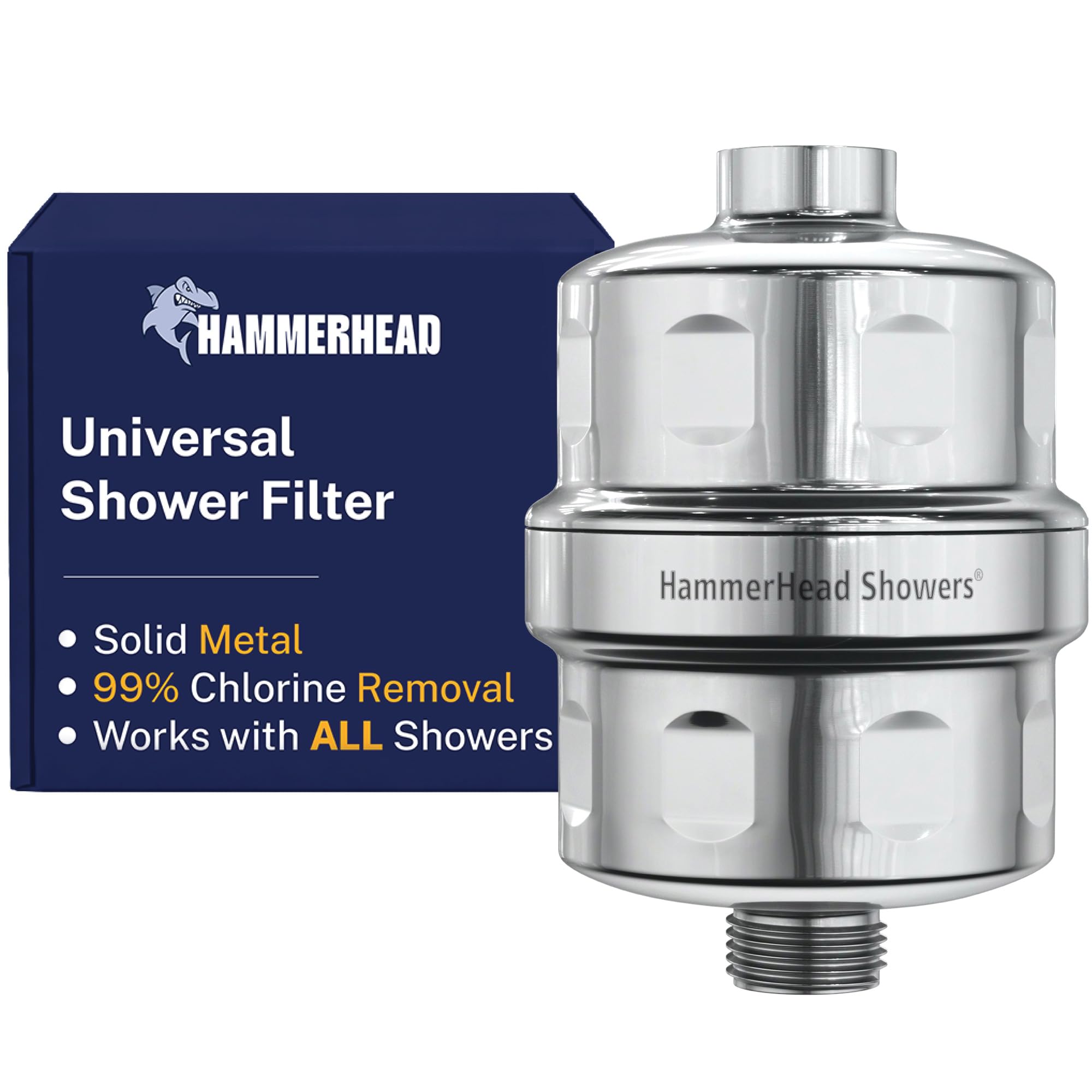
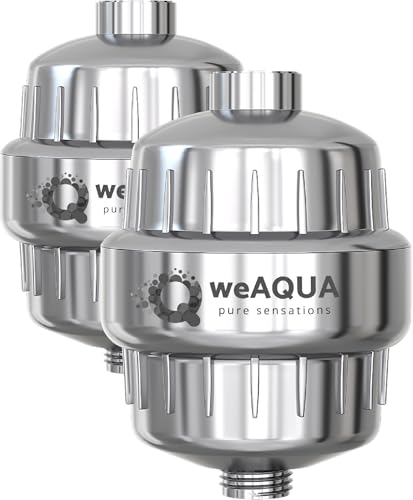
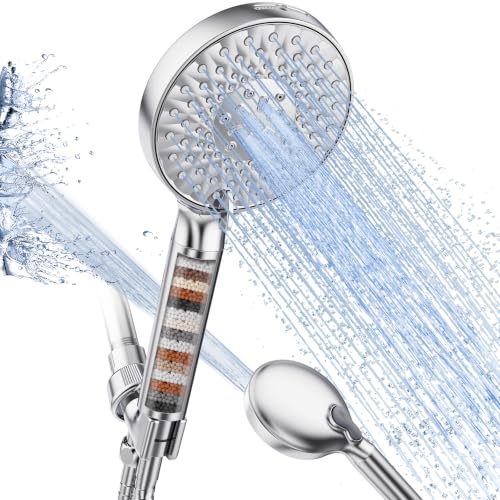
Shower filters attach between the arm and the shower head, while filtered shower heads build the cartridge into the head. They are the easiest way to cut chlorine smell and taste in a bathroom, install by hand in minutes, and suit renters. Capacity is limited by flow, and warm water reduces how well some media work, so check the maker rating for hot water and plan on regular cartridge changes.
Faucet and Pitcher Filters
Faucet mounted filters treat kitchen water at the tap and are simple to switch on and off. Pitchers treat a few quarts at a time and need no installation. Both cost little to start, but cartridges wear out faster than in larger systems, so compare the gallons rated per cartridge and the yearly replacement cost.
Under Sink and Whole House Systems
Under sink systems filter the cold kitchen tap through a dedicated faucet or a connected line, and whole house systems treat every fixture at the main line. They offer larger capacity and longer cartridge life, but they cost more up front and often need plumbing work, so ask a qualified plumber for help if you are unsure.
Pool and Spa Notes
Pool owners sometimes search this phrase for a filter that clears chlorine from fill water. A garden hose filter helps with that job, while a pool filter handles debris and has a different purpose entirely. Make sure the product states which task it is built for.
Tips to Get the Most From Your Chlorine Filter
- Read the manual before first use, and note the rated flow, pressure, and temperature limits.
- Clean and inspect the housing regularly, and check seals and threads for wear at each cartridge change.
- Store spare cartridges in a dry place, and keep them sealed until you need them.
- Register the product for warranty when the maker offers that option, and keep purchase details handy.
- Flush a new cartridge as the maker directs, so loose media does not reach your fixture.
- Track cartridge changes on a calendar, since capacity in gallons is more useful than a vague time guess.
Follow maker installation guidance closely, and turn off water before you open a housing or change a cartridge. Do not use a filter beyond its rated limits, and do not mix parts from different housings unless the maker says they fit. For plumbing changes beyond a simple fixture install, ask a qualified professional for help.
Frequently Asked Questions
How much should I spend on a chlorine filter?
You should spend about $20 to $80 for most single fixture filters, with premium or larger systems often about $80 to $150. Start with your fixture type and daily water use, then add a year of cartridge costs to the first price. Choose based on total yearly cost, not on the box price alone.
Are expensive chlorine filters worth it?
Expensive chlorine filters are worth it when you need larger capacity, higher flow, or fewer cartridge changes over a year. They often include stronger housings and clearer capacity ratings, which suit heavy use. For a single low use fixture, a budget or mid range filter may give the same result for less money.
What features matter most when buying chlorine filters?
The features that matter most are fit, capacity, flow rate, cartridge cost, and housing quality, in that order for most buyers. Fit decides whether the filter installs without leaks, while capacity decides how often you change cartridges. Flow rate matters at showers and high use faucets, where a small filter can slow water noticeably.
How long does a chlorine filter last?
A chlorine filter cartridge usually lasts about two to six months under normal home use, but capacity in gallons is a better guide than time alone. High use households reach the limit faster, while low use fixtures last longer. Replace the cartridge on schedule rather than waiting for a leak or a sharp drop in flow.
How do I maintain a chlorine filter?
You maintain a chlorine filter by replacing cartridges on schedule, cleaning the housing, and checking seals at each change. Turn off water before you open the housing, rinse the housing as the maker directs, and seat the new cartridge and seals evenly. Flush the new cartridge as directed, then check for leaks at normal pressure.
Final Thoughts
Start with fit, then compare capacity, flow, and yearly cartridge cost before you choose a price level. A compact filter suits a single fixture, a mid range filter suits daily home use, and a premium filter suits heavy use. Check the product table above for a quick recap. The best chlorine filter is the one that fits your fixture, matches your water use, and stays easy to maintain over time.


