Best Chandeliers for Bathroom in 2026: Buying Guide
Disclosure: We may earn a commission when you buy through links on this page, at no extra cost to you. As an Amazon Associate I earn from qualifying purchases. Learn more

A bathroom chandelier guide covering damp ratings, lumens, color temperature, sizing and installation for steamy rooms.
A chandelier can make a plain bathroom feel finished, but steam, splashes and tight clearances punish fixtures that work fine in a dry room. The best chandelier for bathroom use is one that is rated for damp air, sized for the room and bright enough for daily routines. This guide compares types by brightness in lumens and color temperature, by materials that tolerate humidity and by how each style installs. Use the comparison table below to match a type to your ceiling height, tub placement and vanity layout.
If you are starting from a general guide to the best chandelier for other rooms, treat the bathroom as a special case. A fixture that hangs over a tub or near a shower faces rules and moisture that a dining room fixture never meets. The sections below put safety and placement first, then style, so you can enjoy the look without shortening the life of the fixture or creating an electrical risk.

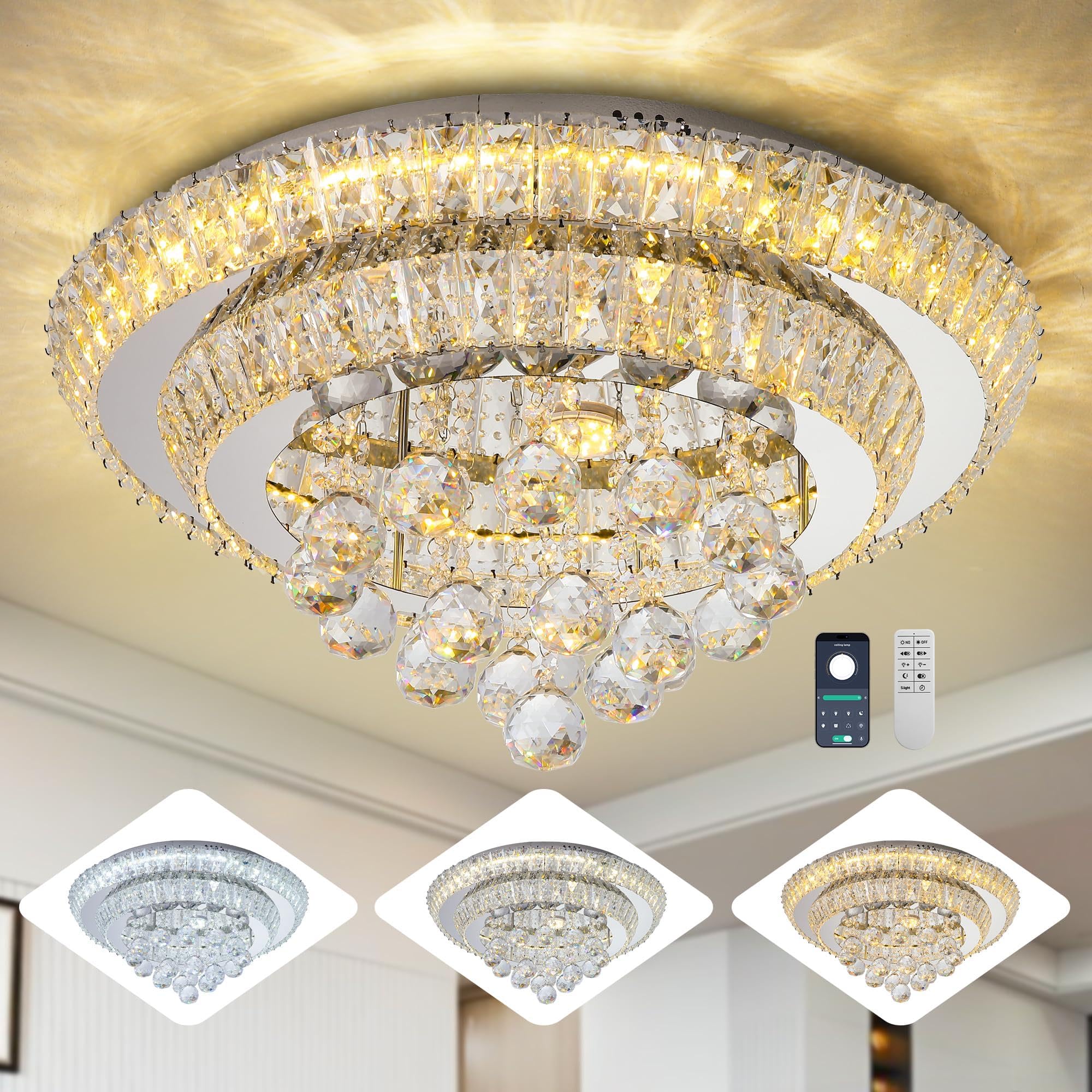


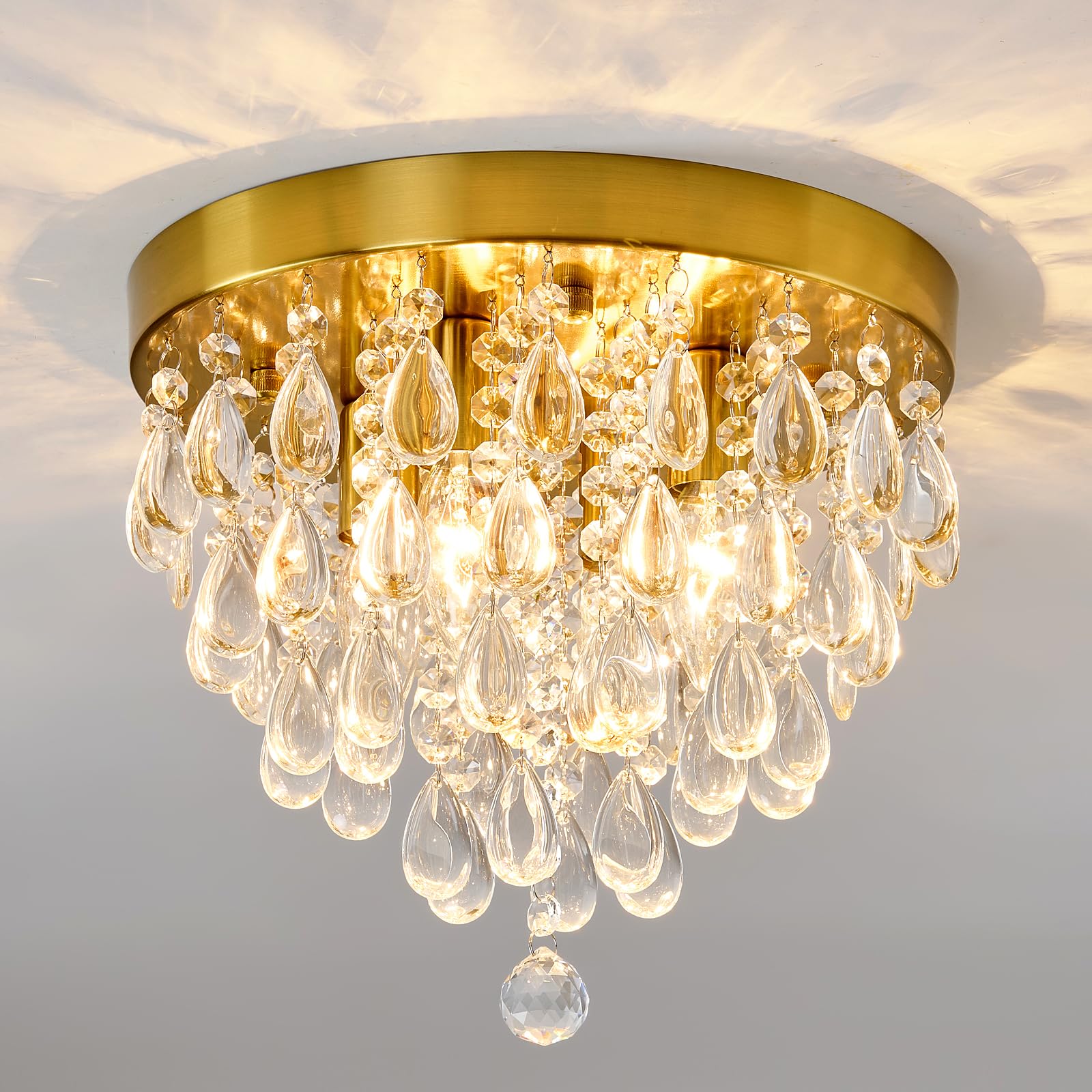
Who Should Buy Which Bathroom Chandelier?
Your ceiling height, your tub layout and how you use the mirror decide which style serves you. The three groups below cover the bathroom situations that change the right answer the most.
You Have a Large Primary Bathroom With a Soaking Tub
A centered fixture above a freestanding tub is the classic bathroom chandelier picture, and it works when the ceiling is high enough to keep the fixture clear of splashes and standing bathers. Choose a damp rated or wet rated design with sealed or easily wiped surfaces, since steam rises straight to it after every bath. A wider frame suits the visual weight of the tub, while a dimmer lets the same fixture shift from bright cleaning light to a calm soak.
You Have a Small Bathroom or a Low Ceiling
In a compact room, a hanging frame can crowd headroom and make the ceiling feel lower. Look for flush mount or semi flush designs that hug the ceiling and spread light across the whole room instead of pooling it in the center. Smaller diameters, frosted or enclosed shades and integrated LED panels keep glare down at close range. They also clear swinging doors and shower spray more easily.
You Do Most Grooming at the Bathroom Mirror
If you shave, style hair or apply cosmetics at the vanity, treat the chandelier as ambient light and plan separate light at the mirror. A central fixture behind you casts shadows on your face, no matter how bright it is. Pick a chandelier that fills the room evenly, then let sconces or a lighted mirror handle detail work. This group benefits most from a neutral color temperature and a dimmer.
Types Compared for Bathroom Use
Instead of naming specific models, this section compares the style families you will see for sale, judged on how each handles humidity, cleaning and light spread.
Compact Crystal and Glass Styles
Crystal and glass pieces shed water, wipe clean and keep their sparkle in steamy air, so they suit spots near a tub. Smaller bathroom versions use fewer tiers and shorter drops than foyer pieces. Glass shades can expose bulbs, so pair them with frosted bulbs or a dimmer to soften glare on tile and mirrors. Avoid designs with fabric shades or unsealed metal chains that trap moisture between the crystals.
Modern Enclosed Styles
Modern designs with enclosed globes, drums or flat panels protect bulbs and wiring from direct spray and dust. If this direction appeals to you, our guide to the best modern chandelier styles shows the shapes in detail, but filter every option for a bathroom rating first. Smooth metal and glass surfaces resist corrosion, and integrated LED versions remove the need to open the fixture for bulb changes in a humid room.
Farmhouse, Rustic and Natural Material Styles
Wood, rope and rattan bring warmth, but a steamy bathroom is the hardest room for porous materials, which can swell, fade or hold mildew. If you love this look, choose sealed metal frames painted to suggest wood, or keep natural materials in a large, well ventilated room far from the shower. Open cage frames in black or aged metal finishes give the same mood with surfaces you can wipe and inspect.
Key Features to Compare
Five factors decide whether a bathroom chandelier stays safe and useful. Our guide on how to choose a chandelier explains general sizing and style terms that also apply here.
Damp Location Rating and Placement Safety
Every bathroom fixture should carry a damp location rating at minimum, which means it tolerates moist air without damage. Fixtures that can be reached by shower spray or sit directly in a wet zone need a wet location rating instead. Listings from UL or ETL show the rating was checked by a testing lab. Keep any hanging fixture out of reach from the tub, follow local electrical code for clearances above water, and have a licensed electrician confirm the placement first.
Lumens and Color Temperature
Plan total light for the room, not just the fixture. Many bathrooms feel dim below about 1500 lumens of combined light and comfortable closer to 2000 to 3000 lumens when the chandelier works with vanity lights. A color temperature of 2700 to 3000 kelvin gives warm, relaxed light for baths, while 3500 to 4000 kelvin looks cleaner for grooming. Pick one temperature for all bulbs, since mixed temperatures make skin and paint colors look uneven.
Fixture Size and Placement
A useful starting point is to add the room length and width in feet, then look for a fixture about that number in inches across, then adjust down for small rooms. Leave at least 7 feet of clearance below the fixture where people walk. By contrast, a best chandelier for dining room is centered over a table, while a bathroom fixture must clear open floor and bathers.
Dimmable and Smart Options
A dimmer earns its place in a bathroom because the same room hosts bright morning routines and low light baths at night. Check that the fixture, its bulbs and your wall dimmer are listed as compatible, since a mismatch can cause flicker or buzzing. Smart bulbs and switches can add schedules and voice control, but keep a plain wall switch that works without an app. Avoid smart parts that are not rated for damp air, even when the fixture itself is.
Installation, Hardwired Versus Plug In
Most bathroom chandeliers are hardwired into a ceiling box that must be rated for the weight of the fixture. Steam, water and electricity make this the room where professional installation matters most, so read our guide on how to install a chandelier for the general sequence, then hire an electrician for the bathroom work itself. Plug in models avoid new wiring, but cords near water and outlets create their own hazards, and many are not rated for bathrooms at all.
How much should you spend? Simple damp rated styles cost under $100, and they suit small rooms and guest bathrooms. Mid range choices at about $100 to $250 usually add better finishes, sealed construction and dimmable LED light. At about $250 to $500 you gain larger frames, heavier glass and stronger warranties. Spending over $500 mostly buys scale and decoration, so pay it only when rating and size already fit.
What Matters Most in a Bathroom Chandelier
Moisture control matters more than decoration here. Run the exhaust fan during showers and for a while after, since trapped steam shortens the life of finishes, bulbs and wiring even on a rated fixture. A bathroom chandelier also cannot replace ventilation, task light at the mirror or safe lighting inside a shower stall. Treat it as the decorative ambient layer, not a substitute.
Placement relative to water is the second deciding point. Unlike the fixture in our guide to the best chandelier for bedroom, a bathroom piece hangs near tubs, showers and sinks, so its rating, height and distance from spray shape every other choice. If your layout forces the fixture into a wet zone and no wet rated style fits, change the layout or choose a rated flush light instead of forcing the look.
Common Mistakes to Avoid
Most bathroom chandelier problems come from treating the room like any other room. Watch for these errors before you buy.
- Choosing a fixture rated only for dry rooms, which invites corrosion and electrical failure as steam reaches the wiring.
- Hanging the fixture so low over the tub that a standing bather can reach it, which creates a shock risk.
- Relying on the chandelier alone for mirror tasks, which leaves your face in shadow during grooming.
- Picking fabric shades or unfinished wood, which absorb moisture and develop odors and mildew.
- Skipping the ceiling box weight check, which can let a heavy fixture loosen over time.
How to Make Your Bathroom Chandelier Last Longer
Dust and bathroom film dull glass and crystal faster than in dry rooms, so wipe shades and frames with a dry or slightly damp cloth often. Keep spray cleaners off the fixture itself, since residue can damage finishes and enter the sockets. Turn the power off at the breaker before any wipe down that reaches bulbs or wiring.
Inspect the fixture a few times a year for rust spots, loose crystals, cracked shades and flickering bulbs, and fix small issues before steam makes them worse. Replace failed bulbs promptly with the wattage and type the fixture label allows, and keep spare bulbs indoors in a dry cabinet. If you see corrosion on wires, water inside a shade or repeated breaker trips, stop using the fixture and call an electrician.
FAQ
What is the best chandelier for bathroom?
The strongest choice is a damp rated or wet rated fixture sized to the room, centered clear of spray, and bright enough to work with your vanity light. One point buyers often miss is the center of the layout: in many bathrooms the visual center is the tub, not the room, so measure from the tub position first. A modest rated fixture in the right spot beats a grand unrated one every time.
How long does a chandelier last?
The frame of a rated bathroom chandelier can serve for many years, while bulbs and LED drivers set the practical limit. Integrated LED models often run far longer than replaceable bulbs but require a new driver or fixture when the light fades. Early warning signs include sections that dim unevenly, a delay before the light starts and buzzing that was not there before. Address those signs early and the frame itself rarely needs replacement.
Is a chandelier worth it?
It is worth it when the room is large enough to keep the fixture clear of water and headroom, and when you value a finished look for baths and guests. It is harder to justify in a tiny room where a rated flush light gives the same brightness with fewer risks. Renters should get written permission first and keep the original fixture, since the chandelier and its wiring changes usually must be reversed at move out.
How do you clean a chandelier?
Turn the power off, let the bulbs cool and work from a stable step ladder rather than reaching from the tub edge. Photograph the arrangement if crystals hang in a pattern, then remove and wash removable pieces in warm water with a small amount of mild soap, dry them fully and refit them. Wipe fixed parts in place with a cloth that is barely damp. Never spray liquid directly onto sockets or wiring.
What is the most reliable chandelier brand?
No single brand earns that title for bathrooms, because reliability here follows the listing and construction more than the name. Look for a UL or ETL listing that states damp or wet use, a written warranty, sealed sockets and finishes made for humid rooms. Keep the listing paperwork and receipt, since warranty service usually requires proof of purchase.
Final Thoughts
A bathroom chandelier succeeds when its rating, size and placement respect the water and steam in the room, and its style gets chosen after those points are settled. Review the types and ratings in the product table above, measure your ceiling and tub layout once more, then order. Chosen that way, the best chandelier for bathroom lighting gives you a calm, finished room that stays safe through years of daily use.