Best Channel Locks for Every Need: How to Pick the Right One for 2026
Disclosure: We may earn a commission when you buy through links on this page, at no extra cost to you. As an Amazon Associate I earn from qualifying purchases. Learn more
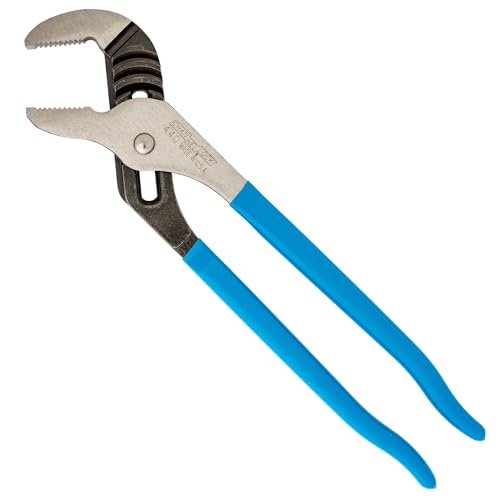
Channel locks for plumbing, repairs and workshop jobs: how to choose jaw size, steel quality, grip comfort and value.
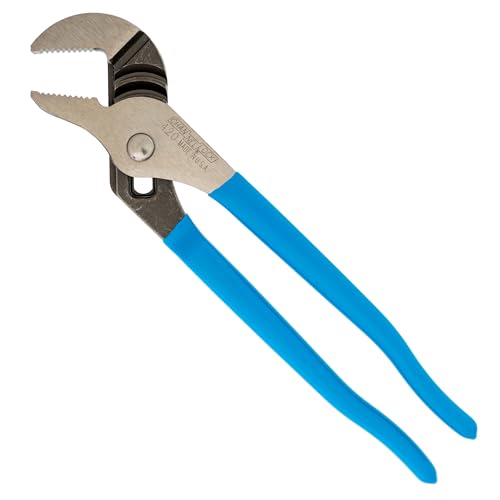
There is no single pair of pliers that suits every job, and that is the first thing to accept before you shop. Channel locks are tongue and groove pliers whose jaws move along a series of grooves, so one tool can grip small fittings and large pipe with the same handles. The best channel locks for you depend on the sizes you grip most, the force your hands can apply comfortably, and how often the tool will see real work.
This guide walks through sizes, jaw capacity, steel, teeth, grips, and warranty support in plain terms, with no product reviews to wade through. Start with the comparison table below, then use the sections that follow to match each listed feature to your own jobs.
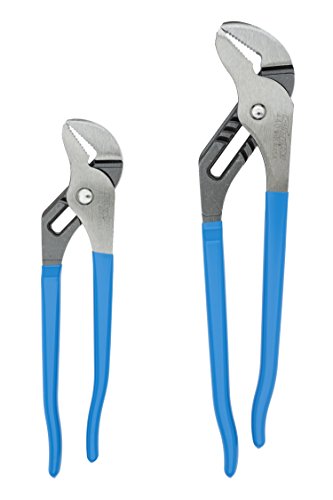

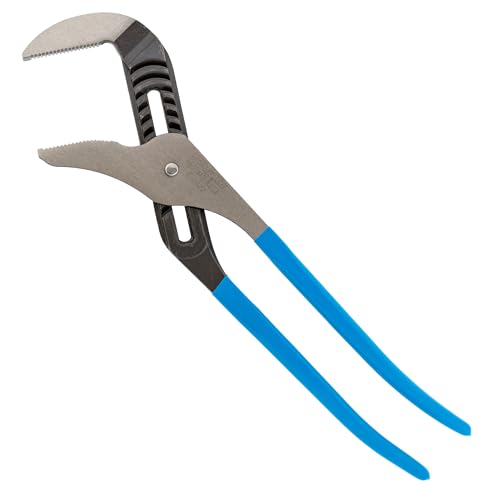

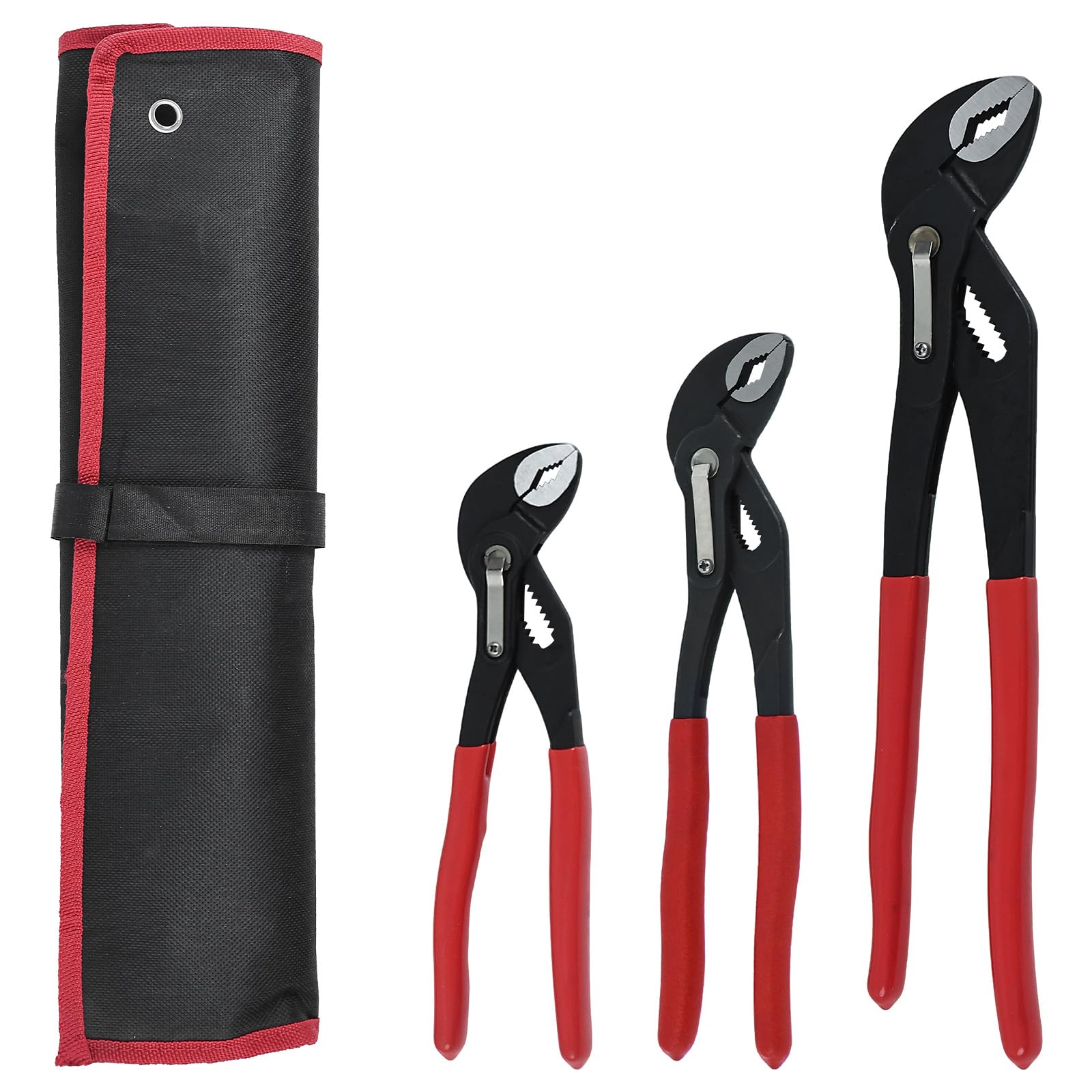
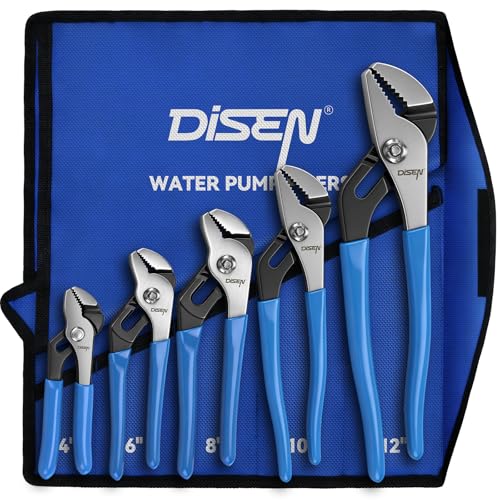


Who Should Buy Which Channel Locks?
Your budget, your experience, and the person you are buying for should all point toward slightly different choices. A homeowner who fixes one faucet a year needs durability without paying for professional grade steel, while a new buyer needs a size that feels manageable from the first use.
For Value Seekers
You want a tool that lasts for years of occasional repairs without paying for premium options you will never feel in use. Look in the middle of the price range, where forged steel, cleanly cut grooves, and a real warranty are common. Thin stamped metal, loose joints, and handles with sharp seams are the signs to walk away from, even when the price looks tempting. A single well made 10 inch pair usually delivers better value than a cheap set of three sizes that flex under load.
For First Time Buyers
Your first pair should be simple, forgiving, and easy to use, and the 10 inch size is the easiest place to start. It opens wide enough for most sink fittings and pump nuts, yet the handle span stays comfortable for average hands. Choose five or more adjustment positions so you can set the jaws close to parallel on each fitting, because a near parallel grip slips less and marks surfaces less.
For Gift Shoppers
A good pair of channel locks makes a practical gift for a new homeowner, a young renter, or anyone building a first real toolbox. Stick with the versatile 10 inch size, a finish that resists rust, and a brand with clear warranty support in case the recipient ever needs help. Compact options in the 8 inch size work well as a second tool in a kitchen drawer or car kit.
Key Features to Compare
Listings for the best channel locks tend to highlight jaw capacity and length, but the features that decide how a pair feels in daily use are less obvious. Groove machining, tooth shape, steel quality, and grip design all change how securely the tool holds and how tired your hand gets. Work through the four factors below, then check the product table above again with those points in mind.
Intended Use and Who It Is For
Start by naming your two or three most common jobs, because intended use decides almost everything else. Plumbing work on pipes, traps, and water heater fittings calls for wide jaw capacity and teeth that bite round stock without crushing soft brass. General repairs, farm tasks, and light automotive work favor a midsize pair with straight jaws that also close flat on nuts and bolts.
Price and Value
Budget pairs cost around $12 to $20 and suit rare, light jobs, but expect rougher groove machining and grips that wear sooner. The middle range, about $20 to $40, is where most buyers get the best balance of forged steel, hardened teeth, and warranty coverage. Premium options at about $40 to $70 add smoother adjustment, better finishes, and sometimes right angle teeth that grip with less hand force. Spend for the tier that matches your workload, not the tier with the longest feature list.
Build Quality and Materials
Most quality pairs are forged from chrome vanadium steel or a similar alloy, then heat treated so the teeth stay sharp and the jaws resist spreading under load. Run your eye along the grooves before you buy in a store, or study close photos online, because clean and even grooves let the joint lock without wobble. A small amount of side play at the joint is normal, while obvious rocking signals poor machining. Finishes range from polished steel to coated surfaces, and any finish works if you keep the tool dry and lightly oiled.
Safety and Certifications
Treat standard dipped or molded grips as comfort grips only, never as electrical insulation, unless the tool carries an explicit insulation rating printed by the maker. Keep fingertips behind the jaw line when you squeeze, because the joint area can pinch skin as the handles close. Wear eye protection when gripping springs, clips, or any part that could launch if it slips free. Formal certifications are uncommon for household pliers, so trust clear printed ratings, honest specifications, and documented warranty terms over vague badges on a listing.
Choosing the Right Size and Jaw Capacity
Size is listed as overall length, and length drives both jaw capacity and leverage. An 8 inch pair opens to about 1.5 inches and shines in tight spaces under sinks or inside appliance housings, where a longer handle would strike the cabinet walls. A 10 inch pair opens to about 2 inches and covers the widest range of home work, from faucet supply nuts to sump pump fittings. Pairs at 12 inches and 16 inches open to roughly 2.5 inches and 4 inches, giving the leverage that large pipe and stubborn fittings demand.
Measure the fittings you grip most often, then choose a capacity with room to spare, because jaws set at their widest groove rarely sit parallel and tend to slip. Also count the adjustment positions, since more positions mean a finer fit on each workpiece and less rounding of corners. If you can only buy one pair today, buy the 10 inch size and add a larger pair later when a specific job calls for it.
Common Mistakes to Avoid When Buying Channel Locks
- Buying on price alone and ending up with soft steel that spreads at the jaws after a few hard jobs.
- Choosing a size that is too small for your pipe fittings, which forces the jaws to slip and round the fitting.
- Using channel locks in place of a wrench on finished chrome fittings, which lets the teeth scar the surface.
- Ignoring handle span and buying a large pair your hand cannot close fully, which cuts your grip strength sharply.
- Skipping the warranty check and later finding that a worn or cracked pair has no support behind it.
- Assuming the grips are insulated for electrical work when the maker never rated them for that use.
Tips to Get the Most From Your Channel Lock
Read the manual before first use, even for a tool this simple, because makers note the rated capacity and the correct way to seat the joint. Always move the joint until the tongue sits fully inside a groove before you squeeze, since a partly seated joint can jump a groove under load. Set the jaws so the teeth meet the workpiece on both sides, then squeeze and turn in one steady motion rather than rocking the handles.
Clean and inspect the tool regularly, wiping grit out of the grooves and checking the teeth for flat or chipped spots. Work a drop of light oil into the joint, then open and close the handles a few times to spread it before you wipe off the excess. Store the pliers in a dry place, ideally in a toolbox or pouch rather than loose in a damp bucket or truck bed. Never use the handles as a hammer, never slip a pipe over them for extra leverage, and retire a pair whose jaws no longer meet evenly.
FAQs
Are expensive channel locks worth the extra cost?
Expensive channel locks are worth it when you use them weekly or work on large, stubborn fittings. Higher prices usually buy smoother groove machining, harder teeth, and grips that stay comfortable through long jobs. One point many buyers miss is parts support, since established makers are more likely to answer warranty claims years later. For a homeowner who fixes a faucet once a year, a solid mid range pair delivers nearly the same results.
How long does a channel lock last with regular use?
A channel lock can last for decades of home use when the steel is sound and the tool stays dry. Daily professional use shortens that life, mainly through tooth wear and growing play at the joint. Watch for teeth that look polished and smooth, because glazed teeth slip long before the tool looks worn out overall. Replacing a slipping pair early protects both your fittings and your knuckles.
How much should I spend on a channel lock?
Most home buyers should spend about $20 to $40 for a first pair that will not need replacing. That range covers forged steel, hardened teeth, and a warranty worth having. Before you stretch the budget, decide whether one 10 inch pair or a two size set serves you better, since a set on sale can cost less than two separate purchases. Rare and light use is the only case where a budget pair makes sense.
How do I maintain a channel lock so it stays smooth?
Basic care starts with wiping the tool dry after any plumbing job, since trapped moisture in the grooves starts rust quietly. Beyond the cleaning routine covered earlier, move the joint through every groove position as you oil it, not just the one you use most. That habit keeps each groove clean and reveals a damaged position before it fails under load. A pair that still feels gritty after oiling may need a soft brush along the grooves.
What features matter most when buying channel locks?
Jaw capacity, groove quality, and grip comfort matter most, in that order, for nearly every buyer. Capacity decides what the tool can hold, grooves decide how firmly it stays set, and grips decide how much force you can apply. One extra check is handle span in the position you will use most, because listings rarely highlight it. If the span feels too wide in a store, a smaller size will serve you better than a stronger grip you cannot use.
Final Thoughts
The right choice comes down to three checks you can make in minutes: match the jaw capacity to your most common fittings, confirm the grooves and teeth are cleanly made, and pick a handle size your hand can close with control. Compare your shortlist against the product table above before you order, and favor the pair with the clearest warranty terms when two options look alike.
Buy the size you will reach for weekly, care for it with a wipe down and a drop of oil, and it will repay you for years. Of all the advice in this guide, the simplest still holds true: the best channel locks are the ones sized and built for the work already waiting in your own home.