The Best Chalk Line on the Market: Buying Guide for 2026
Disclosure: We may earn a commission when you buy through links on this page, at no extra cost to you. As an Amazon Associate I earn from qualifying purchases. Learn more
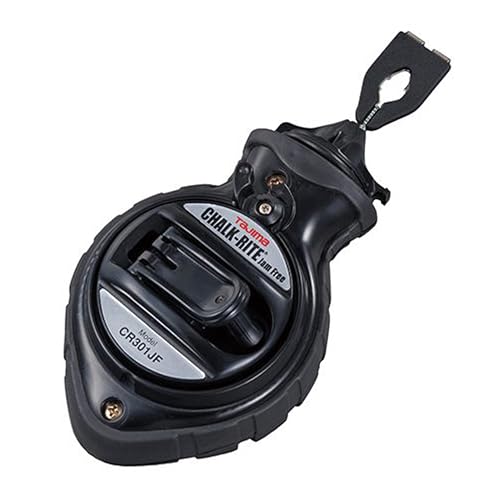
Learn how to choose a chalk line for straight layout marks. Compare line length, chalk type, reel build, and price tiers in this practical buying guide.
A chalk line is a simple tool with a simple job: it snaps a straight, visible line across a surface so you can cut, lay, or build along it. Carpenters, tilers, landscapers, and home improvers all rely on it, because a long straight edge is not always practical on a job site. The right reel feels good in the hand, holds enough line for your work, and leaves a mark you can actually see.
The best chalk line on the market for your work is the one that matches your line length, your surfaces, and your budget, not the one with the most features. The comparison table below gives you a quick overview of the main types, and the sections that follow explain how to judge each one before you buy.

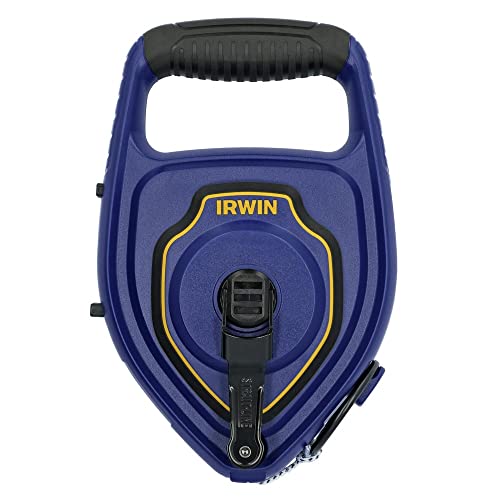


Spending Levels to Compare
Lower priced reels suit occasional home use, such as marking a single wall or a garden bed. They usually hold a shorter line and use lighter housings, but they snap a perfectly usable mark for short runs. If you only need a chalk line a few times a year, this level is often all you need, and it leaves money for chalk refills and other tools.
Middle priced reels suit regular home improvement and light trade work. They tend to offer longer lines, sturdier housings, and smoother rewind, which matters when you snap lines all day. Higher priced reels suit daily professional use, with the longest lines, the toughest housings, and the most reliable chalk flow. For most buyers, the middle level is the sweet spot, since it balances durability with a price that does not sting if the reel gets dropped on concrete.
How to Choose a Chalk Line: Buying Guide
Intended Use and Who It Is For
Start by thinking about what you will mark most often. A homeowner marking a fence line or a tile row needs a shorter line and a clear mark, while a framer laying out walls needs a longer line and a reel that survives a busy site. Landscapers working outdoors need chalk that shows up on soil and stone, while indoor workers need chalk that wipes off cleanly. Matching the reel to the job is more useful than buying the longest line on the shelf.
Line Length and Reel Capacity
Line length decides how far you can snap in one pull. Short reels of about 30 feet suit small rooms and short runs, while reels of 100 feet or more suit framing, roofing, and landscaping. A longer line is not always better, because a very long line can sag in the middle and give a less accurate mark. Choose the shortest length that covers your usual work, with a little spare for awkward pulls.
Chalk Type and Visibility
Chalk comes in several colors, and color choice is practical, not cosmetic. Blue chalk is the standard choice and wipes off most surfaces fairly easily. Red chalk is more visible and more permanent, which suits outdoor work where rain is a risk, but it can stain finished surfaces. White chalk suits dark surfaces, while fluorescent colors suit low light work, so check whether the reel accepts standard chalk refills, since a reel that needs a rare refill will cost you more over time.
Build Quality and Materials
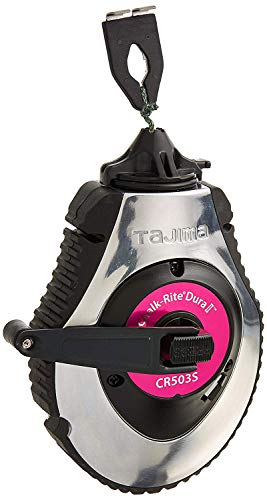
The housing protects the reel and the chalk, so it takes the most abuse. Metal housings resist drops and site wear, while sturdy plastic housings are lighter and cheaper. Look for a comfortable grip, a hook that holds firmly at the far end, and a crank that turns smoothly without wobbling. A reel that feels flimsy in the hand will usually feel worse after a few weeks on site, so weight and balance matter as much as looks.
Ease of Use and Refilling
A good chalk line should be easy to fill, easy to wind, and easy to snap. The chalk chamber should open without tools or with a simple twist, and the line should rewind without tangling. Some reels include a line lock or a gear ratio that speeds up rewinding, which saves time on long jobs. If you will refill often, a wide opening and a clear chalk level are small features that make a real difference.
Safety and Care Basics
Chalk lines are simple tools, but they still deserve care. Wear eye protection when snapping lines, since chalk dust can drift into your eyes, and keep small parts away from children. Store the reel in a dry place so the chalk does not clump, and wipe the housing clean after outdoor work. Follow the maker guidance on the label, and replace a frayed line before it snaps mid pull and ruins a mark.
Types of Chalk Lines
Lower Priced Options
Lower priced reels are light, simple, and easy to find. They suit occasional marking and short lines, and they are a sensible choice if you are learning to use a chalk line for the first time. Their housings may wear faster, but for light use that is rarely a problem.
Middle Priced Options
Middle priced reels offer a better balance of line length, housing strength, and smooth rewinding. They suit regular home improvement and light trade work, and they are often the best value for a buyer who uses a chalk line weekly. If you want one reel to cover most jobs, start here.
Compact Options
Compact reels are smaller and lighter, which suits tight spaces, tool belts, and quick indoor marks. They usually hold less line, so they are not ideal for long outdoor runs. For a second reel that lives in a pocket or a small toolbox, compact size is a genuine advantage.
Higher Priced Options
Higher priced reels are built for daily professional use, with long lines, tough housings, and reliable chalk delivery. They cost more up front, but they can save time and frustration on large jobs. A professional who snaps lines every day will notice the difference in rewind speed and durability.
Setup and Care Tips
- Read the manual before first use, so you know how to fill the chamber and lock the line correctly.
- Fill the chamber with the right chalk color for your surface, and do not overfill it, since excess chalk can clog the reel.
- Clean and inspect the line regularly, and replace it when it frays or starts to leave a faint mark.
- Store the reel in a dry place, away from damp sheds and open weather, so the chalk stays free flowing.
- Register the product for warranty if the maker offers it, and keep the receipt in case the reel fails early.
If you are comparing related layout tools, you may also want to look at our guide to the best chalk lines, which covers the broader range of reels and line styles in more detail. That guide is useful if you are still deciding between a compact reel and a full size reel for your usual work.
FAQs
How do I maintain a chalk line?
Maintain a chalk line by keeping it clean, dry, and filled with fresh chalk. After use, wipe the housing, check the line for fraying, and store the reel in a dry place so the chalk does not clump. Refill the chamber before it runs empty, since a low chamber gives a faint mark that is hard to follow. If the line starts to tangle on rewind, pull it fully out, check for knots, and rewind it slowly, since a few minutes of care after each job will keep the reel snapping clean lines for years.
Are expensive chalk lines worth it?
Expensive chalk lines are worth it if you use one daily or need a very long line for professional layout work. The extra cost usually buys a tougher housing, a longer line, and a smoother rewind, all of which save time on large jobs. For occasional home use, a lower priced reel will mark just as straight a line on short runs. The right question is not whether the expensive reel is better in general, but whether you will use its extra durability often enough to justify the price.
How much should I spend on a chalk line?
Most buyers can spend about $10 to $30 for a solid reel for home and light trade work. Lower priced reels below that range suit occasional use, while higher priced reels above that range suit daily professional work. Chalk refills are inexpensive, so the running cost is low whatever reel you choose. Start with a middle priced reel if you are unsure, since it covers the widest range of jobs without overspending.
What features matter most when buying a chalk line?
The features that matter most are line length, chalk visibility, housing strength, and ease of rewinding. Line length must cover your usual runs without sagging, chalk color must show up on your surfaces, and the housing must survive drops and site wear. Ease of rewinding matters more than it sounds, because a reel that tangles wastes time on every mark. A comfortable grip and a firm end hook are also worth checking, since they affect accuracy on every snap.
How long does a chalk line last?
A chalk line can last for years with basic care, though the line itself is a consumable that will need replacing. The housing usually fails first if it is dropped repeatedly or stored wet, while the line wears from friction and outdoor use. Replacing the line is simple on most reels and far cheaper than replacing the whole tool. If the crank wobbles, the hook no longer holds, or the chalk chamber cracks, it is time to replace the reel rather than keep patching it.
Final Thoughts
Choosing a chalk line comes down to three decisions: how far you need to snap, what surfaces you need to mark, and how often you will use the reel. Get those three right, and the rest is detail. A middle priced reel with a line length that covers your usual work and a chalk color that shows up clearly will serve most buyers well. The best chalk line on the market for you is the one you reach for without thinking twice, so use the product table above to compare types, then pick the reel that fits your jobs and your budget.