
Best Chinese Tablets under 100: Types Compared and How to Choose for 2026
Disclosure: We may earn a commission when you buy through links on this page, at no extra cost to you. As an Amazon Associate I earn from qualifying purchases. Learn more

Compare the best chinese tablets under 100 by type, ideal user, and trade offs, and pick a simple second screen with realistic expectations.
At this price, the options blur together fast: small Android tablets, larger media tablets, kids models, and a few basic models with a keyboard case in the box. This guide compares each type clearly so you can see what the best chinese tablets under 100 can and cannot do before you spend anything. Once you know which type fits your day, the comparison table below becomes much easier to read.
The honest starting point is that under $100 buys a simple, useful second screen rather than a main computer. Set that expectation first, and the right choice usually becomes obvious.

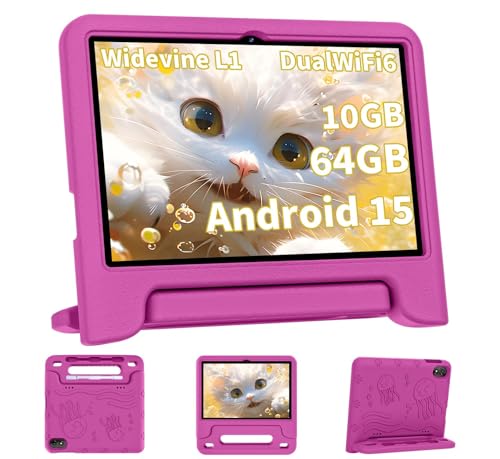
How Chinese Tablets Compare to Other Options
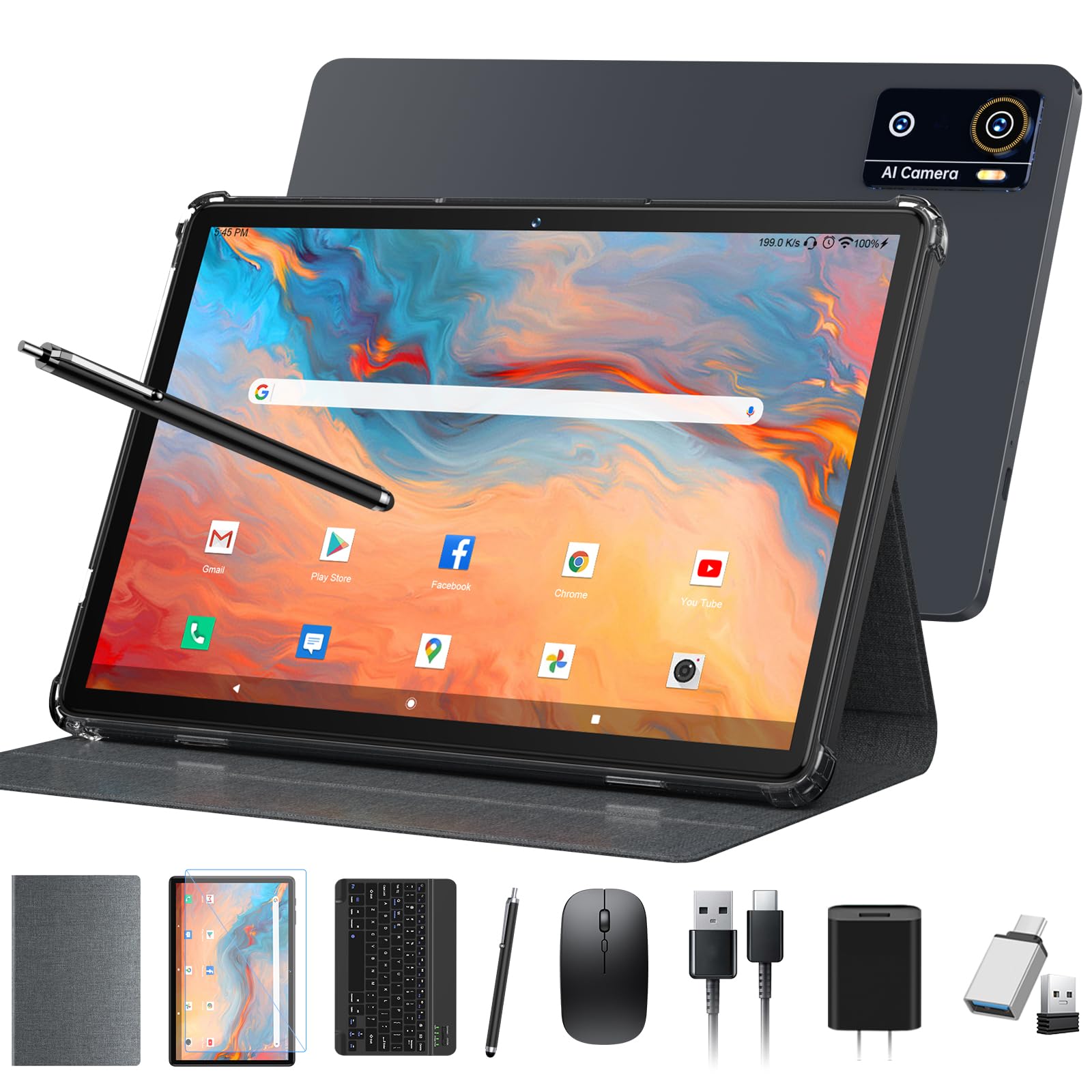
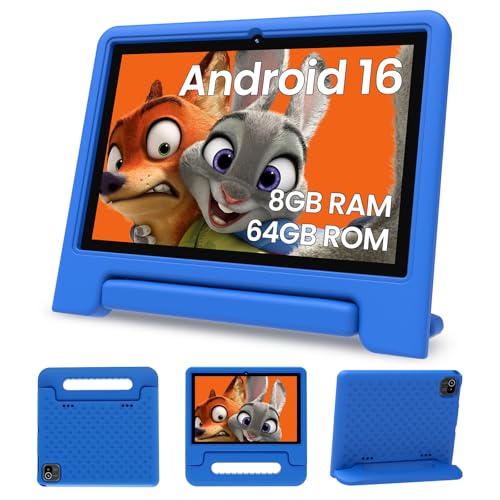
Think of the types this way. A basic Chinese tablet under $100, usually priced around $60 to $100, suits video, reading, browsing, and light apps, with modest speed and a simple screen. A tablet with a bundled keyboard adds easier typing for notes and email at a similar price. A kids tablet trades raw speed for a tough case and parental controls. Each type below is compared with the bigger devices people often consider instead, so you can see when the small tablet wins and when it does not.
Chinese Tablets vs Gaming Laptops
A gaming laptop gives you a large screen, a full keyboard, and far more power for games and heavy software, but it costs many times more and needs a desk and a charger nearby. A Chinese tablet under $100 gives you instant on convenience, long battery life for video, and a device you can hold on a sofa or hand to a child. Choose the tablet for streaming, reading, video calls, and casual games. Choose the gaming laptop only if demanding games or serious work are the main job, because no tablet at this price can do that work well.
Chinese Tablets vs Chromebooks
A Chromebook runs a browser based system with a real keyboard, which makes it better for school essays, long email, and web apps that need a mouse. A tablet is lighter, starts faster, and works better for touch apps, ebooks, and video in bed or on a train. If your child must type assignments every day, a Chromebook is the safer tool. If the device is mainly for watching, reading, and light learning apps, the tablet is simpler and cheaper. Our guide to the best tablets under 100 compares this price band across all brands if you want the wider view.
Chinese Tablets vs Ultraportables
An ultraportable laptop is a thin, premium machine built for full time work, with a strong processor, lots of memory, and a price that often starts around $700 or more. A budget Chinese tablet covers a narrow set of jobs at a fraction of that cost. The trade is clear: you give up speed, storage, and multitasking, and you gain a light device that nobody worries much about tossing in a bag. Buy the tablet as a companion screen or a family device, not as a replacement for the computer you earn your living on.
Who Should Choose Chinese Tablets?
The best fit is a viewer, reader, or casual user who wants a bigger screen than a phone for video, recipes, video calls, and simple games. Parents often choose one as a first device for a child because the low price limits the pain if it gets dropped or lost. Travelers like a cheap tablet for flights and hotel streaming instead of risking an expensive device. Students can use one for reading and notes, but anyone who types long papers, edits large files, or runs demanding software should choose a laptop or Chromebook instead. If your budget is fixed in dollars rather than by brand, the guide to the best tablets under 100 dollars lays out the same price band in a slightly different way.
How to Choose the Right Chinese Tablet
RAM and Storage
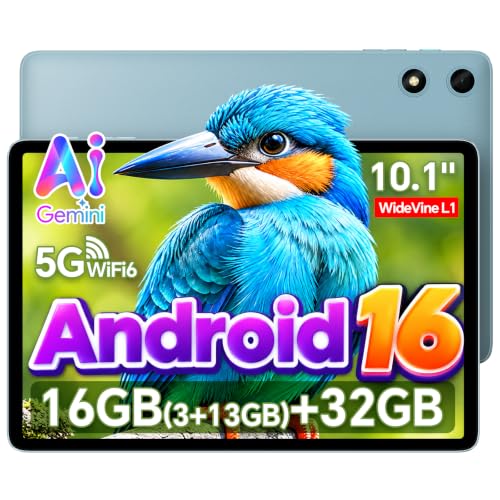
Memory decides how smooth the tablet feels day to day. Look for at least 4 GB of RAM at this price, and be careful with listings that advertise large virtual or expanded memory numbers, because that is storage borrowed as memory and it is much slower. For storage, 64 GB is a sensible minimum if you download video or games, and a microSD card slot adds cheap room for media. Avoid 32 GB models unless the tablet is only for streaming, because system files eat much of that space before you install a single app.
Battery Life in Real World Use
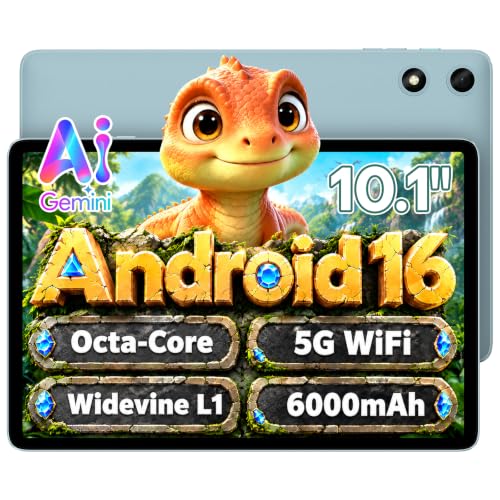
Advertised battery hours assume low brightness and light use, so expect less in real life. A tablet in this class usually gives about 6 to 9 hours of video at moderate brightness, and much less for gaming. A larger battery number in milliamp hours helps, but screen size matters too, since a 10 inch display draws more power than an 8 inch one. USB C charging is worth choosing because it lets you share cables with your phone and top up from a common power bank while you travel.
Processor and Performance Tier
The processor sets the ceiling for everything else. At under $100 you get an entry level chip that handles one app at a time well: streaming, browsing, ebooks, and light games run fine, while heavy 3D games and big spreadsheets will stutter. Ignore laptop style advice about premium chips here, because none of them appear at this price. What matters is that the chip is a recent entry level model rather than a very old one, since newer chips bring better video decoding, which makes streaming smoother and saves battery at the same time.
Display Size, Resolution, and Brightness
An 8 inch screen suits reading and one handed holding, while a 10 inch screen makes video and split view browsing far more pleasant. Resolution matters more than size alone. Look for at least 1280 by 800 pixels, and prefer 1920 by 1200 if you find it near $100, because text and video look noticeably sharper. Brightness around 300 nits works indoors, but the screen will look washed out in bright sunlight. An IPS panel is a good sign at this price because it keeps colors steady when you tilt the tablet.
What You Can Realistically Get Under $100
Under $100, expect a plastic body, a good enough screen for video, basic cameras that are fine for video calls and poor for photos, and speakers that sound thin at high volume. You will not get fast charging, a fingerprint reader, or years of major software updates. Do not save money on the screen or on storage, because you look at the screen every minute and storage fills fast. Do save by skipping extras such as a bundled stylus you will never use. Shoppers who want the Android app store and a familiar phone like setup can compare the best android tablets under 100 for that narrower view.
How to Make Your Chinese Tablet Last Longer
Keep the operating system and firmware updated, because updates patch security holes and often fix early battery and WiFi bugs on budget models. Avoid running at 100 percent charge all the time if the tablet lives plugged in on a counter, since holding a full charge for months slowly wears the battery. Use a padded sleeve when commuting, and add a simple case and screen protector at home, because a cracked screen on a cheap tablet usually costs more to repair than the tablet is worth.
Frequently Asked Questions
Can you get a good chinese tablet under $100?
Yes, you can get a good one if good means reliable video, browsing, reading, and video calls rather than speed. Pick a recent model with 4 GB of RAM, 64 GB of storage, and a 10 inch IPS screen, and it will feel pleasant every day. The moment your needs grow to heavy games or work files, the same tablet will feel slow, so match it to simple jobs from the start.
How long should a chinese tablet last?
A budget tablet should last about two to three years of regular use before the battery weakens or apps outgrow its hardware. Software support is the usual limit, because many low cost models receive few major updates. You can stretch its life by keeping storage at least a quarter empty, which keeps the system responsive, and by replacing the battery hungry apps you no longer use.
How much RAM do I need?
You need at least 4 GB of RAM for smooth everyday use at this price. With 3 GB or less, apps reload often and switching between video and a browser feels sluggish. More RAM, such as 6 GB, helps if you keep many tabs open, but it cannot rescue a very old processor. Spend on a balanced model rather than chasing the biggest memory number in a listing headline.
Is a Chromebook enough for school?
A Chromebook is enough for most school work, and for typed assignments it is usually better than a tablet because of its keyboard and trackpad. Tablets win for younger children who learn through touch apps and for reading on the sofa. Many families end up with the Chromebook as the homework machine and the cheap tablet as the reading and video device, which is a sensible split at this budget.
Should I buy a laptop or a tablet?
Buy a tablet if your main jobs are watching, reading, browsing, and video calls, and you value low cost and easy carrying. Buy a laptop if you type a lot, manage files, or need desktop software. A useful test is to list your three most common tasks. If two of them need a keyboard for more than a few minutes at a time, the laptop is the right answer.
Is a dedicated GPU worth it?
No, a dedicated GPU is not part of this decision, because tablets use graphics built into their main processor and laptops with separate graphics cost far more. The integrated graphics in a budget tablet handle streaming and casual games fine. If gaming power truly matters to you, that is a sign to step up to a console or a gaming laptop rather than to search for a stronger tablet under $100. Drawing focused buyers have a different need, and the guide to the best graphics tablets under 100 covers pen input devices instead.
The Bottom Line
Choose by type first, then check three things: at least 4 GB of RAM, 64 GB of storage, and a screen you will enjoy looking at. Keep expectations honest about speed and updates, and a tablet at this price becomes a genuinely useful second screen. Scan the product table above with those points in mind, and the best chinese tablets under 100 for your home will be easy to spot. If a phone would serve the same small jobs, our guide to the best chinese smartphones under 100 is worth a quick look too.


