Best Chinese Projectors by Budget: Smart Picks for 2026
Disclosure: We may earn a commission when you buy through links on this page, at no extra cost to you. As an Amazon Associate I earn from qualifying purchases. Learn more

Compare the best chinese projectors by budget and learn what brightness, resolution, and smart features you get at each price level before you buy.
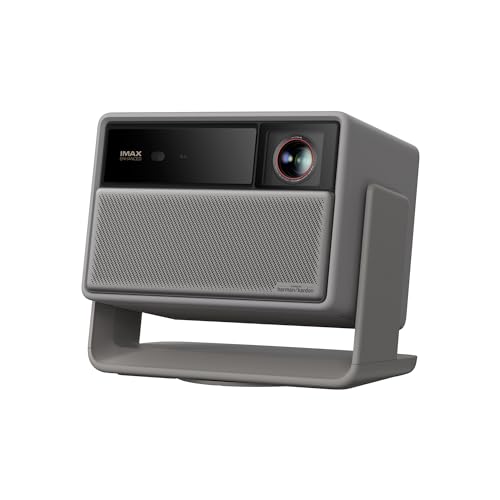
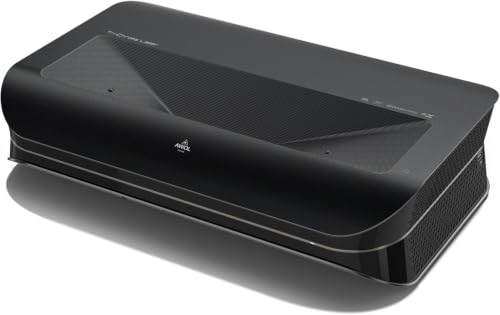
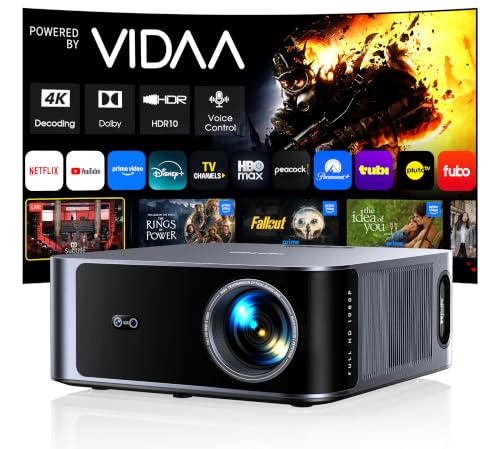
Chinese brands now sell projectors at almost every price, from tiny models that cost less than a family dinner out to laser models built for a dedicated movie room. That wide range makes value hard to judge, because a low price can hide weak brightness while a high price can pay for features you will never use. Choosing the best chinese projectors for your home starts with your room, your screen size, and the content you watch most. The comparison table below gathers the key specs in one place.
This guide walks through what each budget level delivers, which features change the picture in everyday use, and which extras you can safely skip.





How to Choose by Budget Without Paying for the Wrong Things
Budget helps only after you know what the projector has to do in your space. A model that looks perfect on a listing can fail on throw distance or wash out in a bright room.
Start With Your Room and Screen Size
Measure the distance from the screen to the spot where the projector will sit, then compare that distance with the throw ratio in the listing. Most living room setups land between 80 and 120 inches of image, and a standard throw model needs the full depth of the room to reach the larger end of that range. Short throw models fill a big image from a few feet away, which suits apartments and bedrooms. If space is your main limit, see our guide to the best small projectors for compact models that cover the basics well.
Match Brightness and Resolution to Your Main Use
Look for brightness quoted in ANSI lumens, the standardized measure that lets you compare brands fairly, and ignore the much larger light source numbers many listings lead with. Native resolution is the sharpness the projector actually displays, while supported resolution only means it can accept a higher signal and scale it down, so a model that accepts 4K but displays at 1080p never shows true 4K detail. A dark room can work with a few hundred ANSI lumens, while a lit room needs far more. If most viewing will happen in the yard, see our guide to the best projectors for outside for outdoor brightness and battery points.
Decide How Portable the Projector Needs to Be
A projector that moves between rooms benefits from auto focus and auto keystone correction, because you will set it up again every time and manual adjustment gets old fast, while built in batteries add weight and usually run for only one full movie. For travel and camping, see our guide to the best pocket projectors for models small enough for a daypack pouch. One step smaller still, see our guide to the best pico projectors for a casual image on a tent wall or a bedroom ceiling. Treat those smallest classes as second projectors, since their brightness suits dark spaces only.
What Your Money Gets You at Each Price Tier
The product table above shows how wide the price spread runs, and the tiers below explain what that spread buys in practice. Prices on Amazon move often, so treat these ranges as guideposts rather than fixed lines.
Budget Tier: What to Expect Under About $150
Projectors at around $60 to $150 cover casual use well when your expectations match the price. Expect native resolution of 720p or, on better models, 1080p, modest ANSI brightness that needs a dark room, and manual focus with basic keystone correction. Built in speakers are small and fans are easy to hear during quiet scenes.
Midrange Tier: Where Most Buyers Find the Balance
Models at about $150 to $400 are where daily usability improves the most per dollar. Native 1080p becomes the norm, ANSI brightness climbs enough for rooms with some ambient light, and auto focus with auto keystone correction makes setup take seconds. Fans usually run quieter and WiFi streaming is more stable. If you watch several nights a week, this is the tier where value brands most often shine.
Premium Tier: When Spending More Pays Off
Premium models cost around $400 and some laser models cost around $1000. That money buys laser light sources, much higher brightness, and HDR support with better tone mapping, plus gaming modes that cut input lag to levels console players can accept. If picture accuracy tops your list, see our guide to the best quality projectors to see how premium Chinese models compare with established brands on image quality alone.
Features Worth Paying For and Features You Can Skip
Listings for the best chinese projectors run long, and many headline features matter far less than the basics covered above. Spend on the ones that change what you see and hear, and skip the rest.
Connectivity and Ports
Two HDMI ports are worth paying for if you own a game console and a streaming stick or a disc player, because swapping cables behind a mounted projector is nobody's favorite task. An HDMI port with eARC support lets the projector send full quality sound to a soundbar through the same cable that carries video back, and a standard audio out jack covers wired headphones.
Light Source and Display Technology
Most models in this market use LED or laser light with either LCD or DLP imaging. Single chip DLP designs tend to look sharp and compact, yet some viewers notice brief rainbow flashes of color in high contrast scenes, a quirk worth knowing before a family member discovers it mid movie. LCD designs avoid that effect and often show strong color at low prices, though dust can reach the panels on models without a sealed engine.
Refresh Rate, Response Time, and Input Lag for Gaming
For projectors, input lag matters more to gamers than the refresh rate and response time figures borrowed from gaming displays. Most models refresh at 60 Hz, which matches consoles and streaming content well, and only a few premium models handle higher rates over HDMI. What you feel in play is the delay between pressing a button and seeing the result, and a dedicated game mode lowers it by turning off extra image processing.
HDR and Brightness
HDR support on a projector means it can read HDR10 or similar signals and map them to its own brightness range, not that it can match the punch of a good television. Extra ANSI brightness helps HDR more than any format badge does, because headroom lets highlights stay bright while shadow detail holds.
Sound and the Smart Platform
Built in sound ranges from a small mono speaker that barely covers dialogue to stereo speakers that fill a bedroom without help, so value clarity at normal volume over loudness claims. The smart platform deserves equal care, since many low cost models run a generic version of Android whose app store misses major services or streams them at low resolution. A licensed, up to date platform, or a cheap streaming stick in a spare HDMI port, avoids buying a big screen that cannot play your shows.
Long Term Costs to Factor In
The purchase price is only part of what a projector costs over its life. A basic screen, a mount or stand, longer HDMI cables, and an external speaker can add about $50 to $200 to a first setup.
Warranty handling is the cost buyers overlook most with value brands, so check who handles claims in the United States, how long coverage lasts, and whether you pay shipping to a service center. A listing with clear warranty terms and an easy return window protects you far more than a small discount from an unclear seller.
How to Make Your Chinese Projector Last Longer
Heat and dust end more projectors early than worn out light sources do. Leave open space around the vents, keep the unit out of enclosed cabinets unless the cabinet has active airflow, and let the fan finish its cool down cycle before you unplug or pack the projector away.
Clean the lens only with a soft microfiber cloth and a light touch, because coatings scratch easily and every scratch scatters light across the image. Store a portable model in a padded case rather than a loose bag, keep it away from kitchen smoke and heavy humidity, and install firmware updates from the maker so fixes for fan behavior reach your unit.
Common Mistakes to Avoid
Most disappointments with value projectors trace back to a handful of buying errors rather than to the hardware itself.
- Trusting the largest lumen number on the listing instead of ANSI lumens leaves you with a picture that washes out under normal room light.
- Reading supported 4K input as native 4K resolution leaves you with a softer image than the headline led you to expect.
- Placing the projector far off center and leaning on heavy keystone correction leaves you with blurred edges and lost display resolution.
- Ignoring fan noise ratings for a bedroom setup leaves you straining to hear quiet dialogue over a constant whir.
- Skipping the throw distance check leaves you with an image that overflows your wall or shrinks into a bright rectangle.
- Counting on built in apps without verifying your main streaming service leaves you adding a streaming stick you never budgeted for.
Chinese Projectors: Your Questions Answered
Does refresh rate matter for a Chinese projector if you do not game?
Refresh rate matters very little for a Chinese projector used only for films and shows. Movies are filmed at 24 frames per second and television at rates a standard 60 Hz panel handles smoothly, so a higher rate adds nothing you can see. If your model offers motion smoothing, try it off first, since it can give films an artificial video look.
What image size should you choose for a Chinese projector in your room?
Choose an image size for your Chinese projector that keeps individual pixels invisible from your seat while still feeling larger than a television. For 1080p models, sitting at a distance of about one and a half times the screen width keeps the picture smooth, which suits an image of 80 to 100 inches in a typical room.
Is DLP or LCD better for a Chinese projector?
Neither DLP nor LCD is better for every Chinese projector buyer, because each design trades one strength for another. DLP models usually deliver crisp motion and a compact body, while LCD models avoid rainbow artifacts and often cost less at the same resolution. Note whether anyone in your household is sensitive to rainbow flashes, since that single factor rules DLP in or out faster than any spec sheet can.
Is 4K worth it on a Chinese projector?
4K is worth it on a Chinese projector when your screen is large, your seat is close, and your source content is actually 4K. On a screen under 100 inches viewed from across the room, a good native 1080p model with strong brightness often looks just as satisfying and costs far less. Streaming in 4K also asks more of your internet connection and your data plan, a running cost that 1080p viewing avoids.
How long do Chinese projectors last?
Chinese projectors with LED or laser light sources are commonly rated for tens of thousands of hours, far beyond the lamp life of older designs. In practice, the parts that age first are usually the cooling fan, the internal battery on portable models, and the smart platform as apps stop supporting older software. Planning to use a streaming stick later in the projector life keeps an older unit useful for years.
Final Thoughts
Good value in this market comes from matching three things to your room: honest ANSI brightness, true native resolution, and a throw distance that fits your space without heavy correction.
Set a tier that fits your habits, pay for the features you will use weekly, and keep total cost in view, including the screen, mount, and sound you may still need. Chosen that way, the best chinese projectors give you a screen far larger than any television at the same price. Start with the product table above, narrow your list to two or three models, and check warranty terms before you order.