
Best Chinese Made Tablets: Matching the Right Model to Your Routine for 2026
Disclosure: We may earn a commission when you buy through links on this page, at no extra cost to you. As an Amazon Associate I earn from qualifying purchases. Learn more
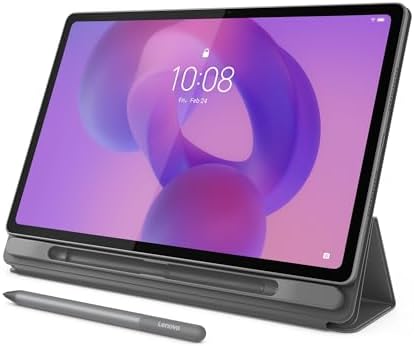
Discover the best chinese made tablets for your needs. We match features to real use cases so you avoid overpaying and get the right fit the first time.
There is no single tablet that suits every person, because a tablet for video calls, notes, and drawing needs a different screen, chip, and battery than one for games or travel reading. Shoppers looking for best chinese made tablets often face long spec sheets, unclear software support, and prices that look similar while hiding big differences in update policy and warranty help.
This guide works from your routine first. You will match user types to features, learn how to judge performance for tablets rather than laptops, and use the comparison table below as a shortlist tool once you know which screen size, storage, and accessories matter most to you.

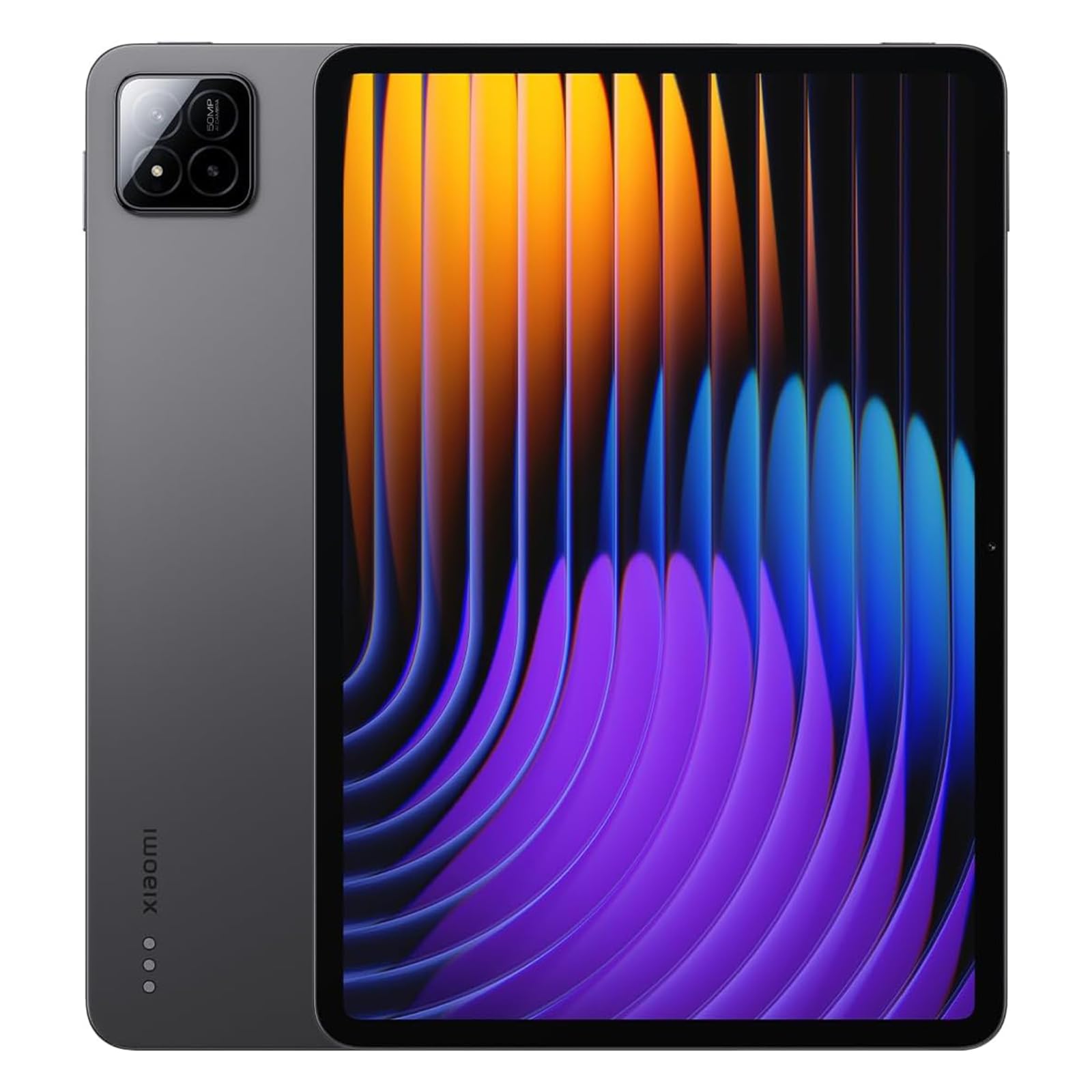


Who Should Buy Which Chinese Made Tablets?
For Remote Workers and Creators
If you join calls all day, present from a tablet, or edit photos and short video, prioritize a bright display with accurate color, a clear front camera, and microphones that pick up your voice in a normal room. Look for USB C video output or easy casting, a keyboard case with a stable hinge, and at least 8 GB of RAM so apps stay open when you switch between mail, documents, and a browser. A stylus with palm rejection helps for markup, but only if the tablet supports an active pen rather than a simple capacitive tip.
For Students and Everyday Users
Students need steady performance for reading, notes, learning apps, and streaming more than raw speed. A 10 to 11 inch screen is easier to carry and still large enough for split screen notes. Choose 128 GB of storage or more if you download lectures and books for offline use, and favor models that promise several years of security updates. Good battery life matters more than a very thin body, because a tablet that dies before the last class creates more trouble than a few extra grams in a bag.
For Gamers and Power Users
Games and demanding apps need a capable processor, enough RAM, and a display with a 90 Hz or 120 Hz refresh rate for smoother motion. Check whether the games you play list Android tablet support and whether storage can hold large game files without constant deleting. Heat control matters too. A tablet that slows down after fifteen minutes of play will feel worse than a slightly slower model that holds steady speed. Stereo speakers placed on both short sides improve sound when you hold the tablet in landscape view.
Families sharing one device should also think about user profiles, parental controls, and a case that survives drops on hard floors. A cheap tablet shared by children needs strong glass protection options and simple storage expansion more than a premium metal body. If you are choosing between tablet formats and a Windows style device, see our guide to the best pc tablets for how keyboard first designs differ from app first tablets.
Key Features to Compare
Graphics Performance for Games and Video
Tablets do not use separate graphics cards the way some laptops do, so graphics power is built into the main chip. For casual games, web video, and photo edits, a modern mid tier chip is plenty. For fast action games, 3D drawing, or editing high resolution video, look for a chip family known for stronger graphics and check game settings guidance from the app maker. A high refresh rate screen only helps if the chip can deliver enough frames, so judge the display and processor together rather than chasing the refresh rate number alone.
Processor and Performance Tier
Processor names can be confusing, so translate them into tasks. Basic browsing, mail, ebooks, and video need only a modest chip with 4 to 6 GB of RAM. Note taking plus multitasking and light creative work feel better with 8 GB. Heavy gaming, large spreadsheets, and video editing benefit from the strongest tablet chips and 12 GB or more on some models. Storage speed also shapes daily feel. A tablet that opens apps slowly despite a decent chip may use slower storage, so reviews of load times in normal language can help, even without lab tools.
Ports and Connectivity
Most current models charge through USB C, and that same port may handle data, audio, and video output, but support varies by model. Confirm video output if you plan to connect a monitor, and check whether a hub is needed for a mouse, drive, and charger at once. WiFi 6 or newer gives steadier speed on busy home networks, while Bluetooth 5 or later improves headphone and keyboard pairing. If you travel often, a cellular option may be worth the extra cost, but confirm band support for your carrier and country before you buy.
Battery Life in Real World Use
Battery claims depend on brightness, apps, and network use, so think in routines rather than headline hours. Video playback at moderate brightness uses less power than gaming or video calls with the camera and screen at full brightness. A battery around 7000 to 10000 mAh is common in mid size tablets, but efficiency matters as much as size. Fast charging through USB C is useful when it restores a large share of charge in about half an hour, yet you should confirm the charger in the box, since some models ship with only a cable.
Weight and Portability
An 8 inch tablet can weigh under 350 grams and suits reading and travel, while 11 inch models often sit near 470 to 550 grams and balance screen space with comfort. Larger 12 to 13 inch tablets are better on a desk than in one hand. Add the weight of a keyboard case before you decide, because the full kit may approach a small laptop. If you read in bed or hold the tablet during a commute, lighter is usually better. If you draw or watch films on a table, extra screen space may win.
Software support links all of these choices together. A tablet with strong hardware but only one year of updates can become a poor value for school or work. Readers comparing country of origin options more broadly can also see our guide to the best chinese tablets for a wider view of brands and price bands.
Common Mistakes to Avoid When Buying Chinese Made Tablets
- Choosing by price alone and ignoring how many years of security updates the maker promises in writing.
- Buying too little storage because photos, offline video, and games grow faster than most people expect.
- Assuming every USB C port supports video output, fast data transfer, or the pen you already own.
- Skipping warranty and return terms, especially for imported models sold by a third party seller.
- Picking a very large screen for travel, then leaving it at home because the case and charger make it bulky.
Tips to Get the Most From Your Chinese Made Tablet
Keep the operating system and firmware updated, and turn on automatic security updates so fixes arrive without effort. Avoid leaving the tablet at a full charge in a hot car or in direct sun, since heat stresses the battery. Use a padded sleeve when commuting and a stand at home so you are not gripping the device for hours. One habit is to set up storage alerts and cloud backup for photos and notes during the first week, before the device fills up. Another is to try the return window with your real apps, keyboard, pen, and headphones in the first few days, while an exchange is still simple.
For a sense of how tablet design has changed over time, our guide to the best tablets ever made shows which features have lasted, from stylus support to high quality speakers, and which extras matter less today.
Frequently Asked Questions
Is a Chromebook enough for school?
A Chromebook can be enough for school when classes rely on web tools, documents, and video calls. It is less suitable when a course needs a specific tablet app, pen based drawing, or offline media work. Check the school app list first. Also compare keyboard quality and battery life, since a tablet with a good keyboard case may serve both reading and writing tasks in one lighter kit.
Should I buy a laptop or a tablet?
Choose a tablet if touch, pen input, reading, and media matter most and your work lives in apps and the browser. Choose a laptop if you type for hours, run desktop software, manage many files, or need several ports without a hub. Many people start with a tablet for portability, then add a keyboard case. The deciding test is simple. List your five most used programs and confirm each one works well on the tablet system.
How long should a chinese made tablet last?
A well cared for tablet should last about three to five years for everyday tasks, and longer for reading and video. Battery wear and the end of security updates usually limit life before the hardware fails. You can extend useful life by keeping storage below about 85 percent full, using a case, and replacing a worn charging cable early. Plan a replacement sooner if banking or work apps stop supporting the system version.
How much RAM do I need?
Most buyers should aim for 8 GB of RAM for smooth multitasking and a longer useful life. 4 GB can handle reading, video, and light browsing, but apps will reload more often. Gamers and creators should consider 12 GB when paired with a strong chip and ample storage. RAM alone does not guarantee speed, so weigh it with processor tier and storage type rather than treating the number as the whole story.
Is a dedicated GPU worth it?
A separate graphics card is not a tablet feature in the usual sense, since tablet graphics are built into the main chip. What matters is whether that chip delivers strong graphics for your games and creative apps. Pay more for a higher tier chip if you play demanding 3D games or edit video. Save money if your routine is reading, notes, and streaming, where extra graphics power would rarely be noticed in daily use.
The Bottom Line
Start with your routine, then judge the chip and RAM for that workload, the screen and weight for how you hold the device, and update support for how long you plan to keep it. Use the product table above to compare models that match those priorities rather than chasing the lowest price. When those points line up, the best chinese made tablets choice for you becomes clear and far less likely to disappoint.


