
Best China Made Tablets: Our 2026 Checklist and Buying Guide
Disclosure: We may earn a commission when you buy through links on this page, at no extra cost to you. As an Amazon Associate I earn from qualifying purchases. Learn more

Use this checklist for the best china made tablets to compare displays, processors, battery life, storage, stylus support, and value before you buy.
Tablets from Chinese brands now range from simple media slates to powerful machines that replace a laptop at a desk. The listings, though, often lead with screen size and hide the details that decide daily satisfaction. This checklist for best china made tablets walks you through processor speed, storage, battery life, build quality, and update support in plain order.
Score each candidate as you read, then compare your finalists with the comparison table below. A tablet that clears every minimum is a safer buy than one star feature surrounded by weak basics.
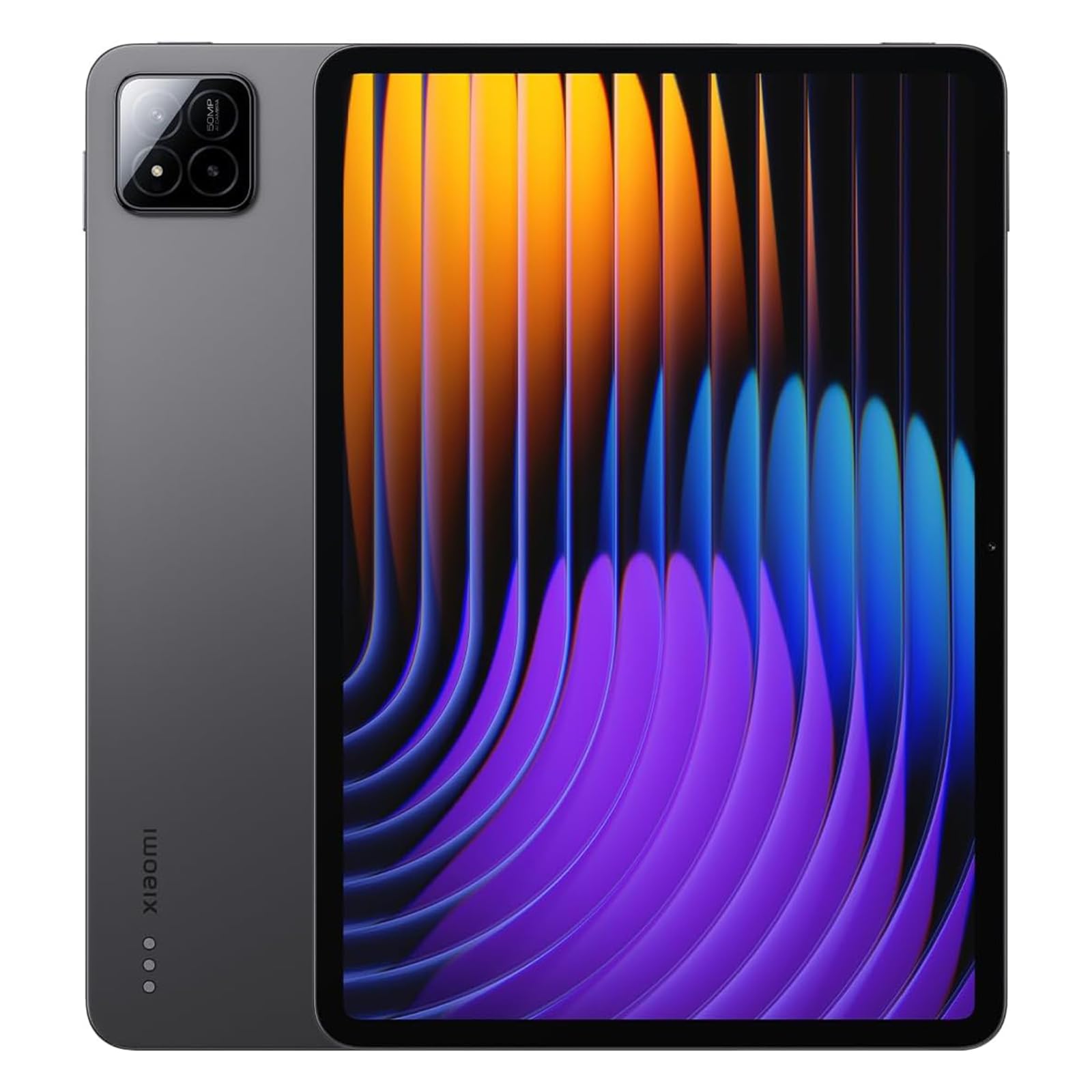


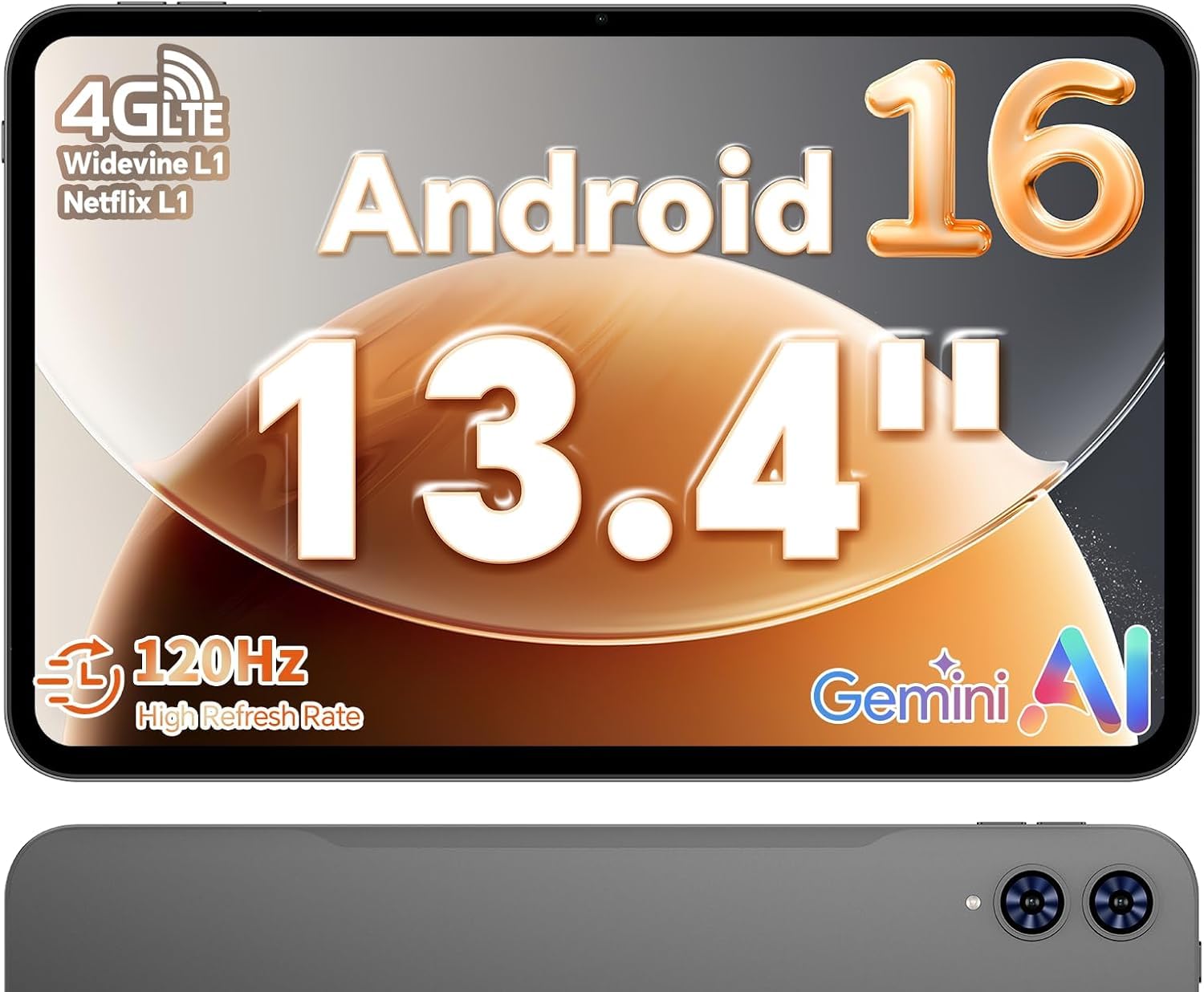
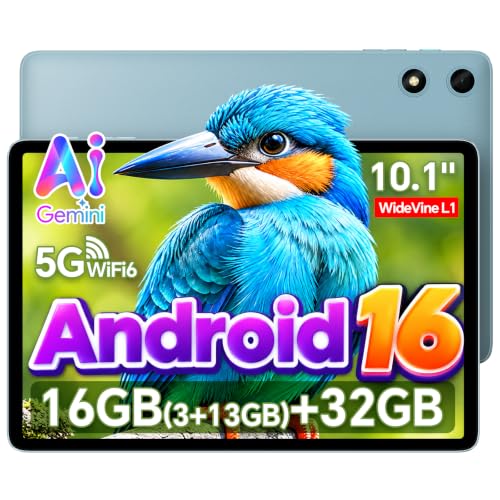
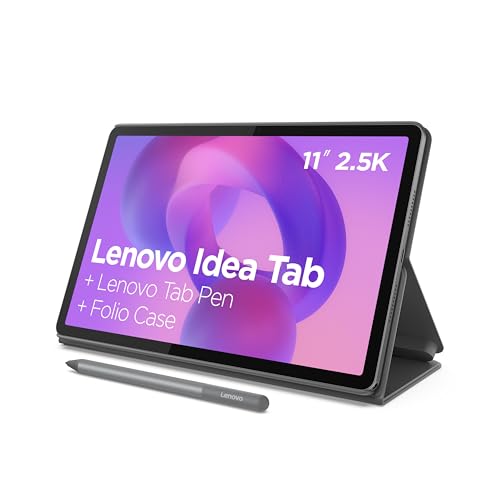
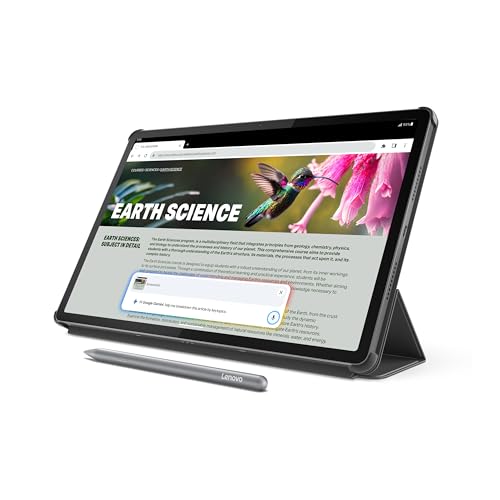
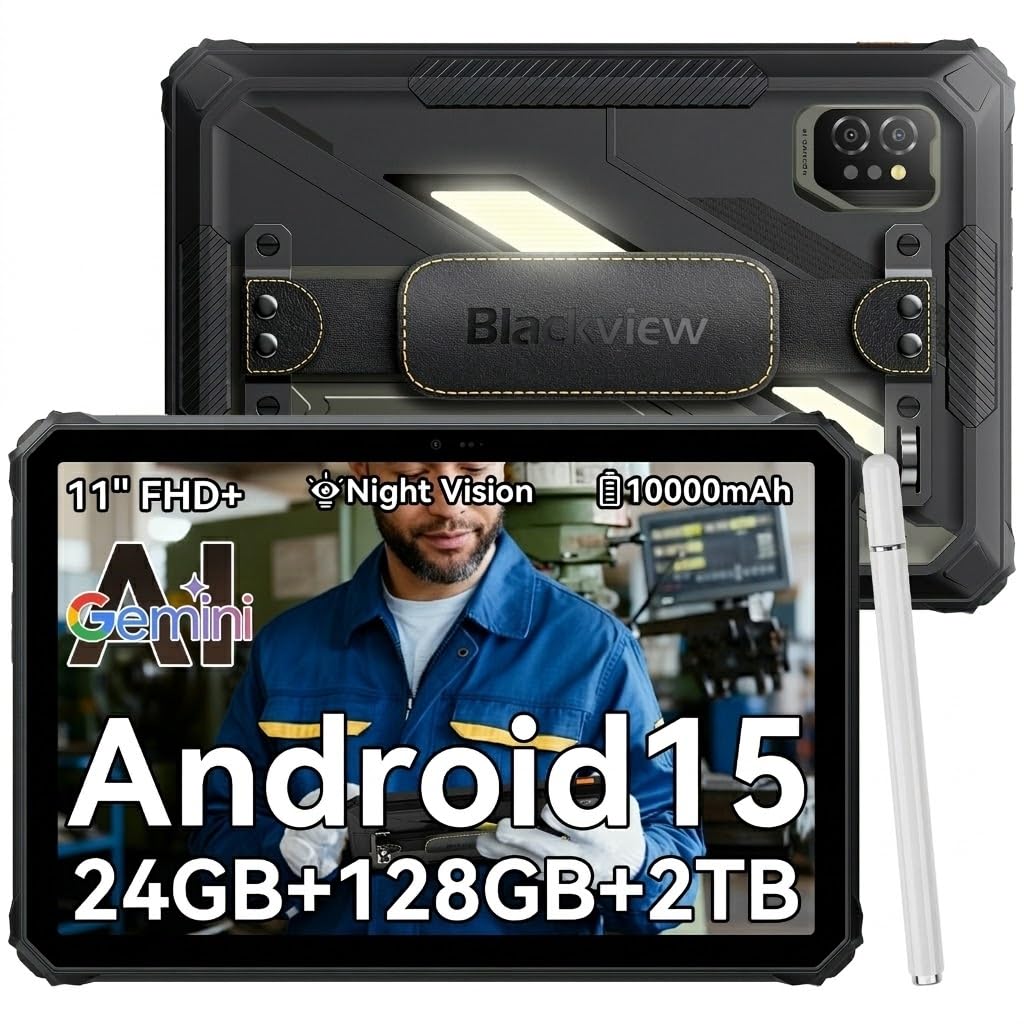
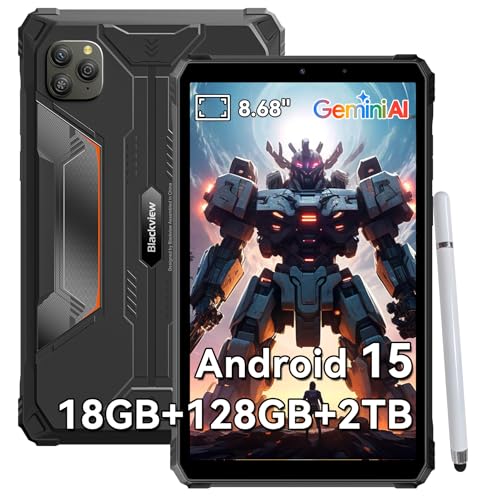
How to Evaluate China Made Tablets
Use this scorecard the same way for every model, whether it runs Android or Windows. Note the exact numbers a listing gives, and treat any missing number as a question to answer before you pay. Tablets are hard to upgrade later, so the configuration you buy is the one you live with. That makes careful checking now worth far more than a small launch discount.
Processor and Performance Tier
The processor decides how smoothly apps open, how well games run, and how long the tablet feels current. A modern midrange chip handles streaming, documents, and light games easily, while flagship tier chips suit drawing apps, video editing, and demanding games. Avoid listings that name only the core count without the chip model. Pair your choice with enough RAM, because a fast chip starved of memory still stutters when you switch between apps.
Ports and Connectivity
Most tablets rely on a single USB C port for charging, drives, and video output, so check what that port can actually do. Some support fast charging and external displays, while basic ports handle little beyond charging and slow transfers. WiFi 6 or newer keeps speeds high on busy home networks, and Bluetooth 5 or later pairs keyboards and earbuds reliably. If you travel often, a model with mobile data may be worth its extra cost.
RAM and Storage
For Android tablets, 8 GB of RAM is a sensible minimum and 12 GB feels comfortable for split screen work. Storage fills faster than buyers expect once photos, offline video, and games pile up, so 128 GB is a floor and 256 GB is safer. A microSD slot adds cheap room for media, though apps still prefer internal storage. Windows tablets follow laptop rules, so look for 16 GB of RAM and a proper SSD.
Graphics (Integrated vs Dedicated GPU)
Tablets use integrated graphics built into the main chip, so the processor tier and the graphics tier rise together. Strong integrated graphics matter for 3D games, drawing with large canvases, and editing video on the go. Check the supported refresh rate as well, since a 120 Hz screen only feels smooth when the graphics can feed it. For reading and streaming, even modest graphics are plenty, and you can spend the savings on storage.
Keyboard, Trackpad, and Build
If you plan to type, judge the keyboard cover as carefully as the tablet itself. Keys should feel firm, the trackpad should not wobble, and the hinge or kickstand should hold the screen steady on a desk and a lap. Aluminum bodies resist flex and heat better than thin plastic shells. Shoppers who want a true laptop replacement can compare designs in our guide to the best pc tablets, where keyboard quality decides most purchases.
Weight and Portability
Weight shapes how a tablet actually gets used. Models under about 1.3 lb disappear into a bag and stay comfortable for long reading sessions, while larger 12 inch and 13 inch models trade that ease for screen space. Remember to add the keyboard cover and charger to the listed weight, since the full kit is what you carry. A slightly heavier tablet with a bigger battery often serves travelers better than the thinnest option.
Display Size, Resolution, and Brightness
Screens from 10 to 13 inches cover most needs, with larger panels suiting split screen work and smaller ones suiting reading and travel. Look for at least 400 nits of brightness for use near windows, and a resolution high enough that text stays crisp at arm length. OLED panels give richer contrast for film and photo work, while LCD panels often cost less and avoid burn in worries. A matte screen protector can tame glare on either type.
Price Tier Guidance That Fits the Checklist
Models change too quickly for named recommendations to stay useful, so judge whatever appears in the product table above against these three profiles. Match the profile to your main use first, then confirm the listing clears the scorecard on storage, brightness, and update support.
The Balanced Profile
The balanced profile, usually around $350 to $600, pairs a strong midrange or flagship chip with 8 GB to 12 GB of RAM, 256 GB of storage, and a bright high refresh rate screen. Expect a metal body, quad speakers, and at least two years of promised system updates. This tier suits students, professionals, and families who share one device. It is the safest choice when the tablet must serve for three or more years.
The Value Profile
The value profile, often about $150 to $300, focuses on a good screen and honest basics. You still want 8 GB of RAM, 128 GB of storage, and a named processor, but you may give up OLED, fast charging, and premium speakers. This tier shines for reading, streaming, kids homework, and travel. Readers comparing origins and brands can also browse our guide to the best tablets from china for wider context.
The Compact Profile
The compact profile covers 8 inch to 9 inch tablets, generally around $200 to $400, built for one hand reading and easy travel. Prioritize low weight, a sharp screen, and battery life over raw speed, since these devices rarely run heavy apps. Storage of 128 GB keeps books, podcasts, and offline shows comfortable. A compact tablet pairs well with a larger phone or laptop rather than replacing either one.
Quick Buyer Checklist
Answer these questions for each candidate before you buy. Two or more no answers mean the listing needs a closer look or a pass.
- Is the exact processor model named in the listing?
- Does it have at least 8 GB of RAM and 128 GB of storage?
- Is screen brightness listed at 400 nits or higher?
- Does the maker state how long system updates will continue?
- Is a charger included in the box, and does it charge over USB C?
- Are a case and screen protector easy to find for this exact model?
- Is the warranty valid in your country, with a clear returns window?
Red Flags to Watch For
Watch for tablets advertised with inflated storage that quietly counts a bundled memory card, or RAM figures that mix real memory with software tricks. Listings with no update policy, no named processor, and no clear brand support page are risky at any price. Reviews that praise a tablet in identical phrases, or scores with no written detail, deserve suspicion. Also confirm the charger and plug type suit your region, and that safety certification marks appear on the device page. A very low price paired with a flagship sounding screen is the classic sign to slow down.
Tips to Get the Most From Your China Made Tablet
Install system and firmware updates during setup, then check monthly so security fixes stay current. Avoid leaving the battery at full charge for weeks at a time, and use a padded sleeve when you commute, since screens crack more often than electronics fail. Clear unused apps and cached video each season to keep storage headroom healthy. For a sense of how long support can last on well kept devices, see our guide to the best tablets ever made.
Frequently Asked Questions
Is a dedicated GPU worth it?
Tablets do not offer a separate dedicated graphics card, so the real question is whether you need a flagship tier chip. Pay for stronger integrated graphics if you play 3D games, edit video, or draw on large canvases. For reading, streaming, and documents, a midrange chip gives the same smooth feel for less money and usually runs cooler and longer per charge.
How long should a china made tablet last?
A well chosen tablet should serve three to five years. The limiting factor is usually software support rather than hardware, since apps keep demanding newer systems. Choose a maker that promises several years of updates, keep storage below about 85 percent full, and replace the battery if a repair shop offers it safely. Cases and screen protectors prevent the accidents that end most tablet lives early.
Should I buy a laptop or a tablet?
Buy a tablet if most of your work is reading, watching, browsing, and light notes. Buy a laptop if you type long documents, manage many files, or need specific desktop software. A tablet plus a keyboard cover narrows the gap but rarely matches a laptop for long writing days. Your busiest weekly task, not your rarest one, should make this decision.
How much RAM do I need?
Most tablet buyers are well served by 8 GB of RAM, which keeps several apps ready when you switch between them. Choose 12 GB or more for split screen work, big games, or drawing apps with many layers. Avoid 4 GB models for anything beyond simple streaming, because they reload apps constantly and age quickly as software grows heavier each year.
Is a Chromebook enough for school?
A Chromebook covers browser based schoolwork well, but it is a laptop format rather than a tablet, and it cannot run Android drawing or media apps the same way. If a school lists required software, check that list first. A tablet suits reading, annotation, and video lessons, while long essays feel better on a real keyboard. Many families choose the tablet for consumption and keep a shared laptop for projects.
Wrapping Up
Focus on three things above all: a named processor with enough RAM, a bright screen you can read anywhere, and a clear promise of software updates. Then let weight, storage, and price settle the final choice in the product table above. Chosen that way, the best china made tablets stop being a gamble and become a tool that fits your routine for years.


