
Best Chew Proof Dog Blankets 2026: Fabric, Stitching and Safety Guide
Disclosure: We may earn a commission when you buy through links on this page, at no extra cost to you. As an Amazon Associate I earn from qualifying purchases. Learn more

Best chew proof dog blankets explained: tough weaves, strong stitching, sizing, care and chewing safety.
Dogs chew blankets for comfort, boredom, teething, and anxiety, and ordinary throws rarely survive long. When you shop for best chew proof dog blankets, you want tough fabric, strong stitching, and a size that covers the bed or couch without bunching.
No blanket is truly indestructible, and honest makers avoid that claim. The product table lists blankets sold as chew proof, with reinforced edges and tough fabric. The goal is a blanket that resists chewing longer, survives washing, and keeps your dog comfortable while you address the chewing habit itself. This guide explains fabrics, construction, and care so you can choose wisely.

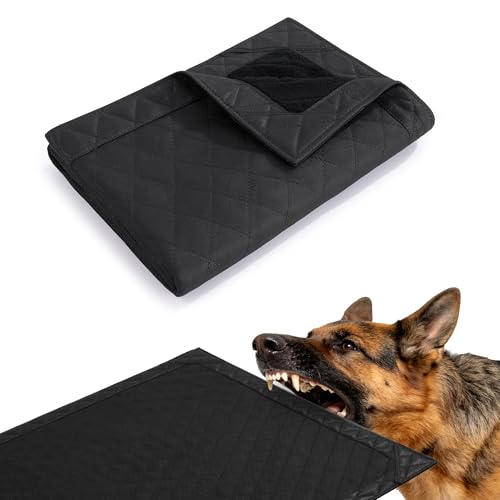


Material and Fabric Strength
Fabric choice decides chew resistance more than any other factor. Tightly woven canvas, ballistic nylon, and heavy duty polyester resist teeth better than loose fleece or soft cotton, which shreds quickly. Ripstop weaves add strength by stopping small tears from spreading, while double layered construction adds a second barrier when the outer layer wears.
Comfort still matters, since a blanket your dog avoids is useless. Look for a tough outer layer paired with a softer inner lining, so durability does not mean a stiff, noisy blanket. Avoid blankets with loose loops, tassels, or dangling edges, since those invite chewing and can pose a swallowing risk if pieces come off.
Construction, Stitching, and Edges
Stitching quality separates blankets that last from ones that unravel at the first chew session. Double stitched seams, reinforced edges, and bar tacking at stress points hold up far better than single stitching. Check edge binding too, since a thick, tightly bound edge resists fraying and gives teeth less to grip.
Size and weight also affect durability. A blanket that covers the bed fully without excess fabric gives your dog less loose material to bunch and chew. Heavier blankets stay in place better, while very light blankets slide and bunch, inviting pawing and chewing. Measure the bed or couch and choose a size that covers it with minimal overhang.
Sizing, Warmth, and Comfort
Size should match the sleeping spot, not just the dog. A small blanket on a large bed leaves gaps and slides, while an oversized blanket bunches into chewable folds. Measure the bed, crate pad, or couch cushion, and add a small margin for tucking without excess. For crates, choose a size that fits the floor exactly.
Warmth depends on fill and weight. Lightweight blankets suit summer and warm rooms, while thicker, fleece lined options suit winter and cold floors. Dogs that run hot may prefer a breathable single layer, while older or lean dogs appreciate extra insulation. Match warmth to your climate and your dog age and coat, since overheating causes restlessness and more chewing.
Washing, Durability, and Care
Washability matters because dog blankets collect hair, dirt, and odors quickly. Machine washable blankets with durable stitching survive repeated washing without fraying, while dry clean only options become impractical fast. Check the care label before buying, and favor blankets that handle warm water and low heat drying.
Inspect the blanket regularly for thinning, loose threads, and small holes, and repair or retire it before pieces come loose. Remove the blanket during unsupervised time if your dog chews aggressively, since no fabric is safe to ingest. Pair the blanket with chew toys and training, since behavior support reduces chewing more than any fabric alone.
Chewing Behavior and Safety
Chewing often signals boredom, anxiety, teething, or excess energy rather than a blanket problem. Increase exercise, offer safe chew toys, and rotate toys to keep them interesting. Puppies teethe for months and need appropriate teething toys, while anxious dogs benefit from routine, calm departures, and professional guidance when anxiety is severe.
Safety comes first: if your dog ingests fabric pieces, watch for vomiting, loss of appetite, or lethargy, and contact your vet promptly, since blockages can be serious. Never leave a heavy chewer unsupervised with a new blanket until you know how they treat it. A tough blanket plus behavior support protects both your furniture and your dog health.
Related Guides Worth Reading Next
Several nearby guides cover narrower needs: best blankets for dogs that chew for tough fabrics, best dog blankets for couch for sofa protection, best cooling blankets for dogs for hot weather, best blankets for dog hair for shedding, and best dog blankets for bed for coverage and warmth.
Choosing Blankets for Different Dogs
Puppies need blankets that handle teething, frequent washing, and rapid growth, so choose affordable, tough, machine washable options in a size that fits their crate. Expect replacements as the puppy grows and chewing habits change, and avoid expensive premium blankets until chewing settles. Safe teething toys alongside the blanket redirect chewing far better than fabric alone.
Senior dogs need softer, warmer blankets with easy washing, since older joints appreciate cushioning and older bladders may cause accidents. Choose a blanket that is warm but not heavy, with a waterproof layer underneath if needed to protect bedding. Arthritic dogs benefit from a thicker pad beneath the blanket, since warmth and cushioning ease stiffness.
Large, powerful dogs need the toughest fabrics and strongest stitching, since their jaws destroy light blankets quickly. Double layered canvas or ballistic nylon suits them best, with reinforced edges and no loose trim. Small dogs, by contrast, suit lighter blankets they can burrow into, since heavy fabric overwhelms them. Match the blanket to the dog size and strength, not just to the price.
Frequently Asked Questions
Are chew proof dog blankets truly indestructible?
No, no blanket is truly indestructible, and honest makers avoid that claim. Chew resistant blankets use tighter weaves, stronger stitching, and tougher fabrics to last longer than ordinary throws, but determined chewers can still damage them. The goal is longer life plus safer construction, not invincibility. Supervise use at first, inspect regularly, and retire a blanket before pieces come loose.
What fabric is best for dogs that chew?
Tightly woven canvas, ballistic nylon, and heavy duty polyester resist teeth best, especially in ripstop weaves that stop small tears from spreading. Loose fleece and soft cotton shred quickly by comparison. A tough outer layer with a softer inner lining balances durability and comfort. Avoid loose loops, tassels, and dangling edges, since those invite chewing and can break off.
How do I stop my dog from chewing blankets?
Increase exercise, offer safe chew toys, and rotate toys to keep them interesting, since chewing often signals boredom or excess energy. Puppies need teething toys, while anxious dogs benefit from routine and calm departures. Train a leave it cue and reward chewing on appropriate items. If chewing is severe or linked to anxiety, ask your vet or a qualified trainer for guidance tailored to your dog.
Can I wash chew proof dog blankets in a machine?
Most are machine washable, which is essential since dog blankets collect hair and odors quickly. Check the care label first, wash in warm water, and dry on low heat to protect stitching and coatings. Avoid harsh bleach on colored fabrics, and inspect seams after washing for loosening. A blanket that survives repeated washing without fraying is a sign of good construction.
What should I do if my dog eats blanket fabric?
Watch for vomiting, loss of appetite, lethargy, or straining, and contact your vet promptly if any appear, since ingested fabric can cause blockages. Do not wait for symptoms to pass if your dog ate a large piece. Prevent future incidents by supervising new blankets, removing damaged ones, and providing safe chew alternatives. Your vet can advise whether monitoring or an examination is needed.
Final Thoughts
A chew resistant blanket should combine tough fabric, strong stitching, the right size, and easy washing, plus behavior support that addresses why your dog chews. Measure the sleeping spot, check construction, and supervise first uses. The product table above can help you compare blankets before you decide.
No blanket alone solves chewing, but the right one lasts longer, stays cleaner, and keeps your dog comfortable while you work on the habit. Choose durability with comfort in mind, and the blanket will earn its place. That balanced approach defines smart shopping for best chew proof dog blankets.


