
Best Chew Proof Dog Bed in 2026: Types, Materials and Safety Guide
Disclosure: We may earn a commission when you buy through links on this page, at no extra cost to you. As an Amazon Associate I earn from qualifying purchases. Learn more

Best chew proof dog bed types compared by frame, fabric, safety and fit, so a determined chewer has fewer targets.
A standard plush bed rarely survives a determined chewer. Corners get worked loose, zippers get pulled, and foam ends up scattered across the floor, which is both costly and unsafe. Choosing the best chew proof dog bed means looking past softness alone and judging the frame, the fabric, and how few parts your dog can grip with its teeth.
This guide compares the main chew resistant designs by size and fit, durability, and safety of materials, so you can match a style to your dog and your home. Start with the comparison table below, then read on for the details that separate a bed that lasts from one that lasts a week. If you also want a general overview, see our guide to the best dog bed options for everyday sleepers.
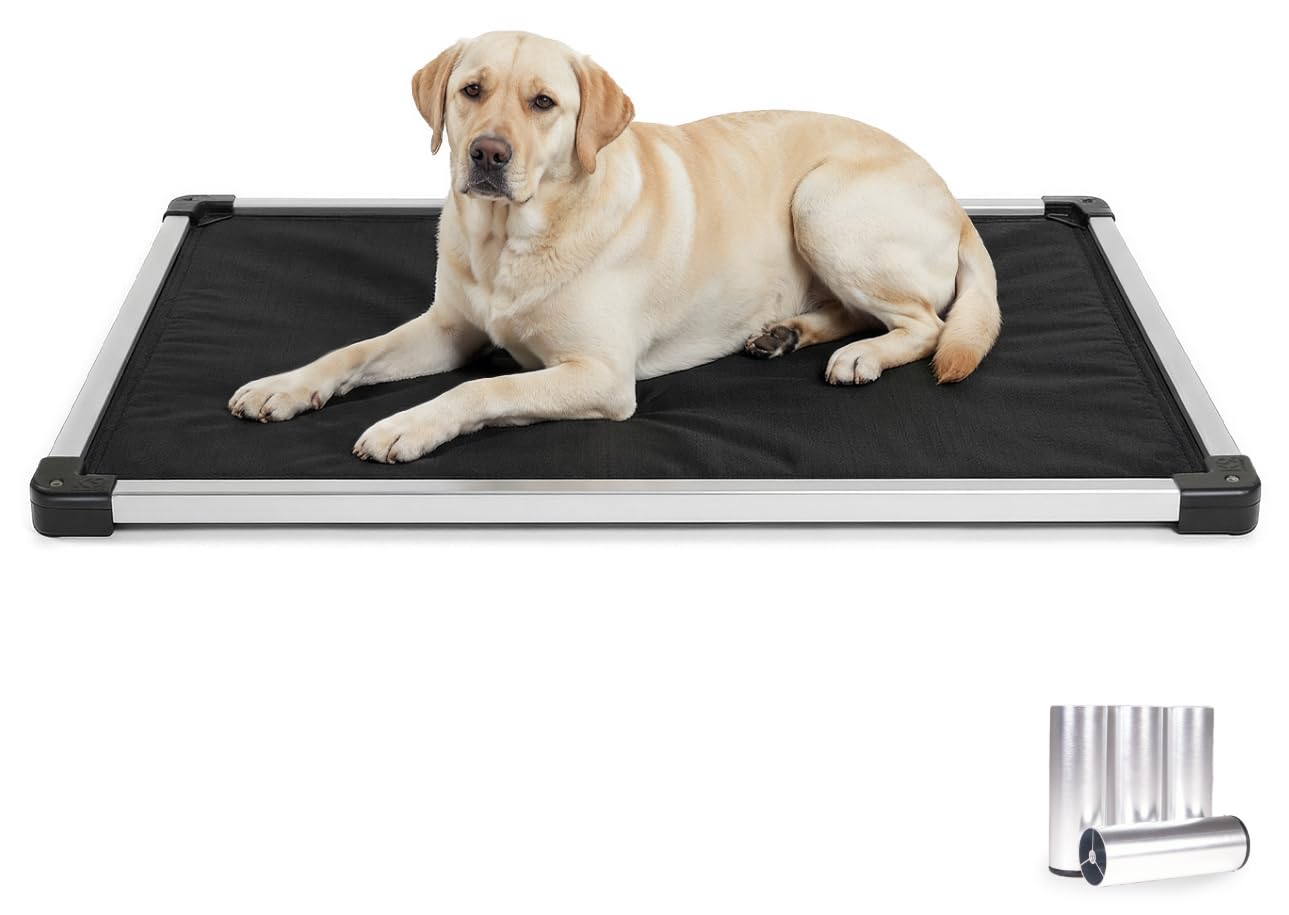
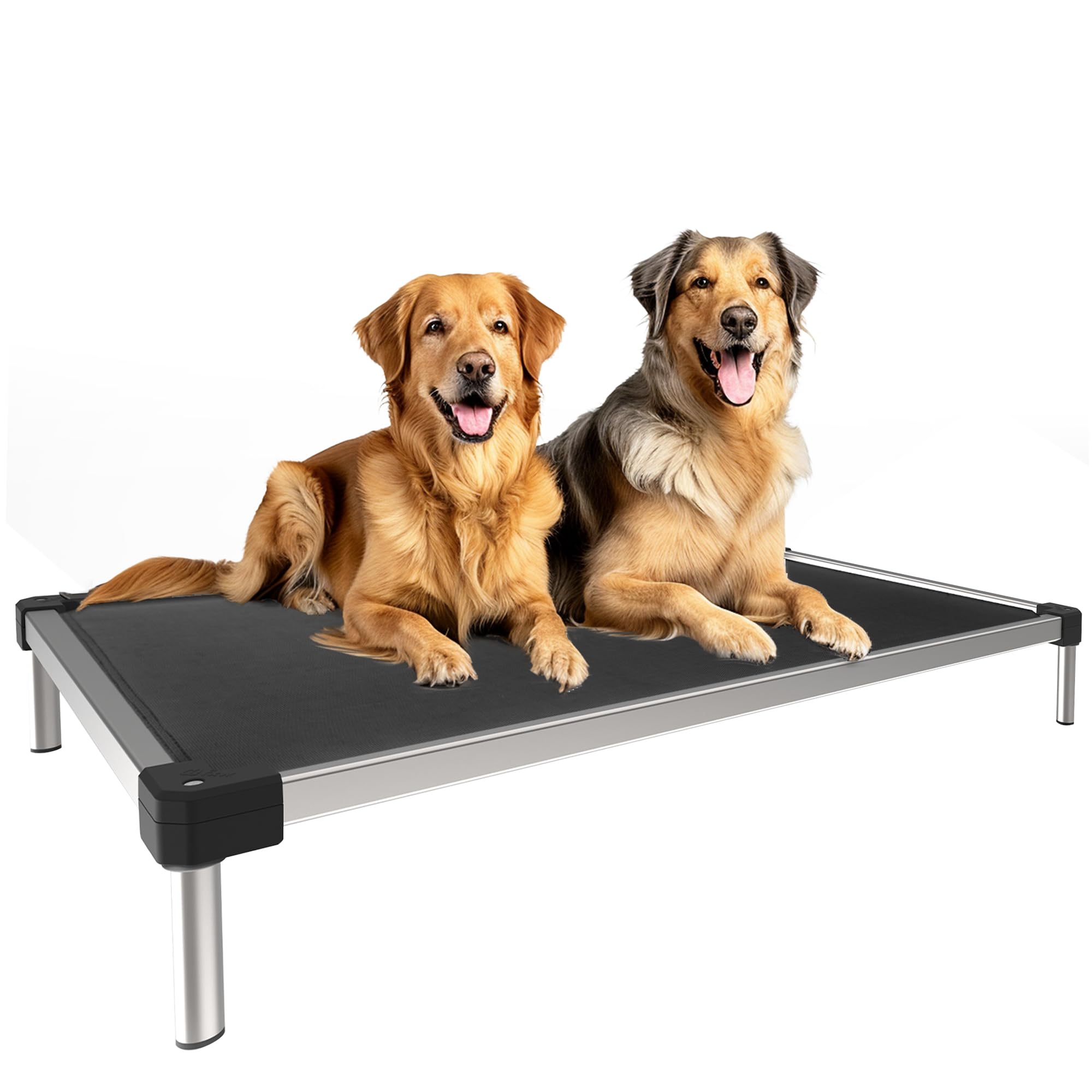
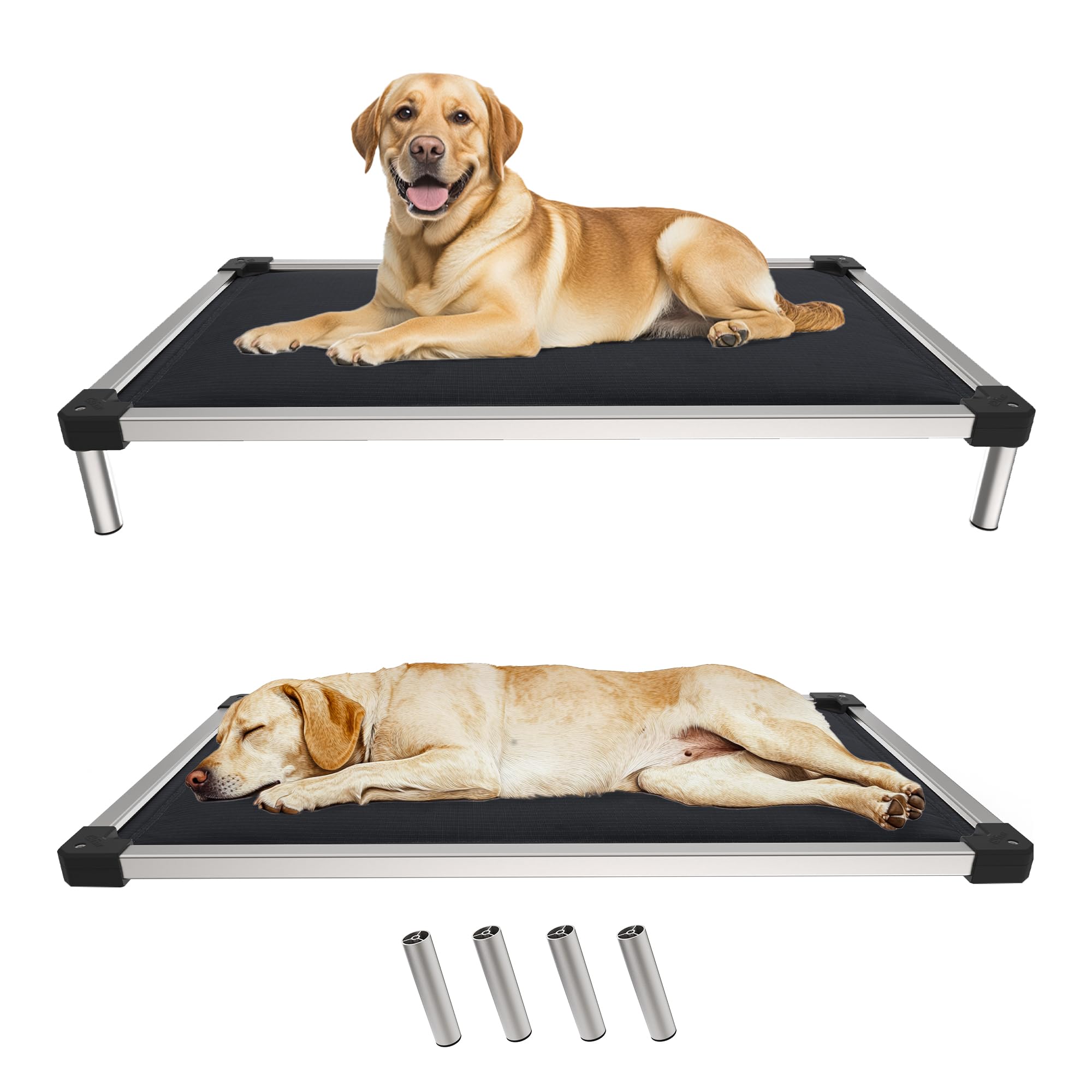
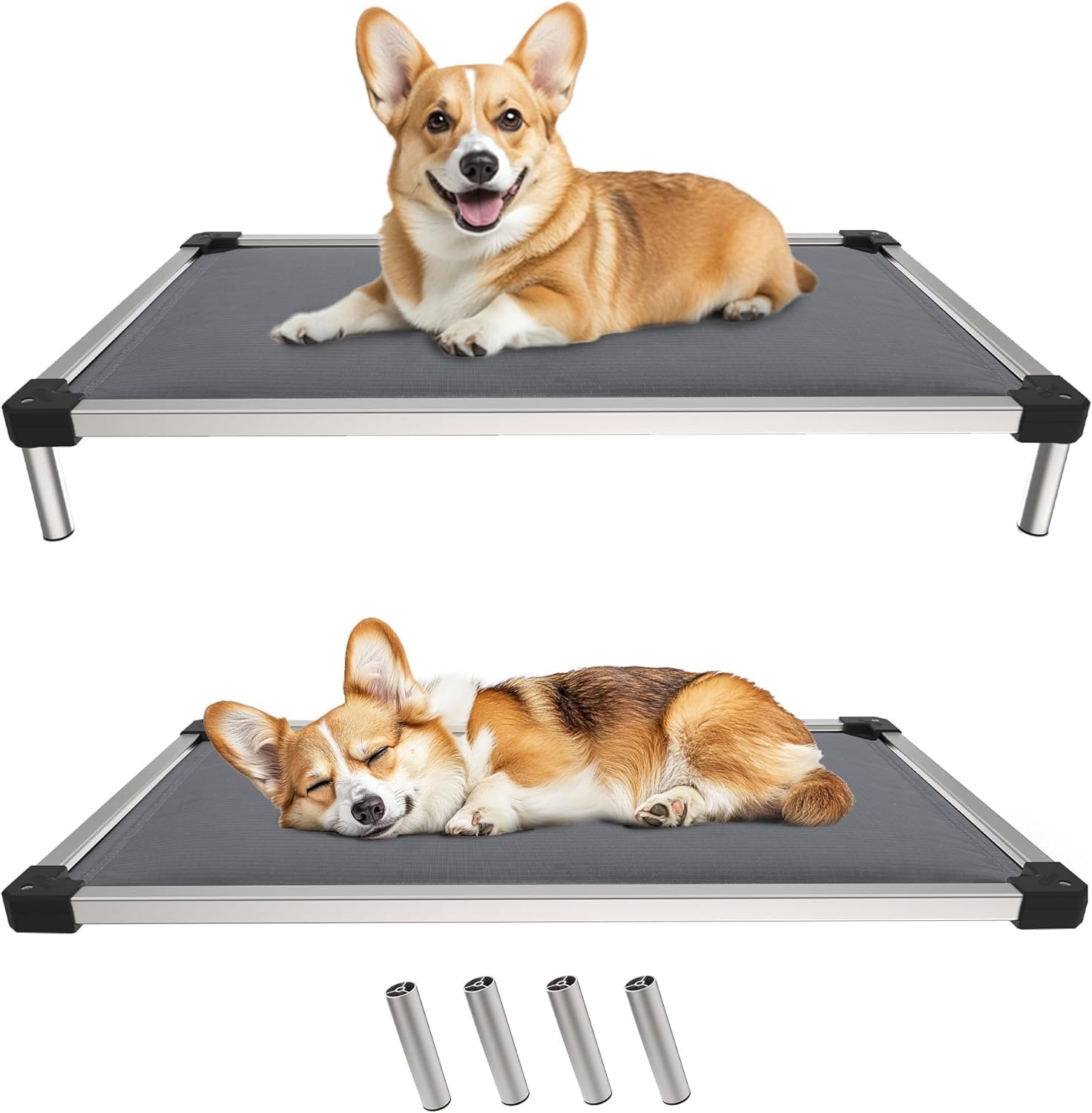


Chew Proof Dog Bed Types Compared
No bed is truly indestructible, and any seller promising that is overselling. What chew proof designs do is remove the easy wins for your dog: exposed zippers, loose piping, soft corners, and fabric that tears once a single thread breaks. The three types below resist chewing in different ways, and the right one depends on how your dog chews and where the bed will live.
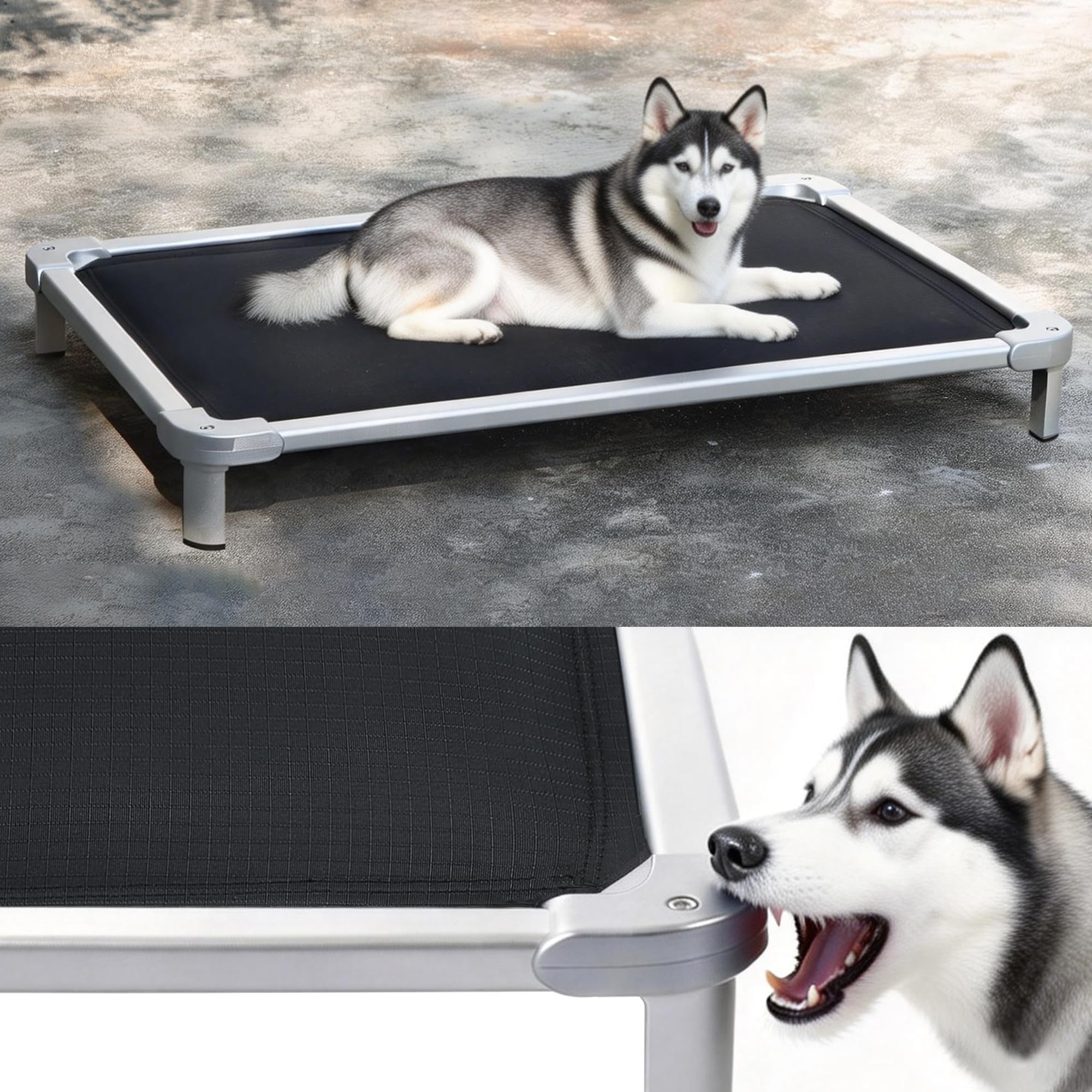
Elevated Frame Beds
Elevated beds stretch a tough fabric panel inside a metal frame, often aluminum, so there are no soft edges, no stuffing, and nothing plush to grab. The sleeping surface sits off the ground, which also lets air move under your dog on warm days. This style suits persistent chewers and dogs that run hot, though the firm surface offers little cushioning for older joints. Assembly takes some effort, and the frame footprint can be bulky in small rooms.
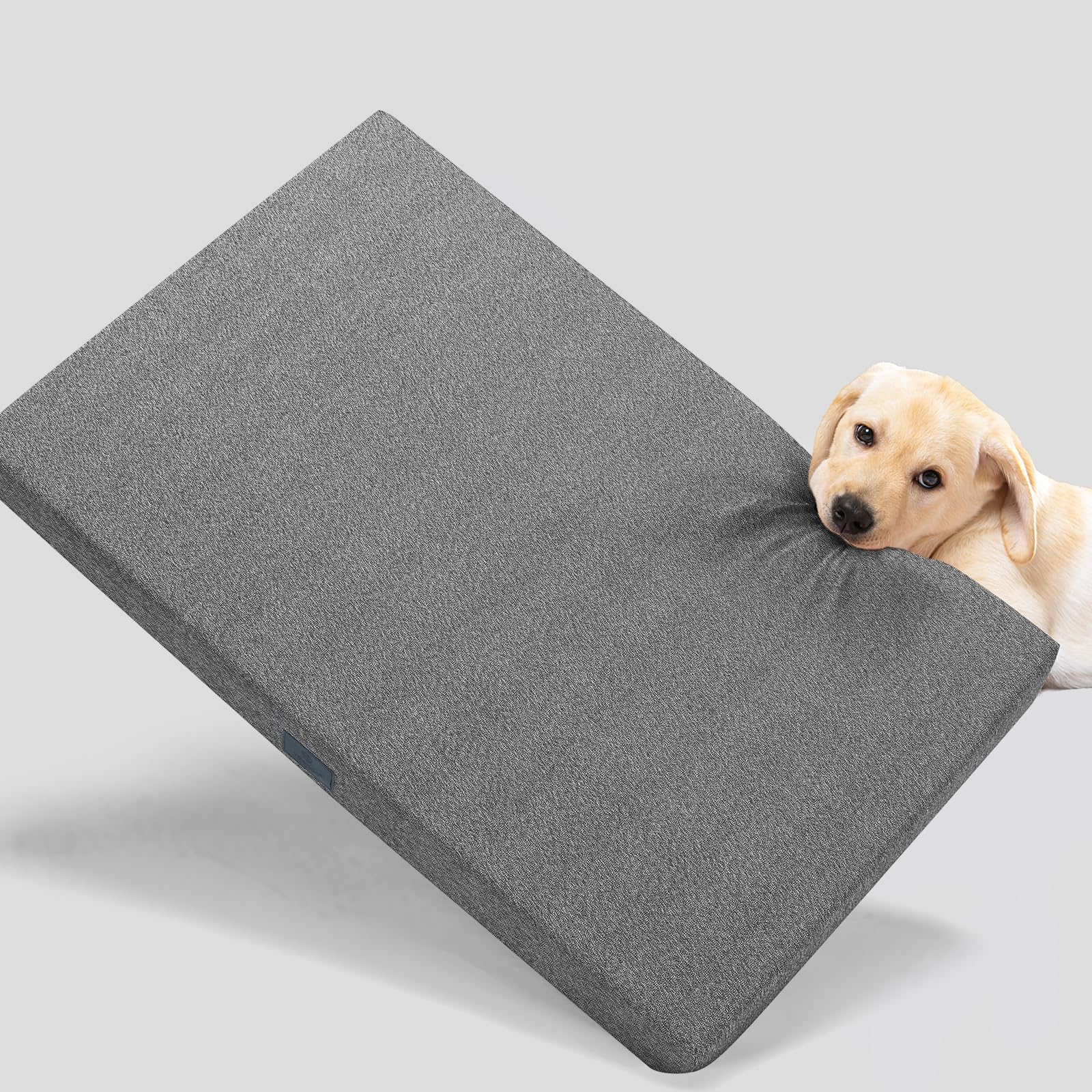
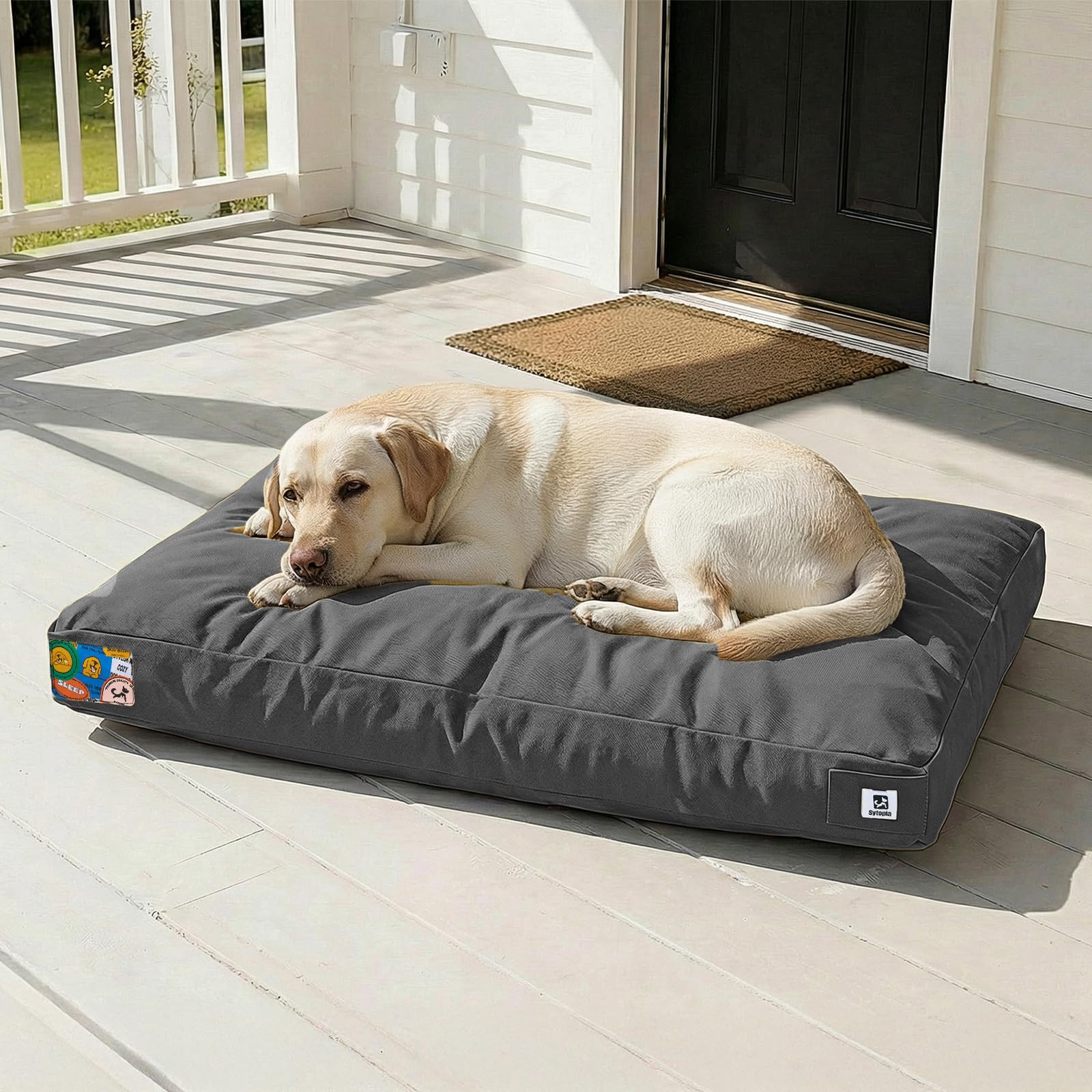
Tough Fabric Bolster Beds
Bolster beds use dense woven fabrics such as ballistic nylon or heavy canvas over a foam base, with raised edges your dog can rest its head on. They feel closer to a normal bed, so dogs that like to lean or curl often accept them faster. The trade off is that seams and corners still exist, so a dog that fixates on one spot can eventually work through. Look for hidden zippers and seams turned inward.
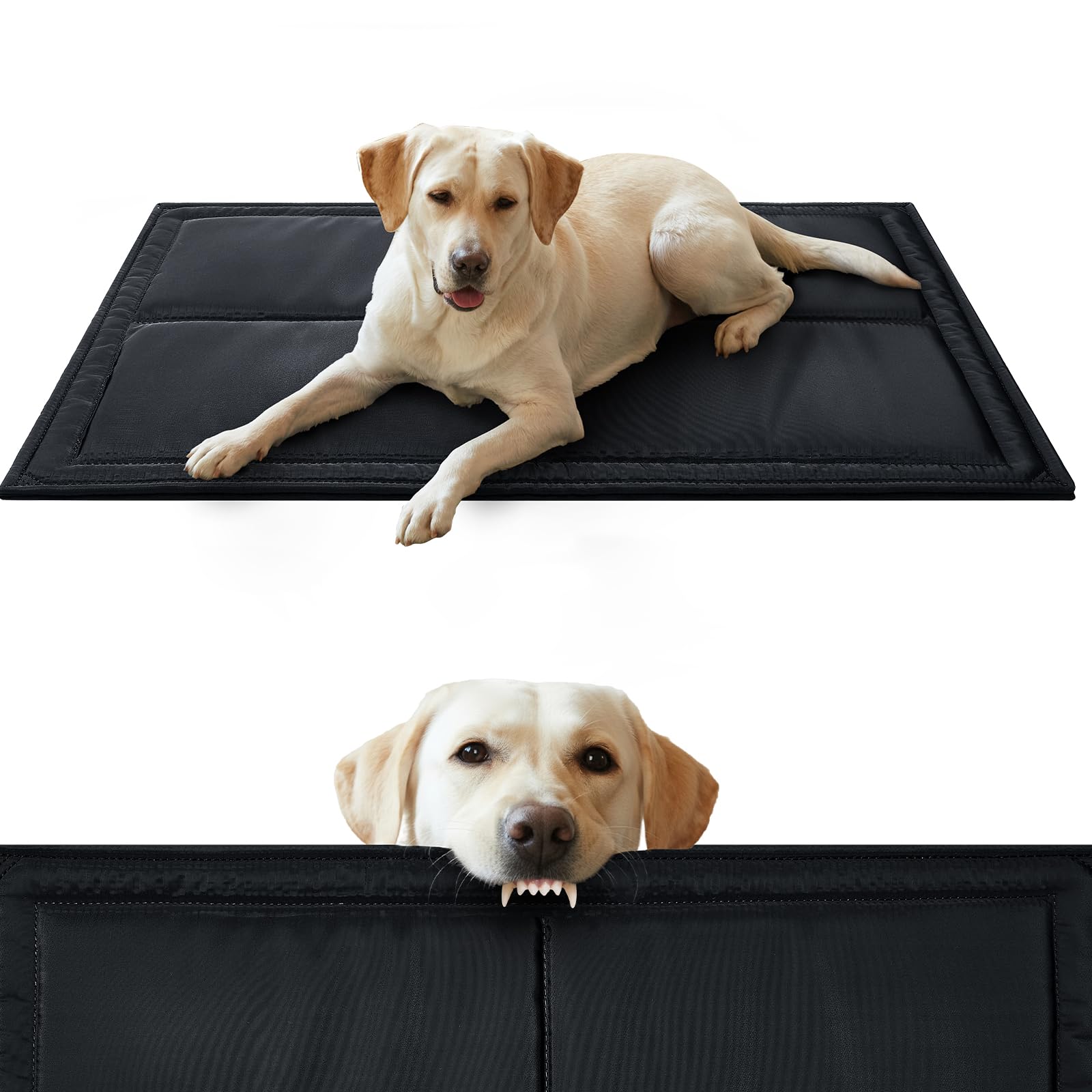
Flat Pad and Crate Style Beds
Flat pads use tightly woven ripstop style fabric with minimal padding and no raised parts at all. With nothing to grip, many chewers lose interest quickly, and the slim shape fits inside most crates. These pads are the easiest to hose down or wipe clean. They give the least joint support, though, so they work best for young, healthy dogs or as a second bed for travel and training spaces rather than the main sleeping spot.
How to Choose the Right Dog Bed
Size and Form Factor
Beds come in small, medium, large, extra large, and jumbo sizes, and the label alone tells you little. Measure your dog from nose to tail base while it sleeps stretched out, then add room for turning and sprawling. A bed that is slightly too big is fine, but one that is too small pushes your dog onto the floor. For giant breeds, our guide to the best large dog bed covers the longest sizes and the weight ratings that matter.
Type
Match the type to the job. Orthopedic foam supports aging joints, elevated frames shed heat and remove chew targets, and donut or bolster shapes comfort dogs that nest. A calming style only helps if your dog already likes enclosed edges. If heat is your main problem rather than chewing, compare our picks for the best cooling dog bed before you commit. Many households end up with two beds, one tough everyday bed and one softer option for supervised rest.
Features Worth Paying For
A removable cover matters most, since it lets you wash the outer layer without soaking the foam or frame fabric. A waterproof liner under the cover protects the core from accidents and drool, which extends the life of any bed. Bolsters are worth paying for only if your dog rests its head on raised edges. Skip decorative piping and exposed tassels entirely. On a chew proof bed, every stitched detail is a potential starting point for teeth, so plain construction is a feature, not a flaw.
Sizing for Your Pet
Weight ratings matter as much as length, especially on elevated beds where the fabric panel carries your dog like a hammock. Check the stated limit and stay under it, since an overloaded panel sags and stresses the frame joints. Puppies need room to grow but not so much space that the bed feels exposed. If you are unsure between two sizes, our explainer on what size dog bed do i need walks through measuring for crates, corners, and open floor spots.
Materials and Chew Resistance
Chew resistance comes from tight weaves and strong frames, not from coatings. Ballistic nylon and heavy duty canvas resist tearing because a puncture does not spread quickly. Aluminum frames stand up to gnawing far better than plastic or thin steel tubing, and recessed fabric edges keep the panel out of reach. Foam density matters too: dense foam resists being shredded into small pieces if your dog ever reaches it, while soft loose fill pulls out in mouthfuls and should be avoided for chewers.
Cleaning and Odor Control
A bed your dog cannot destroy still fails if it starts to smell. Covers that unzip fully and go in the wash hold up best, and smooth fabrics release hair with a quick shake outside. Elevated panels can be scrubbed with mild soap and rinsed, then left to dry fully before use. Our full walkthrough on how to clean a dog bed covers stain treatment and drying times. Whatever style you pick, plan on a weekly wash rhythm so odor never builds into the filling.
Safety
Safety is the reason this category exists. Swallowed foam, fabric strips, and zipper pulls can block the gut and lead to emergency surgery, so inspect the bed weekly for holes and remove it once the inner material is exposed. Choose beds with zippers hidden under a flap or placed on the underside. Stop using any bed your dog has opened up, and call your veterinarian promptly if your dog vomits, stops eating, or seems in pain after chewing bedding, since those signs can point to a blockage.
How Much Should You Spend?
Expect to pay about $30 to $50 for a simple tough pad, about $50 to $100 for a well made bolster bed with a washable cover, and about $100 to $200 for a large elevated frame bed or a thick orthopedic model. Higher prices should buy replaceable covers or panels, stronger frames, and larger sizes, not decoration. Replacing three cheap beds in a year usually costs more than one sturdy bed, so judge value by expected months of use rather than the sticker alone.
Chew Proof vs Other Dog Beds: Pros and Cons
Chew proof beds trade plush comfort for survival. A standard bed feels softer on day one, offers more shapes and colors, and usually costs less. It also gives a determined chewer seams, stuffing, and zippers to attack, and many owners replace one within weeks. A chew resistant bed narrows those targets and often wipes clean in minutes, but the sleeping surface is firmer and the styling is plain.
For senior dogs, the balance shifts. An older dog that no longer chews may gain more from thick supportive foam than from armor, and our guide to the best dog bed for senior dogs explains those trade offs. If your senior still chews, look for a chew resistant cover over dense foam, and compare orthopedic and memory foam designs to pick the right support level. Puppies sit in between: they chew hard but also need a bed that washes easily during house training.
- Pros: far fewer grip points for teeth, washable or hoseable surfaces, replaceable parts on many designs, safer around unsupervised dogs
- Cons: firmer feel than plush beds, plainer appearance, higher starting price, heavier frames that are awkward to move
FAQ
What is the best chew proof dog bed for a dog that destroys every bed?
Start with the style that removes the most targets: an elevated frame bed with the fabric locked inside the frame edges. Dogs destroy beds by working one weak point, so a design with no stuffing, no exposed zipper, and no loose corner gives them nothing to build on. Pair the bed with chew toys in the same spot, since a dog with an approved outlet is less likely to test the new bed at all.
Are chew proof dog beds worth the higher price?
For a dog that has already ruined one ordinary bed, yes, because the math favors buying once. One sturdy bed at about $100 that lasts a year costs less than four budget beds replaced every few months. The value drops for light nibblers, though. If your dog only mouths corners when bored, a mid priced tough fabric bed plus more exercise and chew toys may solve the problem without the premium frame style.
How long does a chew proof dog bed last?
A well built model typically serves one to three years, and the cover or fabric panel usually wears out before the frame does. Longevity depends on how the damage starts: slow surface wear from nails is gradual, while a dog allowed to chew an exposed edge daily can shorten that span sharply. Rotating two beds, trimming nails regularly, and washing covers before grime weakens the weave all stretch the useful life noticeably.
Can a chew proof dog bed help with chewing behavior itself?
The bed alone will not change the behavior, because chewing usually comes from teething, boredom, anxiety, or excess energy. What the bed does is stop rewarding the habit with fun stuffing to pull out. Combine it with daily exercise, puzzle feeders, and a consistent leave it cue, and most dogs redirect to toys within a few weeks. If chewing suddenly increases in an adult dog, mention it at your next vet visit, since pain and anxiety can drive it.
How do you clean a chew proof dog bed without damaging it?
Vacuum or shake off hair first so grit does not grind into the weave during washing. Wash removable covers in cold water on a gentle cycle and air dry them, since high heat can weaken coated fabrics and shrink panels so they no longer fit the frame. Wipe foam cores with a damp cloth only, never soak them. Let every part dry completely before reassembly, because trapped moisture is the main cause of mildew smell in thick beds.
What should you look for instead of a specific dog bed brand?
Brand names matter less than construction you can verify: a stated fabric denier or weave type, metal rather than plastic frame joints, a published weight limit, and spare covers or panels sold separately. A maker that sells replacement parts expects the bed to stay in service for years, which says more than any toughness slogan. Also check the return terms before ordering, since a bed your dog refuses to lie on is a poor buy at any durability level.
Final Thoughts
The right bed removes chew targets first and adds comfort second, in that order. Match the style to your dog: elevated frames for determined chewers and warm sleepers, tough bolster beds for leaners, and flat pads for crates and young dogs. When you are ready to choose the best chew proof dog bed for your home, use the product table above to compare sizes and prices side by side, and order the size that fits your dog stretched out, not curled up.


