
Best Chess Sets for Beginners 2026: Types Compared and How to Choose
Disclosure: We may earn a commission when you buy through links on this page, at no extra cost to you. As an Amazon Associate I earn from qualifying purchases. Learn more
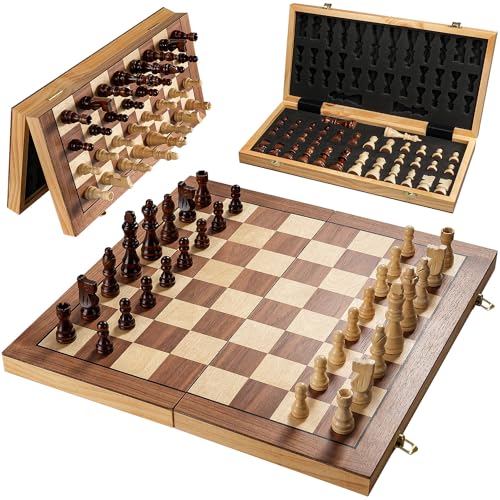
Clear pieces, a readable board and the right size: how to choose the best chess sets for beginners without overspending.
Chess looks simple until you shop for a first set and face dozens of sizes, materials, and piece styles. When you choose best chess sets for beginners, you want pieces that are easy to tell apart, a board that is easy to read, and a size that suits your table. The comparison table below shows the main set types side by side, so you can compare them at a glance.
Beginners benefit most from clarity, not luxury. A set with distinct pieces, good contrast, and a sturdy board helps you learn faster than a decorative set that looks beautiful but confuses the eye. This guide compares types, explains sizes, and helps you pick a first set you will actually play with.


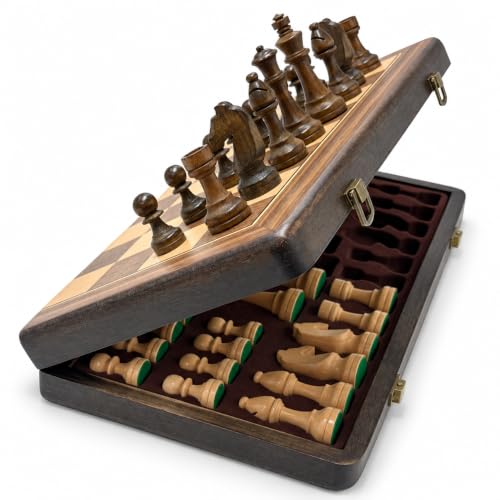


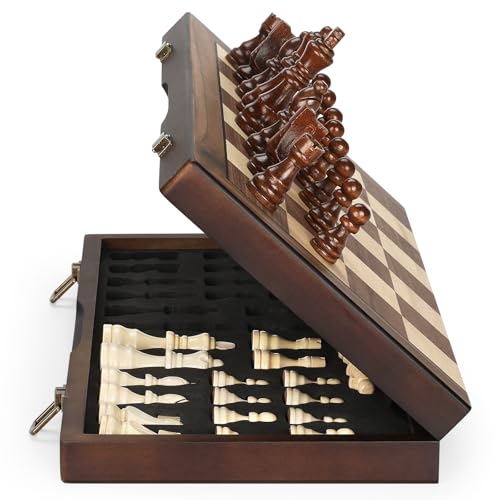

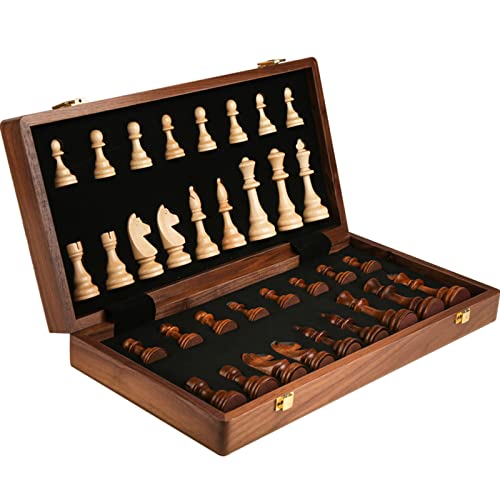
Types of Chess Sets Compared
Budget sets use plastic pieces and folding boards, cost little, and travel well, making them ideal for learning and casual play. They lack the weight and feel of premium sets, but their clarity and durability suit beginners who are still deciding whether chess will become a habit. A budget set around $20 to $40 covers most first time needs.
Premium sets use wood, weighted pieces, and larger boards, offering a satisfying feel and a handsome look for a home. They cost more and need care, but they reward players who already enjoy the game and want a set for years. Compact and travel sets use magnetic pieces and small boards, suiting trips and small spaces, though tiny pieces can strain the eyes during long games.
Board Size and Piece Proportions
Board size shapes readability more than any other factor. A board with squares around 2 to 2 and a quarter inches suits standard pieces with a king height near 3 and three quarter inches, giving each piece room without crowding. Smaller boards suit travel but make pieces feel cramped, while oversized boards need a large table and suit dedicated chess rooms.
Piece proportions matter too: the king should be clearly tallest, the queen distinct by her crown, and pawns clearly smallest. Weighted pieces feel steadier and tip less during fast play, which helps beginners who are still learning to move pieces confidently. Check the base diameter against the square size, since pieces should sit comfortably within each square.
Materials and Durability
Plastic sets are light, cheap, and nearly indestructible, making them the practical choice for children, schools, and travel. Wood sets feel warmer and look better, with boxwood and rosewood among the classic choices, but they need protection from moisture and drops. Metal and marble sets look striking yet weigh a lot and can damage tables, so they suit display more than daily play.
Board materials matter as well. Folding boards store easily and travel well, while solid wood boards look better and lie flatter. Vinyl roll up boards are cheap and portable, suiting clubs and classrooms. Match the material to where and how often you will play, not just to appearance.
Learning Features Worth Having
Coordinate labels along the board edges help beginners learn notation and follow lessons, books, and online games. A set with clear algebraic coordinates turns study into play, since you can match moves from a book to the board without confusion. Some beginner sets include a simple rules booklet, which helps new players learn movement and basic tactics.
Contrast is another learning aid: pieces and squares should differ clearly in color, so you can scan the board quickly. Avoid novelty piece designs that blur the difference between pieces, since they slow learning. A classic Staunton design is the standard for a reason, and it transfers directly to clubs and tournaments later.
Price, Storage, and Care
Beginner sets span a wide price range, but spending more does not always help learning. A set around $20 to $50 covers most beginners well, while wooden sets around $80 to $200 suit players who want a lasting home set. Storage matters too: a box or case protects pieces and keeps the set complete, since lost pieces ruin games.
Care is simple: keep wooden sets dry and out of direct sun, clean plastic sets with a damp cloth, and store pieces where they cannot chip. Count pieces after play, especially with children, and replace lost pawns promptly. A set that stays complete and in good shape invites more games.
Related Guides Worth Reading Next
For a wider view beyond beginner models, best chess sets compares chess sets by material, size, and playing style.
A Final Check Before You Order
Before ordering, measure your table and confirm the board size fits with room for captured pieces beside it. Check piece clarity in photos, confirm coordinates are labeled if you want them, and read the return policy. A set that looks good online but confuses the eye in person will slow your learning.
Start with a clear, sturdy set in the $20 to $50 range, and upgrade to wood later once chess becomes a habit. Learn the rules, play often, and let enjoyment guide the upgrade. The right first set is the one you reach for again and again.
Learning Chess With Your First Set
A first set is also a learning tool, and a few habits make it far more effective. Start by learning how each piece moves, then play short games focused on one idea at a time, such as controlling the center or developing pieces early. Use the board coordinates to follow simple lessons, since notation turns casual games into study material you can revisit.
Play regularly, even briefly, rather than in rare long sessions, since frequent short games build pattern recognition faster. Play against people when possible, since human games teach practical skills that puzzles alone cannot, such as time management and handling pressure. After each game, look back at two or three key moments and ask what else was possible.
Joining a club or an online community accelerates learning further, since stronger players share ideas and point out mistakes kindly. A basic set is all you need for club play, and most clubs welcome beginners warmly. The set matters less than the habit: play often, study a little, and enjoy steady improvement.
Finally, remember that the best first set is the one that gets played, so keep it set up and visible rather than stored away in a closet. A board left on a table invites a quick game after dinner, while a boxed set waits for a special occasion that rarely comes. Play a few moves daily, even alone, to build familiarity with the pieces and the board, and invite family or friends to join whenever they show interest.
Frequently Asked Questions
What size chess set should a beginner buy?
A standard set with a king around 3 and three quarter inches tall and squares around 2 to 2 and a quarter inches suits most beginners and tables. This size is easy to read, pieces sit comfortably in squares, and it matches club and tournament standards. Smaller travel sets strain the eyes during long games, while oversized sets need large tables. Start with the standard size unless space forces a smaller choice.
Are weighted chess pieces better for beginners?
Yes, weighted pieces feel steadier, tip less during fast play, and give a more satisfying feel that helps beginners move confidently. They cost a little more than unweighted plastic, but the stability is worth it for home play. For travel, lighter pieces suit portability better. Choose weighted pieces for a home set and lighter pieces for a travel set.
Should beginners buy a wooden or plastic chess set?
Plastic suits most beginners because it is cheap, durable, and easy to replace if pieces are lost. Wood suits players who already enjoy chess and want a lasting, handsome home set, but it costs more and needs care. Start with plastic while learning, and upgrade to wood once chess becomes a regular habit. This keeps the first purchase low risk and practical.
Do I need a chess set with coordinates?
Coordinates help beginners learn notation and follow lessons, books, and online games, since they let you match written moves to board positions. They are not required, but they speed learning noticeably for new players studying tactics and openings. Many beginner boards include them along the edges without harming appearance. Choose a labeled board if you plan to study from books or courses.
What is a Staunton chess set?
Staunton is the classic piece design used in clubs and tournaments worldwide, with distinct, easily recognized shapes for each piece. Its clear proportions help beginners tell pieces apart quickly, which speeds learning and avoids confusion during games. Most beginner guides and coaches recommend Staunton designs for this reason. A Staunton set also transfers directly to club play later, since it matches standard equipment.
Final Thoughts
Your first chess set should be clear, sturdy, and sized for your table, not fancy or expensive. Classic Staunton pieces, good contrast, and a readable board help you learn faster and enjoy more games. The product table above can help you compare set types before you decide.
Start simple, play often, and upgrade when chess becomes a habit. A set you reach for weekly beats a decorative set that stays on a shelf. That practical rule guides smart shopping for best chess sets for beginners.


