Best Cheerleading Shoes: Practice, Competition and Growing Athletes in 2026
Disclosure: We may earn a commission when you buy through links on this page, at no extra cost to you. As an Amazon Associate I earn from qualifying purchases. Learn more

Choose the best cheerleading shoes for practice and competition, with advice on grip, flexibility, fit for growing athletes and team shoe rules.
Cheerleading shoes face jumps, stunts, tumbling and long stretches on a polished gym floor, often in a single practice. The best cheerleading shoes have a flat flexible sole, reliable grip and a fit that locks the foot in place. This guide looks at the choice from a practical angle: team rules, young athletes who keep growing, and how practice and competition pairs differ.
The comparison table below lines up the main options, and the sections after it help you decide what to buy and when to replace it.


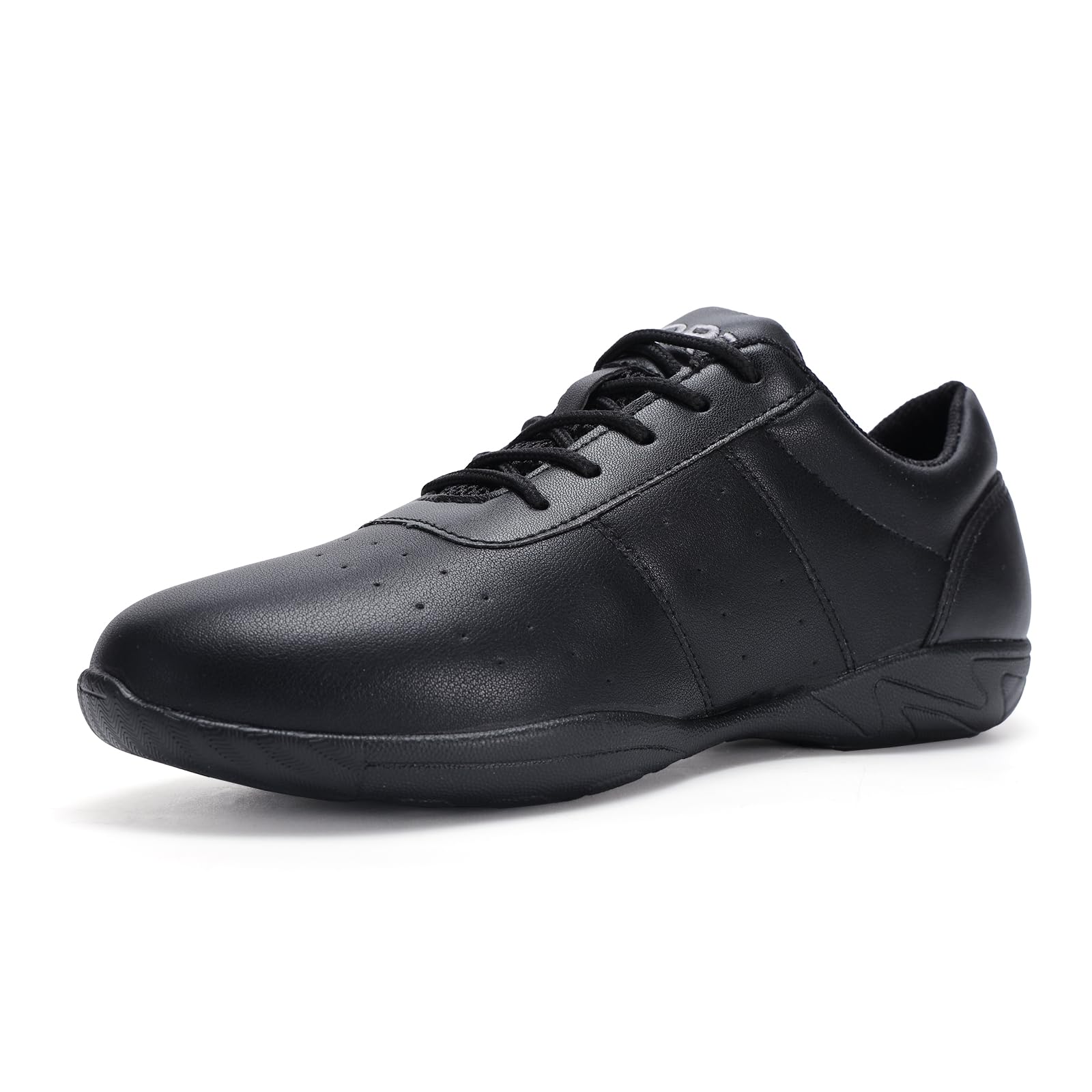


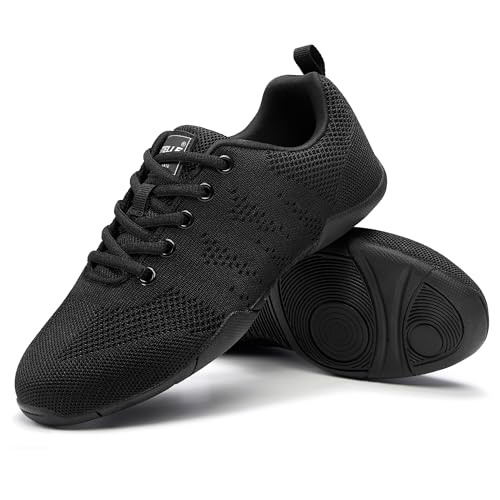

What Cheerleading Asks of a Shoe
A shoe for this sport has to do several jobs at once. It must hold a stunt, so the sole needs grip and a stable shape. It must let you tumble and jump, so the forefoot needs to bend. And it must stay light enough that legs do not tire during a two hour practice. Shoes made for running or court sports rarely meet all three needs, which is why cheer specific footwear is worth buying.
Many teams also set rules about footwear. White shoes are the most common choice for uniforms, some teams allow black, and a few require a specific style or brand. Ask your coach before you buy, so you do not need to return a pair that does not meet the team rules. For role specific advice, see our guide to the best cheer shoes.
Practice Pairs and Competition Pairs
Practice Shoes
Practice shoes take the daily wear, so durability and cushioning matter. Reinforced toes, a solid sole bond and a midsole that stays supportive across a season are worth more than the lightest weight. Wipe the soles regularly so grip stays consistent on dusty floors.
Competition Shoes
A competition pair can be the lightest and most flexible you own, since it only has to last a few events. Keep it clean and use it for warm ups and the performance itself. Break it in during a few practices first, because a brand new shoe can pinch or slip at the worst moment.
Buying for a Growing Athlete
Young athletes can outgrow a pair before it wears out. Measure their feet at the start of each season and again after a growth spurt, and do not buy a size too large to leave growing room, because a loose shoe lets the foot slide and increases blisters. Check that toes do not press the front of the shoe and that the heel stays in place on a jump. Youth sizing runs differently from adult sizing, so use the maker's chart.
Key Features to Check
- Sole grip. A non marking rubber sole with a clear tread holds polished floors, and quick side steps reveal grip problems better than slow walking.
- Forefoot flexibility. A rigid sole fights jumps, and a well placed flex point feels natural.
- Heel lockdown. A snug heel cup and lacing stop the foot sliding forward on landings.
- Cushioning balance. Medium and responsive suits most cheerleading work.
- Weight and breathability. Light shoes with breathable uppers reduce fatigue and keep feet cooler.
Floors and Surfaces
A shoe that grips one floor may slide on another. Gym wood, spring floors, mats and outdoor fields all feel different, so choose grip that works on the slickest floor you use. If you practice on several surfaces, test the shoes there. Dust and floor wax reduce grip quickly, so clean the sole before sessions.
Budget and Value
Most cheerleading shoes cost about $30 to $80. Lower priced pairs can work well for a first season, while higher priced models usually add lighter materials, better cushioning and a more precise fit. For a growing athlete who may need new shoes each year, a midrange pair is often the best balance. Spend more when practice volume is high or when a cheaper pair has already shown a weakness, such as a sole that peels or a heel that slips. The best cheerleading shoes for your budget are the ones that fit well and grip your floor, not the most expensive pair on the page.
Common Mistakes to Avoid
- Copying a teammate's size, since foot shapes differ even within a squad.
- Ignoring the floor you practice on.
- Waiting too long to replace worn shoes, because worn tread and flat foam change how landings feel.
- Choosing dance shoes, which lack the grip and support needed for stunts.
- Wearing thick socks that change the fit you checked in the store.
Care, Odor and Replacement
Let shoes air out after practice and avoid drying them on radiators or in direct sun. Use removable insets that can be washed or replaced to control odor, and avoid sealing damp shoes in a bag. Replace a pair when toes press the front, the heel slips, or the tread and cushioning wear out. Persistent foot, ankle or shin pain deserves attention from a coach or a clinician rather than a different shoe.
Frequently Asked Questions
How are cheerleading shoes different from dance shoes?
Cheerleading shoes have more structure and grip for stunts and landings, while many dance shoes are softer and built for floor feel and turns. Choose a cheerleading shoe when stunts and jumps are part of training.
Should I break in cheerleading shoes before a performance?
Yes. Wear new shoes for a few practices so the fit settles and any pressure points show up early. Keep the old pair as a backup until the new pair feels comfortable.
What socks work best?
Thin athletic socks that stay in place. Wear the socks you will use in practice when trying shoes on.
How do I keep cheerleading shoes from smelling?
Air them after every session, rotate pairs when possible and wash or replace removable insets.
When should a growing athlete replace shoes?
When toes press the front, the heel slips, or tread and cushioning wear out. Check fit at the start of each season and after growth spurts.
Final Thoughts
Check the team rules, measure fit carefully and match the shoe to your floor and your role. Prioritize grip, flex and a snug heel, and use the product table above to compare styles. The best cheerleading shoes fade into the background during a routine and let the athlete focus on the skill.