
Best Check Engine Code Reader: Buying Guide for 2026
Disclosure: We may earn a commission when you buy through links on this page, at no extra cost to you. As an Amazon Associate I earn from qualifying purchases. Learn more

A check engine code reader should suit your car and your repair skills. Compare basic, enhanced and Bluetooth types by coverage, live data and price.
When the dashboard lights up, a code reader turns a vague warning into a specific fault code you can look up. The best check engine code reader for you is the one that works with your car, shows what each code means in plain words, and is simple enough that you will actually reach for it. This guide focuses on basic code readers, what they can and cannot tell you, and how to choose one without paying for tools you will never use.
Compare the types in the table below, then use the sections that follow to match coverage, screen, and price to your car and your confidence with repairs.

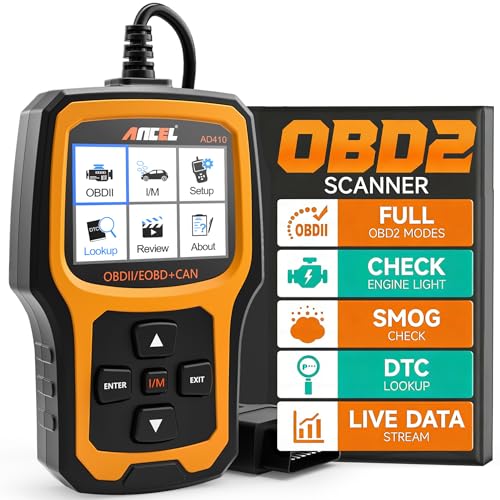
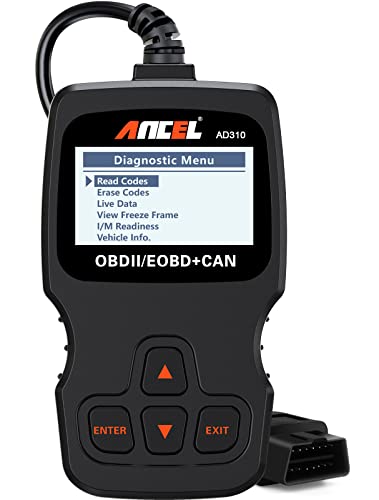

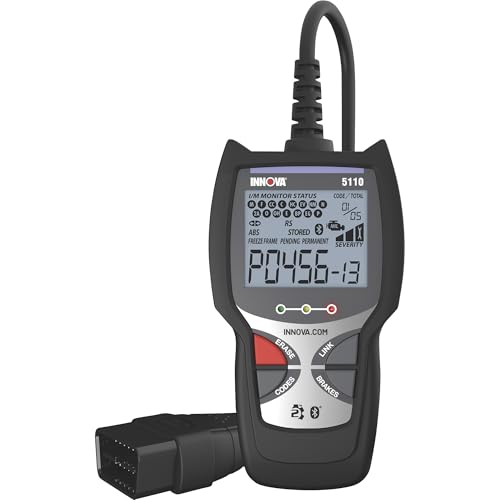
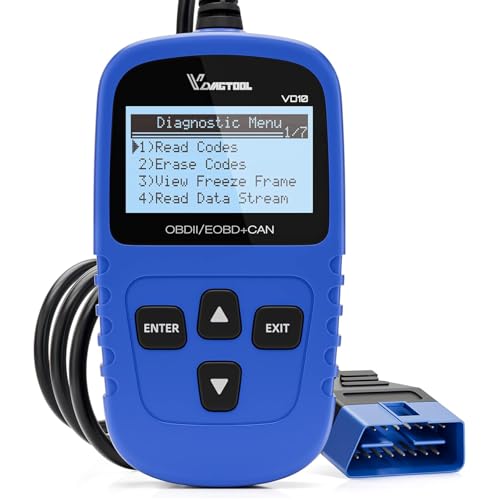
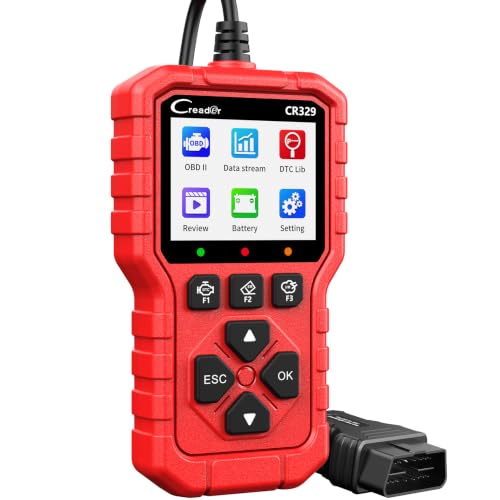

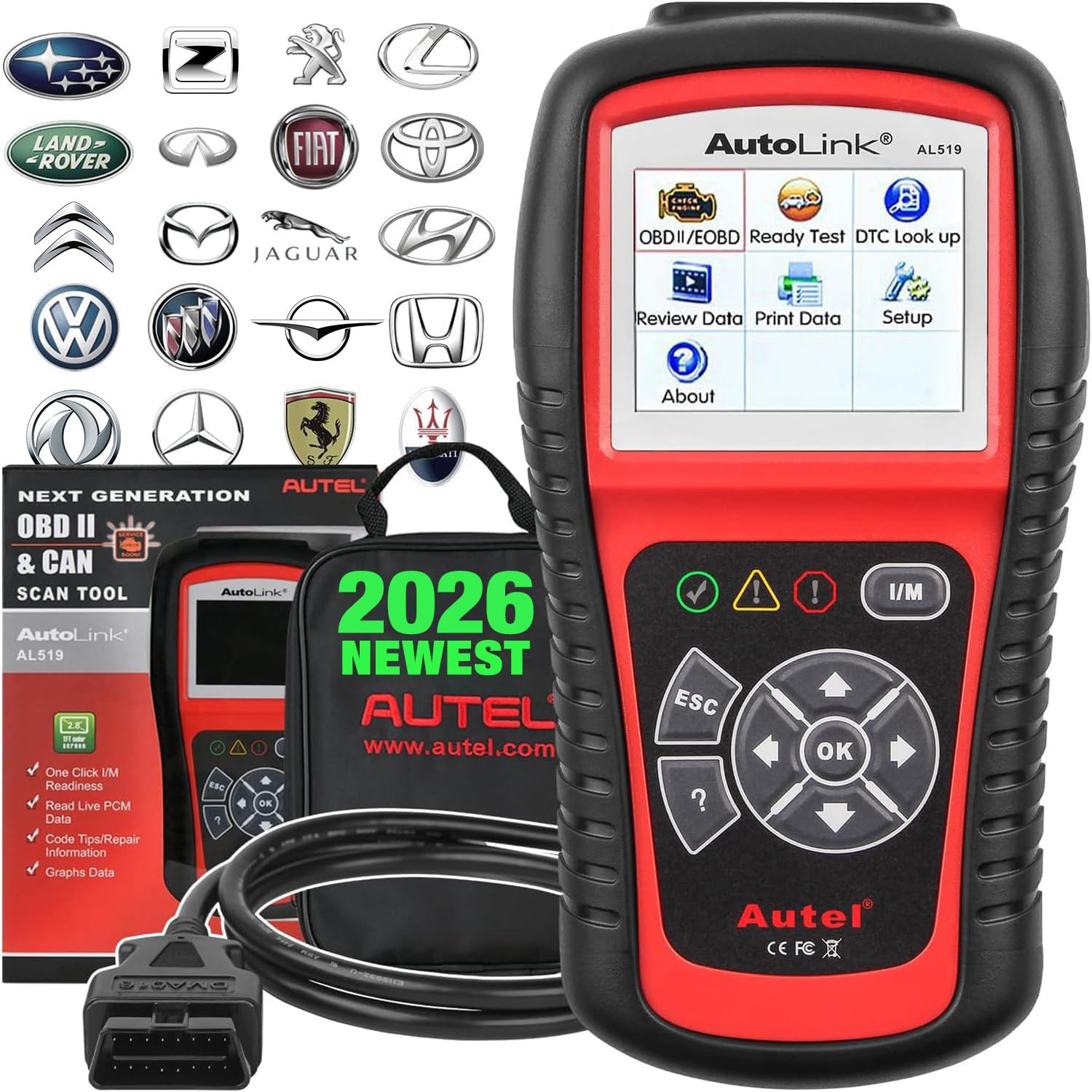
What a Check Engine Code Reader Does
Every gasoline car and light truck sold in the United States since model year 1996 has a diagnostic port, usually under the dashboard on the driver side. A code reader plugs into that port and asks the engine computer which faults it has stored. The answer arrives as a code, a letter followed by four digits, and most readers add a short definition such as "random misfire detected" or "evaporative system leak".
That code is a starting point, not a verdict. A code for an oxygen sensor circuit can come from the sensor, its wiring, or a leak upstream, so a reader tells you where to look and saves you from guessing. If you want to compare wider tool classes later, see the best engine code reader guide.
Types of Code Readers Compared
| Type | Best For | Typical Price |
|---|---|---|
| Basic handheld reader | reading and clearing engine codes with a short definition | about $20 to $60 |
| Enhanced handheld reader | live data, freeze frame and brake or air bag system codes | about $60 to $150 |
| Bluetooth dongle with an app | phone display, saved reports and code lookup | about $20 to $140 |
Basic Handheld Readers
A basic reader needs no phone, battery, or setup. It draws power from the car, shows the code and a one line definition, and clears the code after a repair. It is the easiest choice for a glove box and for anyone who only wants to know whether a light is a loose fuel cap or something bigger.
Enhanced Handheld Readers
Spending somewhat more adds live data, which streams values such as coolant temperature and fuel trim while the engine runs, and freeze frame data, a snapshot of conditions when the fault was stored. Many also read brake and air bag codes. These features help when a fault comes and goes, because you can watch what changes at the moment the problem appears.
Bluetooth Dongles
A dongle stays plugged into the port and sends data to a phone app. The big screen and saved history are handy, and a report can be shared with a mechanic. Check app costs before buying, because some charge for advanced features, and note that a dongle left plugged in can slowly drain the battery of a car that sits for days.
Key Features to Check
When you compare options for the best check engine code reader, these six points decide most of the difference in daily use.
- Vehicle coverage. Confirm the listing covers your make, model year and engine, since older, imported and diesel vehicles can be less predictable.
- Plain language definitions. A definition on screen saves a separate search for every code.
- Live data and freeze frame. Worth having if you fix cars yourself, optional if you only want to name a fault.
- Readiness monitors. These self tests show whether the car is ready for an emissions inspection.
- Screen and cable. A bright screen and a cable long enough to reach the seat make garage use easier.
- Update support. Free updates keep a reader useful for newer cars.
For tools aimed at the warning light itself, see the best check engine light reader guide, and for general tools, the best code reader guide.
Using a Code Reader Step by Step
- Find the diagnostic port under the dashboard and plug the reader in with the ignition off.
- Turn the key to the on position, or start the engine if the reader asks for it.
- Write down every code and any freeze frame values before doing anything else.
- Look up the definition, check the simple causes first, such as a loose fuel cap, and decide whether it is a job for you or a shop.
- After a repair, clear the code and drive normally to confirm the light stays off.
A flashing check engine light, loss of power, smoke or a rising temperature gauge means the car should not be driven further, so have it checked by a professional promptly. For brake, steering or air bag warnings, follow the vehicle manual and get qualified help.
Common Mistakes to Avoid
- Clearing a code before writing it down, which erases the record a mechanic could use.
- Replacing the part named in a code without further checks, because a code points to a circuit, not always a failed part.
- Buying without checking coverage for your exact year and make.
- Clearing codes right before an emissions inspection, which resets the readiness monitors and can lead to a refused test.
- Paying for bidirectional controls and coding features you will never use on your own car.
What Your Money Gets
At the low end, a basic reader reads and clears engine codes and little else, which is enough for a quick answer. In the middle, live data, freeze frame and brake and air bag coverage appear, and this is where most home mechanics find the best value. Above that, tools add system resets and two way controls that matter mainly to people working on several cars. Match the tier to what you will actually do on a Saturday, not to the longest feature list.
For other vehicle focused options, the best vehicle code reader and best car code readers guides cover more models.
Frequently Asked Questions
What does a code reader actually tell me?
It reads fault codes stored by the vehicle computer and usually shows a short definition for each. The code points to a system or sensor, but it does not always name the exact failed part, so check symptoms, wiring and service guidance before replacing anything.
Will one reader work on every car?
Most readers work on cars and light trucks built after the common onboard diagnostics standard took effect, but coverage of maker specific codes varies. Check your year, make and connector against the listing, especially for older cars and diesels.
Should I clear a code right away?
No. Clearing erases the stored fault and often turns off the light, but it does not fix the cause. Record the code first, address the likely cause, then clear it to confirm the repair.
Do I need live data?
Live data helps when a fault comes and goes or when you want to compare sensor readings with normal values. If you only want to know why a light came on, a basic reader is enough.
Can a reader harm my car?
A normal read does not change vehicle settings, and clearing codes only resets stored faults. Avoid changing settings you do not understand, and take care around a running engine.
Final Thoughts
Choose by coverage first, then by how deep you want your diagnosis to go. A basic handheld suits a quick answer, an enhanced model suits home repairs, and a dongle suits people who like a phone screen. Use the product table above to compare options, and you will find the best check engine code reader for your car without paying for features that stay unused.


