
Best Check Engine Light Scanner: Buying Guide for 2026
Disclosure: We may earn a commission when you buy through links on this page, at no extra cost to you. As an Amazon Associate I earn from qualifying purchases. Learn more

Choose a scanner for check engine lights with this guide to code reading, live data, readiness checks, system coverage and handheld or phone based types.
A glowing check engine light tells you the car has stored a fault, but not whether the cause is a loose fuel cap or a misfire that needs urgent attention. Choosing the best check engine light scanner lets you read that fault yourself, see the code in plain language, and decide whether to monitor the car, fix a simple cause at home, or book a repair with facts in hand.
This guide explains which features actually matter, from code coverage and live data to readiness checks and connection style. Use the comparison table below to match a scanner type to your car and how deep you want your diagnosis to go.




Who Should Buy a Check Engine Light Scanner?
The right detail level depends on how you will act on the results.
Drivers Who Want a Quick Yes or No Before a Shop Visit
If your goal is to know whether a warning light means a minor fault or a serious one before you pay for diagnosis, a simple scanner that reads and clears generic engine codes is enough. Note the code and arrive at the shop able to describe the fault clearly. A flashing check engine light, loss of power, smoke, or a rising temperature gauge means you should stop driving and call a professional mechanic right away, because a scanner reports faults but cannot make an unsafe car safe.
Home Mechanics Who Fix Simple Faults Themselves
If you replace sensors or track down vacuum leaks in your own garage, you need more than a code number. Look for live data, freeze frame records, and coverage beyond the engine so you can watch values change while the fault happens.
Households With Several Cars or an Older Vehicle
Families running two or three cars, or one older car that lights up often, get value from a scanner that stays in the glove box and works without setup. Broad vehicle coverage matters here, because one tool may serve a newer sedan, an older truck, and a teen driver car in the same week. A clear screen helps different drivers read a result without learning a new app each time.
Key Features to Compare
Choosing the best check engine light scanner comes down to six factors, starting with whether the tool can answer your question at all.
Code Reading, Code Definitions, and Clearing
Every scanner in this class reads generic powertrain codes, shown as a letter followed by four numbers, and most also read manufacturer specific codes that add detail for one brand. On screen definitions matter, because a plain language explanation saves you a separate search for every result. Clearing codes is useful after a repair, since it lets you confirm the light stays off.
Live Data and Freeze Frame Records
Live data streams real values while the engine runs, such as coolant temperature, fuel trim, oxygen sensor readings, and engine load. Watching those values helps you spot a sensor drifting out of range before it sets a code. Freeze frame data is a snapshot the car saves when a fault occurs, including speed and temperature at that instant. Drivers who only want to identify a steady light can skip both and pay less.
Readiness Monitors for Emissions Inspection
Readiness monitors are self tests the car runs on systems such as the catalytic converter, the evaporative system, and the oxygen sensors. A scanner that reports monitor status tells you whether the car has completed those tests since codes were last cleared. That matters before an emissions inspection, because an incomplete monitor can mean a refused test even when no light is on.
Coverage Beyond the Engine
Basic scanners talk only to the engine and transmission computers, while broader tools also reach the antilock brake, air bag, and steering systems. That extra reach helps when several warnings show at once, because one fault can trigger lights in more than one system. If you want that wider view from one tool, see our guide to the best engine scanner for models built around multi system diagnosis.
Vehicle Compatibility and OBD2 Protocols
In the United States, gasoline cars and light trucks from model year 1996 onward use the OBD2 standard, and diesel models followed a few years later, so almost any scanner here fits a typical family vehicle. Some tools handle heavy duty diesel trucks, some list support for specific brands more fully, and older or imported vehicles can be less predictable. Check the maker listing against your exact year, make, and engine before you buy, and favor tools with free software updates.
Connection Style, Screen, and Power Source
Handheld scanners carry their own screen and buttons and draw power from the car through the diagnostic port, so they work the moment you plug in. Dongle style tools send results to a phone app over Bluetooth or WiFi, giving you a larger display and easy saving of reports, but adding pairing steps and possible app fees. Cable length and screen brightness decide how pleasant a handheld tool feels in bright daylight.
Types of Check Engine Light Scanners Compared
The three common types differ mainly in how much they show you and how they connect.
Basic Code Readers for a Fast Answer
A basic reader plugs into the port under the dashboard, shows the code and a short definition, and lets you clear the code after a fix. It costs the least, often under $50, and needs no phone or charging. For drivers who only want to name a fault before calling a shop, see our guide to the best check engine light reader. The trade off is depth, since most show little live data.
Handheld Scanners With Live Data
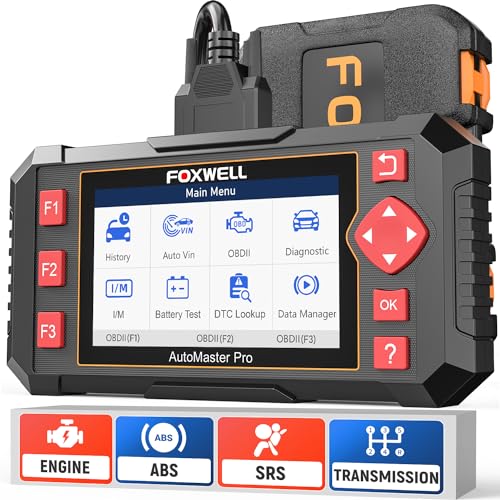
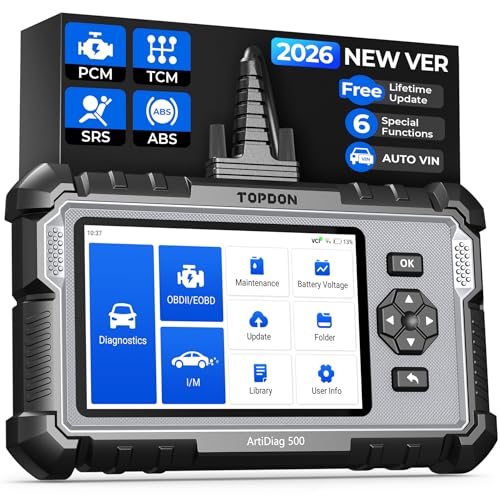
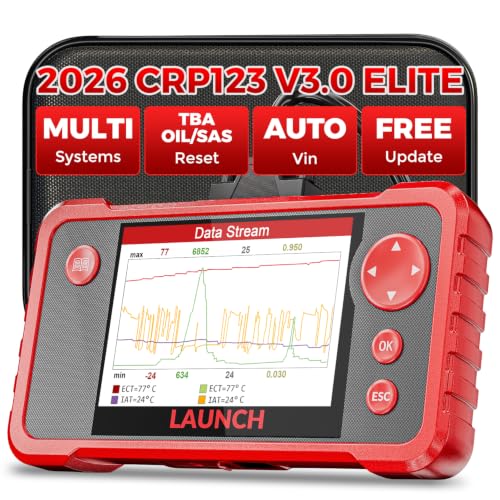
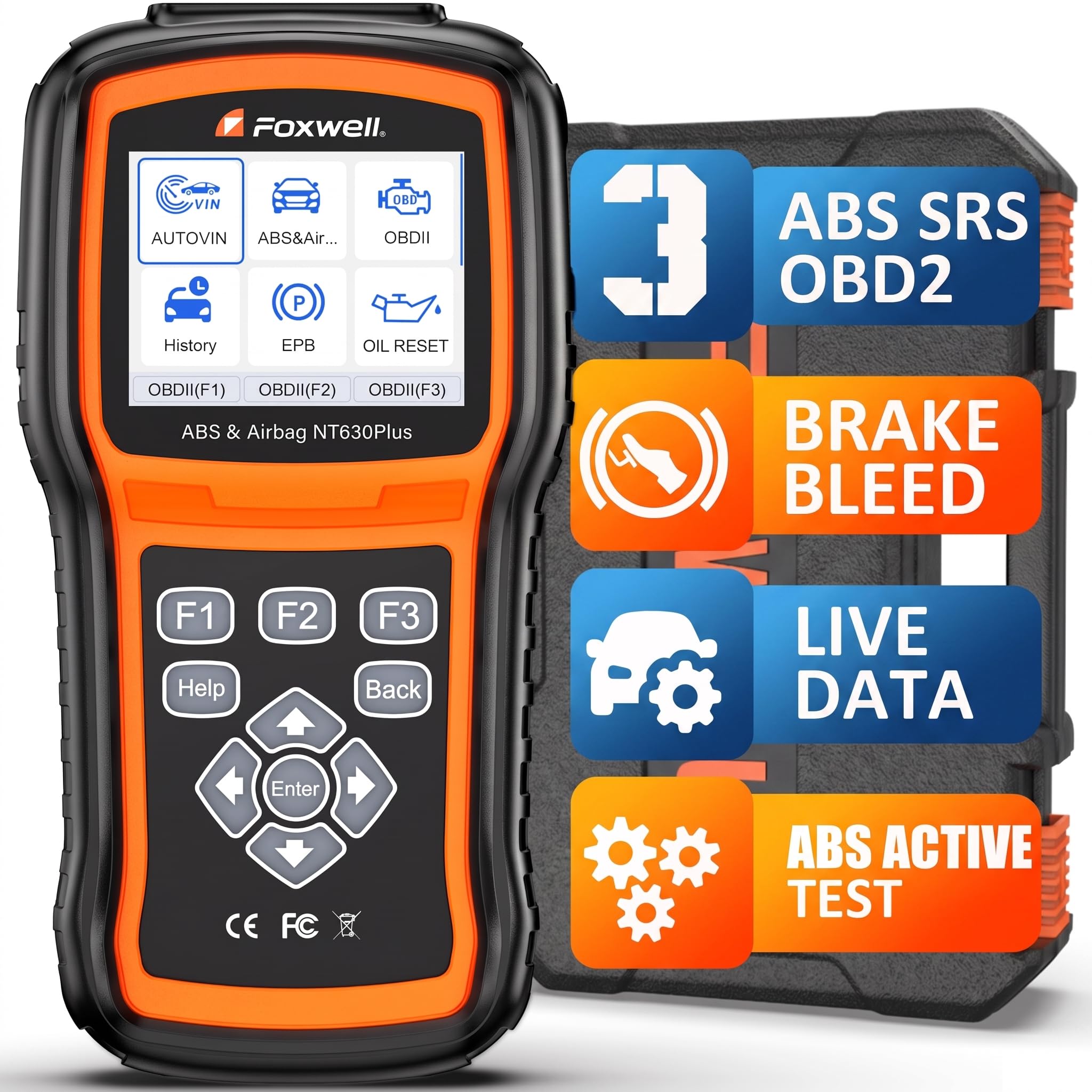
A handheld diagnostic scanner adds live data, freeze frame records, readiness screens, and often coverage of brake and air bag systems, typically about $60 to $250. Everything runs on the tool itself, so it suits garages and drivers who dislike app subscriptions. The screen is smaller than a phone, so read the coverage list for your car rather than trusting a general claim of full system support.
Bluetooth Dongles Paired With a Phone App
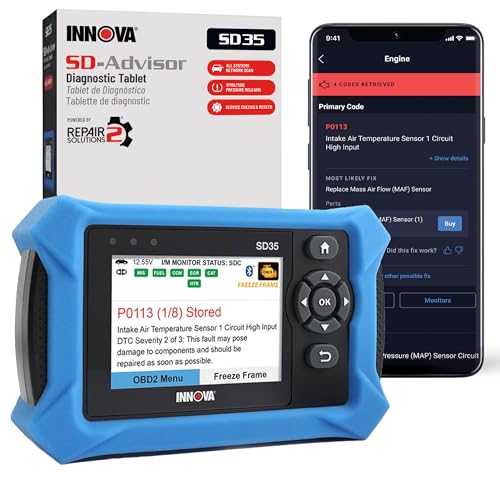
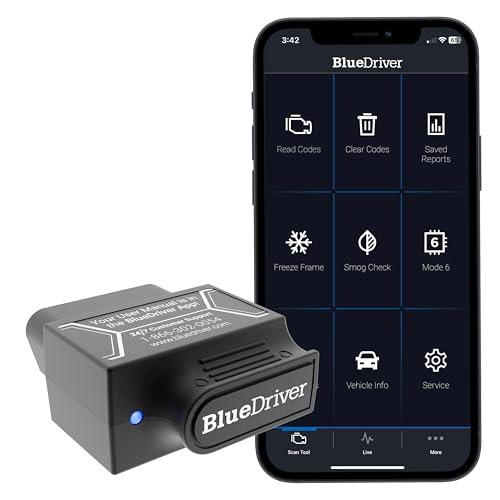
A small dongle stays plugged into the diagnostic port and sends data to an app, turning your phone into the display and storage. Good apps save reports you can send to a mechanic. Buyers comparing this route can also see our guide to the best engine code scanner. Watch ongoing cost, because some apps charge a subscription for advanced features.
Common Mistakes to Avoid
- Clearing a code before writing it down erases the freeze frame record and leaves you with nothing to show a mechanic.
- Replacing the part named in a code without further checks wastes money, because a code points to a circuit or system, not always to a failed part.
- Buying a scanner without checking coverage for your exact year and make can leave key systems unreadable on your car.
- Ignoring a flashing check engine light and continuing to drive can damage the catalytic converter and turn a small repair into a large one.
- Clearing codes right before an emissions inspection resets the readiness monitors and can cause the car to be turned away.
Care and Maintenance of a Check Engine Light Scanner
A scanner needs little care, but a few habits keep it ready. Store it in its case or a glove box pouch so the screen and connector pins stay clean and unbent, and keep it out of damp trunks where moisture can corrode the plug. Wipe the connector with a dry cloth if it picks up dust, and never force it into the port, since bent pins can break communication with the car. Check for software updates a few times a year, because updates add vehicle coverage.
FAQ
Can a check engine light scanner tell me exactly which part to replace?
No, a scanner reports which system or circuit the car found faulty, not a guaranteed failed part. A code for an oxygen sensor circuit can come from the sensor, its wiring, or an exhaust leak upstream. Use live data and a visual check of connectors and hoses before ordering parts, and treat the code as a starting point rather than the final answer.
Will a check engine light scanner work on a diesel truck?
Many will, but diesel coverage is less uniform than gasoline coverage. Light duty diesel pickups use the same OBD2 port, yet some scanners read only generic codes on them and miss diesel specific systems such as exhaust aftertreatment. Check the maker coverage list for your truck and engine, and choose a tool that names diesel support directly if you need more than basic code reading.
Does clearing a code with a check engine light scanner fix the problem?
No, clearing a code only turns off the light and erases the stored record. If the fault is still present, the car will detect it again during normal driving and the light will return, sometimes within a few trips. Clearing is meant for confirming a completed repair, so fix the cause first, then clear and drive to see whether the code stays away.
Where is the port that a check engine light scanner plugs into?
The OBD2 port sits under the dashboard on the driver side, usually above the pedals or near the steering column. It is a wide trapezoid shaped socket with sixteen pins, and it needs no tools to access on most cars. Plug the scanner in with the ignition off, then turn the key on or start the engine as the tool prompts.
Can a check engine light scanner drain a car battery?
A handheld scanner used for a normal reading session draws very little power and poses no real risk. The risk comes from leaving a Bluetooth dongle plugged in around the clock on a car that sits for days, because the dongle keeps drawing a small current. Unplug a dongle when the car will sit unused for more than a few days.
Our Verdict
Start with how you will act on a result. A basic reader suits a quick pre shop check, live data and broader system coverage serve home repairs, and a dongle suits drivers who like saved reports on a phone. The best check engine light scanner for you is the one whose coverage matches your car. Compare your shortlist against the product table above.


