Best Charcoal Smokers for Beginners (2026): Easy First Smokers
Disclosure: We may earn a commission when you buy through links on this page, at no extra cost to you. As an Amazon Associate I earn from qualifying purchases. Learn more

Learn how to choose the best charcoal smokers for beginners, from size and airflow to fuel, temperature control and easy first cooks.
Charcoal smoking rewards patience with deep flavour, and best charcoal smokers for beginners choices should prioritise easy temperature control over fancy features. The comparison table below lists the main types, and this guide explains what helps newcomers most. Stable airflow, simple fuel access and clear thermometers matter far more than size or styling.
Beginners often struggle with temperature swings, not with recipes. A smoker that holds steady heat with simple vent adjustments builds confidence fast. A temperamental smoker frustrates even experienced cooks. Choose forgiveness first, and advanced features later.
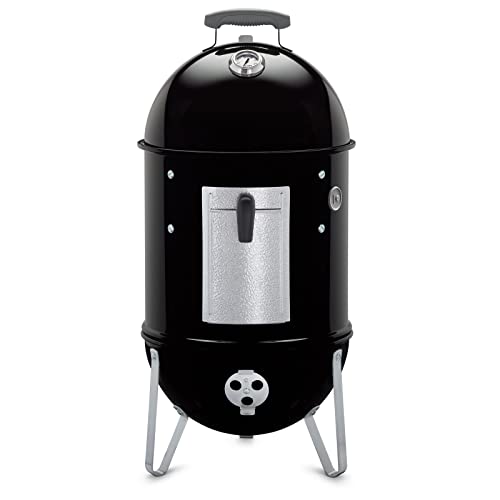


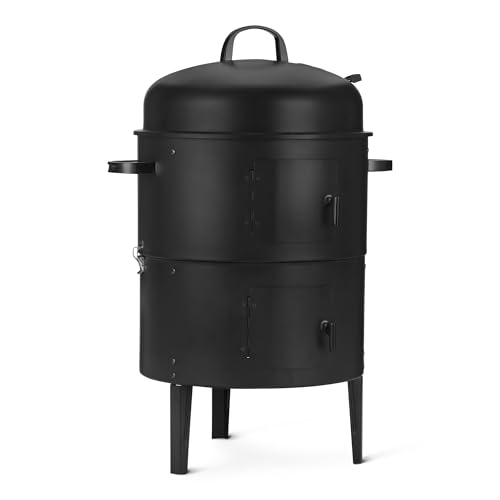


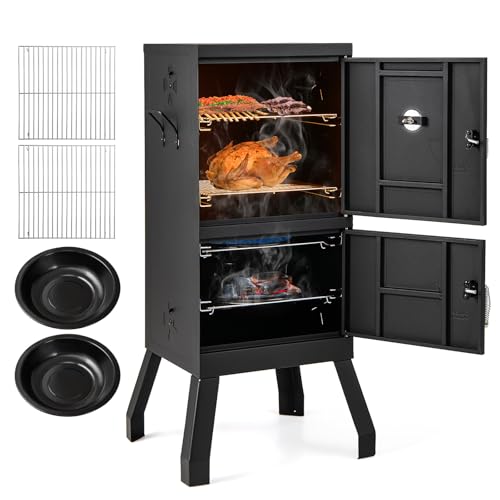
Size matters for fuel and food. A small smoker heats quickly and uses less fuel, but limits large cooks. A large smoker handles gatherings but needs more charcoal and attention. Start with a size that fits your usual cooking, not your largest imagined party.
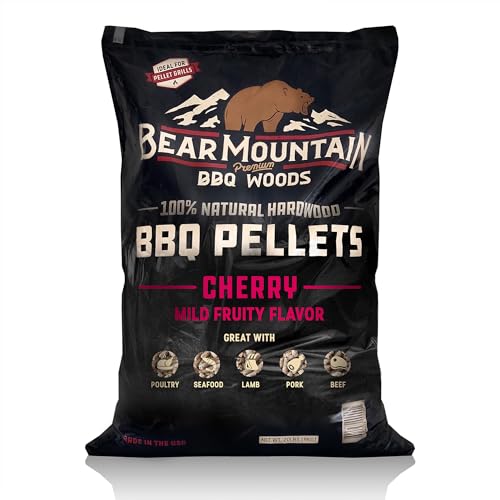
Smoke flavour profiles vary by wood type. Hickory gives strong, bacon like flavour suited to pork. Oak gives medium, versatile smoke for most meats. Fruit woods like apple and cherry give mild, sweet smoke for poultry and pork.
Mesquite gives intense flavour that can overwhelm delicate meats. Learning wood profiles transforms good smoked food into memorable food.
Who Should Start With Charcoal Smoking
Patient beginners who enjoy outdoor cooking and slow weekends suit charcoal smoking well. It rewards attention and learning, and the results impress guests. If you love grilled food and want deeper flavour, smoking is a natural next step.
Busy cooks who want set and forget convenience may prefer electric or pellet smokers, which automate temperature control. Charcoal suits those who enjoy fire management as part of the hobby. Be honest about your time and patience before committing to charcoal.
Key Features to Compare
Airflow control is the most important feature. Dampers should move smoothly and hold position. Seals should limit leaks, since leaking smokers waste fuel and swing temperatures. A good thermometer at grate level matters more than a lid thermometer, which reads hotter air above the food.
Fuel access shapes convenience. Side doors or removable sections let you add charcoal without lifting food. Ash management matters too: easy ash removal keeps airflow clear and cleanup simple. Cooking grate size and number of racks decide how much food fits per session.
Types of Charcoal Smokers
Bullet smokers, with their vertical shape, suit beginners well: they hold steady temperatures, use fuel efficiently and cost modestly. Offset smokers offer classic style and larger capacity but demand more skill and fuel. Kettle grills with smoking setups suit those who already grill and want to try smoking cheaply.
Drum smokers offer simple, efficient designs with good capacity, though quality varies by maker. For a first smoker, a bullet style or a kettle setup usually teaches fundamentals with least frustration. Upgrade later once you understand airflow, fuel and timing from experience.
Fuel, Wood and Temperature Control
Use quality lump charcoal or briquettes from reputable makers, since cheap fuel burns unevenly and adds off flavours. Start with a modest amount and learn your smoker response before chasing high heat. Wood chunks add flavour; chips burn faster and suit shorter cooks. Avoid treated or painted wood entirely.
Control temperature with vents, not by constantly opening the lid. Small vent adjustments, patience and a reliable thermometer beat frequent peeking. Target ranges vary by meat, but steady heat matters more than hitting an exact number. Keep a simple cook log noting fuel, vents and results to learn faster.
Safety, Placement and First Cooks
Place smokers outdoors on stable, non flammable surfaces away from buildings, fences and overhangs. Keep a fire extinguisher or water nearby, and never leave a lit smoker fully unattended. Dispose of ash only after it is completely cold, since hidden embers stay hot for hours.
Start with forgiving cooks: chicken thighs, pork shoulder or sausages tolerate temperature swings better than brisket. Learn one recipe well before experimenting. Food safety matters: use a meat thermometer, keep raw and cooked foods separate and refrigerate leftovers promptly. Good habits make smoking safe and enjoyable.
Quick Checklist Before You Buy
- Favour smooth dampers and tight seals for steady heat.
- Check grate level thermometer accuracy.
- Choose size for usual cooks, not rare parties.
- Start with forgiving meats while learning control.
- Place smokers safely away from buildings.
Related guides on charcoal grills, electric and pellet smokers and beginner meat smokers can help you compare fuel types before you commit. best charcoal grills and smokers, best electric smokers for beginners, best meat smokers for beginners, best beginner smoker grills, best pellet smokers for beginners.
Getting the Most From Your Choice
Weather affects charcoal smoking more than beginners expect. Wind increases fuel use and temperature swings, while rain cools smokers and dampens fuel. Sheltered placement helps, but never smoke in garages or enclosed spaces due to carbon monoxide risk. On windy days, position the smoker with vents sheltered and monitor temperatures more often.
Resting meat after smoking improves results dramatically. Resting lets juices redistribute and temperatures equalise, producing moister meat. Tent loosely with foil and rest for at least 20 minutes for large cuts, longer for brisket and pork shoulder. Cutting too early loses juices and dries the best smoked meat, so patience at the end matters as much as patience during the cook.
A Final Check Before You Order
Cleaning and maintenance keep smokers performing well. Remove ash after each cook once cold, brush grates while warm and inspect seals periodically. Grease buildup creates flare ups and off flavours, so clean drip areas regularly. A well maintained smoker holds temperature better and lasts years longer than a neglected one.
Community learning accelerates smoking skill. Online forums, local barbecue groups and cookbooks offer recipes and troubleshooting that shorten the learning curve. Sharing cook logs and photos helps experienced smokers spot issues quickly. Smoking is a social hobby, and learning together makes early mistakes less frustrating and more fun.
Keeping a simple smoking journal accelerates learning more than any single gadget. Note the date, meat, weight, fuel amount, vent settings, weather and results for each cook. Patterns emerge quickly: you will learn how your smoker behaves in wind, how much fuel a long cook needs and which wood suits each meat. Reviewing the journal before each cook prevents repeating mistakes and builds confidence faster than memory alone, turning early experiments into reliable, repeatable results.
A chimney starter simplifies charcoal lighting enormously for beginners. It lights fuel evenly without lighter fluid taste, and it gives a visual cue when coals are ready. Learning chimney use early removes one variable from temperature control and makes every cook more predictable. A chimney starter costs little and quickly becomes an essential part of the smoking routine.
Frequently Asked Questions
How hard is charcoal smoking for beginners?
Charcoal smoking takes practice, but beginners succeed with a forgiving smoker, good thermometer and patient vent control. Temperature swings are normal at first. Start with forgiving meats, keep a cook log and adjust vents in small steps. Most beginners produce tasty results within a few cooks.
Bullet or offset smoker for a beginner?
Bullet smokers suit beginners better, since they hold steady temperatures, use fuel efficiently and cost less. Offset smokers offer larger capacity and classic style but demand more skill, fuel and attention. Start with a bullet smoker or kettle setup, then consider an offset once airflow and fire management feel natural.
What charcoal should beginners use?
Use quality lump charcoal or briquettes from reputable makers for even burning and clean flavour. Avoid cheap, dusty fuel and never use treated wood or lighter fluid soaked products that add chemical tastes. Wood chunks suit longer smokes, while chips suit shorter cooks. Store fuel dry for consistent performance.
How do I control temperature in a charcoal smoker?
Control temperature mainly with air vents: open vents raise heat, closed vents lower it. Make small adjustments and wait patiently, since smokers respond slowly. Keep the lid closed as much as possible and trust a grate level thermometer. Fuel amount and ash buildup also affect heat, so manage both during long cooks.
Is charcoal smoking safe?
Charcoal smoking is safe with sensible precautions: place smokers outdoors away from buildings, keep children and pets clear, never leave a lit smoker fully unattended and dispose of ash only when completely cold. Use a meat thermometer for food safety and keep raw and cooked foods separate. Carbon monoxide risks mean never smoking indoors or in enclosed spaces.
Final Thoughts
A first charcoal smoker should teach, not frustrate. Use the product table above to compare airflow, fuel access and size, then start with a forgiving model and forgiving recipes. Steady heat and patience matter more than expensive features.
Learn vent control, keep a cook log and enjoy the process. With a few cooks behind you, charcoal smoking becomes a relaxing, rewarding hobby that fills weekends with great flavour and good company.
Patience, steady heat and good fuel turn beginners into confident smokers faster than expected, and best charcoal smokers for beginners should make those first cooks enjoyable, not stressful. Use the product table above to compare forgiving models, then fire up and learn by doing.