Best Charcoal Grill for Camping (2026): Size, Type and Buying Guide
Disclosure: We may earn a commission when you buy through links on this page, at no extra cost to you. As an Amazon Associate I earn from qualifying purchases. Learn more
A plain guide to the best charcoal grill for camping: grill types, sizes, running costs and care for your space and household.
Your car is packed tight, the tent goes up late, and dinner still has to happen before dark. That is the moment a bulky backyard grill proves it was the wrong choice. The best charcoal grill for camping is small enough to ride in the trunk, steady on uneven ground, and quick to light with a measured pile of briquettes. It also shuts down fast, since few campers want to guard hot coals while everyone else heads to the campfire.
This guide matches grill size and style to your group, your vehicle space, and the rules at your site. You will see how cooking area, lid vents, ash handling, and build quality change a real trip. The comparison table below lays the main camping styles side by side. If you also cook at home, our guide to the best charcoal grill covers larger backyard options.


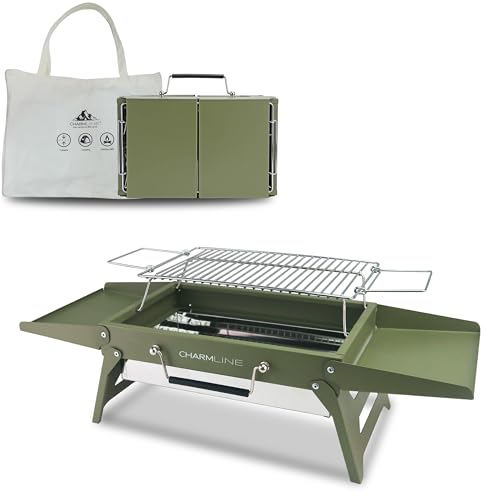


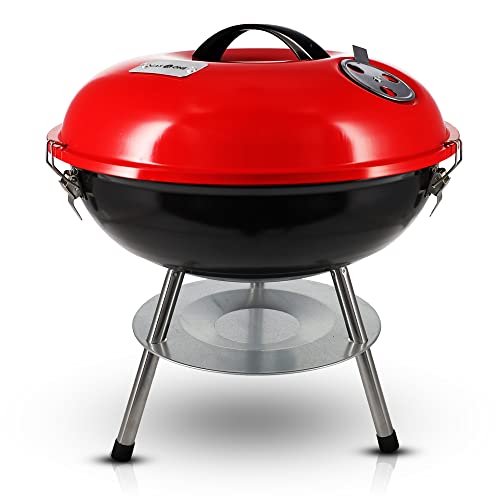
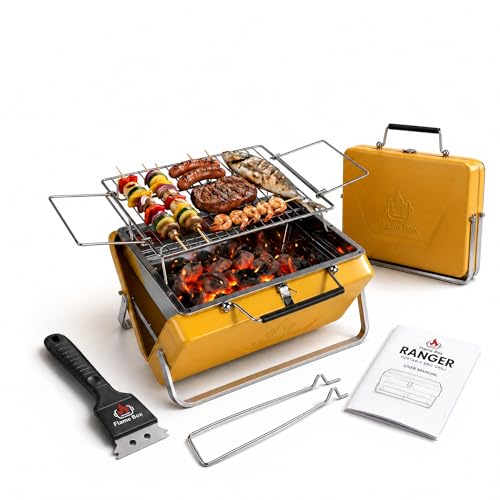
Quick Answer: The Styles That Earn Their Trunk Space
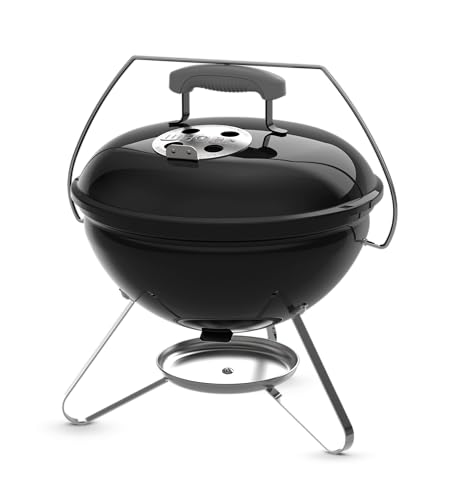
For most car campers, a small kettle is the safest default. The lid holds heat in wind, the round grate fits burgers, corn, and a skillet, and the bowl contains ash better than an open grate. Solo campers and couples can go smaller with a hibachi or tabletop style that heats fast and cools sooner for packing.
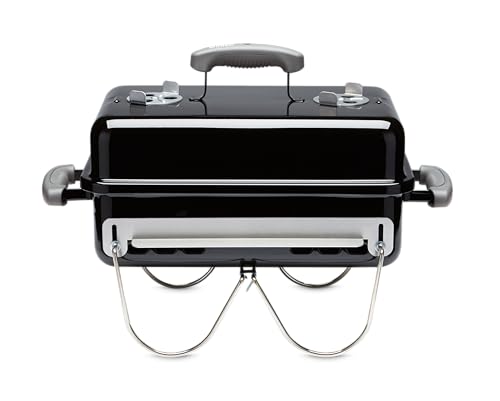
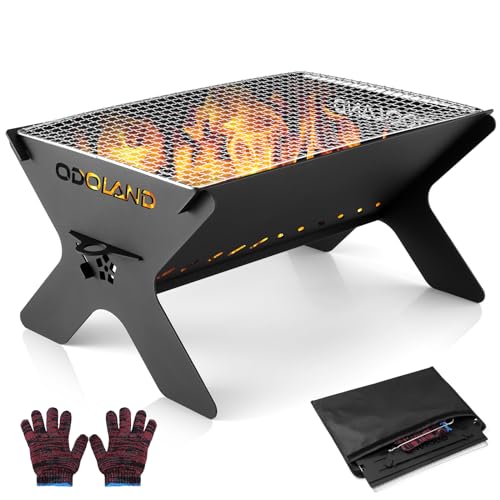
If trunk space is your tightest limit, look at folding portable styles with legs that tuck under the body. Our roundup of the best portable charcoal grill designs shows how much cooking area you give up as packed size drops.
Before You Buy: A Quick Checklist for Choosing a Charcoal Grill for Camping
Camping changes what matters in a grill. Weight, packed size, wind, and site rules count as much as cooking power. When you shop for the best charcoal grill for camping, work through the checks below in order, and the right size and style usually become obvious before you spend anything.
Size: Match It to Your Space and Your Group
Start with packed size, not grate size. Measure the corner of your trunk or storage bin that the grill must share with a cooler and a tent, then check its footprint with legs folded or removed. A grill that fits only when the car is half empty will get left at home by the third trip.
Then match the grate to your group. A 14 inch grate gives about 154 square inches and handles dinner for two or three people in one batch. An 18 inch grate gives about 254 square inches and feeds four or five people without a second round of coals. A 22 inch kettle feeds a crowd but fills most small trunks.
Which Type Fits Your Routine
Kettle grills are the all rounders, since the deep bowl and lid support both direct grilling and gentler covered cooking. Hibachi styles are open and shallow, built for skewers, burgers, and steaks cooked close to the coals. Tabletop models sit low and suit two people who cook simple meals and value a tiny packed size.
Barrel, offset, kamado, and Santa Maria styles cook well at home, but their weight and bulk fight against camping. Leave them off your list unless you keep a fixed base camp.
Features Worth Paying For, and Ones to Skip
Pay for a lid with adjustable vents, since vents are your heat control and your shutdown method in one. An ash pan or catcher earns its place too, because it speeds cleanup and keeps embers contained when you pack up. Sturdy legs, a secure latch, and handles on both sides also pay off on every trip.
Skip extras that add bulk without feeding anyone. Side tables fold out where space is already tight, rotisserie kits need power and packing room, and built in thermometers often read lid air instead of grate heat. For long smoky cooks at home, our guide to the best charcoal grill with smoker covers those larger setups.
Fuel and Running Cost
Charcoal is a packing cost as well as a money cost. A small camping grill usually lights about half a chimney of briquettes per meal, so a standard bag, around $10 to $20, can cover several trips. Briquettes burn steady and even, which helps new cooks. Lump charcoal lights faster and burns hotter, but its pieces vary in size. Store either kind in a sealed dry bin, since damp charcoal lights poorly.
Cooking Area and Heat Output
Charcoal grills carry no BTU rating, so judge heat by grate area, coal depth, and airflow instead. A wider grate lets you build two heat zones, with coals banked on one side and open space on the other for food that needs gentler heat. Bowl depth matters too, since a grate set a few inches above the coals lets you tame flare ups by moving food.
Build Materials and Rust Resistance
Porcelain coated steel is the common camping choice, since it shrugs off heat, wipes clean, and keeps weight low. Thicker steel holds heat steadier in wind and resists dents in a rattling trunk. Cast iron grates sear beautifully but add real weight and need seasoning to stay rust free. Thin painted steel costs least and rusts fastest, especially after nights of dew. Check that leg joints and lid handles feel solid, since those parts tend to fail before the bowl does.
Realistic Budget Ranges
Under $100 buys simple hibachi and tabletop styles with basic vents and thin steel, fine for a few trips each year. About $100 to $200 is the practical middle, where small kettles gain ash catchers, better lids, and sturdier legs. About $200 to $300 buys heavier portable builds with thicker steel and parts that are easier to replace. Save extra money for a chimney starter and a cover.
Types Compared: Three Shapes That Cover Most Trips
Small Kettle Grills for Car Camping
The small kettle is the default for families who drive to their site. The covered bowl handles wind, holds enough food for one sitting, and contains ash on the drive home. Look for a latching lid and legs that remove or fold. Our notes on the best small charcoal grill options cover grate height and vent placement in more detail.
Hibachi and Tabletop Grills for Two
Open hibachi grills cook fast over a shallow bed of coals and suit couples who grill skewers, chops, and vegetables in small batches. They weigh very little, but they offer no lid, so wind steals heat and thick cuts cook unevenly. Use one on a stable heat safe surface, never on a plastic camp table, and plan on cooking in rounds.
Folding Portable Grills for Tight Spaces
Folding designs trade grate area for a slim packed shape that slides beside a cooler or under a seat. They suit solo campers and anyone whose vehicle is already full. Check the leg locks before you buy, since a wobble on uneven ground can become spilled food. Expect simple direct grilling rather than covered roasting, and bring a small brush.
Our Selection Process for the Best Charcoal Grills for Camping
We compare camping grills on cooking area, heat control through vents, build quality, fuel use per meal, and how easily they assemble and clean. We rely on maker specifications and patterns in verified buyer reports about travel and outdoor use.
Living With It: What Really Matters in a Charcoal Grill for Camping
Wind is the daily reality of outdoor cooking. Set the grill on the sheltered side of your vehicle or a rock, open the lower vents a bit more than you would at home, and keep the lid down between flips. A chimney starter makes lighting cleaner and faster, and our walkthrough on how to start a charcoal grill shows the timing for full and half chimneys.
Placement protects your site and your gear. Keep the grill well away from tent walls, dry grass, and overhanging branches, and never leave it while coals are lit. Vent control is also fire control, and the guide on how to use a charcoal grill explains how small vent changes steady the temperature without fresh coals. Let ash cool fully before you seal it in a metal container.
Common Mistakes to Avoid
Most camping grill regrets come from packing and placement, not from cooking. Watch for these five errors.
- Choosing a grill by grate size alone, then finding it no longer fits once the cooler and tent are loaded.
- Dousing charcoal in lighter fluid instead of using a chimney starter, which flavors the food and flares as you lean in.
- Setting the grill on dry grass or a wobbly table, where one bump can tip hot coals onto the ground.
- Packing the grill while ash still holds heat, which can melt nearby gear and damage the inside of your car.
- Ignoring a campground fire ban and lighting up anyway, which risks a fine and can get your group asked to leave.
Cost of Ownership and Care
Running costs stay modest. Charcoal for a weekend of dinners costs only a few dollars, and a chimney starter and brush are one time purchases that last for years. The parts worth pricing before you buy are the cooking grate and the ash pan, since both live closest to the heat and wear first.
Care is simple but not optional. Empty ash after every trip once it is fully cold, since ash pulls moisture from the air and rusts the bowl from the inside. Wipe the grate, dry the grill before storing it, and keep it covered between trips. A light coat of cooking oil on a cast iron grate helps it resist rust in storage.
Your Questions, Answered
Can you use a charcoal grill at any campsite?
No, and the rules change with the season. Many parks limit fires to provided rings during dry months, and some ban charcoal entirely while still allowing gas stoves. Check the park page before you leave, read the entrance board when you arrive, and ask the site host if anything is unclear.
How long does a charcoal grill for camping take to cool down before packing?
Longer than most campers expect. Closing the vents starves the coals, but a half chimney of briquettes can hold unsafe heat for two hours or more, and ash insulates embers even longer. Plan your last cook early, close every vent when you finish, and leave the grill standing until the bowl feels cool to a careful touch. When in doubt, wait until morning.
Is a charcoal grill for camping better than a small gas grill for camping?
It depends on what you value at the site. Charcoal gives stronger searing heat and the flavor most campers want, and spare fuel is sold at almost any store near a park. Gas lights in seconds, adjusts with a knob, and stays legal in some places where charcoal is banned. For taste and simple gear, choose charcoal. For quick breakfasts in any weather, gas is easier.
Can you use a tabletop charcoal grill on a picnic table?
Only with a barrier under it, and never on a plastic or resin table. Wood tabletops scorch from the heat radiating below a shallow bowl, and the damage can cost you a deposit at rental sites. Set the grill on a metal tray, a flat stone, or its own stand, with clear space on every side. Bare dirt or gravel is safer whenever the site allows it.
How do you keep charcoal dry on a rainy camping trip?
Portion it before you leave home. Seal one meal worth of briquettes in each of a few sturdy bags, and store the bags in a lidded bin that rides in the car rather than an open truck bed. Keep one bag unopened as a backup, since fresh charcoal lights far more easily than charcoal that sat in damp air.
Final Thoughts
The right camping grill fits your vehicle, feeds your group in one batch, and shuts down safely when dinner ends. Small kettles cover most car campers, hibachi styles serve couples who pack light, and folding models rescue the tightest trunks. Compare the shapes in the product table above against your packing space and site rules, and the best charcoal grill for camping for your trips will be an easy call.