Best Charcoal for Kamado Grills: Matching the Right Fuel to Your Routine for 2026
Disclosure: We may earn a commission when you buy through links on this page, at no extra cost to you. As an Amazon Associate I earn from qualifying purchases. Learn more

Match the best charcoal for kamado grills to how you cook, from lump size and ash output to burn time, so you avoid overpaying for fuel.
There is no single charcoal that suits every kamado cook, because the fuel that sears a steak beautifully can be a frustrating choice for an overnight brisket. The best charcoal for kamado grills depends on how you actually cook, how often you light the grill, and how much ash and fuss you are willing to manage.
This guide matches charcoal types to real routines instead of naming one winner. Use the comparison table below to see how the main options differ, then read on for the details that decide burn time, flavor, and value.


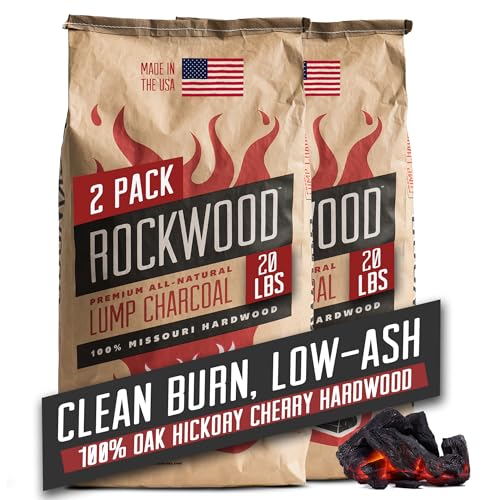
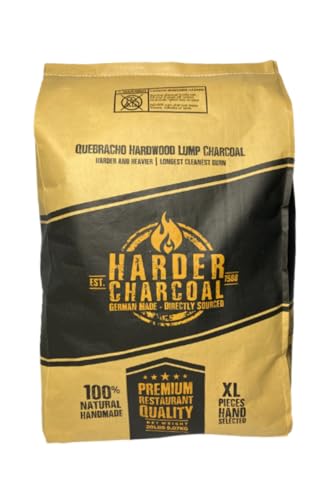


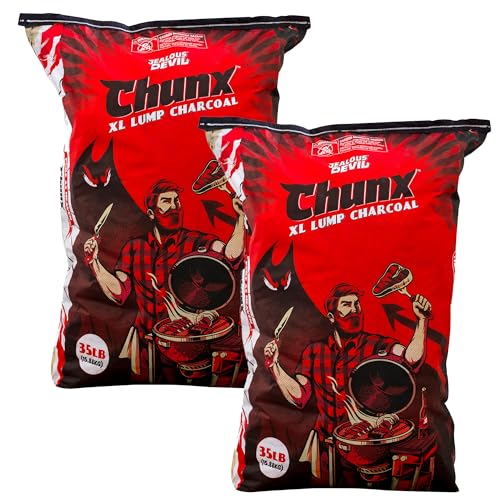
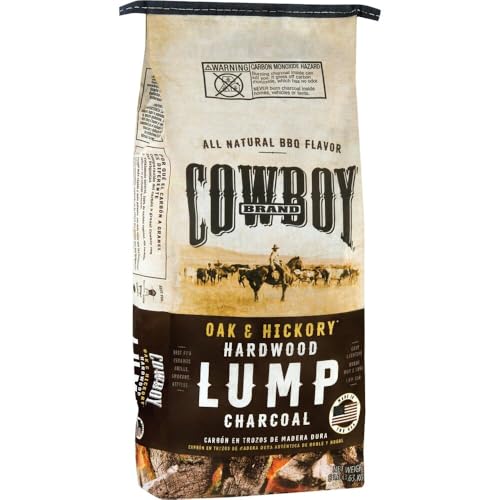
Who Should Buy Which Charcoals?
For Weekend Beginners
If you are still learning vent control, choose a consistent lump charcoal with medium sized pieces and few tiny fragments. Uniform pieces light evenly, respond predictably when you adjust the vents, and forgive small mistakes. Avoid bargain bags full of dust and gravel sized bits, because they choke airflow and make temperature swings worse while you are learning.
For Small Spaces and Easy Storage
Apartment and small patio cooks should think about bag size and mess as much as burn quality. Smaller bags around 8 to 10 lb are easier to store in a dry bin and to lift, and they stay fresh because you use them up faster. A sealed plastic bin with a tight lid keeps charcoal dry on a balcony, and dry charcoal lights faster with far less smoke.
For Bad Weather and Tough Conditions
If your kamado lives outdoors all year, moisture resistance matters more than almost anything else. Charcoal absorbs humidity from the air, and damp lumps sputter, smoke heavily, and struggle to pass 300 degrees. Store fuel indoors or in a sealed bin, buy smaller bags in humid months, and favor dense hardwoods that relight well after a partially burned cook.
Key Features to Compare
Fuel Type: Lump, Briquettes, and Specialty Woods
Lump charcoal is simply charred hardwood, and it is the standard choice for kamado cooking because it burns hot, leaves little ash, and responds quickly to vent changes. Briquettes burn more evenly and often longer per pound, but their binders and fillers produce much more ash, which restricts airflow during long cooks in a kamado. Premium dense lump from woods such as oak or quebracho costs more and delivers the longest, steadiest burns.
Cooking Area and Capacity
Match bag size and piece size to your grill diameter. A large kamado cooking for a crowd needs big lumps that fill the firebox without packing tight, while a compact kamado wastes money on oversized pieces you must break apart. As a rough guide, a full firebox for a low and slow session uses about 3 to 5 lb of lump, so a 20 lb bag covers roughly four to six long cooks.
Heat Output and Temperature Range
A good kamado fuel must do two opposite jobs: hold about 225 to 250 degrees for hours, then surge past 600 degrees for a hard sear on cast iron grates. Dense lump with a mix of large and medium pieces handles both, because large pieces burn slowly at the base while smaller ones catch quickly for high heat. Charcoal made from softer woods lights fast but burns out sooner, which suits quick weeknight cooks better than briskets.
Features That Matter for Kamado Grills
Kamado grills are airtight and fuel efficient, so low ash output is the single most important charcoal trait. Excess ash insulates the fire and blocks the lower vent, and temperatures fade mid cook. Look for lump with minimal dust in the bag, pieces mostly larger than a golf ball, and no construction scrap, which you can spot as milled edges or plywood layers. If you want a focused shortlist, see our guide to the best lump charcoal for kamado grills for the kamado specific options.
Temperature Control and Smart Features
Charcoal choice and temperature control work together. Consistent piece size gives your vents, or a fan controller with a meat probe, something predictable to manage. Start with less lit charcoal than you think you need, catch the temperature on the way up, and close vents in small steps. Overshooting is easy in an insulated kamado, and bringing the temperature back down takes far longer than raising it.
Common Mistakes to Avoid When Buying Charcoals
- Buying on price alone. Cheap bags often hide dust and tiny pieces, so the usable fuel per dollar is worse than a mid priced bag.
- Using self lighting charcoal. Chemical starters soak into the ceramic and taint food flavor for many cooks afterward. Use a chimney, an electric starter, or plain starter cubes instead.
- Ignoring ash output. High ash briquettes can smother a kamado fire during an overnight cook even when they work fine in an open grill.
- Storing the bag open outdoors. Damp charcoal is the most common hidden cause of weak heat and heavy smoke.
- Mixing old and new fuel carelessly. A layer of dust and crumbs at the bottom of the firebox blocks airflow, so shake out fines before a long cook.
Fuel is only half of the setup. If you are also choosing the grill itself, our overview of the best quality charcoal grills explains what separates durable models from flimsy ones, and the broader guide to the best charcoal grills and smokers covers combo units for people who want one cooker to do both jobs.
Care and Maintenance Tips
After each cook, close both vents fully so the fire dies and unburned lump stays usable for next time. Before the next session, stir the remaining charcoal to drop ash through the grate, and top up with fresh pieces. Clean out the ash drawer once it is a third full, because a deep ash bed steals firebox volume and slows lighting. Keep cast iron grates brushed while warm and lightly oiled to prevent rust.
Safety matters with every charcoal cook. Never use a kamado indoors or in a garage, because charcoal produces carbon monoxide that can build up silently. Keep the grill on a stable, non flammable surface away from siding and railings, let ash cool fully in a metal container for at least 48 hours before disposal, and keep children and pets clear of the hot ceramic shell.
FAQs
What features matter most in charcoals for kamado grills?
Low ash, dense hardwood, and large consistent pieces matter most. Those three traits keep airflow open during long cooks, stretch burn time per load, and make vent adjustments predictable. Check the bag by feel before buying if you can: it should feel chunky, not like gravel, and the first handful you pour out should contain very little dust or powder.
What type of charcoal gives the best flavor?
Oak and hickory lump give the strongest classic smoke flavor, while fruitwoods such as apple and cherry taste milder and sweeter. Remember that in a kamado most smoke flavor comes from wood chunks you add, not the charcoal itself, so choose charcoal for clean steady heat and add two or three fist sized wood chunks for the flavor profile you want.
Can I use a charcoal on a balcony?
Only if your building and local fire code allow charcoal grills on balconies, and many do not. Check your lease and municipal rules first, because charcoal units are banned on combustible balconies in many cities. If charcoal is prohibited, the cooks in our guide to the best charcoal barbecue grills will translate well to an approved ground level space or a shared courtyard instead.
How long should a good charcoal last?
A full firebox of quality lump typically burns about 12 to 18 hours at smoking temperatures in an insulated kamado, and far less at searing heat. In the bag, charcoal keeps indefinitely if it stays dry. If a stored bag has absorbed moisture, spread the pieces in the sun for a few hours or discard the worst of them, because damp fuel never burns at full strength.
How often should I clean my charcoal?
You do not clean charcoal itself, but you should sort it before every long cook. Shake the firebox grate, remove small spent pieces and ash, and keep reusable lumps that still feel dense and sound hollow when knocked together. Pieces that crumble to powder are done. A quick sort takes two minutes and prevents most mid cook temperature fades.
Is a pellet grill worth it?
A pellet grill is worth it if you value push button temperature control over fuel craft, but it is a different cooker, not a charcoal substitute. A pellet hopper feeds fuel automatically, yet the smoke flavor is lighter and the top temperature is lower than a kamado at full sear. Many households keep the kamado for high heat and long charcoal burns and skip the second cooker entirely.
Budget shapes the decision too. If your whole setup has to stay lean, the picks in our guide to the best affordable charcoal grills show where a kamado style cooker fits a modest budget, which leaves more room to buy better fuel.
Final Thoughts
Start with three checks: low ash, dense hardwood pieces, and a bag that feels chunky rather than dusty. Match piece and bag size to your grill and your storage space, keep the fuel dry, and your kamado will hold low and slow temperatures for hours and still sear on demand. Compare your finalists in the product table above, and you will land on the best charcoal for kamado grills for the way you actually cook.