Best Charcoal and Pellet Grills: Buying Guide for 2026
Disclosure: We may earn a commission when you buy through links on this page, at no extra cost to you. As an Amazon Associate I earn from qualifying purchases. Learn more
Compare charcoal and pellet grills by fuel, cooking area, temperature control and cleanup, with practical buying guidance to help you choose with confidence.
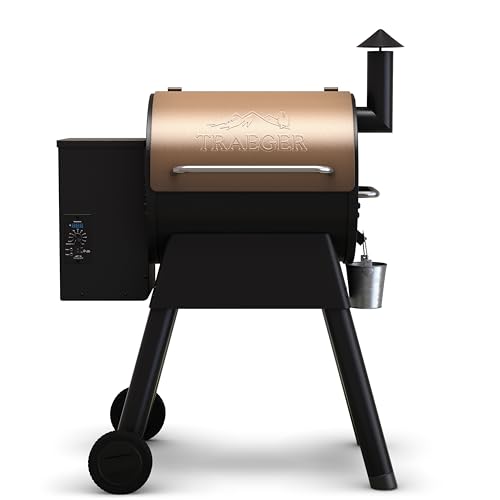
Choosing between charcoal heat and pellet convenience is really a choice about how you like to cook outdoors. The best charcoal and pellet grills give you two paths in one category, bold smoke flavor from burning fuel and steady temperatures you can hold for hours. This guide walks through the differences that matter so you can match a grill to your food, your space, and your patience for tending a fire.
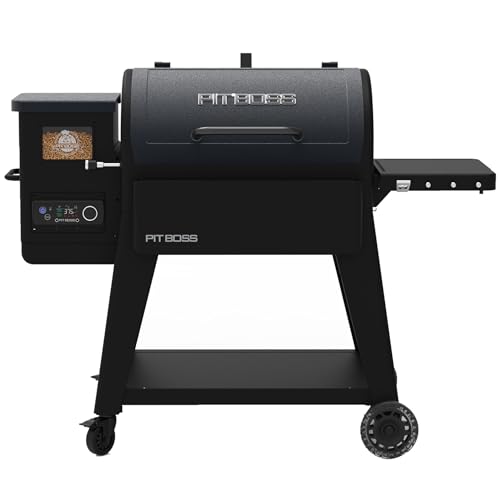
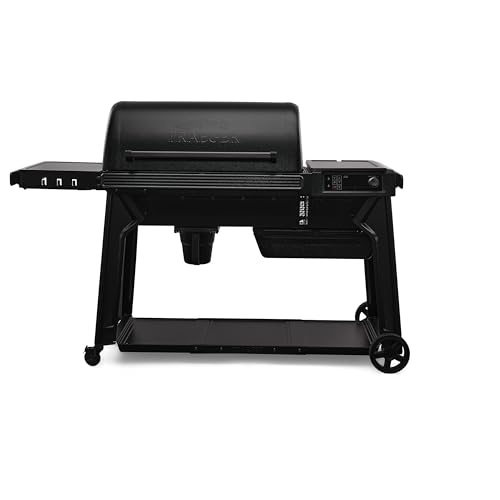
Start with the comparison table below, then read on for the details behind each spec, from cooking area and temperature control to cleanup.


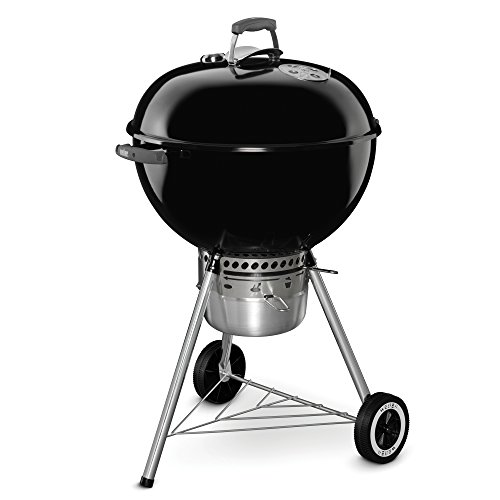
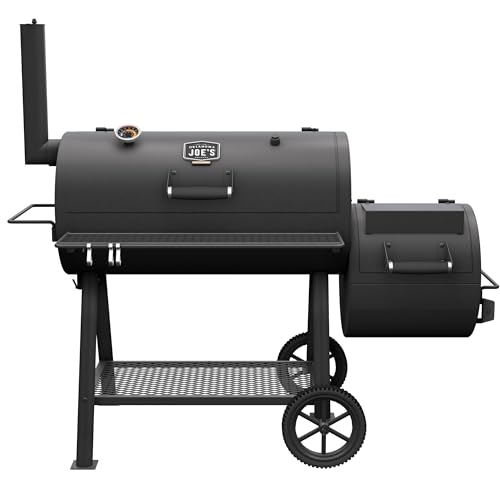
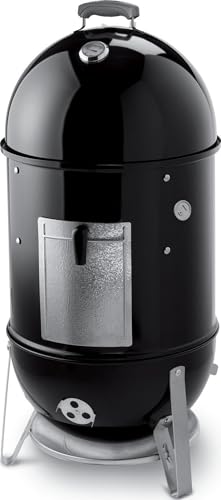


How to Narrow Your Choice Before You Buy
Before you compare models line by line, settle three questions. Your answers will rule out whole groups of grills and make the product table above easier to read.
Start With the Flavor and Control Tradeoff
Charcoal delivers the deepest smoke flavor and the hottest sear, but you manage the fire yourself by lighting fuel, adjusting vents, and adding charcoal on long cooks. Pellet models feed wood pellets to a fire pot with an auger, so the grill holds a set temperature with far less attention. If you enjoy tending a cook, charcoal rewards that effort. If you want to put brisket on in the morning and check it at lunch, pellet control fits your day better.
Think About How You Actually Cook Each Week
Picture your last ten outdoor cooks. If most were burgers, steaks, and chicken cooked hot and fast, a charcoal grill with good vent control covers you well. If several were ribs or pork shoulders cooked for hours, temperature stability matters more than peak heat. Buying for rare holiday cooks often leaves you with a grill that feels oversized on ordinary evenings.
Set a Budget That Includes Fuel and Covers
The purchase price is only part of what you will spend. Charcoal grills often cost less up front, with many home sizes under $600, while pellet grills commonly start around $400 because of the auger, fan, and electronics. A fitted cover, a chimney starter, or a spare meat probe adds to the first year total, so plan for those extras now.
How to Choose the Best Charcoal and Pellet Grills: Buying Guide
Fuel Type and What It Changes
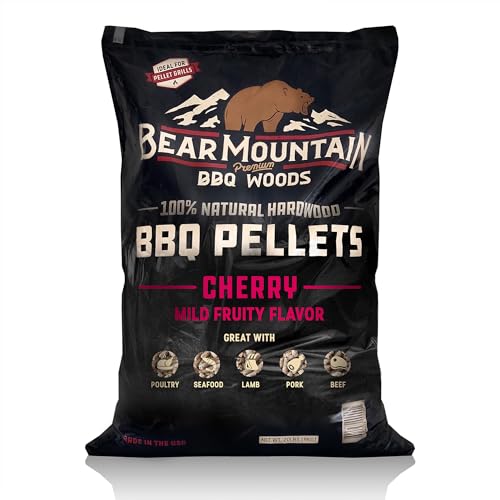
Charcoal burns in a bed you build yourself, so heat responds to how much fuel you light and how far you open the vents. Lump charcoal lights fast and burns hot, while briquettes burn longer and more evenly. Pellets are compressed hardwood sawdust, and flavor follows the wood, with hickory stronger and fruitwoods like apple milder. Pellet quality affects ash buildup and auger jams, so fuel is a real buying factor, and our guide to the best pellets for pellet grills explains grades and wood blends in depth.
Temperature Control and the PID Controller
On a pellet grill, the controller reads chamber temperature and adjusts pellet feed and fan speed to hold your setting. A PID controller makes continuous small corrections, keeping swings narrow, often within about 10 to 25 degrees once the grill settles. Simpler controllers cycle on and off and swing wider, which matters most for low and slow cooks at 225°F. On a charcoal grill, you are the controller, and two zone fire placement plus careful vent work give good control if you check in during long cooks.
Heat Output, BTU, and Searing
BTU figures on pellet grills predict searing power poorly, because pellet fire pots are small and heat spreads across a large chamber. What matters more is the top temperature, often 450°F to 500°F, and whether the design lets you expose food to direct flame for a proper sear. Charcoal easily passes 600°F close to the coals, which is why many cooks prefer it for steaks. Cast iron grates help either style, since the heavy metal holds heat and marks food well.
Cooking Area and Capacity
Cooking area is measured in square inches, and the primary grate is the number that counts for most meals. Around 350 to 450 square inches handles dinner for four to six people, while 600 square inches and up suits parties and large cuts. Warming racks add space for buns and resting meat, but they cook slowly, so do not count them as main cooking space. For whole briskets or several racks of ribs, width and depth matter as much as the total figure.
Ash, Grease Management, and Cleanup
Every burn leaves something behind. Charcoal produces a pan of ash after each cook, and grills with a removable ash catcher clear it in minutes instead of asking you to scoop by hand. Pellet grills make far less ash, but the fire pot still needs vacuuming every few cooks so pellets light reliably. Grease is the bigger safety issue on both styles. Look for a sloped drip pan that channels grease to a removable tray you can empty before it overflows, because pooled grease is a flare up and fire risk.
Build Quality and Materials
Thick steel holds heat steadier than thin steel and resists warping over years of hot cooks. Look for enamel coated steel or stainless steel on the body, with heavier weight usually signaling thicker material. Cast iron grates sear best and last well with seasoning, while stainless steel asks for less care. Shoppers who lean toward charcoal can see our guide to the best quality charcoal grills for how makers differ on steel gauge and grate materials.
Portability, Footprint, and Storage
Measure your patio or deck space before choosing a large model, and leave room to walk around it with a tray in your hands. Pellet grills are heavier because of the hopper and electronics, often 100 pounds or more, so sturdy wheels matter if you move the grill for storage. Charcoal grills are lighter and simpler to roll into a garage corner. Apartment cooks should check building rules, since some properties restrict charcoal on balconies.
Assembly and Warranty
Most grills here arrive partly assembled and take about one to two hours to build with basic tools, with pellet models taking longer because of the hopper and control wiring. Warranty terms vary by part, and pellet controllers and auger motors may carry shorter terms of about three years. Read which parts are covered before you buy and keep your receipt.
How These Grills Compare With Other Options
The product table above covers charcoal and pellet models, but other styles solve different problems. Here is where each alternative wins.
Vertical Smokers
Vertical smokers stack food on racks above a water pan and a fire at the base, using little ground space for a large capacity. They excel at low and slow smoking, but loading lower racks takes effort and searing is limited. If smoking is nearly all you do and floor space is tight, see our guide to the best pellet grills and smokers to compare stacked designs with standard grill shapes.
Portable Grills
Portable grills shrink everything down for tailgating, camping, and small balconies, with cooking areas often under 200 square inches. They light fast, travel well, and store in a closet or car trunk, but you cook in batches and long smoking sessions are impractical. Choose one as a second grill beside a full size model at home rather than as your only cooker for family meals.
Gas Grills
Gas grills trade smoke flavor for speed and ease. Push button ignition, quick preheating, and simple knob control make weeknight cooking almost effortless. The tradeoff is flavor, since gas produces very little smoke unless you add a smoker box. If your priority is dinner fast with minimal fuss, gas is a fair choice. If smoke flavor is the reason you cook outside, charcoal or pellets will satisfy you more.
Kamado Grills
Kamado grills use thick ceramic walls that hold heat with remarkable efficiency, burning little charcoal while keeping steady temperatures for many hours. They roast, bake, smoke, and sear at very high heat. The downsides are weight, price, and fragility, since ceramic can crack from a hard drop. A kamado suits a settled patio and a cook who wants one charcoal fueled grill to do nearly everything.
Care and Maintenance Tips
A few steady habits will keep either style cooking well for years.
- Preheat the grill for 10 to 15 minutes before cooking, so grates reach a stable temperature and old residue burns off for easier brushing.
- Clean the grates while they are still warm after cooking, using a brush or ball of foil, then oil them lightly to protect the surface.
- Empty ash and the grease tray on a regular schedule, and never store a grill with a full grease bucket that can attract pests.
- Cover the grill between cooks and check seams, hinges, and the firebox each season for rust you can sand and touch up early.
- For pellet models, vacuum the fire pot every few cooks and store pellets in a sealed dry container, because damp pellets swell and can jam the auger.
- For charcoal models, store charcoal in a dry bin with a tight lid, since damp charcoal lights poorly and produces weak, uneven heat.
Safety deserves one direct note. Let ash cool fully, often a full day, and place it in a metal container away from anything that can burn. Keep the grill on a level, nonflammable surface away from siding, and never leave a lit grill unattended.
Your Questions Answered
How big of a charcoal and pellet grill do you need?
Most households do well with 350 to 450 square inches of primary cooking space. That size handles burgers and chicken for four to six people without crowding, and it still fits a whole chicken or a trimmed brisket. Go larger only if you regularly cook for eight or more. Judge by your largest typical cook, not your biggest holiday, since an oversized grill burns extra fuel on small meals.
Is a pellet grill worth the extra cost?
A pellet grill is worth the cost if you value steady temperatures and hands off cooking. The controller holds your set heat for hours, making overnight brisket and long rib cooks far less demanding than tending charcoal vents. You pay more up front and rely on electricity and moving parts that can wear out. If most of your cooking is hot and fast, that premium buys you little.
How long should a charcoal and pellet grill last?
A well kept charcoal grill often lasts about 10 years or more, while a pellet grill commonly lasts about 6 to 10 years before electronics need attention. Pellet grills have more parts that age, including fans, auger motors, and controllers, so availability of replacement parts is worth checking before you buy. Storing any grill covered and out of standing water adds more life than almost any single feature.
How often should you clean a charcoal and pellet grill?
Brush the grates after every cook and empty charcoal ash once it is fully cool. Pellet grill fire pots need vacuuming about every three to five cooks, and the grease tray should be checked at the same pace. A deeper clean of the interior, drip pan, and temperature probe twice a year keeps flavors clean and readings accurate. Neglected buildup causes off flavors and raises the risk of a grease fire.
What type of charcoal and pellet grill gives the best flavor?
Charcoal gives the strongest classic smoke flavor, especially lump charcoal burned hot for searing. Pellet grills produce a cleaner, milder smoke that many people prefer for poultry and fish, and the wood type lets you tune flavor from mild apple to bold hickory. At very high pellet temperatures smoke output drops, so low and slow cooking shows pellet flavor at its best. For pellet focused shopping, see our guide to the best pellet bbq grills, and for charcoal forward flavor, our guide to the best charcoal barbecue grills.
Wrapping Up
The right choice comes down to three things, how much you value smoke flavor against convenience, how much cooking area your meals need, and how much cleanup you will honestly do. Charcoal rewards cooks who like tending a fire with deep flavor and high heat, while pellets reward patient smoking with steady temperatures. Compare your shortlist against the product table above, and the best charcoal and pellet grills for your yard will be easy to spot.