Best Char Broil Grills: A Buying Guide for 2026
Disclosure: We may earn a commission when you buy through links on this page, at no extra cost to you. As an Amazon Associate I earn from qualifying purchases. Learn more

Compare the best char broil grills by fuel type, cooking area, heat output, and cleanup, then choose the size and style that fits your home and budget.
Char Broil sells grills in nearly every fuel type and size, so finding options is easy. The harder part is matching one grill to the way you actually cook, the space you have at home, and the cleanup you are willing to do after dinner. This guide sorts the best char broil grills by fuel, cooking area, heat output, and build quality, so you can narrow the field with confidence. Start with the comparison table below, then read on for the details behind each spec.
A few terms show up in almost every listing. Cooking area is measured in square inches, heat output is listed in BTU, and many models add cast iron grates, a meat probe, or a pellet hopper with a PID controller for steady temperatures. You need the right mix for weeknight dinners, weekend smoking, or a bit of both, not every feature on the list.



Who Should Buy a Char Broil Grill?
Most buyers fall into one of a few camps, and each camp points to a different part of the lineup. Find the group that sounds like you, then confirm the size and specs in the product table above. See our guide to the best bbq grills for a wider view of how this brand compares with other makers.
Weeknight Cooks Who Want Gas Convenience
A gas model suits you if dinner needs to happen fast on a Tuesday. Push button ignition lights the burners in seconds, the grates are hot in about ten minutes, and turning a knob gives you steady heat with no ash to deal with later. Two or three burners cover most family meals. The tradeoff is flavor, since gas adds no smoke of its own.
Smoke Flavor Fans Who Prefer Charcoal
Choose charcoal if the taste of food cooked over real coals is the whole point for you. Char Broil charcoal grills use adjustable dampers and, on some models, a height adjustable coal tray, so you can move the fire closer for a hard sear or drop it down for gentler heat. You will spend more time lighting coals and tending the fire than a gas owner does, and for many grillers that ritual is part of the fun.
Low and Slow Cooks Who Want Pellet Heat or a Smoker
A pellet grill or smoker fits you if brisket, ribs, and pulled pork are your weekend plans. The pellet hopper feeds fuel automatically, and the controller holds temperatures near 225 degrees Fahrenheit for hours with little attention from you. A meat probe lets you track internal temperature without lifting the lid and losing heat. You will need an outdoor outlet nearby, plus a dry place to store pellets.
Small Space and Portable Grillers
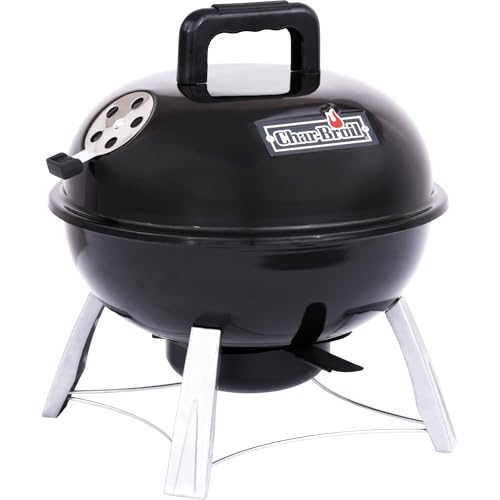
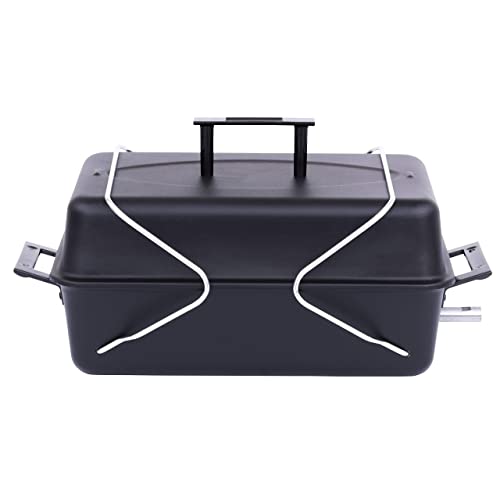
A compact model makes sense if your cooking spot is a small patio, a balcony where rules allow grilling, or a tailgate before the game. Look for a modest footprint, folding side shelves, and wheels that roll well. Tabletop gas and electric models weigh far less than a full cart grill, which matters when you carry the grill to every outing. Measure your space before you order.
How to Choose the Best Char Broil Grills for Your Home
Work through the seven factors below in order and the right model usually becomes obvious. Prices also move with the seasons, so it is worth reading our notes on the best time to buy grills before you place an order.
Fuel Type: Gas, Charcoal, Pellet, and Electric
Gas is the convenience pick, with instant heat, precise knob control, and low effort cleanup. Most Char Broil gas grills run on a standard propane tank, and if propane is your clear first choice, see our guide to the best lp grills for a deeper look at that fuel alone. Charcoal delivers the strongest smoke flavor but asks for lighting time and fire management. Pellet grills trade some smoke intensity for automatic temperature control, while electric models suit small spaces with an outlet and strict fire rules.
Heat Output and Temperature Range
Total BTU on the box can mislead you, because a big number spread over a huge area may sear weakly. A better check is BTU per square inch of primary cooking space, where roughly 80 to 100 tends to give strong heat for steaks and burgers. The low end of the range matters just as much if you smoke, since holding about 225 degrees Fahrenheit steady is what turns tough cuts tender. Heavy grates help too, because thick metal stores heat and leaves real sear marks when the lid opens.
Cooking Area and Capacity
Manufacturers add the primary grate and the warming rack together, but the rack is only good for buns, corn, and keeping food warm, so judge a grill by its primary area. A family of four usually does fine with about 300 to 450 square inches, which holds roughly 12 to 18 burgers with space between them. Frequent party hosts should look at 500 square inches or more. Bigger is not always better, since a large grill burns more fuel to cook two chicken breasts.
Ash, Grease Management, and Cleanup
Charcoal models make ash, so look for a removable ash pan or a crank out ash catcher that empties without tipping the whole grill. Gas and pellet models drip grease instead, and a slide out grease tray that you can reach from the front saves a lot of scraping. Porcelain coated cast iron grates wipe clean more easily than bare steel, especially while they are still warm. Ten minutes of cleanup after each cook keeps buildup from turning into sticky residue that is far harder to remove later.
Build Quality and Materials
A grill lives outside, so materials decide how many seasons it lasts. Stainless steel lids and doors resist rust better than painted steel, and thicker steel holds heat more evenly on windy days. Cast iron grates are heavy for a reason, since that mass gives steady heat and strong sear marks, though they need light oiling to stay rust free. A longer warranty on burners and grates is a useful sign the maker trusts its own metal.
Fuel Cost and Availability
Running costs differ more than most buyers expect. A propane tank refill costs little per cook and lasts many weekends, and charcoal is cheap per bag but you burn a fresh load every session. Pellets cost more per hour of cooking, often around a pound or two per hour depending on temperature and weather. Electric grills cost the least to run where power is handy, and all of these fuels are easy to find at hardware and grocery stores.
Portability and Footprint
Measure your patio or deck before you buy, and leave safe clearance behind and beside the grill for heat and for opening the lid. Large wheels matter if you roll the grill out of a garage for every cook. Folding side shelves shrink the storage footprint without shrinking the grate. If you plan to travel with the grill, check the weight honestly, since a grill that two people struggle to lift will simply stay home.
Types of Char Broil Grills
The brand sells several shapes of grill, and the shape changes how you cook as much as the fuel does. Here is a quick tour of the main types.
Charcoal Grills
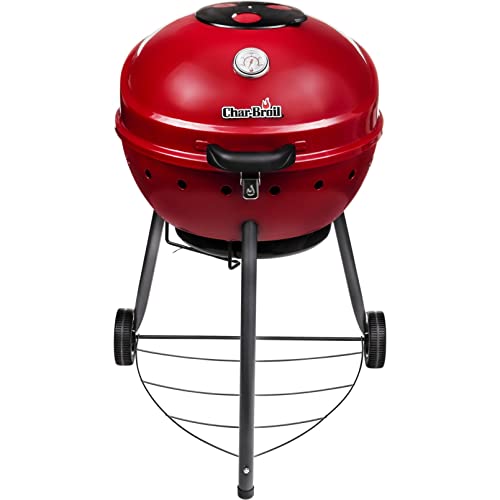
Kettle and barrel style charcoal grills are the classic Char Broil shapes, with vents that control airflow and therefore heat. They sear at very high temperatures and smoke well at lower ones, which makes them flexible for the price. If charcoal is your direction, see our guide to the best coal grills for a wider comparison of this style.
Vertical Smokers
Vertical smokers stack racks in a tall chamber above the fire, with a water pan that adds moisture and steadies the temperature. The small footprint fits tight patios while still holding several racks of ribs. If smoking is your main interest, see our guide to the best grills and smokers for more options in this shape.
Kamado Grills
Kamado models use thick ceramic walls that soak up heat and hold it for hours on a small load of lump charcoal. That insulation lets one grill sear steaks at high heat and then settle in for slow cooks. The tradeoffs are real weight and a higher price, so kamados suit settled patios rather than travel.
Gas Grills
Cart style gas grills are the best sellers in the lineup, with two to six burners, electronic ignition, and often a side burner for pots. They cook fast, clean up fast, and handle everything from burgers to whole chickens with ease. Choose this type if grilling is a weeknight habit rather than a weekend project.
Setup and Care Tips
A little routine care keeps heat even, flavors clean, and parts working for years. These habits apply across the Char Broil lineup.
- Preheat the grill for 10 to 15 minutes before cooking, so the grates are fully hot and food releases instead of sticking.
- Brush the grates while they are still warm after cooking, then wipe cast iron grates with a thin coat of cooking oil to hold off rust.
- Empty ash only after it has cooled completely, and store charcoal and pellets in a dry spot so they light and feed well.
- Check gas connections with soapy water at the start of each season, and if bubbles form at a joint, turn everything off and fix the leak before lighting.
- Cover the grill between uses and peek under the cover every few weeks, since trapped moisture can start rust.
Frequently Asked Questions
Is a Char Broil pellet grill worth the extra cost?
For cooks who smoke often, yes, because steady automatic heat saves hours of fire tending. The smoke flavor is milder than charcoal, but you can tune it by choosing pellet woods, such as hickory for beef or apple wood for pork and chicken. The auger and fan are moving parts, so a pellet grill has more that can wear out than a simple charcoal kettle does.
How long should a Char Broil grill last?
A well kept Char Broil grill often serves for about five to ten years, depending on materials and how often it sits out in rain and snow. Burners, heat tents, and grates are wear parts, and the brand sells replacements for many models, so swapping a worn burner can add years of service. Salt air near the coast shortens life, so rinse the exterior now and then if you live near the ocean.
Which Char Broil grill type gives the strongest smoke flavor?
Charcoal grills give the strongest smoke flavor, especially when you add a few wood chunks on top of the coals. Hardwood chunks smolder slowly and layer flavor through the whole cook. Pellet smoke sits in the middle, clean and light, while a gas grill with a smoker box of wood chips adds only a gentle hint.
How often should you clean a Char Broil grill?
Brush the grates after every cook, and empty the grease tray every few cooks so drippings cannot pool and flare up. A grease fire is the main risk of skipping this step, and it can damage food and the grill interior. Once or twice a year, do a deep clean of the cook box, burners, and tray.
Can you use a Char Broil grill on a balcony?
It depends on your building rules and local fire code, and many apartment buildings ban charcoal and propane grills on balconies entirely. Electric models are the ones most often allowed, since they have no open flame or stored fuel. Keep any grill well away from railings and siding, and never leave it unattended while it is hot.
Final Thoughts
Start with fuel, since it decides your flavor, your effort, and your running costs every cook. Then match the cooking area to your real headcount, and pick the cleanup system you will actually keep up with. Compare your shortlist in the product table above, and you will find that the best char broil grills for your home are simply the ones that fit your space, your budget, and the food you love to cook most.