Best Char-Broil Gas Grill Models for Every Home (2026)
Disclosure: We may earn a commission when you buy through links on this page, at no extra cost to you. As an Amazon Associate I earn from qualifying purchases. Learn more

Matching a Char-Broil gas grill to your household, patio space and budget: burner count, size, fuel and upkeep explained.
Picture a small patio behind a townhouse, a weeknight dinner to cook, and just enough floor space for one grill and a chair. That picture, more than any spec sheet, decides which model belongs at your home. This guide helps you find the best char-broil gas grill for your household by matching burner count to your floor space, family size, and the way you actually cook. The comparison table below sums up the main types, and the sections after it cover the costs and care that come with each one.
Char-Broil sells several lines that look alike in photos but suit very different homes. A compact two burner cart grill serves a couple in an apartment building, while a five burner model fits a big yard where twelve burgers cook at once.





Quick Answer: Three Grill Types Cover Most Homes
Most buyers land on one of three types. Each trades cooking space against floor space and price, so pick by the meals you cook most weeks, not your biggest imagined cookout.
- Compact two burner cart grills: the fit for balconies, small patios, and households of one to three people.
- Midsize three and four burner grills: the fit for families of four to six who cook mixed loads and want room to work in zones.
- Large five and six burner grills, including infrared models: the fit for frequent hosts who need wide grates and strong, even heat.
Before You Buy: A Quick Checklist for Choosing a Gas Grill
The checks below follow the order that matters in daily use. Space comes first, because a grill that blocks a doorway will annoy you daily, long before heat output does.
Size: Match It to Your Space
Measure your patio or deck spot before you shop, and leave clear room on each side for the shelves and for you to stand and turn food. A two burner grill often needs about 42 to 48 inches of width with shelves up, and a four burner can need about 54 to 60 inches. Count burners by household: two handle one to three people, three or four suit four to six, and five or six make sense for regular crowds. If floor space is tight, see our guide to the best small gas grill first.
Which Type Fits Your Routine
Freestanding cart grills are the default for most homes because you can roll them under cover when storms roll in. Tabletop and portable models suit renters and campers who store the grill indoors between uses, and our roundup of the best portable gas grill covers that style in depth. Built in models belong to outdoor kitchens with a fixed island, so they only make sense during a planned remodel. You will also see standard burner models and infrared models, where a metal plate turns direct flame into radiant heat.
Features Worth Paying For, and Ones to Skip
Pay for a side burner only if you truly cook sauces or a skillet of peppers outdoors, because many owners light theirs a handful of times a year. A sear zone earns its cost if you cook thick steaks often, since it gives one very hot patch without heating the whole grill. Worth it for almost everyone: a clear lid thermometer, a grease tray you can slide out and wash, and electronic ignition. Easy to skip: lighted knobs, rotisserie kits, and smoker boxes if you rarely cook low and slow.
Fuel Type and Running Cost
Most Char-Broil grills run on propane from a standard tank in the cabinet, which keeps the grill movable and the first cost low. Our guide to the best propane gas grill explains tank sizes and exchange options if you go that route. A few models accept a natural gas conversion, which ends refills but ties the grill to one spot near the gas line. Running costs stay modest either way: a household that grills twice a week in season usually refills a tank a few times a year, and each refill costs far less than a bag of groceries.
Cooking Area and Heat Output
Judge cooking area by the primary grates, not the total figure on the box, because the warming rack above holds finished food rather than raw food that needs full heat. Compact models offer roughly 280 to 360 square inches of primary space, midsize models land around 425 to 500, and large models pass 550. For heat, ignore the total BTU number alone and think about heat spread: more burners across a wide box give you zones for searing and for gentle holding at once.
Build Materials and Rust Resistance
Lids and bodies come in painted steel or stainless steel, and stainless steel shrugs off rain and wipes clean with less effort, though it shows fingerprints and can discolor near the burners. Inside, porcelain coated cast iron grates hold heat well and resist sticking, while plain cast iron needs seasoning and a dry home to stay free of rust. Burner tubes and heat tents take the most abuse from dripping fat, so thicker steel there is where extra money pays you back.
Realistic Budget Ranges
Under about $200 you get compact two burner grills with basic grates and simple ignition, fine for light use. About $200 to $350 buys the midsize heart of the range, with three or four burners and sturdier carts. About $350 to $550 adds infrared cooking, larger grates, and heavier lids, while pricier models mostly add width and trim. Set your budget by burner count first and trim second, because you will feel cramped grates every cookout, while plain knobs bother nobody.
Three Grill Types Compared in Detail
Here is how the three main types behave at home. None of them is the best char-broil gas grill for everyone, because each wins on a different mix of space, heat style, and price.
Compact Two Burner Cart Grills
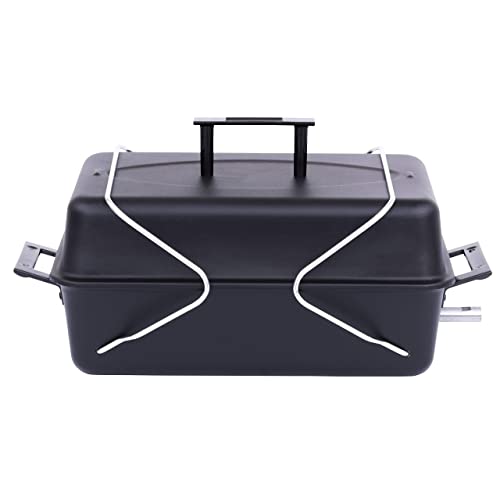
These grills fold their shelves down for storage, heat up fast thanks to a small firebox, and sip propane. They suit couples and small families who grill burgers, chicken pieces, and vegetables in a single layer. The limits show up when guests arrive: you cook in batches, and thick cuts crowd the grates. Choose this type if your patio and household are both small and you want a grill that earns its footprint every week.
Midsize Three and Four Burner Grills
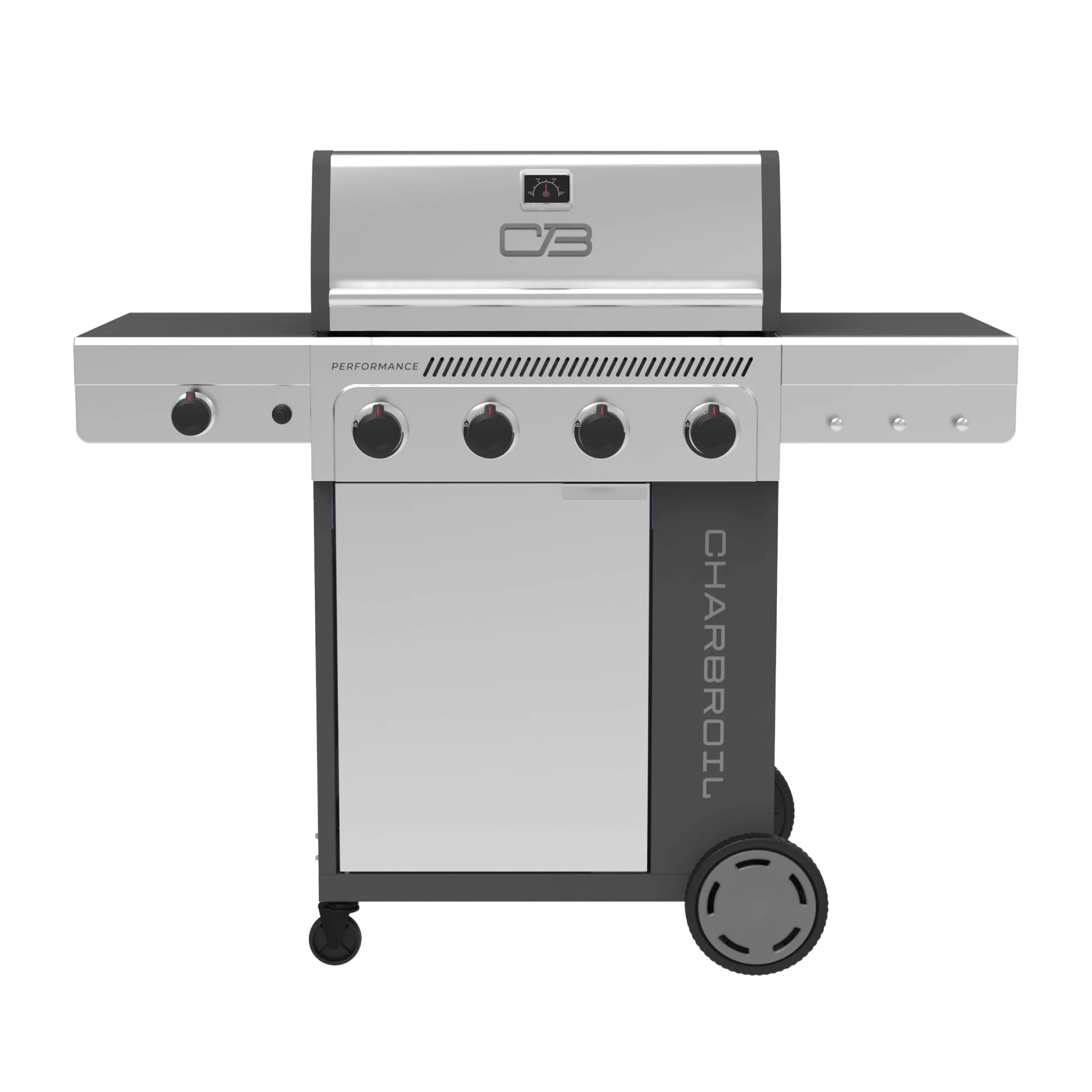
This is the type most families should study first. Four burners let you run a hot zone for searing, a medium zone for chicken, and a low zone for buns, all at once. Primary cooking space around 425 to 500 square inches swallows a family pack of thighs plus a tray of peppers without overlap. The trade off is floor space and a longer heat up time. If you host six to eight people a few times each summer, this type covers those days without batch cooking.
Large and Infrared Models
Five and six burner grills stretch past 550 square inches, which suits big gatherings and meal prep cooks who grill a week of protein in one session. Infrared versions swap open flame for a perforated plate that glows, giving even heat and fewer flare ups when fat drips, plus strong sear marks. The plate adds a cleaning step and a part that can clog, and these grills cost the most to buy and to feed. Pick this type when you cook for crowds often.
How to Compare Models in This Lineup
Start with the maker spec sheets for cooking area, burner count, and dimensions, then read owner reports with an eye for complaints repeated across many buyers, such as ignition trouble or rust on one part. Weigh assembly reports too: most cart grills take one to two hours to build, and clear instructions save real frustration. Finally, check that spare burners, heat tents, and grates are easy to order, because a grill you can repair is a grill you keep.
The Char-Broil Gas Grill Lineup Explained
The Classic line is the entry point: simple cart grills, often two to four burners, with painted steel bodies and prices at the low end of the ranges above. The Performance line is the broad middle, adding stainless steel trim, cabinet storage on many models, and standard and infrared versions across two to five burners. The Pro and Medallion lines sit at the top and center on infrared cooking with the Amplifire plate, with heavier grates and the strongest sear in the range. Read the lines as good, better, and most features rather than strict quality ranks, since a Classic that fits your patio beats a Commercial that crowds it. If you are still weighing brands, the hub guide to the best gas grill puts this range next to its main rivals.
Common Buying Mistakes to Avoid
- Buying for the biggest party of the year: an oversized grill eats patio space and propane for 50 ordinary weeks to serve one holiday weekend.
- Skipping the fuel plan: a natural gas model is useless without a gas line at the spot where you want to cook.
- Ignoring replacement part costs: cheap grills with scarce burners and heat tents turn a small rust problem into a full replacement.
- Forgetting the cover: rain and sun age a grill faster than cooking does, and an uncovered grill on an open deck can rust within a couple of seasons.
Cost of Ownership and Care
Ownership costs stay predictable: propane refills, a cover every few years, and wear parts such as heat tents and burner tubes as they thin out. Clean the grates while they are still warm, empty the grease tray often, and brush residue off infrared plates once they cool so the holes stay open. Our step by step guide on how to clean a gas grill walks through a deeper seasonal clean. Store the grill covered with the tank valve closed, and check the hose for cracks each spring, since a split hose is a safety problem, not just a nuisance.
Frequently Asked Questions
Is Char-Broil a good gas grill brand for a first grill?
Yes, mainly because the entry models cost little and spare parts are sold widely, so a first time owner can fix small problems instead of replacing the whole grill. Warranty cover varies by part, with burners usually covered longer than grates or paint. If you outgrow the grill in three years, you have spent modestly, and if you love grilling, the repair path keeps it useful in the meantime.
How long does a Char-Broil gas grill last?
With a cover and basic cleaning, many owners get about five to ten years from one of these grills. Homes near the coast should expect the shorter end, because salt air attacks painted steel and burner tubes faster. The first parts to wear are usually the heat tents and igniter, and both swap out with basic tools, so one round of parts can add several seasons.
Can a Char-Broil propane grill be converted to natural gas?
Some models can, using a conversion kit made for that exact model, and the maker manual states which ones qualify. Never drill out orifices or swap parts between models, because gas flow rates differ and a wrong setup can overheat the firebox. Many towns also require a licensed fitter for the line connection, so check local rules first. Our comparison of propane vs natural gas grill running costs can help you decide if the conversion is worth it.
Do infrared Char-Broil grills cook food differently?
Yes. The plate between burner and grate turns flame into radiant heat, so food cooks in its own juices with less drying air blowing past it, and burgers keep more moisture. The learning curve is real: the surface runs hot, so steaks need less time per side than you expect, and sugars in marinades char fast. Scrape the plate after each cook, because clogged holes cause uneven patches that no knob setting can fix.
Final Thoughts
Start with your floor space and household size, then pick the smallest type that cooks your normal dinner in one round. For most homes that means a midsize Performance style grill, while small patios point to a compact two burner and keen sear fans point to infrared. The product table above pulls the current options together, and the best char-broil gas grill for you is the one whose size, fuel, and upkeep fit the way your household already lives.