Best Chandeliers of 2026: Buying Guide for Every Room
Disclosure: We may earn a commission when you buy through links on this page, at no extra cost to you. As an Amazon Associate I earn from qualifying purchases. Learn more
A chandelier buying guide covering lumens, color temperature, sizing, style, finish and installation for every room and budget.
A chandelier does two jobs at once. It lights the room, and it sets the tone for everything under it. That double duty is why choosing one feels harder than choosing a plain ceiling light. The best chandelier for your home fits your ceiling height, gives enough light for the room, and matches the style you already live with, not the one that simply looks biggest in a photo.
This guide compares chandelier types rather than pushing a single model. It covers brightness in lumens, color temperature, style and finish, size and placement, and installation. Start with the comparison table below, then use the sections that follow to narrow your short list.




Three Directions at a Glance
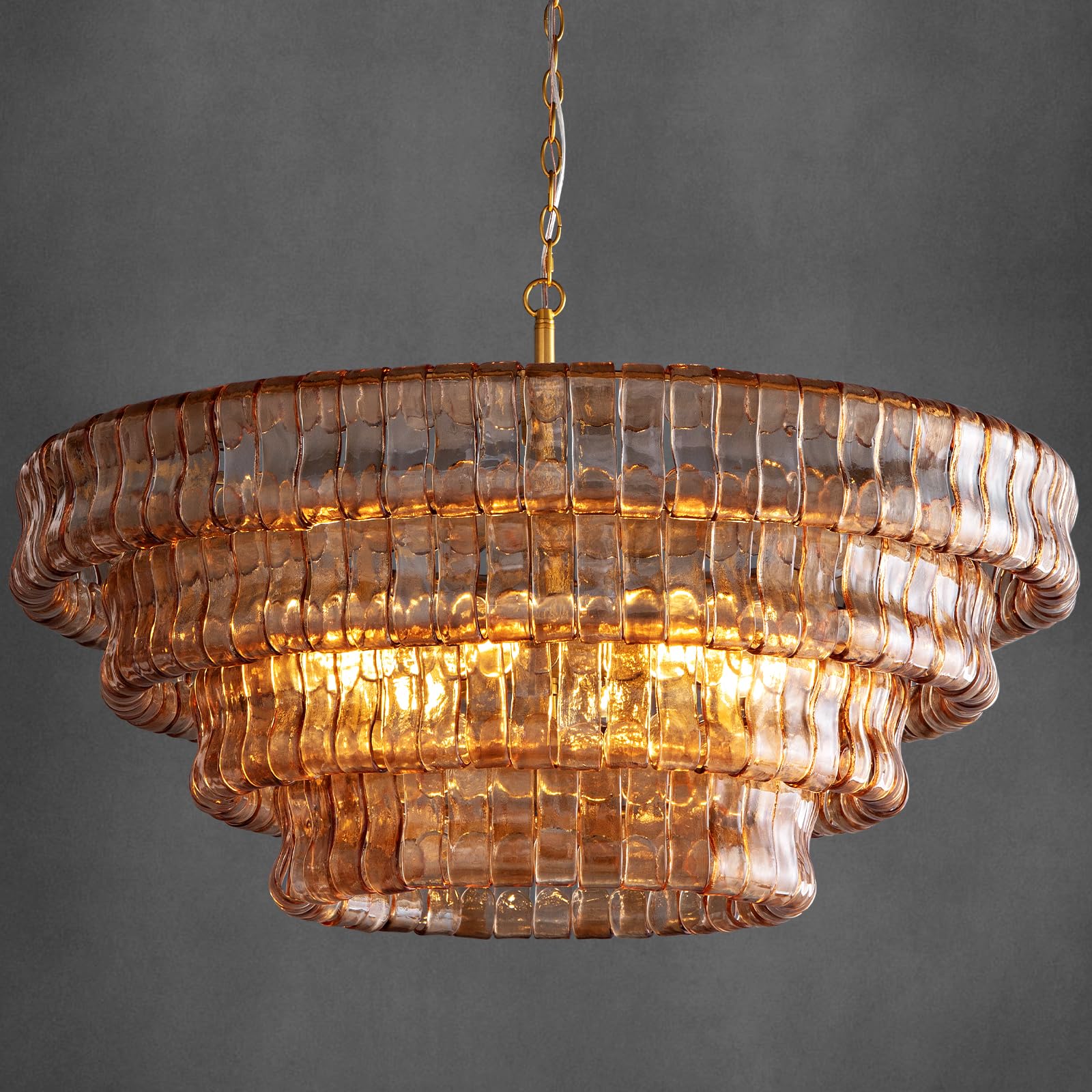
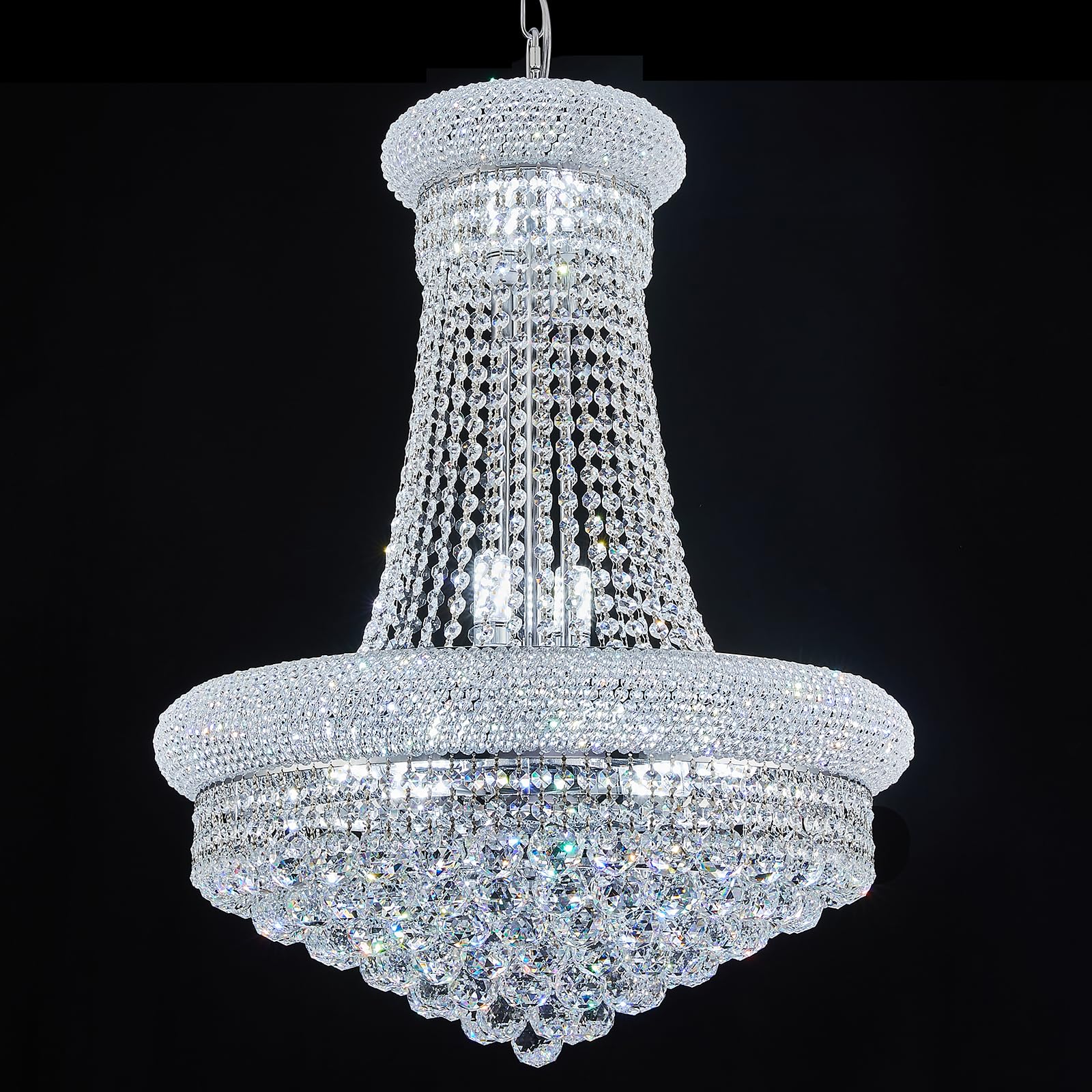
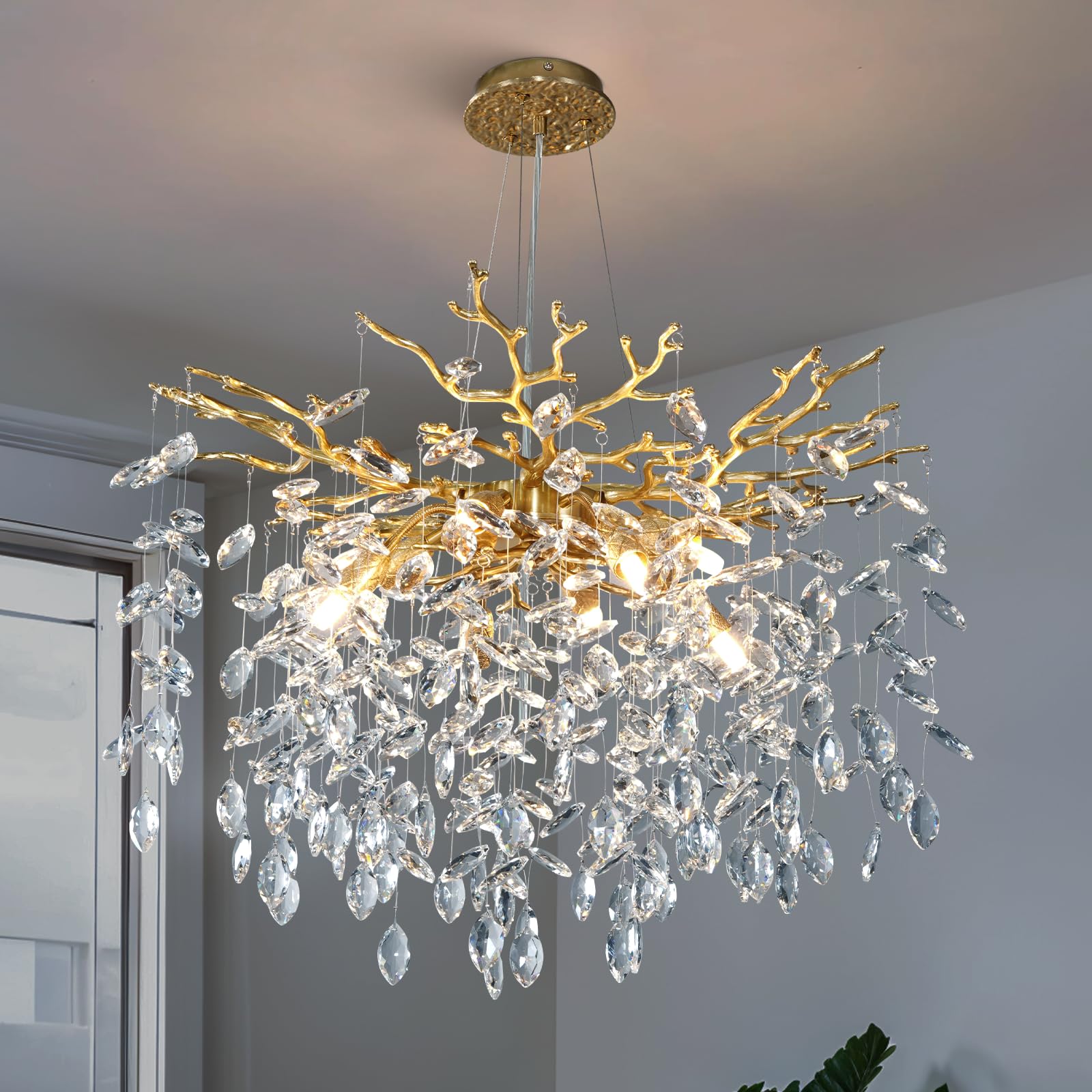
Think of these as three directions, not specific models. A balanced fixture suits most rooms. A simple fixture keeps costs down in smaller spaces. A statement fixture spends more on scale and finish. The product table above shows current options in each direction, and the sections below explain who each serves.
Three Directions Worth Comparing First
Balanced Fixtures for Most Rooms
This is the safe middle path, and for most homes it is the right one. Balanced fixtures spread several arms or a ring of lights across a moderate diameter, so light lands evenly instead of pooling in one bright spot. Finishes such as matte black, brushed metal, or simple glass shades sit comfortably with mixed furniture. The trade off is presence. A balanced fixture rarely becomes the talking point of a room, but it also rarely clashes or dates quickly. Choose this direction for daily meals, homework, and guests alike.
Simple Fixtures on a Tight Budget
Budget fixtures focus on the basics done well. Expect fewer arms, lighter frames, and finishes that look clean without heavy ornament. Many use standard sockets, so you pick your own bulbs and control brightness and color. That flexibility is a real strength, since bulbs shape the light more than the frame does. The trade off is scale. A small, light frame can look lost above a long table or in a room with tall ceilings. Choose this direction for breakfast nooks, small dining areas, and entries, where modest size feels intentional.
Statement Fixtures With More Presence
Statement fixtures spend the budget on what you see first. Larger diameters, layered rings, crystal or seeded glass, and richer metal finishes pull the eye upward and anchor a room. They suit dining rooms with long tables, entries with tall ceilings, and living spaces built around one focal point. The trade off is commitment. A bold fixture is harder to move, harder to clean, and less forgiving if your taste changes. Installation also weighs more, sometimes literally, so ceiling support matters more here. Choose this direction when the room itself is the occasion.
What to Compare
Five criteria separate good chandeliers from disappointing ones. First, brightness and color temperature, because a pretty fixture that leaves the table dim fails its main job. Second, style and finish, judged on how well each type pairs with common furniture. Third, installation, including weight and mounting method. Fourth, energy use, favoring fixtures that accept LED bulbs or include efficient integrated lighting. Fifth, value, meaning what the price buys in size, materials, and flexibility rather than ornament alone. Use these as a framework for your own short list.
How to Choose the Right Chandelier
The steps below follow the order that prevents the most regret. Start with type, then light output, then size, then controls and installation, and only then set the budget. For a fuller walk through, see our guide on how to choose a chandelier.
Type
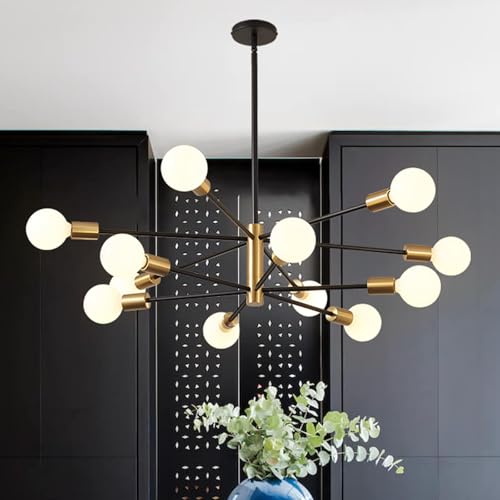
Crystal fixtures scatter light through cut glass and suit formal dining rooms and traditional entries. Modern fixtures use clean lines and geometric frames that fit open plans and newer builds. Farmhouse and rustic types lean on wood tones, dark metal, and exposed bulbs for a relaxed feel, while wagon wheel designs stretch that look across larger tables. Sputnik fixtures send arms out from a central core and read as playful focal points. Linear fixtures run long and narrow, matching rectangular tables far better than round ones. Rattan brings a soft, natural texture. Gold and black finishes cut across several types, so pick shape first and finish second.
Lumens and Color Temperature
Lumens tell you how much light a fixture delivers in total, and with multi bulb designs you add the output of every bulb together. A dining room often feels right with about 3000 to 4000 lumens in total, while a small entry may need only about 1500 to 2000. Color temperature shapes mood. Bulbs around 2700 K give a warm glow that flatters wood and skin tones, 3000 K reads slightly cleaner, and 4000 K and above can feel stark over food. With fixed integrated lighting, check both numbers before you buy, because you cannot swap bulbs later.
Fixture Size and Placement
Scale is where most buyers misjudge, usually by going too small. A common starting point adds the length and width of the room in feet, then uses that sum in inches as a rough diameter. Above a table, aim for a fixture about one half to two thirds the width of the table, and hang it about 30 to 36 inches above the tabletop so sight lines stay open. In a room with no table below, keep the bottom of the fixture at least 7 feet above the floor. Adjustable rods or chain let you fine tune height later.
Dimmable and Smart Options
Dimming gives one fixture two personalities, bright for tasks and low for meals and evenings. If a fixture takes standard bulbs, pair dimmable bulbs with a compatible wall dimmer and check the listing for dimmer approval, since some integrated LED designs flicker or hum on the wrong control. Smart bulbs add app and voice control plus color temperature adjustment without new wiring, which suits renters and older homes. Note that a wall switch left off cuts power to smart bulbs entirely, so habitual switch users may prefer a smart dimmer switch instead.
Installation: Hardwired or Plug In
Most chandeliers are hardwired, meaning they connect to the ceiling junction box and stay put. That route looks cleanest and supports heavier fixtures, but it involves household wiring. Turn power off at the breaker, confirm the box is rated for the fixture weight, and hire a licensed electrician if any step feels uncertain. Plug in models hang from a hook and run a cord to an outlet, which avoids wiring work and suits renters, though cords stay visible. For a walk through of the wiring route, read how to install a chandelier before you schedule the work.
How Much Should You Spend?
Fixtures under $100 cover small spaces with simple frames and standard sockets, and they make sense when bulbs will do most of the work. About $100 to $200 buys larger diameters, sturdier frames, and finishes that hold up better at close range. About $200 to $500 is where dimmable integrated lighting, heavier glass, and more careful finishing become common. Above about $500, you mostly pay for scale, premium materials, and design detail rather than extra light. Set the tier by room importance, and spend up in the room you use daily.
Matching a Chandelier to Each Room
Room purpose changes what good looks like, so read the guide written for your exact space. Over a table, proportion and hanging height rule the decision, and our guide to the best chandelier for dining room spaces covers table shapes and sizes. Bedrooms ask for softer light and lower glare when you sit up in bed, which the best chandelier for bedroom guide covers with dimming and bulb choices. If your taste runs to clean lines and geometric frames, the best modern chandelier roundup focuses on those designs alone. Living rooms need broader, layered light, and the best chandelier for living room guide explains how a central fixture works with lamps.
Common Mistakes to Avoid
- Buying by looks alone and skipping the total lumen count, so the room ends up dim no matter how nice the frame looks.
- Choosing a diameter from a product photo without measuring, so the fixture arrives far smaller than the table needs.
- Hanging the fixture too high above a table, so it floats near the ceiling and loses its link to the meal below.
- Mounting a heavy fixture on a ceiling box that is not rated for its weight, which risks the box failing over time.
- Mixing bulb color temperatures in one fixture, so some bulbs glow warm and others look blue by comparison.
- Forgetting to check whether the ceiling is sloped, so the fixture hangs at an angle its canopy cannot correct.
How to Make Your Chandelier Last Longer
Dust is the main enemy, since a film on glass and crystal dims output and makes even a bright fixture look tired. Dust lightly every few weeks with a dry microfiber cloth, with the power off and the bulbs cool. Support each arm with one hand while you wipe with the other, because side pressure stresses joints more than weight does. Tighten loose finials and check canopy screws once or twice a year. If a socket corrodes or a wire covering cracks, stop using the fixture and have an electrician inspect it. Handle replacement bulbs with a clean cloth, since fingerprints shorten their life.
FAQ
What makes one chandelier a better choice than another?
Fit decides it. The stronger choice matches your room diameter, delivers enough total lumens for the activity in that room, and hangs at a height that keeps sight lines clear. Beyond fit, look for standard sockets or a stated lumen rating on integrated models, and a mounting system rated for the fixture weight. A modest fixture that nails those points serves you better than a dramatic one that misses two of them.
How long does a chandelier last?
The frame and wiring of a decent fixture can serve for decades, because little in a metal and glass structure wears out. Bulbs are the consumable part. LED bulbs commonly run for years of daily use before output fades, and standard sockets let you replace them one at a time. Integrated LED models depend on built in modules, so check the stated rated life and whether replacement modules are sold.
Is a chandelier worth it in a small home?
It can be, if you scale it honestly. A compact fixture over a small table gives a rental or starter home a finished focal point that a flush mount never provides, and plug in models let you take the upgrade with you when you move. The value disappears when an oversized fixture crowds a low ceiling. In small rooms, keep the diameter modest and let lamps share the lighting work.
How do you clean a chandelier without taking it down?
Turn the power off, let the bulbs cool, and lay a soft blanket below in case a crystal or shade slips. Spray cleaner onto a cloth rather than onto the fixture, so liquid stays out of the sockets, then wipe each piece and dry it to prevent spots. Work in one direction so you do not rewipe finished sections. Take a phone photo first if the crystal pattern is complex, since loose strands are easier to rehang with a reference.
What should you look for in a reliable chandelier?
Reliability comes from construction and certification more than from any single name. Look for a recognized safety listing such as UL or ETL, solid mounting hardware, and sockets rated above the wattage you plan to use. A stated warranty signals that the maker stands behind the wiring and finish. Favor designs with replaceable bulbs and spare parts, since a fixture you can repair beats one you must replace when a single element fails.
Final Thoughts
Start with the room, not the photo. Measure the space, add up the lumens you need, pick a type that suits your furniture, and set the budget tier by how much the room matters. Do that, and the best chandelier for your home becomes a short list you can defend. Compare your finalists against the product table above, confirm ceiling support and dimmer compatibility, and you will end up with a fixture that lights the room properly.