Best Chandeliers for Dining Room in 2026: Buying Guide
Disclosure: We may earn a commission when you buy through links on this page, at no extra cost to you. As an Amazon Associate I earn from qualifying purchases. Learn more

A dining room chandelier guide covering table sizing, brightness, warm color temperature, style and installation.
Choosing a dining room chandelier is harder than it looks. A fixture can seem perfect in a photo, then arrive too small for your table, too dim for evening meals, or too bright in the eyes of anyone seated below it. The best chandelier for dining room use balances three things at once, namely useful light, a size that suits the table, and a style your room can carry.
This guide compares chandelier types by brightness, color temperature, style, finish, and installation, so you can narrow your shortlist with confidence. Start with the comparison table below, then use the sizing and lighting sections before you order. For a wider view of the category first, see our guide to the best chandelier styles for every room in the home.
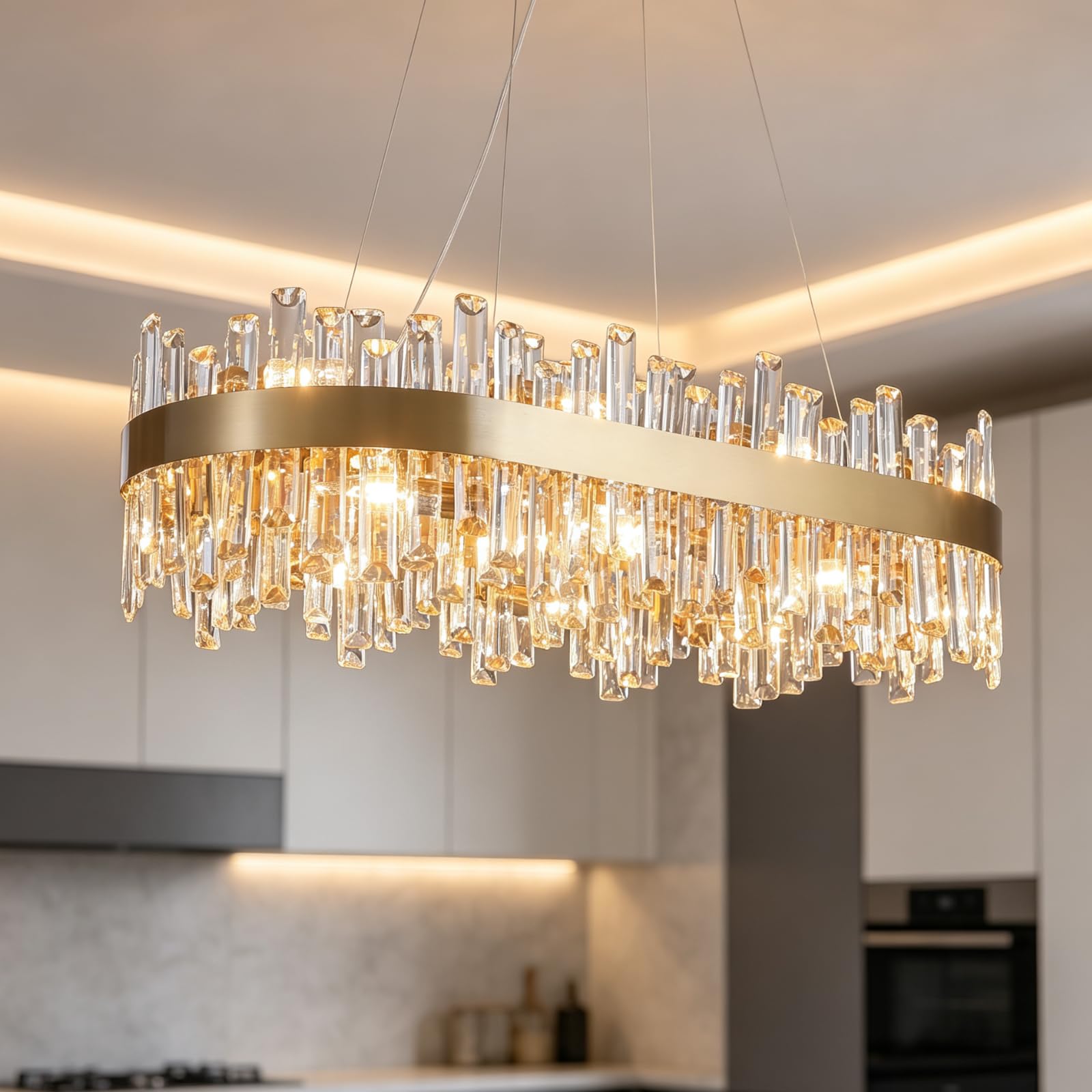

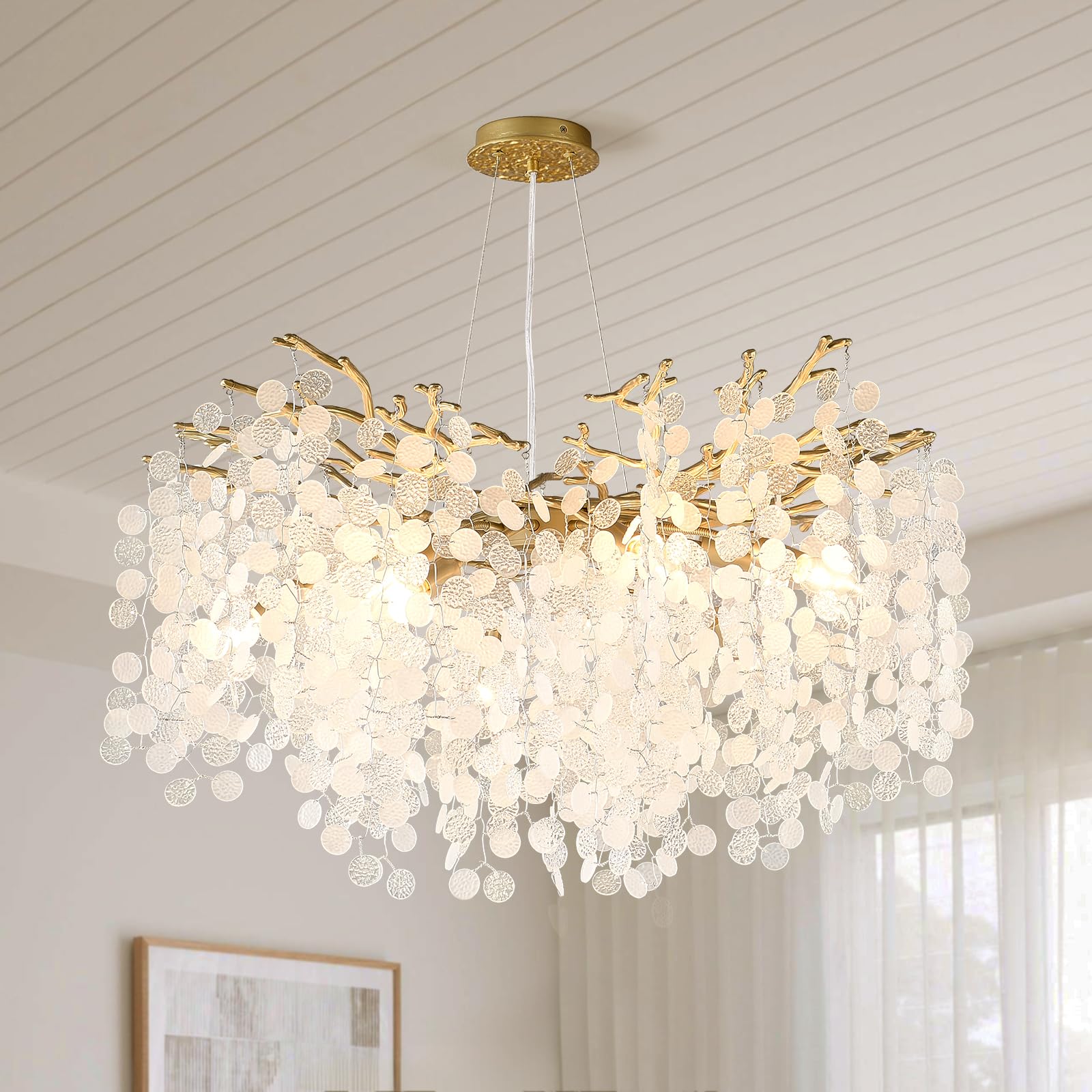

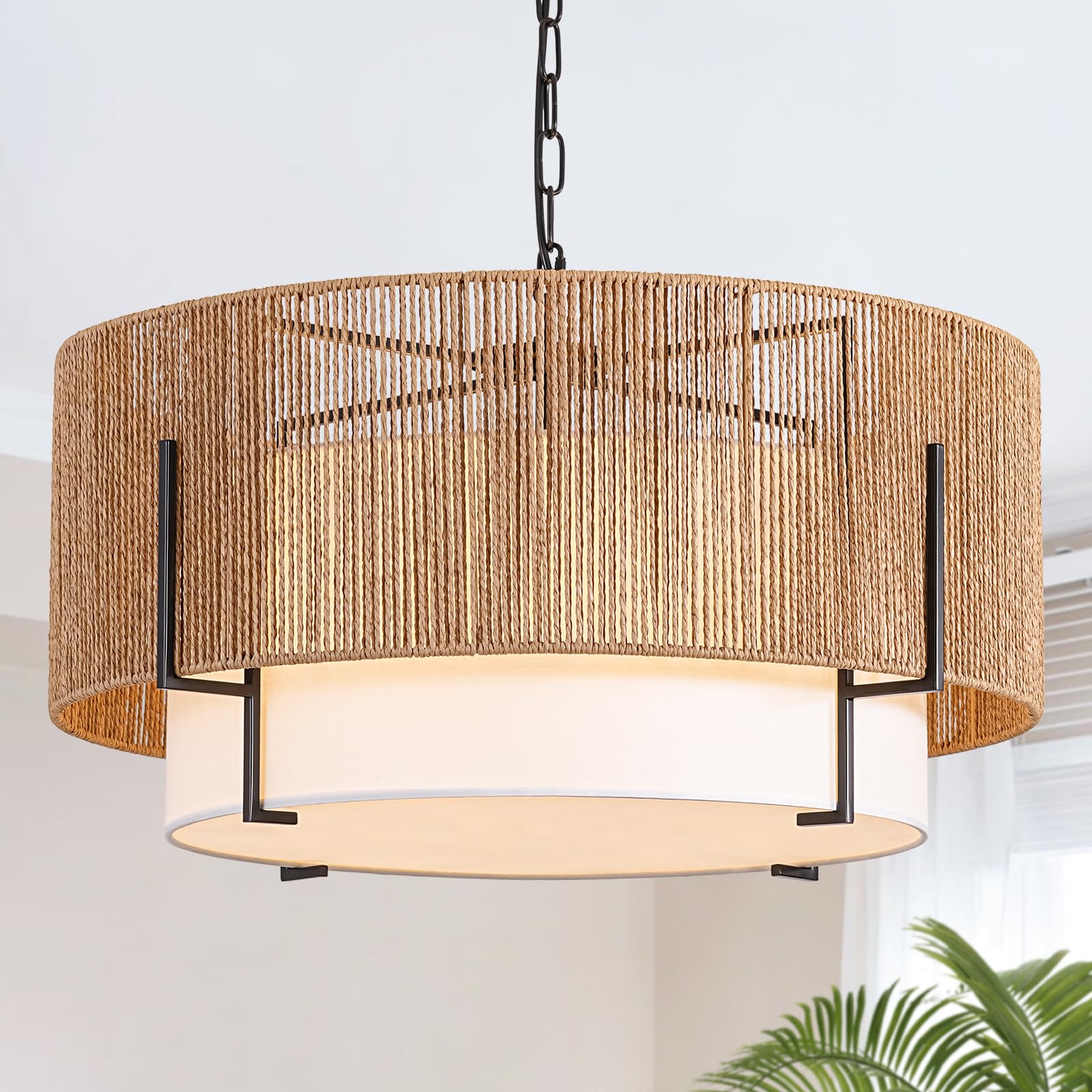
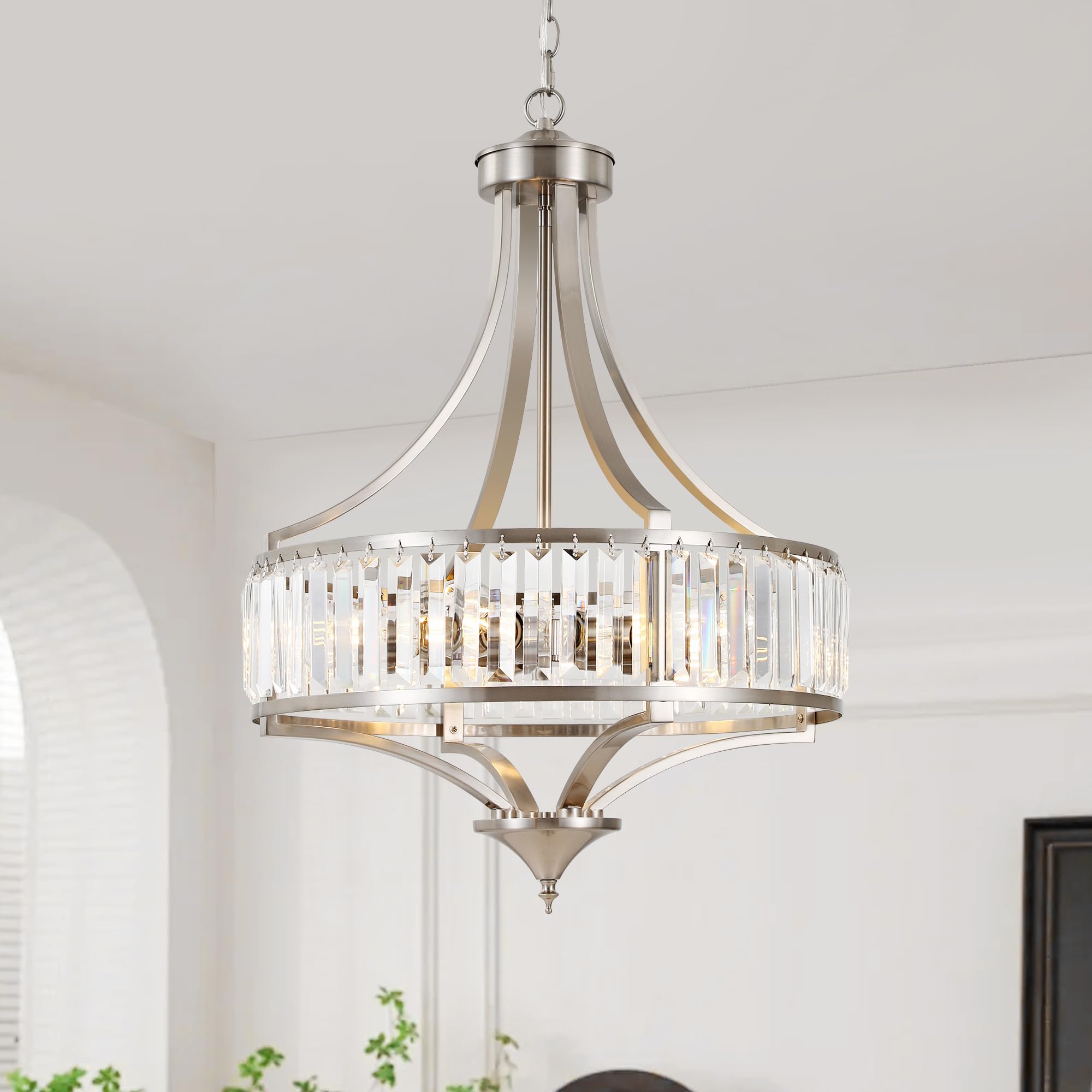

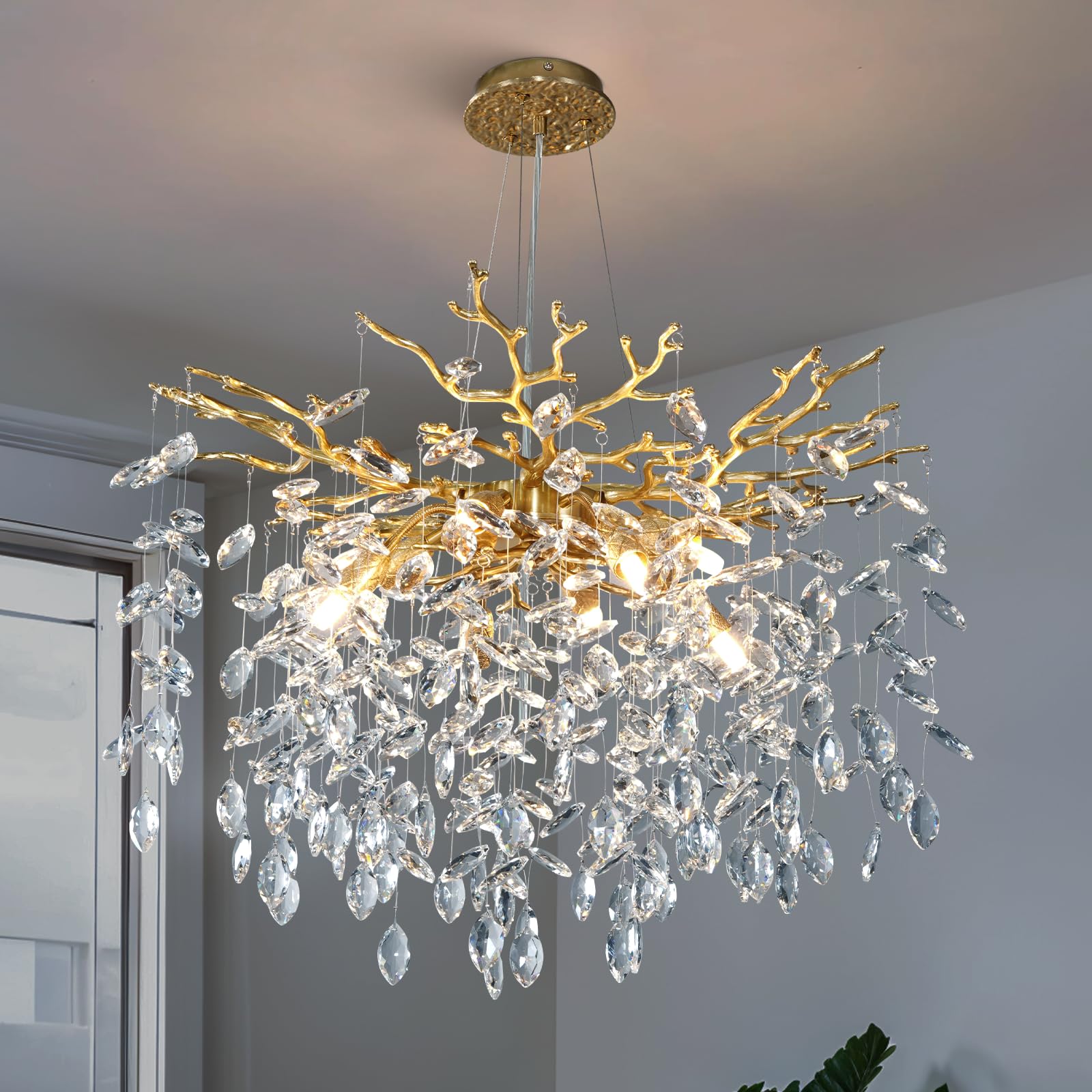
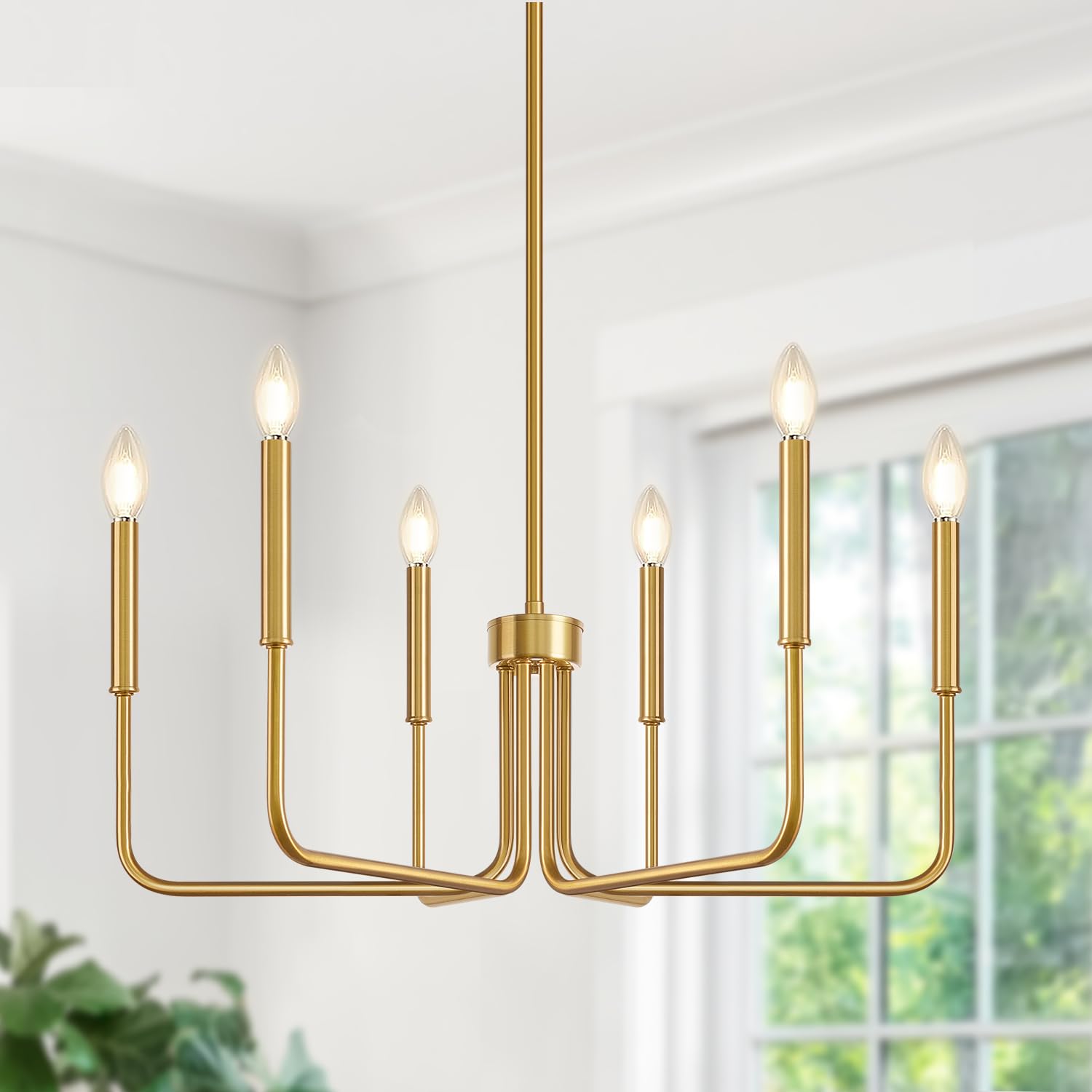
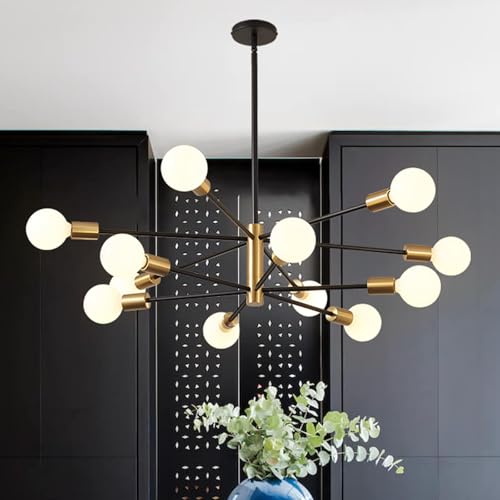
Chandelier Types at a Glance for Dining Rooms
Most dining room chandeliers fall into a few broad families. Crystal and candle styles spread light widely and suit formal rooms. Linear styles follow the shape of a long table and light every place setting evenly. Sputnik and modern styles make a strong visual statement, while farmhouse and rustic styles soften a room with wood, rattan, and muted metal finishes.
- Crystal and candle styles: best for formal rooms and traditional decor
- Linear styles: best for rectangular tables and even light along the table
- Modern and sputnik styles: best for clean lined rooms that need a focal point
- Farmhouse and rustic styles: best for relaxed rooms with wood furniture
Three Chandelier Styles Compared for Dining Rooms
Instead of chasing a single winner, it helps to compare the three style families that cover most dining rooms. Each one below can work beautifully, but each asks something different of your ceiling height, your table shape, and the rest of your decor.
Classic Crystal and Candle Styles for Formal Rooms
Crystal and candle style chandeliers remain the classic choice for a formal dining room. Cut glass pieces scatter light across the ceiling and walls, which gives the whole room a gentle glow rather than a single pool of light on the table. Candle style bulbs keep the look traditional and pair well with crown molding, wainscoting, and dark wood furniture. Choose this family if your room hosts holiday meals and formal dinners.
Modern and Linear Styles for Clean Lined Rooms
Modern chandeliers use simple shapes, exposed bulbs, and finishes such as matte black or brushed gold to suit rooms with clean lines and little ornament. A linear frame is the standout option here, since its length mirrors a rectangular table and places light over every setting instead of only the center. If this direction appeals to you, our guide to the best modern chandelier designs covers the look in more depth. Pick this family for open plan spaces and rooms where the table is long.
Farmhouse and Rustic Styles for Relaxed Rooms
Farmhouse and rustic chandeliers trade sparkle for texture. You will see wagon wheel frames, wood beams, rattan shades, and black metal cages, often with bulbs that mimic candle flames at a warmer glow. These fixtures suit casual family dining, rooms with linen and natural wood, and homes where the table doubles as a workspace during the day. They tend to feel larger than crystal pieces of the same size, so leave clear space around the frame.
How to Compare Chandeliers for a Dining Room
Compare any two fixtures on the same five points and the choice usually becomes clear. Look at total brightness in lumens, color temperature, style and finish, how the fixture installs, and how much energy its bulbs use over time. Prefer listings that publish full dimensions, bulb details, and a recognized safety listing such as UL or ETL, since vague listings hide the details that matter most. Our step by step overview of how to choose a chandelier walks through the same criteria, and it is a useful companion when you judge the best chandelier for dining room shoppers with very different tables and ceilings.
How to Choose the Right Chandelier for Dining Room Use
The sections below work in a simple order. Settle the type first, then the light output, then the size, and only then the extras and the budget. Following that order stops the most common regret, which is falling for a style before checking whether it fits the room at all.
Type
Start by matching the fixture type to your table and decor. Crystal suits formal rooms, sputnik arms suit bold modern rooms, and linear frames suit long rectangular tables because the light runs along the table rather than pooling in the middle. Farmhouse, rustic, and wagon wheel designs bring warmth to casual rooms, while rattan adds texture without much visual weight. Finishes tie the look together, with gold reading warm and dressy, black reading crisp and graphic, and natural materials reading calm. Let the room you already have make this call.
Lumens and Color Temperature
Brightness decides whether dinner feels inviting or flat. For a medium sized dining room, aim for about 3000 to 4000 lumens in total from the fixture and any supporting lights, which gives enough light to see food and faces clearly without glare. Color temperature shapes the mood just as much. Bulbs at 2700K to 3000K give the warm white glow that flatters skin tones and wood finishes, while cooler light near 4000K can make a dining room feel like an office. Count the lumens of every bulb together, not just one bulb.
Fixture Size and Placement
Size is where most buyers go wrong, so use the table as your ruler. A round or square fixture should measure about one half to two thirds of the table width, and a linear fixture should run about one third to one half of the table length. Hang the bottom of the fixture about 30 to 36 inches above the table surface with an 8 foot ceiling, and raise it about 3 inches for each added foot of ceiling height. Center it over the table, not the room, when the two differ.
Dimmable and Smart Options
A dimmer is close to essential in a dining room, since the same fixture must handle bright homework sessions, everyday family meals, and low light for a slow dinner with friends. Check that the fixture, the bulbs, and your wall dimmer all work together, because a mismatch causes flicker or buzzing. Smart bulbs and smart switches add scheduling and voice control. If you go smart, pick one control method and keep it simple for guests.
Installation, Hardwired and Plug In Options
Most dining room chandeliers are hardwired into a ceiling junction box, which gives the cleanest look and lets a wall switch or dimmer control the light. Plug in models hang from a hook and run a cord to an outlet, so they suit renters and rooms with no box above the table. Before you buy, confirm the ceiling box is rated to hold the fixture weight, and read our walkthrough of how to install a chandelier if you plan to fit it yourself. Turn the power off at the breaker before any wiring work.
How Much Should You Spend?
Price mostly buys materials, size, and finish quality rather than more light. Fixtures under $100 are usually small, light in weight, and finished to look good from a distance. Models at about $100 to $200 add sturdier frames and better glass. At about $200 to $500 you get larger sizes, dimming friendly designs, and finishes that hold up to close inspection. Above about $500 to $1000, you are paying for craftsmanship, heavier crystal or metal, and statement scale. Set your tier after you know your size, not before.
What Matters Most in a Chandelier for Dining Room Use
A dining room asks more of a chandelier than any other room, because people sit under it for long stretches and look across it at each other. Light that flatters faces matters more than raw brightness, and bulbs that sit at eye level when you are seated can create glare that tires everyone at the table. Shades that soften the bulbs, or bulbs placed above seated eye level, keep conversation comfortable through a long meal.
The dining table also anchors the fixture in a way other rooms do not. In a living room the chandelier lights an open area, as the options in our guide to the best chandelier for living room placement show, while a bedroom fixture focuses on soft ambient light, covered in our guide to the best chandelier for bedroom choices. In the dining room the fixture, the table, and the rug below it must read as one group, so buy for that group rather than for the room alone.
FAQ
What is the best chandelier for dining room?
There is no single winner, because the right fixture follows your table shape and ceiling height first. One detail many guides skip is shade direction. Shades that point light upward give soft, indirect glow that suits low ceilings, while shades that point downward put stronger light on the table for tasks and homework. Match the direction to how you use the room most evenings, and the style choice becomes much easier.
What should I look for in a chandelier for dining room?
Look first at how the fixture treats seated guests. Sit at your table and note your eye line, then favor designs that keep bare bulbs out of that direct line of sight, since exposed bulbs at eye level are the top cause of complaints after a purchase. Also check how easily you can reach and change the bulbs from a step stool. A beautiful fixture with bulbs you dread changing will spend part of its life with a dead bulb on show.
How long does a chandelier last?
The metal or glass frame of a chandelier can last for decades, because it has no moving parts to wear out. The light source is the shorter lived part. Replaceable bulbs are the safer long term choice, since you can swap a failed bulb in minutes, while fixtures with light sources built into the frame may need professional repair or full replacement when the light fades. If you love a built in design, keep the maker name and model details for future parts.
Is a chandelier worth it for a dining room?
For most homes, yes, because the dining room is the one space where a single fixture shapes every gathering in it. A well chosen chandelier also gives the room a clear focal point, which can make plain furniture and walls look intentional rather than unfinished. Think of the cost spread across years of family meals, holidays, and homework sessions at the same table. Few lighting purchases get used in as many shared moments.
How do you clean a dining room chandelier?
Turn the power off and let the bulbs cool first. Dust the frame and shades about once a month with a dry microfiber cloth, working from the top down so loose dust falls away from parts you have finished. For glass or crystal pieces, take a photo before you remove anything, so each piece goes back in its original place. Wash removable pieces in warm water with a drop of mild soap, dry them fully, and only restore power once every part is dry.
What makes a chandelier brand reliable for a dining room?
Reliability shows up in support more than in a name. Favor makers that publish clear specifications, offer a warranty of at least a year, and sell replacement parts such as shades, crystals, and canopy hardware after the sale. Responsive customer service matters too, because a chandelier ships in many fragile pieces and one cracked part should not force a full return. A brand that stocks parts and answers questions will serve you better than a famous name that does neither.
Final Verdict
Start with your table, not with a photo. Match the fixture type to the table shape, confirm the size and hanging height, choose warm light in the 2700K to 3000K range on a dimmer, and then spend at the tier your materials and finish call for. The product table above pulls those checks together in one place. Chosen that way, the best chandelier for dining room is simply the one your family will enjoy sitting under for years.