Best Chenille Yarn for Blankets in 2026: Which Type Is Right for You?
Disclosure: We may earn a commission when you buy through links on this page, at no extra cost to you. As an Amazon Associate I earn from qualifying purchases. Learn more

Compare the best chenille yarn for blankets by fiber type, weight, shedding, and wash care to pick the right skeins for your next project.
Chenille yarn promises the softest blanket you will ever make, yet two skeins that look identical on the shelf can behave very differently on your hook or needles. Fiber content, pile construction, and weight decide whether your blanket stays plush or sheds into thin patches. This guide compares the main types so you can pick the best chenille yarn for blankets for your project the first time.
We will walk through polyester, cotton, and blended chenille, then cover weight, yardage, and care. Check the comparison table below for current options, then use the sections that follow to match a yarn type to your blanket size, your stitch plans, and your washing machine.

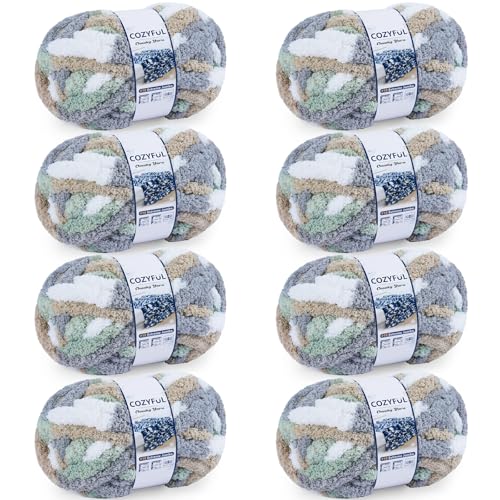


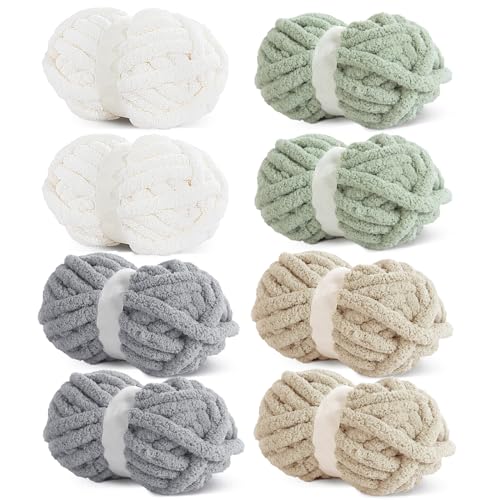
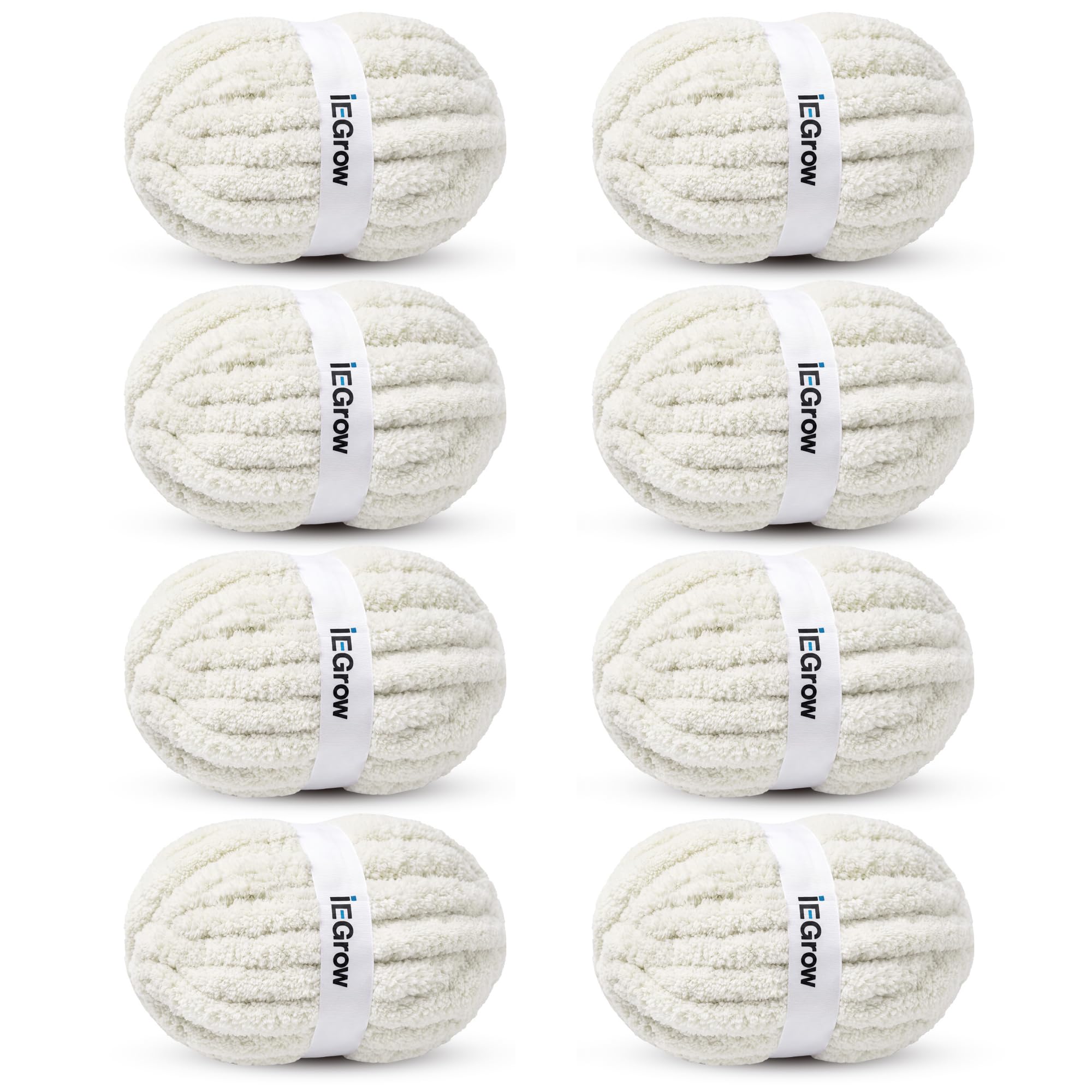

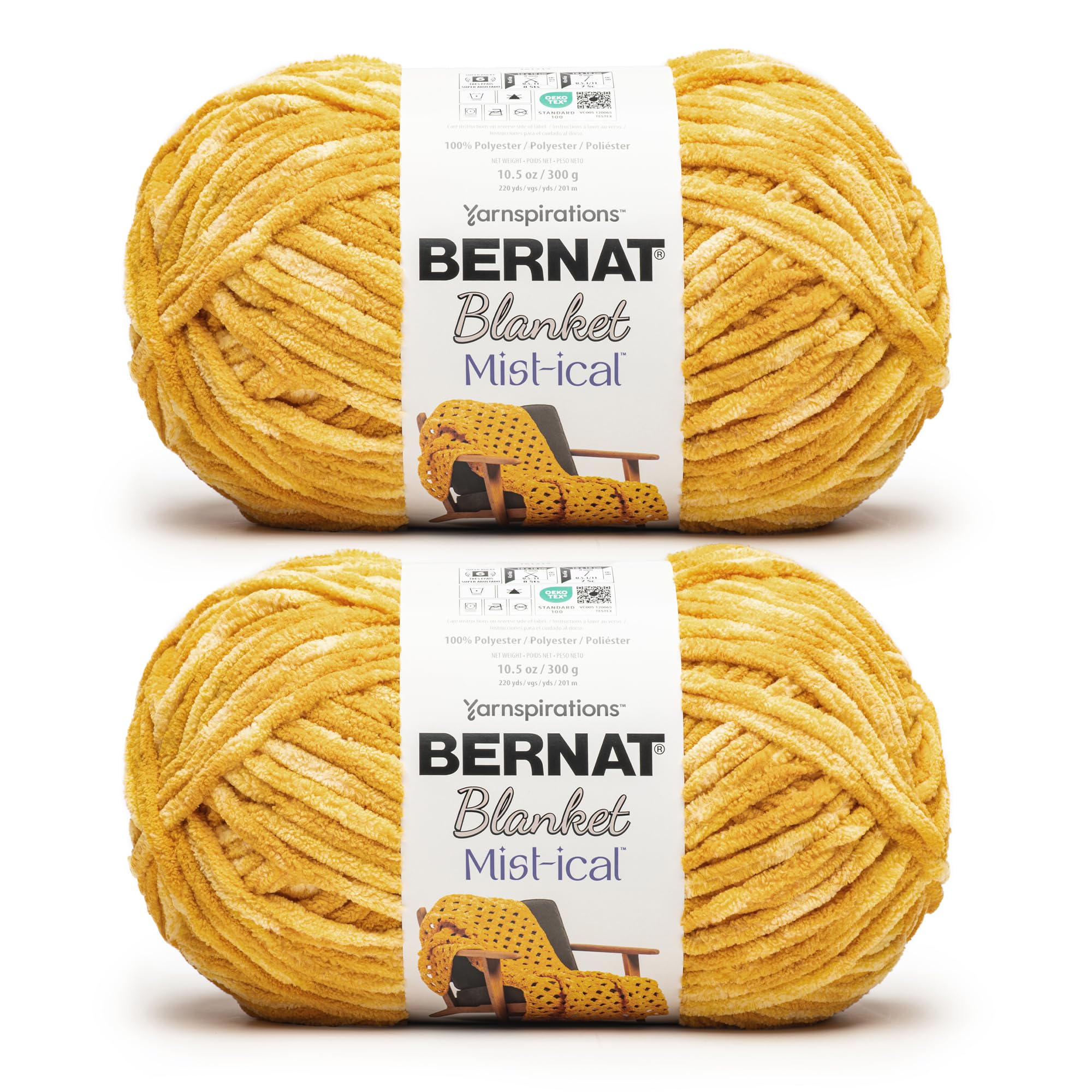
Types of Chenille Yarn Compared
Chenille gets its caterpillar soft pile from short fibers trapped between two twisted core threads. What those fibers are made of changes everything about drape, warmth, durability, and care.
Polyester Chenille
Polyester is the most common chenille fiber and the easiest to live with. It resists fading, tolerates machine washing and drying, and holds its pile well through years of couch use. It feels silky and warm, which suits throws and bed blankets in cool rooms. The drawbacks are modest breathability and a slight synthetic sheen some makers dislike. If your blanket is a gift for a busy household that will wash it often, polyester is usually the safest choice.
Cotton Chenille
Cotton chenille has a matte, natural hand and breathes better than polyester, so it suits summer throws and blankets for warm sleepers. It absorbs moisture and feels cool at first touch. The trade offs are weight and wear: cotton chenille is heavier for the same size blanket, its pile can flatten in high friction spots, and it may shrink slightly on the first wash. Makers who love natural fibers accept those compromises happily, especially for baby blankets where breathability matters and the blanket gets gentle handling.
Acrylic and Blended Chenille
Acrylic chenille and blends that mix acrylic with polyester or nylon aim for a middle path. They cost less than cotton, wash easily, and come in wide color ranges. Quality varies more in this group than in any other, so the skein in your hand matters: rub the pile firmly, and if fibers come away easily, expect shedding in the finished blanket. Blends with a nylon core tend to hold their pile best. This type suits large blankets where pure cotton would strain the budget.
Polyester vs Cotton Chenille: Which Should You Choose?
Choose polyester if the blanket will be washed often, used by kids or pets, or given to someone who will not follow special care steps. Choose cotton if breathability and a natural feel matter more than easy care, and if the blanket will live in a warm climate or on a warm sleeper. Consider the finished weight too: a cotton blanket in a chunky weight can feel heavy and comforting, while the same pattern in polyester feels noticeably lighter. When in doubt for a first chenille project, polyester forgives more mistakes, hides uneven tension better, and survives the frogging that beginners inevitably do.
How to Choose the Right Chenille Yarn
Fiber Content and Core Construction
Read the label beyond the fiber percentages and look at how the yarn is built. A tightly twisted core with dense, evenly cut pile sheds far less than a loose core with sparse pile. Do the thumbnail test in the store: scrape the yarn firmly with a thumbnail along a short section. A few loose fibers are normal; a bare stripe means the blanket will develop worn patches, a flaw makers call worming when stitches slip and loop out. Core strength also decides whether the yarn survives being pulled out and reworked.
Yarn Weight and Yardage Planning
Most blanket chenille is bulky or super bulky weight, which works up fast and shows stitches as soft ridges rather than crisp shapes. A standard throw of about 50 by 60 inches in super bulky chenille typically needs roughly 800 to 1,200 yards, depending on stitch pattern. Buy all your skeins at once and check that the dye lots match, because chenille color shifts between lots are obvious in a large flat piece. Our guide to the best yarn weight for blankets walks through the math for other sizes.
Features That Matter for Blankets
Blankets punish weak yarn in specific ways. The piece is large, so small per skein problems multiply: shedding that seems minor on a swatch becomes lint across a whole bed. Blankets also fold and bunch, which stresses the core threads at creases. Prioritize pile density, core strength, and wash tolerance over novelty textures. If you plan to crochet rather than knit, compare notes with our guide to the best yarn for blankets crochet, since hook work pulls pile harder than needles do.
Color, Texture, and Stitch Definition
Chenille hides stitch definition on purpose, so save intricate cables and lace for smoother yarns and choose simple stitches that let the pile do the visual work. Single crochet, half double crochet, and plain stockinette or garter stitch all shine. Variegated chenille can pool unpredictably across a wide blanket, while solid colors show every tension wobble less than you fear, thanks to the pile. A practical know how point: use a larger hook or needle size than the label suggests if your fabric feels stiff, because chenille blankets should drape, not stand.
How to Make Your Chenille Blanket Last Longer
Wash the finished blanket on a gentle cycle with cold water and dry it on low heat or flat, because high heat melts polyester pile tips and makes them feel rough. Skip fabric softener, which coats the pile and mats it down. Store the blanket folded loosely rather than compressed in a vacuum bag, since crushed pile recovers slowly. Rotate which side faces up on a bed every few weeks so friction spreads evenly.
While you work, keep the yarn cakes in a bag or bin rather than rolling around the floor, since the pile picks up dust and pet hair that later works into the fabric. Weave in ends with extra length and a slight change of direction, because chenille ends are slippery and short tails tend to creep out of the fabric after the first few washes. Knitters planning a second project can compare construction notes in our guide to the best yarn for knitting blankets.
Frequently Asked Questions
What features matter most in chenille yarn for blankets?
Pile density and core strength matter most, because they decide whether the blanket sheds and wears thin. After that, check fiber content for wash care and warmth, then confirm you can buy enough yardage in one dye lot. A soft skein with a weak core is a bad blanket yarn no matter how good it feels in the store.
How much chenille yarn do I need for a throw blanket?
A typical throw around 50 by 60 inches in super bulky chenille needs about 800 to 1,200 yards. Dense stitches such as single crochet use the high end; open stitches use less. Buy one extra skein in the same dye lot as insurance, because running short near the final rows is the most common chenille project failure.
Does chenille yarn shed?
All chenille sheds a little at first, and a gentle wash before use removes most loose fibers. Excessive shedding signals a loose core or sparse pile. The thumbnail scrape test before buying predicts most problems. Blended yarns with nylon cores and tightly twisted polyester chenille shed the least over the life of a blanket.
Is chenille yarn good for baby blankets?
It can be, with two cautions. Choose a tightly constructed yarn that passes the scrape test, wash the blanket before first use, and check the finished piece for loose loops a small finger could catch. Because babies should sleep on a firm, bare surface, use the blanket for supervised cuddle and stroller time rather than unattended crib sleep, and ask your pediatrician if you are unsure.
How do I wash a chenille blanket safely?
Use cold water on a gentle cycle with mild detergent, and keep the blanket separate from items with zippers or hooks that snag pile. Dry on low heat or lay it flat. Never use hot water on cotton chenille, which can shrink, and never use high dryer heat on polyester, which damages the pile surface.
What is the difference between chenille and other chunky blanket yarns?
Chenille has a velvet pile around a core, while most chunky yarns are smooth spun strands, so chenille feels softer but shows less stitch detail. Chunky tube yarns and roving styles work up even faster but pill differently and can be harder to wash. Our comparison of the best chunky yarn for blankets covers those trade offs in full.
Wrapping Up
Start with fiber: polyester for easy care, cotton for breathability, blends for budget and color choice. Then verify core strength with the scrape test and buy your full yardage in one dye lot. Do that, and the best chenille yarn for blankets for your project is simply the one whose care demands match the life the blanket will live. Compare your finalists in the product table above, and if you prefer natural fibers throughout, our guide to the best cotton yarn for blankets is a good next read.