Best Champagne Mixers: Every Type Explained Side by Side for 2026
Disclosure: We may earn a commission when you buy through links on this page, at no extra cost to you. As an Amazon Associate I earn from qualifying purchases. Learn more

Compare champagne mixers by type, from juice blends to syrups and fruit purees, and learn how flavor, sweetness, cost, and ease of use should shape your choice.
Champagne cocktails sound simple, yet the mixer you choose changes the sweetness, color, and balance of the whole drink. The best champagne mixers depend on the flavor you want, how many guests you serve, and how much prep you are willing to do. This guide compares each type side by side, and the comparison table below lays out the options at a glance, so you can pick with confidence.
Some mixers pour straight from the bottle, while others need measuring, chilling, or fresh fruit. Knowing those tradeoffs before you shop saves a last minute scramble and keeps the focus on your guests rather than on fixing a drink that tastes too sweet or too sharp.




Types of Champagne Mixers Compared
Champagne mixers fall into a few broad types, and each one suits a different style of gathering. Juice blends are the easiest starting point, syrups give the most control over sweetness, and fruit purees deliver the richest color and texture. The table below summarizes the tradeoffs, and the sections that follow explain each type in more detail.
| Type | Best For | Pros | Cons | Typical Price |
|---|---|---|---|---|
| Juice blends | Large gatherings and easy serving | Ready to pour, consistent flavor | Less control over sweetness | Around $5 to $12 |
| Syrups and cordials | Precise flavor and small batches | Long shelf life, adjustable sweetness | Needs measuring and chilling | Around $8 to $18 |
| Fruit purees | Rich color and fresh fruit flavor | Vivid taste and texture | Shorter shelf life, needs chilling | Around $10 to $20 |
Juice Based Mixers
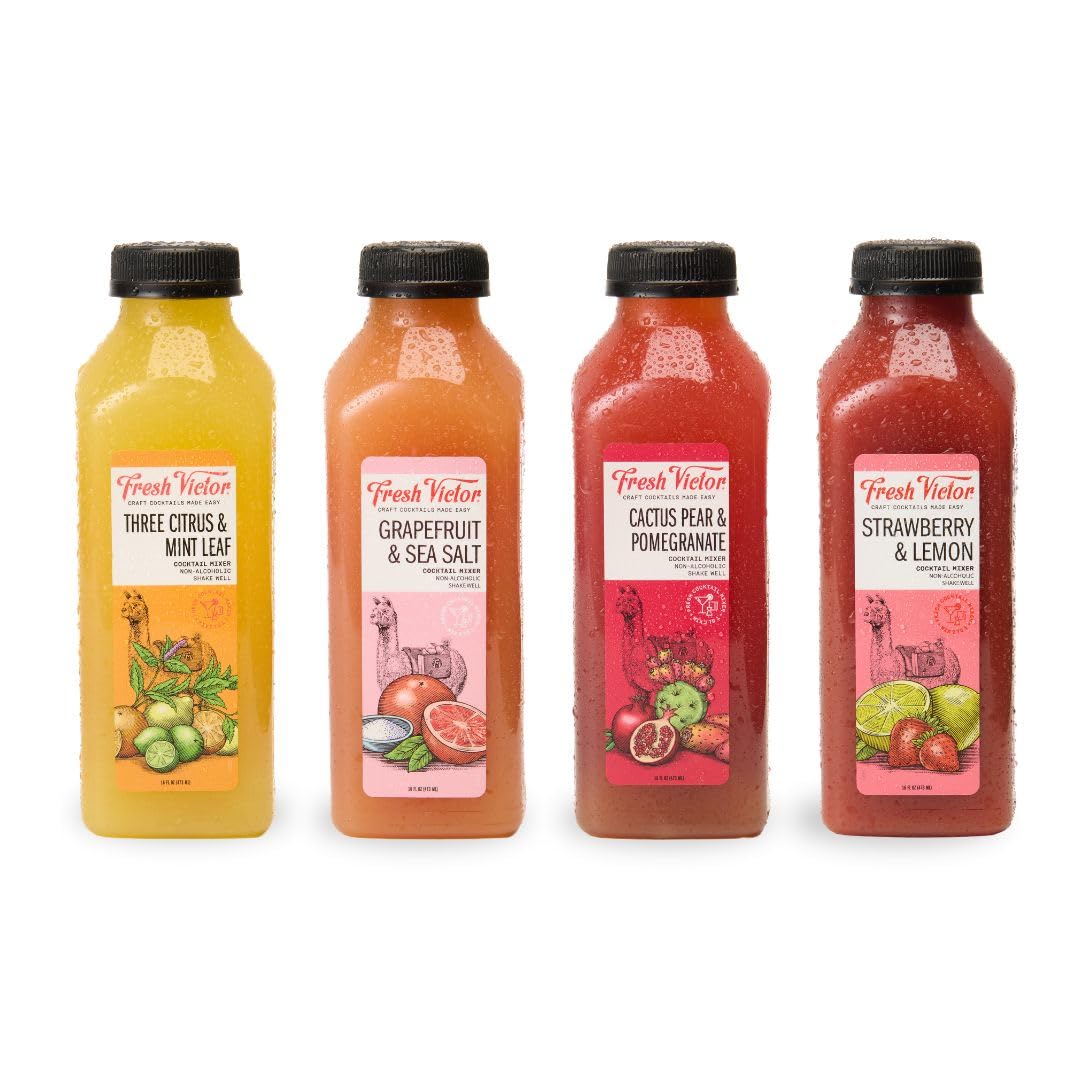
Juice based mixers, such as orange, peach, or berry blends, are the simplest way to build a champagne cocktail. They pour straight from a chilled bottle, taste consistent from glass to glass, and suit large gatherings where you do not want to measure each drink. The tradeoff is control: the sweetness and strength are set by the maker, so taste a small batch first and adjust the champagne to juice ratio to suit your guests.
Choose a juice blend with a short ingredient list and a flavor that complements rather than hides the champagne. Cloudy or pulpy juices can look festive in a flute, but very thick juices may mute the bubbles, so a lighter blend often works better for a first round.
Syrup Based Mixers
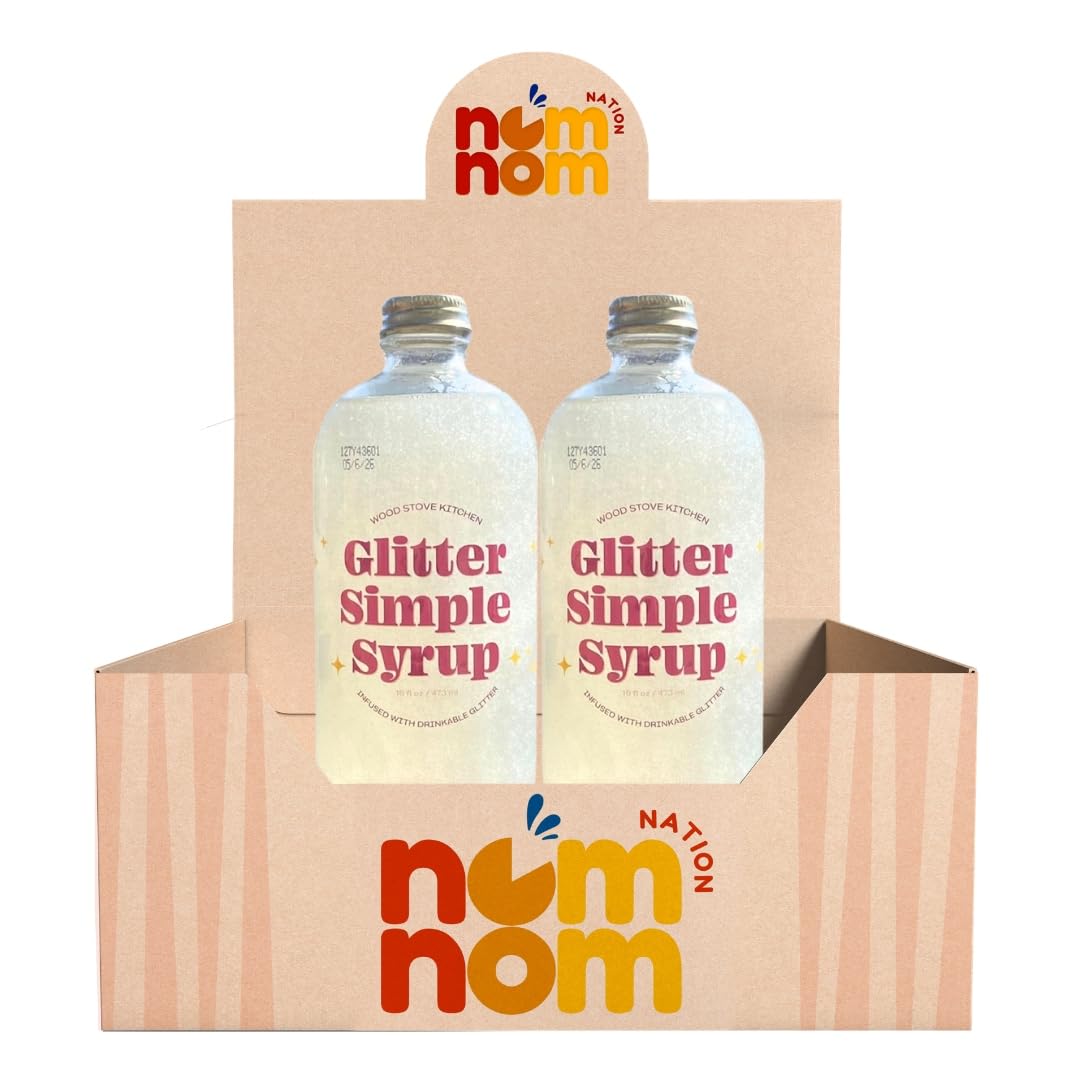
Syrups and cordials, such as elderflower, raspberry, or ginger syrup, give you precise control over sweetness and flavor strength. A small amount goes a long way, which makes syrups economical for small batches and easy to store between gatherings. See our guide to best mixers for margaritas if you want to compare syrup styles across cocktail types, since the measuring habit transfers well. The tradeoff is prep: you must measure, stir, and chill, and an unsteady hand can make one glass far sweeter than the next.
Syrups also last longer than fresh juice once opened, provided you follow the maker storage guidance and refrigerate after opening. That shelf life makes them a good pantry staple for hosts who entertain often but do not want to buy fresh ingredients for every event.
Fruit Puree Mixers
Fruit purees, such as peach, strawberry, or mango, deliver the richest color and the most vivid fruit flavor of the three types. They suit celebrations where the drink itself is part of the show, and a small amount creates a striking color in the glass. The tradeoff is care: purees need chilling, stir easily into separation, and spoil faster than syrups, so buy only what you will use and keep leftovers cold.
Purees also vary more between makers, since fruit ripeness and thickness differ, so taste before the event and note the ratio that works. A thinner puree blends more evenly with champagne, while a very thick puree may need a gentle stir in the glass to keep the bubbles lively.
Juice Mixers vs Syrup Mixers: Which Should You Choose?
Juice mixers win on speed and consistency, while syrup mixers win on control and storage. If you serve a crowd, want every glass to taste the same, and prefer to pour and move on, juice blends are the safer pick. If you enjoy tuning a recipe, serve smaller groups, or want one bottle to last across several gatherings, syrups give you more flexibility for the money. See our guide to best drink mixers for a broader look at mixer styles, since the same ease versus control tradeoff appears across cocktail categories, and purees lead on visual impact when presentation matters most.
How to Choose the Right Champagne Mixer
Choosing well means matching the mixer to your guests, your menu, and your tolerance for prep. The factors below cover the practical points that matter most, from flavor balance to cost per serving, so you can narrow the shelf to one or two strong options.
Intended Use and Who It Is For
Start with the occasion: a brunch crowd may favor light citrus or peach notes, while an evening gathering may suit berry or floral flavors. Consider guests who prefer less sweetness and offer a drier champagne alongside a sweeter mixer, so each person can adjust the balance. If children attend the gathering, keep champagne and serving pieces away from children, and offer a sparkling nonalcoholic option made with the same mixer so everyone can join the toast.
Build Quality and Materials
For mixers, quality shows in ingredients and packaging rather than in hardware. A short ingredient list, real fruit or flower content, and a sealed bottle that pours cleanly all signal care in production. Glass bottles protect flavor well but need careful handling, while sturdy plastic bottles travel better for outdoor events. Check the maker guidance on storage and use by dates, since a mixer past its best date can taste flat even in a fresh drink.
Price vs Value
Mixer prices run from budget juice blends around $5 to $12, through mid range syrups around $8 to $18, to premium purees around $10 to $20. Value depends on servings per bottle rather than bottle price alone: a concentrated syrup that yields dozens of drinks can cost less per glass than a large juice bottle used once. See our guide to best mixers for whiskey if you compare value across mixer categories, since serving counts matter there too. Buy the smallest size that covers your guest list, and avoid bulk bottles that may spoil before the next event.
Ease of Use and Setup
Ease of use covers chilling, measuring, and pouring without fuss. Juice blends need only chilling and a steady pour, syrups need a jigger or spoon and a stir, and purees need chilling plus a gentle stir before serving. If you host alone, favor the simplest type so you spend the evening with guests rather than at the counter. Pre chilling glasses and keeping mixers in an ice bucket also keeps the workflow smooth.
Maintenance and Long Term Costs
Long term costs for mixers are mostly storage and waste rather than equipment. Syrups cost little to keep, since they store well and serve many drinks, while juice and purees cost more if leftovers spoil. Factor in ice, garnishes, and spare champagne for tasting, and keep opened bottles refrigerated per maker guidance. Buying two smaller bottles instead of one large bottle often reduces waste when guest numbers are uncertain.
Setup and Care Tips
Read the maker manual before first use, since mixing ratios and storage guidance vary by type. Clean and inspect bottles regularly, wipe spills promptly, and store mixers in a dry, cool place away from sunlight. Chill mixers and champagne well before serving, taste a trial glass before guests arrive, and keep opened bottles refrigerated. These small habits protect flavor and keep serving smooth from the first toast to the last.
Champagne Mixers: Your Questions Answered
How do I maintain a champagne mixer?
Store unopened mixers in a cool, dry place and refrigerate opened bottles following the maker guidance on the label. Juice and puree mixers spoil faster than syrups, so note the opening date and use them within the stated window. Keep bottle necks clean, close caps tightly after pouring, and discard any mixer that smells off or shows mold, since flavor and safety both suffer once a bottle turns.
Are expensive champagne mixers worth it?
Expensive mixers are worth it when they use real fruit, offer a cleaner flavor, or serve many drinks per bottle, but price alone does not guarantee a better cocktail. A mid priced juice or syrup that matches your champagne and suits your guests often beats a premium bottle whose flavor fights the drink. Taste a small amount before the event, compare cost per serving rather than bottle price, and spend more only where you notice a clear difference.
What features matter most when buying champagne mixers?
Flavor balance matters most, followed by sweetness control, ingredient quality, and ease of serving. A mixer should complement champagne rather than hide it, so favor flavors that leave the bubbles and the wine character noticeable. Check the ingredient list for real fruit or flower content, confirm the sweetness level suits your guests, and choose packaging that pours cleanly and stores well after opening.
How much should I spend on a champagne mixer?
Most hosts spend around $5 to $20 per bottle, depending on type and guest count, with syrups offering the lowest cost per serving. For a small gathering, one bottle of juice or puree plus a bottle of champagne is usually enough, while a larger party may need two or three mixer bottles. Start with a mid priced option for a first event, note how much you actually use, and adjust the budget for the next gathering based on real servings.
How long does a champagne mixer last?
Unopened mixers typically last months in a cool pantry, while opened juice and puree mixers last days to a couple of weeks under refrigeration. Syrups last longer once opened, often several weeks to a few months, provided they stay sealed and refrigerated as directed. Always follow the maker use by date, keep bottles closed between pours, and discard leftovers that have changed color, smell, or taste.
The Bottom Line
Pick your mixer by occasion, flavor, and effort: juice blends for easy crowds, syrups for control and storage, and purees for vivid presentation. Taste before the event, watch the sweetness balance, and drink responsibly, keeping champagne and serving pieces away from children. The best champagne mixers are the ones that let the champagne shine while giving every guest a drink they enjoy, and the product table above is a handy place to compare your shortlist by type and price.