Best Chalk Paints: Which One Fits the Way You Use It for 2026
Disclosure: We may earn a commission when you buy through links on this page, at no extra cost to you. As an Amazon Associate I earn from qualifying purchases. Learn more
Compare the best chalk paints by finish, coverage, prep, and sealing needs, with plain guidance for furniture, cabinets, and small craft projects at home.
There is no single can of chalk paint that suits every project, because a nursery dresser, a set of kitchen cabinets, and a flea market side table all ask different things of a finish. The best chalk paints for you depend on how much prep you want to do, how tough the surface needs to be, and whether you plan to seal the piece with wax or a topcoat. This guide matches paint traits to real projects so you can buy once and paint with confidence.
Start with the comparison table below, which lines up container sizes, finish styles, and sealing needs side by side. Then read on for who each style of paint suits, the features that actually change your results, and the mistakes that waste the most money.




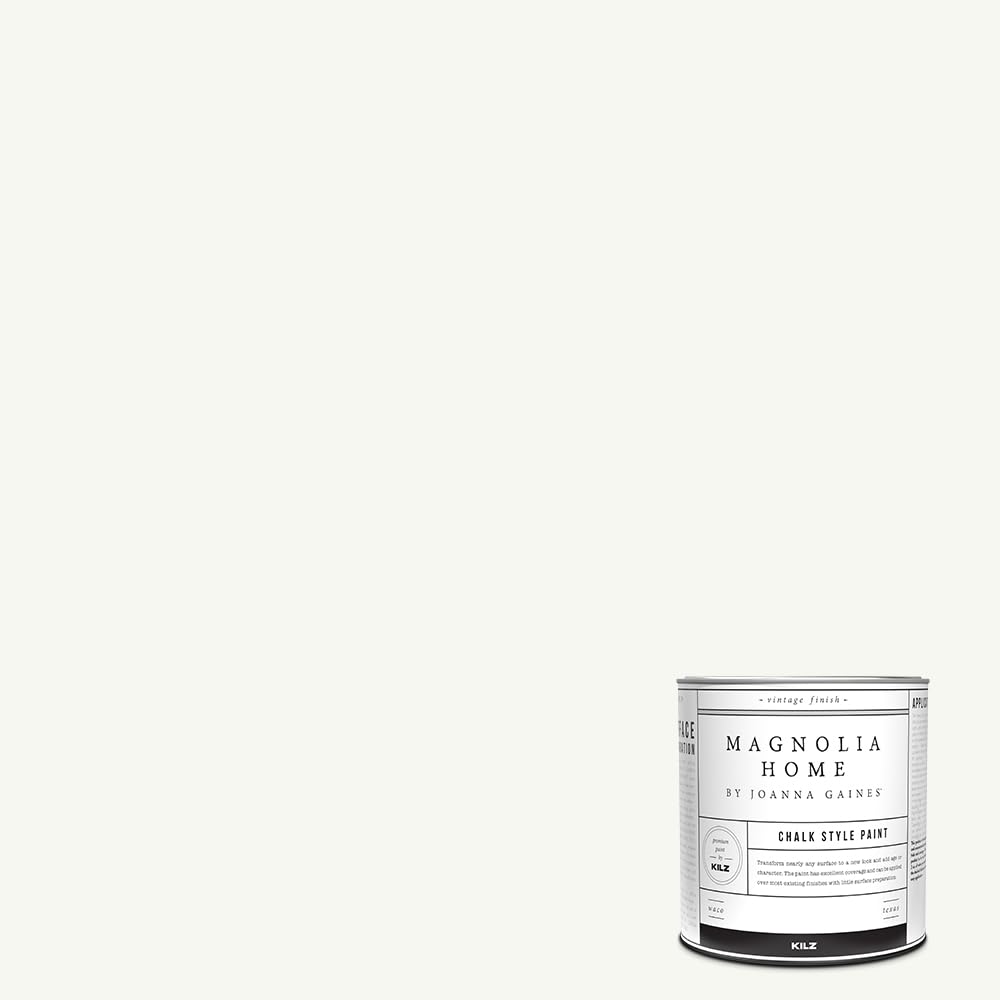


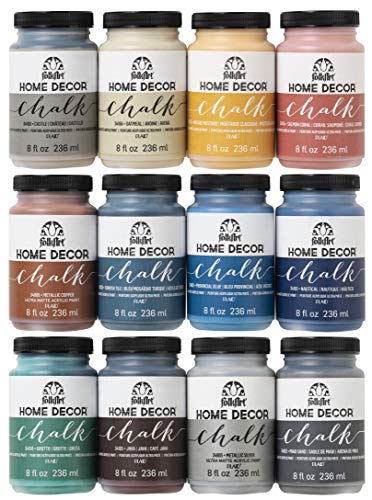
Who Should Buy Which Chalk Paints?
Chalk paint buyers fall into a few clear groups, and each group should weight the buying factors differently. Find your group, note the traits it points to, and use them as a filter when you scan the product table above.
First Time Buyers Who Want an Easy Start
If this is your first painted furniture project, put easy to use at the top of your list. Look for a paint with a smooth, forgiving consistency that levels out brush marks on its own, covers in two coats over a light cleaning, and cleans up with water. Forgiving formulas matter more than a huge color range at this stage, because a paint that drags or dries too fast will show every stroke on a flat dresser top.
Value Seekers Balancing Price and Durability
If you paint often or buy pieces to resell, value comes from coverage rather than the sticker price alone. A quart that covers a dresser and two chairs costs less per project than a cheaper can that needs three coats and still looks thin. Check the stated coverage per container, favor paints that go on well over dark wood without a primer coat, and think about the sealer too, since wax or topcoat adds to the total cost of every piece.
Painters Who Want the Best Performance
If the piece will take daily wear, such as a dining table, kitchen cabinets, or a hallway bench, performance means adhesion and a finish that survives wiping, spills, and bumps. Look for paints known for strong grip on slick surfaces like laminate and old varnish, a hard curing formula, and good compatibility with durable water based topcoats.
Gift Shoppers Buying for a Craft Lover
Chalk paint makes an easy gift because it asks for almost no special equipment and turns a thrift store find into a weekend project. Small jars and sample sizes work best for gifting, since the recipient can try several colors on frames, plant pots, and small boxes before choosing a favorite for furniture. Pair the paint with a natural bristle brush and a small tin of clear wax so the gift is a complete starter kit.
Key Features to Compare
Cans of the best chalk paints all carry similar claims, but the paints behave very differently once the brush touches wood. The features below are the ones that change your prep work, your coat count, and how the finished piece holds up.
Container Size and Coverage per Quart
Chalk paint comes in sample pots of a few ounces, pints, quarts, and occasional gallon cans, and picking the right size is mostly a coverage question. A quart typically covers roughly 100 to 150 square feet, which is enough for a large dresser or a few smaller pieces with paint to spare. Sample pots suit test boards and small crafts, and they are the smart way to confirm a color before buying a quart. Compact options like sample sets also help if storage space is tight, since opened cans dry out over time.
Consistency, Pigment, and Finish
Quality shows up first in the can. A good chalk paint stirs to a smooth, thick texture with no lumps and no pool of thin liquid that refuses to mix back in. Strong pigment gives you the flat, velvety matte look chalk paint is known for, and it keeps light colors honest over dark stained wood. Thin, weak formulas can look chalky in the wrong way, with streaks that show through even after extra coats.
Surface and Project Match
Chalk paint grips wood, painted surfaces, metal, glass, and even fabric, but the right formula still depends on the job. Know the limits too. Chalk paint is a poor match for surfaces that stay wet or get very hot, so for those jobs see our guide to the best paint for bathtubs and our guide to the best paint for grills instead of forcing a furniture paint into the wrong role. Fabric and leather crafts are a middle case: thinned chalk paint can coat them for decor pieces, but footwear flexes far more, so read our guide to the best paint to paint shoes before painting anything you plan to wear.
Drying Time, Cleanup, and Odor
Most chalk paints dry to the touch in about 20 to 60 minutes, which lets you finish a small piece in an afternoon but also means the paint can start to drag if you keep brushing a half dry area. Fast drying formulas reward a steady pace and punish fussing, so slower painters may prefer a brand known for a longer open time. Nearly all chalk paints are water based, so brushes wash out with soap and water and the odor stays low enough for indoor work in a ventilated room.
Sealing, Durability, and Long Term Costs
Unsealed chalk paint is porous and marks easily, so the sealer you choose is part of the purchase, not an afterthought. Clear wax gives a soft, low sheen finish and a hand rubbed feel, but it needs refreshing on busy surfaces and can take weeks to fully cure. Water based topcoats in matte or satin give harder protection for tables and cabinets and usually cost a bit more per project.
How to Prep and Apply Chalk Paint Well
Chalk paint is famous for needing little prep, and that claim holds up as long as little does not become none. Wipe the piece down with a degreasing cleaner, rinse off the residue, and let it dry fully, because kitchen grease and furniture polish are the top causes of peeling. Sand only where the old finish is flaking or glossy enough to shine, and fill dents if you want a smooth modern look rather than a rustic one.
Stir the paint fully and pour some into a separate cup so dust and dried flakes from the project never get back into the can. Apply the first coat in long strokes with the grain, accept that it will look streaky, and let it dry before judging coverage. The second coat is where the flat, even finish appears.
If you plan to spray large pieces instead of brushing, thin the paint only as much as the maker allows, strain it first, and see our guide to the best sprayers for paint for the equipment side of that approach.
Common Mistakes to Avoid When Buying Chalk Paints
- Choosing on price alone, which often means thin coverage, extra coats, and a higher total cost than a mid priced quart.
- Skipping the sealer in your budget, which leaves a porous finish that stains and marks within weeks on any used surface.
- Buying a gallon for one small project, which risks the paint skinning over and drying out long before you use it up.
- Trusting the wet color in the can or on a screen, which leads to returns and repainted pieces when the dried shade looks different.
- Ignoring the surface you are painting, which causes peeling on greasy, glossy, or peeling old finishes that needed cleaning or sanding first.
- Skipping the check on return terms or any satisfaction warranty, which leaves you stuck with a full quart in a color you dislike.
Tips to Make Your Chalk Paint Finish Last Longer
Care for chalk paint is mostly about protecting the sealer you applied. Dust with a soft dry cloth and wipe spills promptly with a slightly damp cloth, since standing water can spot wax and soften it over time. Avoid harsh chemical cleaners and scrubbing pads on waxed pieces, because they strip the wax layer and leave dull patches that show against the rest of the finish.
Store leftover paint in a cool, dry place with the lid sealed tight, and write the color name and the piece it matches on the lid for later touch ups. Inspect busy pieces once or twice a year for worn edges and thin spots on the sealer. A fresh thin coat of wax on a worn tabletop edge takes minutes and stops moisture from reaching the paint beneath.
FAQs
Are expensive chalk paints worth the money?
Expensive chalk paints are worth it when the extra cost buys stronger pigment and better adhesion, not just a prettier label. Premium formulas often cover dark wood in two coats where a thin budget paint needs three, which narrows the real price gap per finished piece. Color consistency between cans also tends to be tighter, so a second quart bought months later matches the first.
How long does chalk paint last on furniture?
A sealed chalk paint finish lasts for years on furniture that is used gently and kept dry. The paint itself does not expire on the piece; wear shows up first in the sealer, so a dining surface may need fresh wax or topcoat long before the color layer fails. Humidity is the quiet enemy, and pieces in steamy bathrooms age faster than identical pieces in a bedroom. Plan on refreshing the protective layer rather than repainting when the finish starts to look tired.
How do I maintain a chalk paint finish day to day?
Maintain a chalk paint finish by treating the sealer as the working surface and keeping it clean and dry. Use coasters and felt pads under lamps, vases, and decor, because slow pressure and trapped moisture cause most rings and stuck on marks. When a small chip happens, chalk paint spot repairs blend unusually well: dab paint on the chip with a small brush, let it dry, and reseal just that area. This easy blending is one reason the paint stays popular for family furniture that takes knocks.
How much should I spend on chalk paint?
Most buyers spend under $40 on a quart of chalk paint, plus the cost of wax or topcoat to seal it. Sample pots for a few dollars are the cheapest way to test colors and brands on scrap wood before a bigger purchase. Spending more makes sense for cabinets and tables that face daily wear, while craft projects and decor pieces do fine at the low end. Judge the total project cost, paint plus sealer plus brush, instead of comparing can prices alone.
What features matter most when buying chalk paints?
Coverage, adhesion, and sealer compatibility matter most when buying chalk paints, in that order for most furniture projects. A paint that covers in two coats and grips your surface without primer saves both money and a full day of prep. Before a big project, paint a test board and live with it for a day, checking the dried color in morning and evening light. That one habit prevents more regret than any label claim, because rooms change how every shade reads.
The Bottom Line
Choosing chalk paint comes down to three things: how well it covers your surface, how little prep it truly needs on that surface, and which sealer will protect the finish in daily use. Match those to your group above, whether that is an easy first project, a value driven flip, or a hard working family table. Before you order, compare your finalists in the product table above for container size and sealing needs. Pick the best chalk paints for the way you will actually use the piece, and the painting itself becomes the easy part.