
Best Chalk for Kettlebells: Every Type Explained Side by Side for 2026
Disclosure: We may earn a commission when you buy through links on this page, at no extra cost to you. As an Amazon Associate I earn from qualifying purchases. Learn more

Compare block, liquid, loose, and ball formats to find the best chalk for kettlebells, with guidance on grip, mess, skin care, and value for your training.
Sweaty palms turn a kettlebell swing into a safety problem fast. The handle starts to slide, your grip squeezes harder than it should, and your forearms burn out before your legs and hips do. Choosing the best chalk for kettlebells fixes the root cause, because the right chalk keeps the handle steady in your hands through long sets.
The confusion is that chalk comes in several formats, and each one behaves differently on a steel or cast iron handle. This guide compares block, loose, liquid, and ball chalk side by side, explains the trade offs that matter for swings, snatches, and presses, and helps you match a format to your gym rules and skin. Start with the comparison table below, then read the type breakdowns.


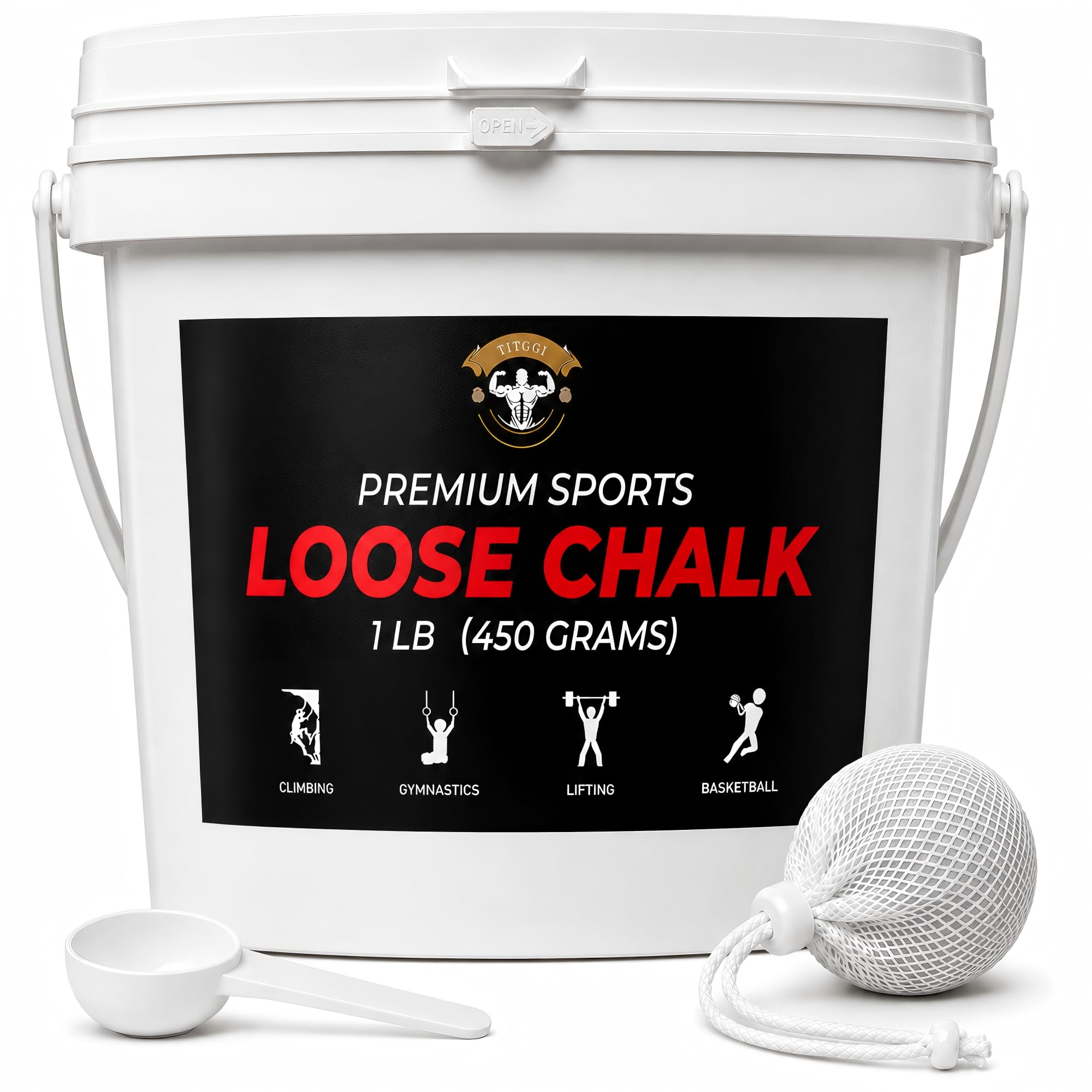
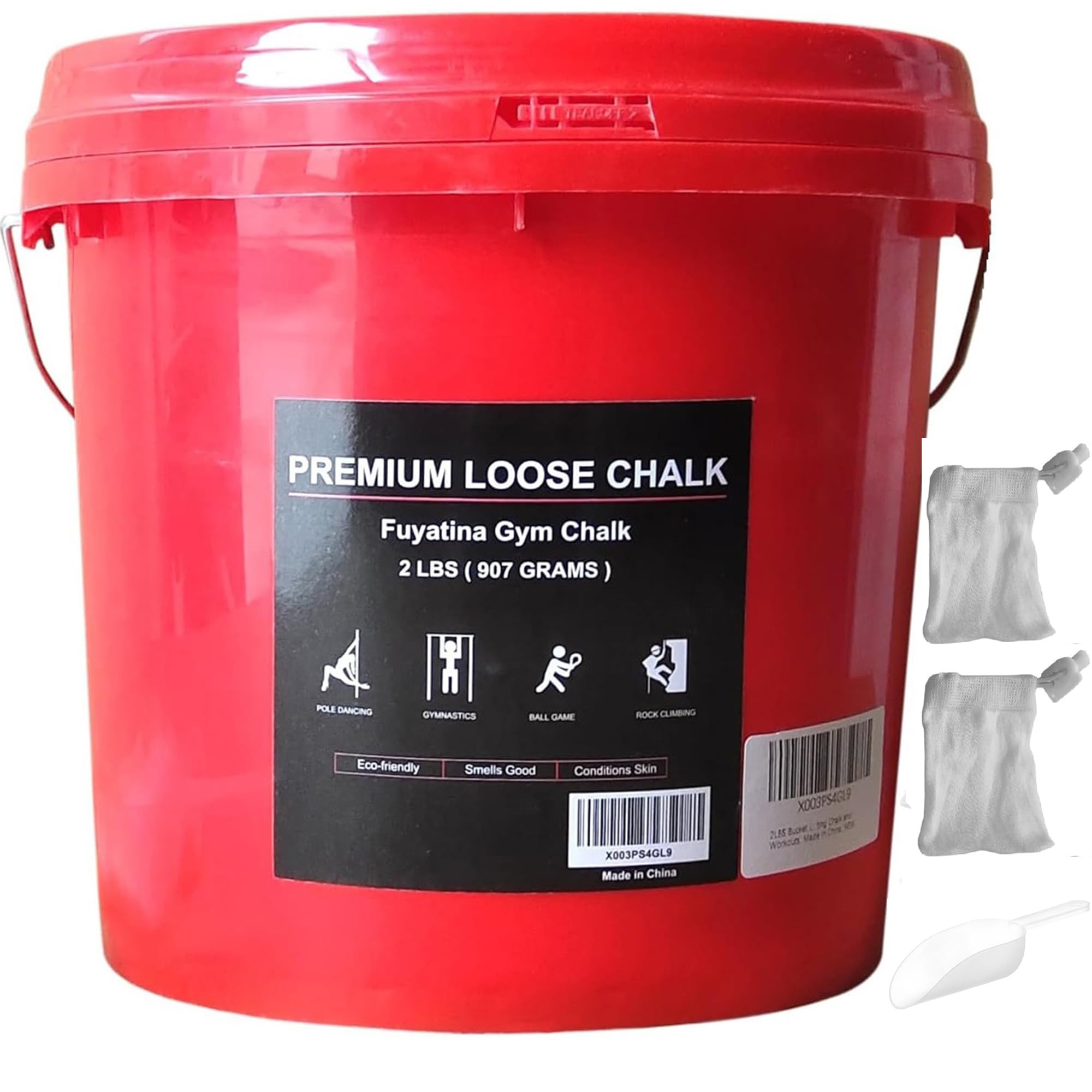


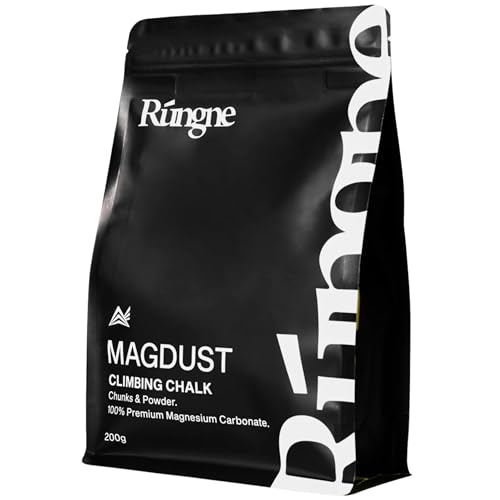
Types of Chalk Compared
All lifting chalk is mostly magnesium carbonate, a mineral that absorbs moisture and increases friction between skin and steel. The format changes how you apply it, how much mess it makes, and how long a purchase lasts. A single block often costs under $10, loose chalk runs about $10 to $20 per bag, chalk balls about $8 to $15, and liquid chalk about $10 to $20 per bottle.
Block Chalk
Block chalk is the classic gym format: a firm white brick you rub directly onto your palms and fingers. It coats fast and thick, which suits heavy swings and high rep sets where grip fails early. Two or three passes per hand usually give full coverage, and a block stored in a sealed tub can last a home lifter several months.
The downside is dust. Blocks crumble, coat the floor, and get banned or restricted in many commercial gyms. They also break if dropped. Choose block chalk if you train in a garage or a chalk friendly facility and want the lowest cost per session with the most familiar feel.
Loose Powder Chalk
Loose chalk is the same mineral sold as a powder you scoop from a bucket or bag. You press your hands into it, clap off the excess, and train. It gives the most even, customizable coat of any format, since you control exactly how much stays on your skin.
It is also the messiest option by far. Powder drifts onto clothes, benches, and floors, and it needs a bucket with a lid to stay usable. Most apartment and chain gyms will not allow it. Loose chalk suits dedicated lifting spaces and outdoor training where cleanup is simple and maximum grip matters more than tidiness.
Chalk Ball and Refillable Sock
A chalk ball holds powder inside a porous fabric pouch. You squeeze and roll it in your hands, and a thin, even layer passes through the cloth. The coat is lighter than block or loose chalk, but it is also cleaner, slower to waste, and welcome in far more gyms.
For kettlebell work the lighter coat is usually enough for swings, goblet squats, and presses. For long snatch sets it may need a second application sooner than a block coat would. Refillable versions stretch your budget further, since you top them up with loose chalk at home while keeping the tidy format at the gym.
Liquid Chalk
Liquid chalk suspends the mineral in alcohol with a binding agent. You shake the bottle, spread a small amount over your palms, and let it dry for about 20 to 30 seconds until it turns white. The dried layer grips hard, stays on through a full workout far better than powder, and leaves almost no dust on equipment or floors.
It costs more per use than block chalk and the alcohol base can dry out skin with daily use. Some lifters also dislike the brief wait before the first set. Choose liquid chalk if your gym bans loose chalk, if you train at home over floors you want to protect, or if reapplying mid workout annoys you.
Liquid Chalk vs Block Chalk: Which Should You Choose?
Compare the two most popular formats on five points. Grip strength is close, with a slight edge to a fresh block coat for the first sets and to liquid chalk late in a workout, since it does not dust off. Mess is no contest: liquid wins for shared spaces. Cost per session favors block chalk by a wide margin.
Skin impact favors block chalk too, because liquid formulas use alcohol that can crack dry hands over time. Convenience depends on setting: block chalk lives in a tub by your bells, while a small liquid bottle fits a gym bag pocket. If you are building a home setup, our guide to the best kettlebells buy decisions covers handle finishes, and smoother handles generally call for the stronger hold of liquid or block chalk.
How to Choose the Right Chalk
Grip Needs for Your Main Lifts
Match chalk strength to your hardest grip task. Two hand swings with a moderate bell need only a light coat from a chalk ball. High rep snatches and heavy one arm swings tear through thin coats, so block or liquid chalk earns its place. If the handle rotates in your palm during the drop of a snatch, you need more coverage on the fingers, not just the palm.
Handle finish matters as well. Powder coated bells already grip well and need less chalk. Bare steel and competition bells feel slicker once sweat builds, so they reward a fuller coat. Test your choice during a medium set before trusting it on a heavy day.
Ingredients and What to Avoid
Look for magnesium carbonate as the main ingredient. Some budget powders cut it with fillers that feel gritty and grip poorly, and scented versions add nothing but irritation for sensitive skin. Liquid chalk adds alcohol and a resin or rosin style binder; that binder is why it lasts longer, but it also means you should wash it off after training so residue does not build up on the handle.
Avoid using climbing resin products meant only for rock, and never substitute household powders. Talc and cornstarch reduce friction instead of adding it, which is the opposite of what a swinging bell requires.
Gym Rules and Mess Control
Rules decide the format for many lifters. Ask your gym before buying a bucket of loose chalk, because many facilities allow only liquid chalk or chalk balls. At home, train over a mat and keep a small towel nearby so powder stays in one zone and off your floors and furniture.
A practical know how point: apply chalk beside your training space, not over your whole floor, and clap your hands together inside the tub or over the mat. Most chalk mess comes from application, not from the workout itself. Technique work in our best kettlebells workout guide pairs well with this, because clean grip lets you focus on form instead of survival.
Skin Care and Hand Health
Chalk dries skin by design, so manage your hands like equipment. Wash chalk off right after training, moisturize daily, and file down thick calluses before they catch on the handle and tear. A torn callus can cost you a week of training, which is a far bigger setback than any grip problem chalk solves.
Stop and check your hands if you feel a hot spot forming mid set. Adjust your grip so the handle sits in your fingers rather than deep in your palm, a technique covered in our roundup of the best exercises for kettlebells, and let skin cool before the next round. If you have eczema or a skin condition, ask your doctor before using alcohol based liquid chalk daily.
Value and How Long a Purchase Lasts
Block chalk is cheapest per session, often pennies per workout. A chalk ball stretches a small amount of powder across months. Liquid chalk costs the most per use, yet a bottle still typically covers dozens of sessions because each application takes only a pea sized amount per hand.
Buy small first. Formats feel personal, and a cheap block plus a small liquid bottle for gym days costs less than committing to one large tub you may not enjoy. Store all chalk sealed and dry, since humidity turns blocks soft and makes loose powder clump.
Picking the Right Chalk for Different Uses
Best Liquid Chalk for Kettlebells: Which Type Works Best
When shoppers ask about the best liquid chalk for kettlebells, three criteria decide it. First, dry time: a good formula turns tacky in under half a minute. Second, staying power through sweaty snatch sets without a second coat. Third, clean removal with soap and water, so no sticky film builds up on your handles. A mid sized bottle around 200 to 250 ml balances gym bag size with months of use.
How to Make Your Chalk Last Longer
Store blocks and loose chalk in a sealed container with the lid closed between sets, since open tubs spill and absorb room moisture. Break a block in half and keep one half in reserve, so a dropped and shattered piece does not end your supply. With liquid chalk, shake well before each use and close the cap tightly, because the alcohol evaporates and thickens the formula over time.
Use less than you think you need. A thin coat refreshed between hard sets grips better than one heavy coat that cakes, slides, and rips calluses. Wipe handles down after training with a dry brush or towel so old chalk does not build into a slick paste with sweat.
Frequently Asked Questions
What features matter most in chalk for kettlebells?
Pure magnesium carbonate, a format your space allows, and a coat that survives your longest set matter most. Also weigh dry time for liquid chalk and refill options for chalk balls. A detail many miss: keep a second small towel only for your face, since wiping sweat with chalky hands spreads grit into your eyes.
Which chalk type is better for beginners?
A chalk ball is better for most beginners because it applies a light, even coat with almost no mess and no guesswork. It builds the habit of chalking before hard sets without coating the whole room. Once your bells get heavier and sets get longer, add block or liquid chalk for the extra hold.
How long does kettlebell chalk last?
On your hands, a powder coat lasts a few hard sets, while liquid chalk often lasts a full session. As a purchase, a block can serve a home lifter for several months of regular training. Shelf life is long when sealed and dry, but discard powder that has absorbed moisture and clumped into hard lumps.
How much chalk should I apply per set?
Apply a thin, even layer that turns your palms fully white without loose piles sitting in the creases. Excess chalk does not add grip; it cakes, reduces feel for the handle, and raises blister risk. Reapply lightly when the handle starts to turn in your hand, usually every few sets as sweat builds.
Is chalk quiet and tidy enough for an apartment?
Yes, with the right format. Liquid chalk and chalk balls keep dust near zero, which suits apartment training over a mat. Loose powder is the format to avoid indoors, since it drifts onto floors and furniture. Also set the bell down with control between sets, because noise complaints usually come from dropped bells, not chalk.
Can I use climbing chalk on a kettlebell?
Yes, as long as it is plain magnesium carbonate. Climbing chalk and gym chalk are the same mineral, and the same block, powder, or liquid works on a kettlebell handle. Skip products that add scent or filler, and wash your hands and wipe the handle after training so residue does not build up.
Our Verdict
Pick your format by space and rules first, then by grip needs. Liquid chalk wins for shared gyms and tidy homes, block chalk wins on cost and thick coverage, and a chalk ball is the low stress starting point. Keep the product table above in mind as you compare, apply a thin coat, and care for your hands after every session. With the right choice, the best chalk for kettlebells quietly removes grip as a limit, so your training can be about strength instead.


