
Best Chaise Cushions: Which One Fits the Way You Use It for 2026
Disclosure: We may earn a commission when you buy through links on this page, at no extra cost to you. As an Amazon Associate I earn from qualifying purchases. Learn more
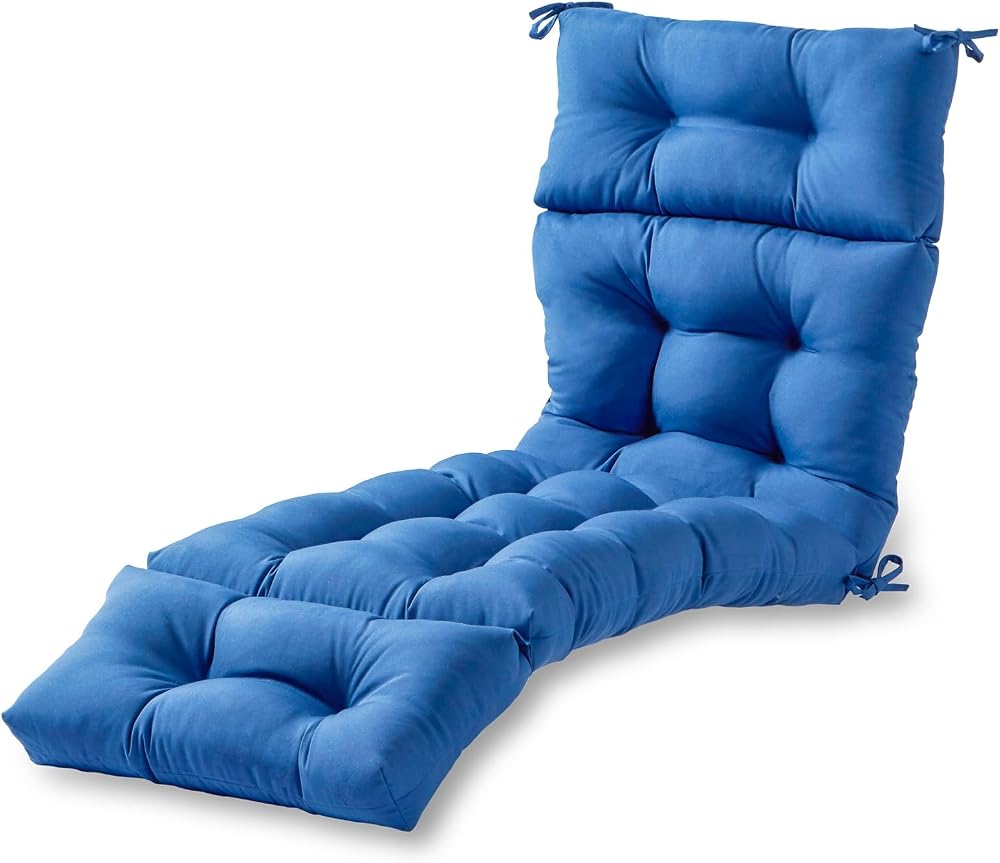
Chaise cushions matched to real use: fill, fabric, thickness and hinge fit, plus how to measure your frame to avoid returns.
There is no single cushion that suits every chaise, because people lounge in very different ways. You might sunbathe by a pool for an hour, read on a patio all afternoon, or nap on an indoor chaise in a quiet corner. Each habit asks something different from the fill, the fabric, and the thickness, so the best chaise cushions for you are the ones matched to your routine rather than the ones with the longest feature list.
This guide walks through the choices by use case first, then by the details that decide comfort and lifespan. Use the comparison table below to line up sizes and materials side by side, then read on for how to measure your frame and avoid the sizing errors that lead to returns.
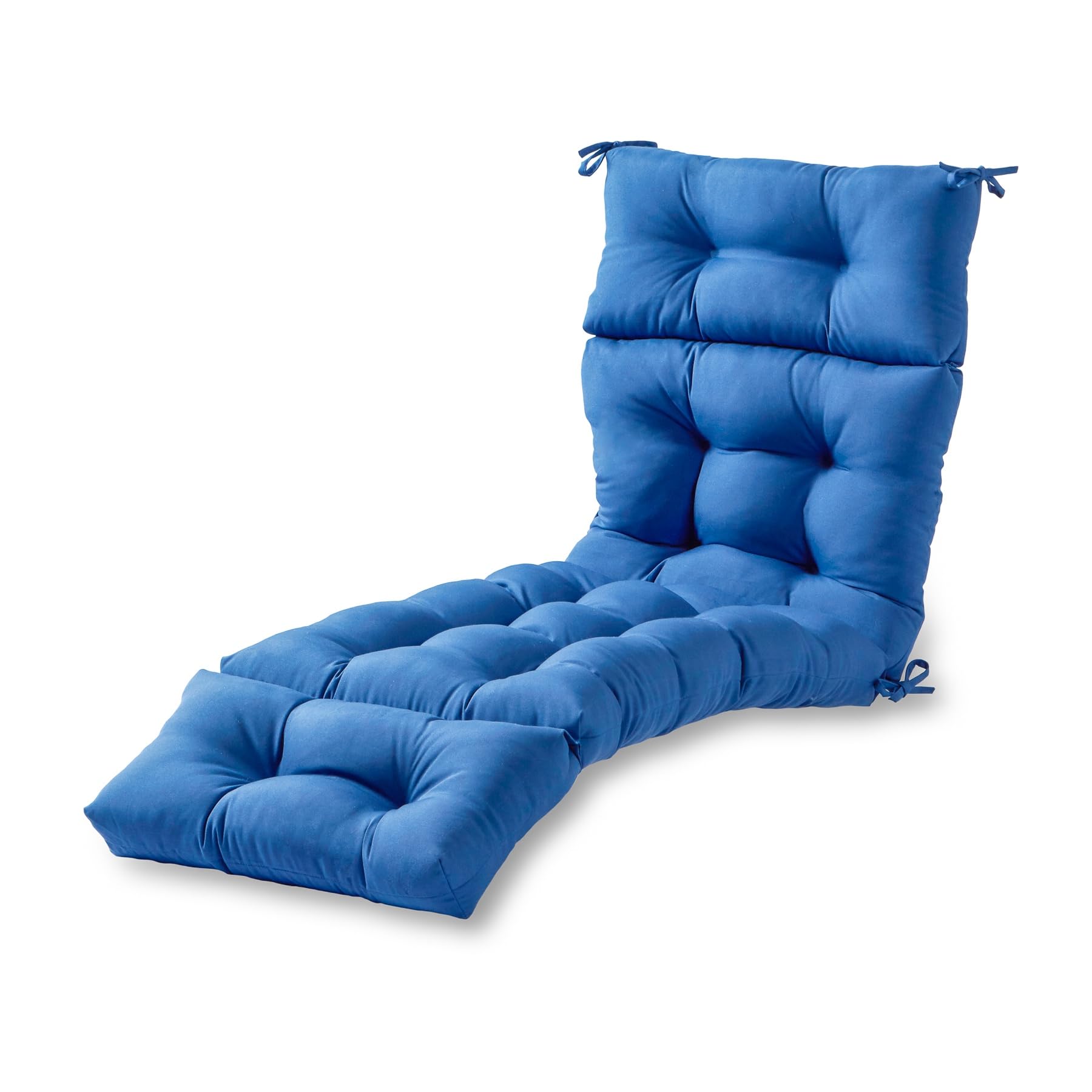


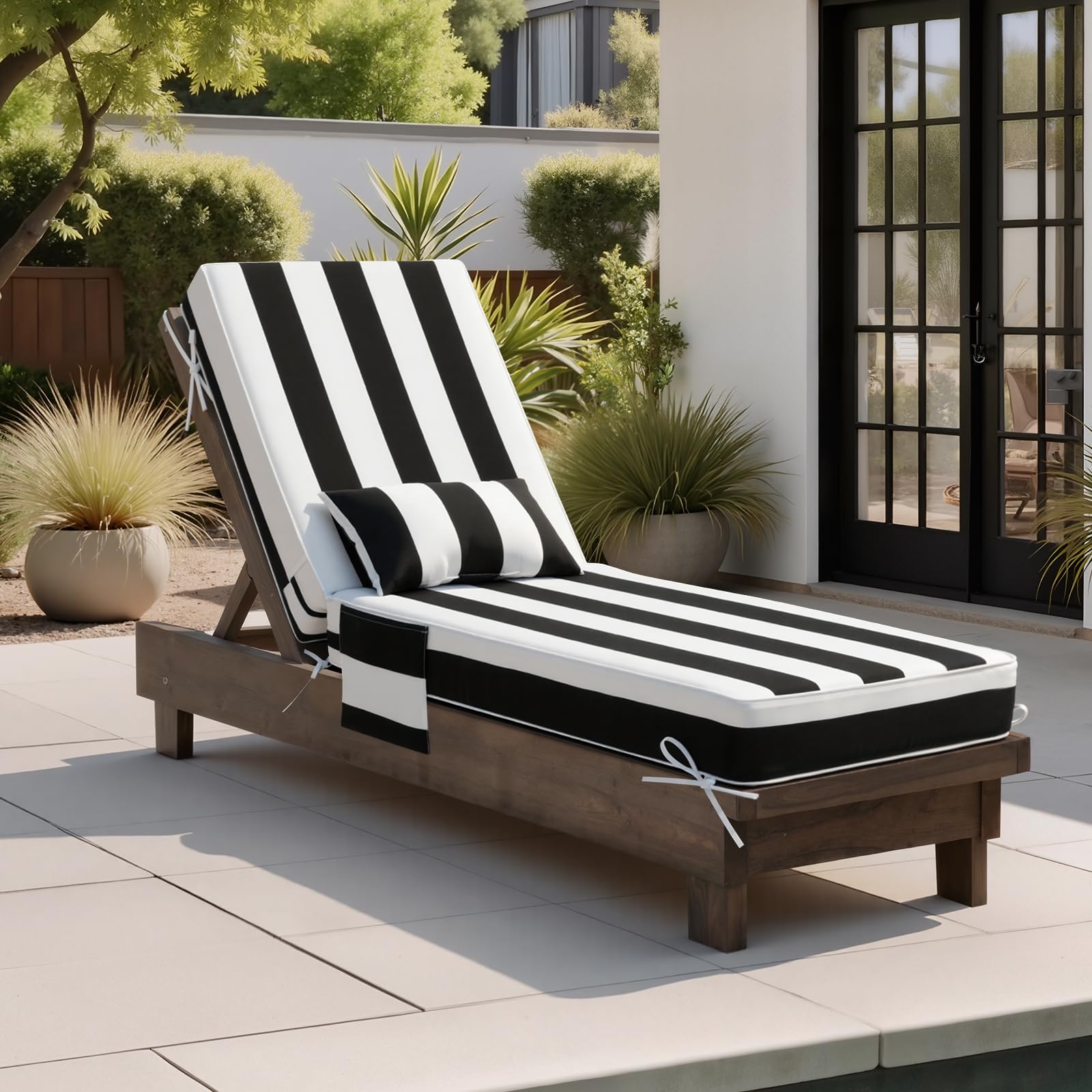


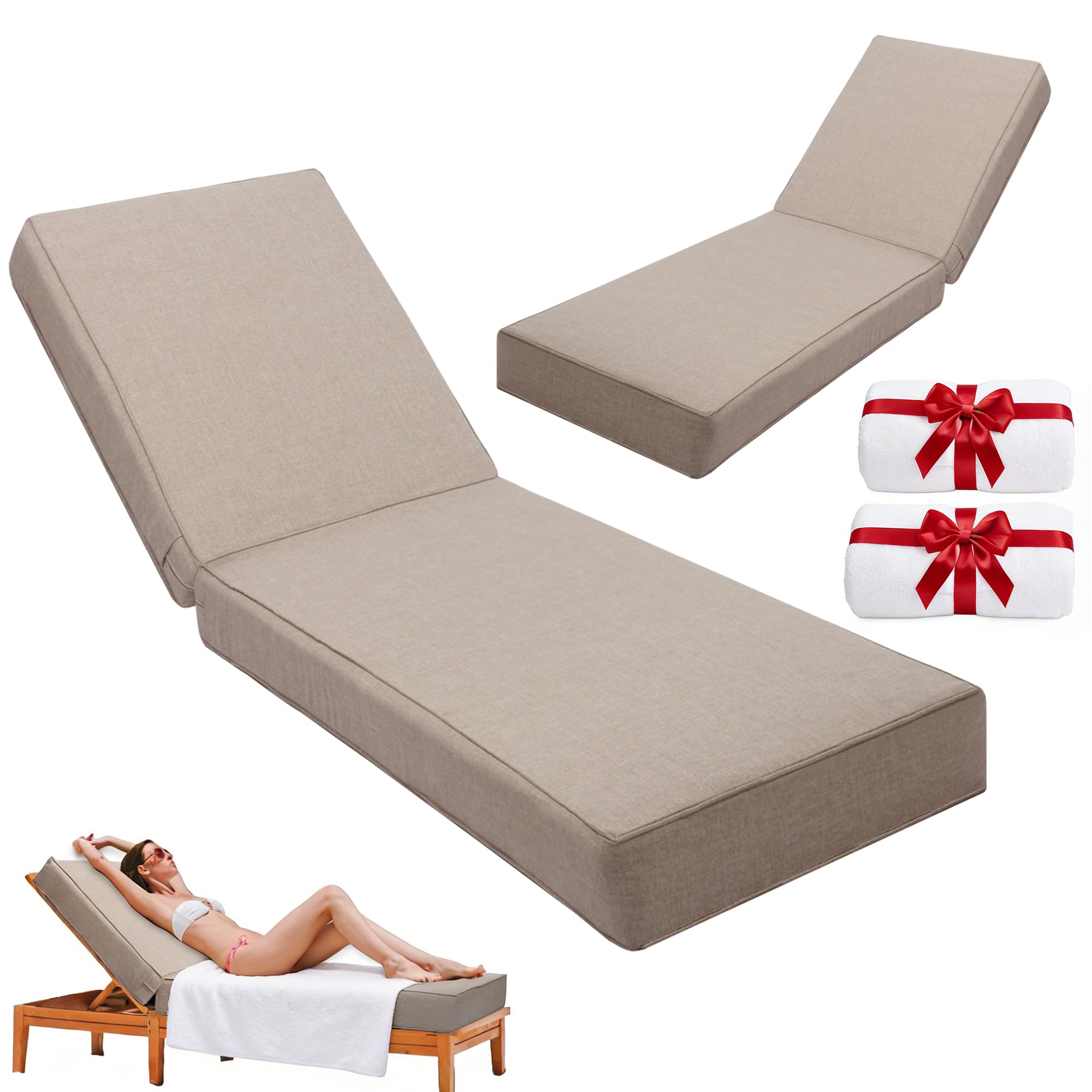
Who Should Buy Which Chaise Cushions?
Start with how the chaise actually gets used in your home. The three groups below cover most buyers, and each one points to a different balance of fill, fabric, and price.
For Value Seekers
If your chaise gets steady weekend use and you want comfort without overspending, look for a cushion around 2 to 3 inches thick with a polyester fiberfill or foam and fiber blend inside. These fills feel soft right away and cost less than solid foam. Choose a polyester outdoor fabric with ties at the corners, since ties keep the cushion from sliding and cost little. Expect to replace this tier sooner than premium options, often after a few seasons of sun.
For Gift Shoppers
A cushion makes a practical gift for someone who just bought a patio set or moved into a home with a pool, but sizing is the risk. Standard chaise cushions often run about 72 to 80 inches long and 21 to 24 inches wide, yet frames vary, so ask for the frame measurements or choose a seller with a generous return window. Neutral colors are the safest choice because they suit most frames and existing decor.
For People Who Want the Best Performance
If you lounge daily and stay out for hours, pay for support and fabric that hold up. A denser foam core resists flattening under your hips, and a solution dyed acrylic fabric keeps its color far longer in direct sun than basic polyester. Look for a hinged design that bends where your frame reclines, plus straps or ties that hold the back section upright.
Key Features to Compare
Once you know your group, compare the features below in order. Fit comes first, because the most comfortable fill still disappoints when the cushion hangs off the frame or bunches at the hinge.
Size, Shape, and Hinge Placement
Chaise cushions come as one long pad or as two sections joined at a hinge, and the hinge must sit where your frame bends. Measure the seat length, the back length, and the width between the armrests before you order, and compare those numbers with the listing rather than trusting a size label like standard or extra wide. A cushion that is an inch too wide will bow in the middle, while one that is too short leaves a hard frame edge under your calves. Rounded corners suit curved frames, while square corners fill rectangular frames more completely.
Material and Fill
The fill decides how the cushion feels on day one and how it feels a year later. Polyester fiberfill feels plush and light, and it dries fast after rain, but it compresses over time and can feel thin under your hips. Solid foam feels firmer and more even, and denser foam holds its shape through long sessions. A thin memory foam top layer over a firmer base can soften pressure points for indoor reading chaises, though it absorbs water and suits covered spaces better than open decks.
Thickness, Firmness, and Pressure Relief
Thickness usually runs from about 2 to 5 inches, and the right choice depends on your frame and your body. A hard slatted or metal frame needs more padding, so start at 3 inches or more, while a woven or already padded frame can feel fine with less. Heavier readers and anyone who lounges for hours should lean firmer, because a soft thin cushion lets your hips sink until you feel the frame beneath you. That sinking is what causes the ache people blame on the chaise itself, so treat firmness as support, not as a lack of comfort.
Fabric, Weather Resistance, and Cooling Comfort
Outdoor fabric does more work than the fill, because it faces sun, rain, and sunscreen every day. Solution dyed acrylic offers the strongest fade resistance, olefin handles moisture well and dries quickly, and standard polyester costs less but fades sooner in harsh sun. For hot climates, lighter colors reflect heat, and textured woven fabrics feel cooler against bare skin than smooth vinyl coated options, which can stick and feel hot. Cooling fabrics with an open weave also let air move through the cushion, a small detail that matters during long afternoons.
Certifications and What They Tell You
Labels can help you judge what is inside the cushion, as long as you know what each one covers. OEKO TEX certification means the fabric was tested for harmful substances, which matters for a surface your skin touches for hours. CertiPUR US applies to flexible foam and confirms the foam meets standards for content and emissions. These labels do not prove a cushion is comfortable or durable, so treat them as a safety check that sits alongside fit and fabric quality, not as a reason to buy on their own.
Durability and Care Features
Small construction details predict how long a cushion stays pleasant. A zippered removable cover lets you wash the part that gets dirty instead of wrestling the full pad. Double stitched seams resist tearing where the cushion flexes at the hinge, and ties or straps at several points stop the slow sliding that wears fabric against frame edges. Check the warranty length and what it covers, since a warranty that only covers stitching tells a different story than one that covers fill compression.
How to Measure Your Chaise for a New Cushion
Measuring takes five minutes and prevents most returns. Lay a tape along the seat from the front edge to the point where the backrest begins, then measure the backrest from that point to its top. Add the two numbers for the total length, and note the hinge point separately if you are ordering a two section cushion.
Next, measure the width at the widest point of the seat, staying inside any armrests or raised frame rails. Note the thickness of your old cushion if you have one, and check that a thicker replacement will still let the chaise fold or stack if you store it that way. Frames with a brand specific shape need extra care, so if you own a resin or composite frame, see our guide to the best cushions for polywood chaise lounge for the fit details that apply to those models.
Finally, look at how the old cushion attached. Note where the ties or straps sat, because a new cushion with ties in different spots may not anchor to your frame.
Common Mistakes to Avoid When Buying Chaise Cushions
- Ordering by the size label alone, so the cushion arrives too wide for the frame and bows in the middle.
- Choosing the thickest cushion for a frame that folds, so the chaise no longer closes or stacks for storage.
- Buying indoor fabric for an uncovered deck, so one rainy month leaves the fill damp and musty.
- Ignoring the hinge position, so the cushion creases in the wrong place and wears through at the fold.
- Judging only by price and skipping the fabric type, so a bargain cushion fades to a patchy color within one summer.
- Forgetting to check the return policy, so a size mistake becomes an expensive cushion you cannot send back.
Care and Maintenance Tips for Chaise Cushions
Brush loose dirt off the fabric often, before it works into the weave and becomes harder to remove. Spot clean spills quickly with mild soap and water, rinse well so no soap film stays behind to attract more dirt, and let the cushion air dry fully before anyone sits on it. A cushion stored damp is the main cause of mildew, so dry time matters more than any special cleaner.
Flip and rotate the cushion every few weeks if the design allows it, since evening out the wear slows the hollow that forms under your hips. During long stretches of rain or over the winter, store cushions in a dry ventilated space, standing them on edge so air reaches both faces. If you keep your chaise in a covered outdoor room rather than a yard, the guidance in our article on best chaise lounge cushions covers those sheltered setups in more depth.
Check ties and straps each season and restitch or replace any that fray, because a cushion that slides takes more abrasion from the frame.
Frequently Asked Questions
What thickness chaise cushion is best for long reading sessions?
A cushion around 3 to 4 inches thick with a firmer foam core suits long reading sessions best. That depth keeps your hips and shoulder blades off the frame while you stay in one position. One extra point worth knowing is that a separate small headrest pillow changes the recline angle of your neck, and many readers find that small addition helps more than adding another inch of cushion thickness.
How do I wash chaise cushions safely?
Start by checking whether the cover unzips, because a removable cover can go in a gentle machine wash while the fill should never be soaked. For fixed covers, scrub the fabric with mild soap, rinse with a hose, and stand the cushion on edge in the sun until the core feels dry all the way through. Pressing a dry towel into the surface is a quick test, since any dampness it picks up means the cushion needs more drying time.
How often should I replace chaise cushions?
Most chaise cushions last about 3 to 5 seasons outdoors, and longer indoors or under cover. Replace yours when the fill no longer springs back after you press it, when the fabric tears at the hinge, or when faded patches show the weave breaking down. A useful test is to sit on the cushion over a hard frame slat, because if you can clearly feel the slat through the pad, the fill has finished its useful life even if the cover still looks fine.
Are cooling chaise cushions worth it in hot weather?
They can be worth it if your chaise sits in full sun and you lounge during the hottest part of the day. Breathable woven fabrics and light colors reduce the heat that builds against your back and legs, and they dry faster after a swim. Keep in mind that no cushion fabric stays cool for hours in direct sun, so pairing the cushion with shade during peak heat does more than any fabric choice alone. For sun exposed yards, our guide to the best outdoor chaise cushions explains fabric choices in more detail.
Can chaise cushions stay outside all year?
Most chaise cushions can handle rain and sun during the season, but year round exposure shortens their life considerably, and constant damp invites mildew even in treated fabric. If storage space is tight, a breathable storage bag on a covered porch is a workable middle ground. Shoppers comparing full season outdoor setups may also want to read about best outdoor chaise lounge cushions before deciding.
Final Thoughts
Good chaise shopping comes down to three checks. Measure the frame and match the hinge, pick a fill with enough firmness to keep you off the frame, and choose a fabric that suits where the chaise actually lives. The product table above pulls those details together so you can compare without opening a dozen listings.
If you keep those checks in order, the best chaise cushions for your home stop being a guess and become a simple fit decision. Start with your main use, sunbathing, reading, or hosting guests, and let that use settle every other choice.

