
The Best Chairs Geneva Wood Glider: Buying Guide and Top Picks for 2026
Disclosure: We may earn a commission when you buy through links on this page, at no extra cost to you. As an Amazon Associate I earn from qualifying purchases. Learn more
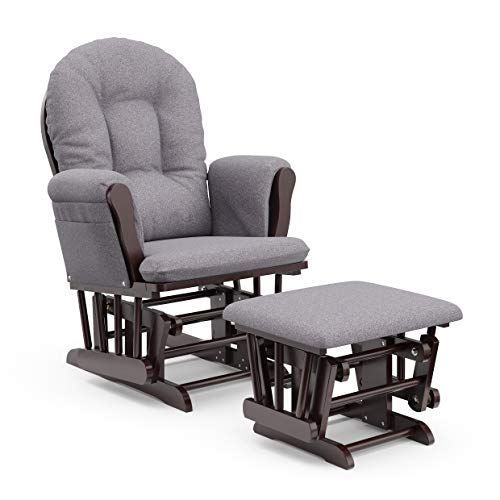
Learn how to choose the best chairs geneva wood glider with clear guidance on fit, wood, finish, comfort and value for your room and daily use at home.
A wood glider looks simple in photos, yet small differences in frame build, cushion depth, and glide hardware decide how it feels after a year of daily use. This guide to the best chairs geneva wood glider walks you through the checks that matter, in the order a careful shopper would make them. You will see what each price tier usually delivers and how to match the chair to your room and body.
Begin with the comparison table below for a fast view of dimensions and prices, then read on for the full buying criteria. By the end, you should be able to open any listing and judge it in a few minutes.


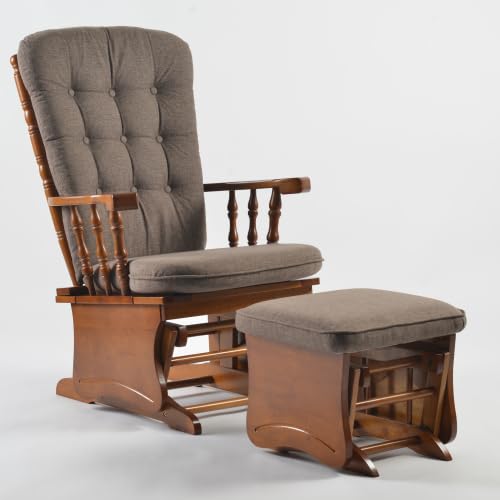


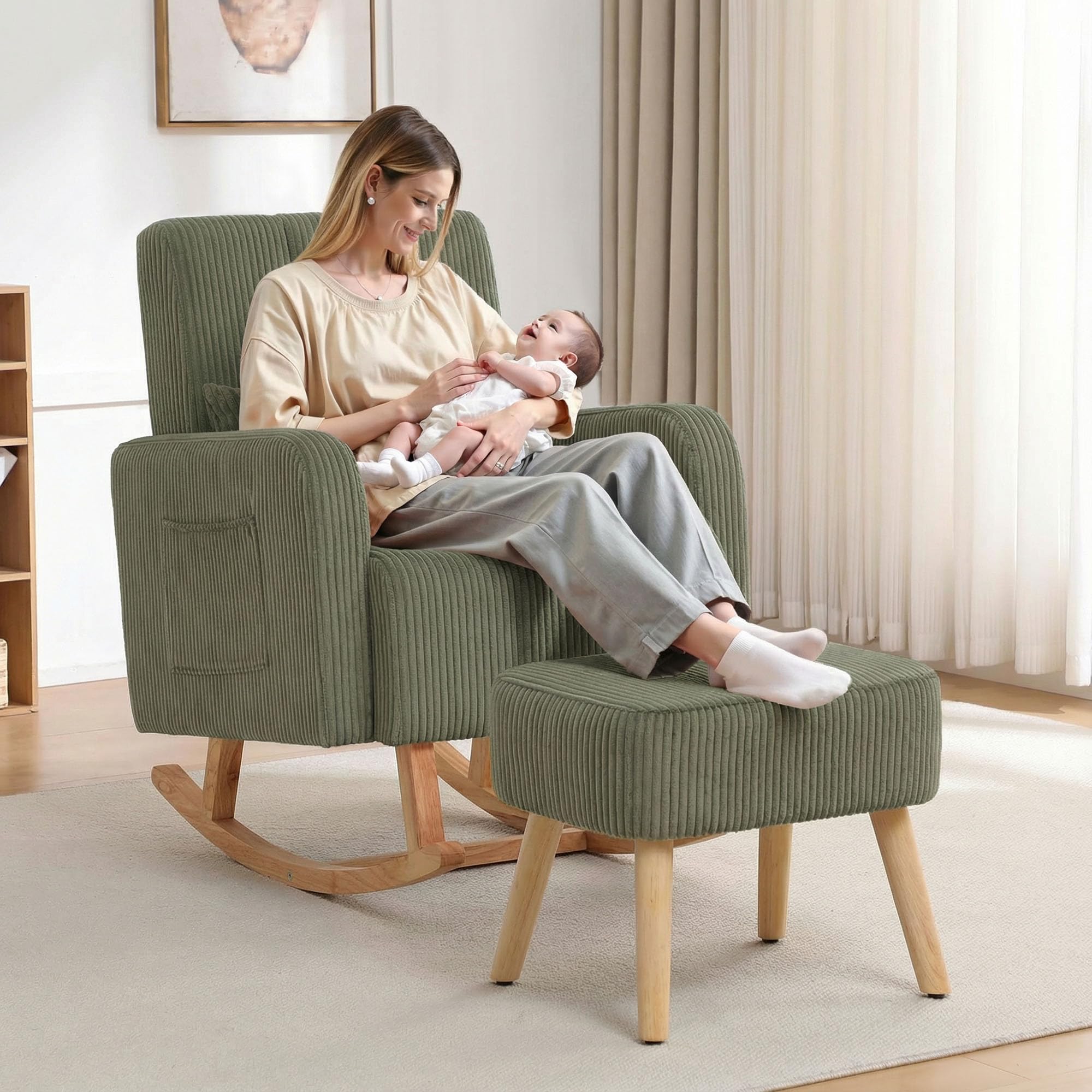

Three Ways to Judge Value at a Glance
Instead of chasing a single winner, judge every listing against three profiles. The profile that matches your priorities tells you which specs deserve your money and which ones you can safely skip.
The Balanced Choice Checklist
A balanced Geneva glider pairs a solid hardwood frame with enclosed bearings, a firm seat core, and a fabric you can clean with water based products. Expect this profile in the middle price band, often around $300 to $500. It fits buyers who want one chair to serve a nursery now and a reading corner later. The main trade off is fabric choice, since the widest color ranges usually sit one tier higher. If a listing hits every point on this checklist, it rarely disappoints in daily use.
The Value Choice Checklist
A value focused glider keeps the same frame shape and glide path but trims fabric options, cushion layers, and finish choices to hold price down, often around $180 to $300. This profile suits a guest room, a first apartment, or a second chair for a grandparents home. Check that the savings did not come from the bearings or the frame joints, because those two areas decide longevity. A simpler fabric in a mid tone color hides wear well and keeps the lower price from looking cheap.
The New Buyer Choice Checklist
If this is your first glider, favor listings with clear dimension drawings, a stated weight capacity, and a return window of at least 30 days. Assembly should need only basic tools and under an hour of work. This profile protects you from the two mistakes new buyers regret most, which are ordering a chair that does not fit the room and keeping a seat depth that does not fit the body. Paying slightly more for clear information is usually money well spent.
How to Choose a Geneva Wood Glider: Buying Guide
The six checks below cover fit, build, and upkeep. Work through them with your room measurements and your household habits in front of you, and note any listing that fails two or more.
Ergonomics and Adjustability
A moderate seat height lets most adults stand up without pushing hard on the armrests, which matters during nighttime feeding. Arm height should support your elbows without lifting your shoulders, and the back angle should let your lower back rest against the cushion rather than hover. Some versions add a swivel base or a gentle recline with a locking position, and each feature should move smoothly without grinding. If you will share the chair, favor a mid range seat depth as a middle ground.
Assembly and Delivery
Most Geneva style gliders ship in one large box with the base, back, arms, and cushions packed separately. A clear manual with labeled hardware usually means assembly in about 30 to 60 minutes with a second person helping to align the back posts. Ask about delivery to the room of choice if stairs are involved, because the box can be heavy. Keep every bolt finger tight until the frame sits level, then tighten in a cross pattern so the glide stays even.
Style and Room Fit
The Geneva shape reads traditional, with rolled or padded arms and a skirted or exposed wood base depending on the version. Natural and mid tone wood finishes brighten small rooms, while darker stains anchor larger spaces. If you prefer the darker look, see how it changes the same model family in our guide to the best chairs geneva espresso wood glider. Match the fabric tone to your rug and curtains rather than to the wood, because fabric covers most of what you see.
Materials and Upholstery
Frame listings should name the wood type or at least state solid hardwood for the base and arm supports, since those parts carry the glide stress. For upholstery, tight woven polyester blends resist stains and fading, while cotton blends feel softer but mark more easily. Foam described as high density holds its shape longer under daily sitting. Our guide to the best wood for chairs explains how frame species differ in weight and hardness if you want more depth on the wood side of the decision.
Build Quality and Frame
Run your hand along the base rails and feel for rough patches that signal thin finish, and look for corner blocks or double dowel joints in underside photos. The glide linkage should use enclosed bearings and move without side play when you push the chair gently from one arm. A small amount of flex in the back is normal, but creaking on day one is not. Sellers who publish frame and bearing details tend to stand behind their build, while vague listings deserve extra caution.
Size, Dimensions, and Weight Capacity
Write down overall width, depth, and height, then tape the footprint on your floor to see the real space the chair claims. Check the listed width and weight capacity against the heaviest regular user and your room. Leave room in front for your feet and a small table, and confirm the chair passes your narrowest doorway in its shipping form. Taller users should check back height, since a short back may leave shoulders unsupported.
Types of Geneva Wood Gliders
Ergonomic Models
Ergonomic versions add shaped lumbar cushions, slightly taller backs, and sometimes a swivel or recline function. They suit long reading or feeding sessions and anyone with a sensitive back. The cost is a higher price and more moving parts to maintain, but for daily multi hour use the support difference is easy to feel.
Budget Models
Budget versions keep the glide and frame shape while simplifying fabric, cushion layers, and finish options. They work well as a second chair or for a room that sees weekly rather than daily use. Inspect bearing quality carefully in this group, because a rough glide is the most common complaint at low prices.
Premium Models
Premium versions use denser cushions, upgraded fabrics, finer finish work, and longer frame coverage. They suit a main living room where the chair is both furniture and daily seating. If you plan to keep the chair for a decade, the stronger materials in this group usually repay their higher price through fewer replacements.
Compact and Space Saving Models
Compact versions narrow the arms and shorten the depth to fit small nurseries and apartment corners. They trade a little seat width for a much easier room fit. For a broader sense of the category, including porch ready styles, browse our guide to the best glider chairs before you commit to a footprint.
Setup and Care Tips
- Set the chair on a level floor. An uneven surface makes one side of the stroke feel heavier and can loosen bolts over time.
- Tighten bolts every few months. Glide hardware vibrates gently with use, and a quick check keeps the motion silent.
- Vacuum or wipe upholstery regularly. Grit in the seat crevice grinds into fabric and shortens its life, so a weekly pass helps.
- Keep wood out of harsh direct sun. Strong sunlight fades stain unevenly, especially on the arm tops that catch the most light.
- Use felt pads under the base. Pads protect hard floors and stop the chair from creeping during long glides.
FAQs
What features matter most for long hours in a Geneva wood glider?
Seat depth, lumbar support, and bearing quality matter most, because they decide posture and motion comfort over a full evening. A firm foam core keeps your hips level, while enclosed bearings keep the stroke silent. Add a small footrest if your feet dangle, since dangling feet pull on the lower back and shorten comfortable sessions more than most people expect.
How do I choose the right size Geneva wood glider?
Start with your doorway and floor footprint, then match seat height to your leg length so your feet rest flat. Sit depth should leave a small gap behind your knees. If two adults will share the chair, choose the wider end of the size range and confirm the weight capacity covers the heavier user with room to spare for a child and books.
How long should a good Geneva wood glider last?
A well built wood frame glider should serve for many years, with cushions and fabric usually showing age before the frame does. Bearings can be cleaned and bolts retightened as routine care. Ask about replacement cushion availability when you buy, because a fresh cushion set can restore comfort at a fraction of the cost of a new chair.
Is an expensive Geneva wood glider worth it?
It can be, when the higher price buys denser foam, better bearings, and stronger frame coverage rather than decoration alone. Daily users feel those upgrades every session. Occasional users in a guest room may never notice them, so match the tier to your real hours of use instead of to the most impressive listing photo.
The Bottom Line
Judge any Geneva glider on frame build, bearing quality, and seat fit before you look at color. Use the product table above to compare dimensions and prices side by side, and keep your room measurements open while you shop. When a listing earns its place as the best chairs geneva wood glider for your home, it will pass all three checks without excuses. That simple standard will serve you far better than any single brand claim.


