
Best Chairs Geneva Espresso Wood Glider: A First Time Buyer's Guide for 2026
Disclosure: We may earn a commission when you buy through links on this page, at no extra cost to you. As an Amazon Associate I earn from qualifying purchases. Learn more
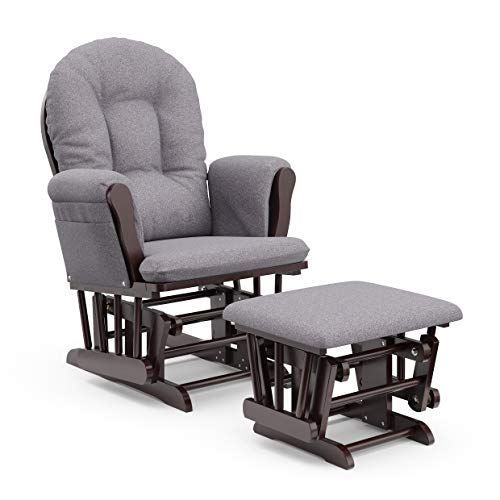
Shopping for the best chairs geneva espresso wood glider for the first time? Learn the terms, compare options, and avoid rookie mistakes with this easy guide.
Buying your first glider can feel confusing because listings pack a model name, a wood finish, and a fabric name into one long line. If you are shopping for best chairs geneva espresso wood glider options, this guide slows the process down and explains each part in plain language. You will learn what the Geneva name describes, what espresso means for the wood, and which details change comfort the most.
Start with the comparison table below to see how sizes, fabrics, and prices line up across listings. Then use the sections that follow to judge glide motion, cushion support, and daily care with confidence, even if you have never owned a glider before.

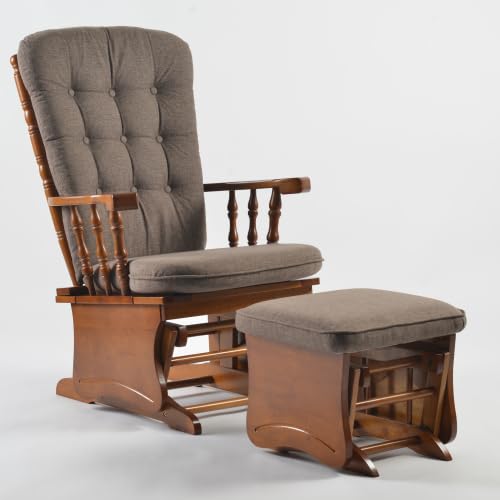


Chairs Geneva Espresso Wood Gliders 101: The Basics
A glider moves on a fixed base with enclosed bearings, so the seat travels forward and back in a smooth, flat path. That motion feels different from a rocker, which rolls along curved wood rails and needs more floor clearance behind the chair. Many parents like the glider path for feeding because it stays steady when you stand up with a baby in your arms.
Geneva is a style name that listings use for a traditional lounge shape with padded arms, a tailored back, and exposed wood on the base and arm supports. Espresso simply names the finish, a deep brown stain that shows the grain faintly under indoor light. If you want a wider view of the category first, see our guide to the best glider chairs for how gliders compare with rockers and recliners in everyday use.
Key Specs Explained in Plain English
Listings repeat the same handful of specs, and each one tells you something practical about fit or upkeep. Read them in the order below, starting with the frame, because the frame decides how long the chair stays quiet and solid.
Wood Frame and Espresso Finish
Look for a frame described as solid hardwood or a hardwood frame with reinforced joints, since those frames resist flexing at the glide linkage. Engineered wood can work in low stress parts, but the base and arm posts should feel dense and heavy. The espresso stain should look even on the rails and slightly darker in the grain lines. Check photos of the underside when sellers provide them, because thin finish there often signals rushed work. For a deeper look at frame species and joinery, read our guide to the best wood for chairs before you order.
Glide Motion and Bearings
Good glide motion feels even through the whole stroke, with no catch at either end and no clicking once your weight settles in. Enclosed steel bearings are the detail to look for, because open mechanisms collect dust and pet hair and turn gritty over time. A slightly longer stroke feels calmer for feeding and reading, while a short stroke can feel busy. If the dark finish feels too heavy for a bright room, compare the same shape in our guide to the best chairs geneva wood glider, which covers the lighter natural finish version of this model family.
Cushion Firmness and Support
Seat cushions in this class usually pair a firm foam core with a softer wrap, and that balance matters more than thickness alone. A seat that feels plush in a showroom can bottom out after a month if the foam is too soft, so look for high density foam wording in the specs. Check the listed seat depth, and note that taller readers may want a back height that supports the shoulders. Sit with your feet flat and check that the front edge does not press hard behind your knees.
Fabric and Daily Care
Fabric choice drives most of your cleaning work, so read the cleaning code before you fall for a color. A code W fabric cleans with water based cleaners, while a code S fabric needs solvent based care and more caution. Tight weaves shed crumbs and pet hair more easily than loose, nubby weaves. Espresso wood pairs well with mid tone fabrics that hide lint, because the dark frame makes pale fibers stand out. Keep a small brush near the chair and vacuum the seat crevice weekly, since grit works into the glide path area and adds wear.
Size, Clearance, and Weight Capacity
Measure three numbers before you order: the width of your doorway, the footprint where the chair will live, and the wall space behind it. Check the listed width, because padded arms make many gliders wider than they look, and leave only a few inches of rear clearance, far less than a rocker needs. Check the listed weight capacity, because staying well under the limit keeps the bearings quiet. Also check the listed seat height, since a higher seat makes standing up with a child noticeably easier.
Price Tiers and What They Add
Entry tier gliders, often around $180 to $300, usually give you the core frame, a simple glide only motion, and a small set of stock fabrics. The middle tier, around $300 to $500, tends to add smoother bearings, denser cushions, and more fabric choices, sometimes with swivel motion included. Upper tier listings above $500 may add recline, premium fabrics, and longer frame coverage. For a first purchase, the middle tier often makes sense because the upgrades target comfort and longevity rather than decoration. Save part of your budget for a small side table and a washable throw.
Who This Glider Style Suits Best
This style suits new parents who want calm motion in a nursery corner, readers who like a gentle glide in a living room, and anyone furnishing a compact room where a rocker arc would crowd the walls. The dark espresso frame also works well in rooms with walnut or dark oak furniture, since the tones blend without matching exactly.
Shoppers who love the dark frame but want a lighter seat color can compare the fabric pairing in our guide to the best chairs charleston glider espresso wood dove fabric, which shows the same finish family with a pale dove fabric. If you strongly prefer pale wood or a recliner with a footrest that extends, this traditional glider shape may not be your match.
Rookie Mistakes to Avoid
- Buying by color alone. The espresso finish looks rich in photos, but seat depth and back height decide whether you stay comfortable through a long feeding or a full chapter.
- Skipping the doorway measurement. Many gliders arrive partly assembled with a wide back section, and a narrow hallway or stair turn can block delivery to the room you planned.
- Ignoring weight capacity. Bearings wear faster near their limit, so choose a rating with real headroom for you, a child, and a pile of bedtime books.
- Placing the base on a thick rug. Deep pile can drag on the moving linkage and mute the glide, so use a low pile rug or leave the base on bare floor.
- Forgetting the return terms. Freight sized furniture can carry restocking costs, so confirm the return window and who pays return shipping before the box arrives.
Getting Started: Setup and First Use
Unpack the chair with a second person, lay every bolt and bracket on a towel, and match each part against the parts list before you tighten anything. Attach the glide base first, then the back, and leave the final tightening until the chair sits level on the floor. Test the glide empty, then sit and glide slowly while listening for clicks that point to a loose bolt.
For safety, keep fingers, toys, and pet paws away from the moving linkage under the seat, and teach older children that the space under a glider is never a hiding spot. Recheck the base bolts after the first week of use, because new joints settle slightly. Place the chair on a level surface so the stroke stays even and quiet.
Frequently Asked Questions
Is a glider better than a rocker for a nursery?
For most nurseries, yes, because the flat glide path stays predictable when you sit down or stand up while holding a baby. A glider also needs less rear clearance, which helps in small rooms. One extra point in its favor is stability on carpet, since the fixed base does not walk across the floor the way curved rocker rails sometimes do during long sessions.
Does an espresso finish show dust and scratches easily?
An espresso finish shows dust sooner than a mid tone finish, because pale dust contrasts with the dark stain. Fine scratches also catch light, so keep a furniture touch up pen in a matching brown for quick fixes. A weekly wipe with a dry microfiber cloth keeps the buildup away, and felt pads under the base protect both the finish and your floor.
How much floor space does a Geneva style glider need?
Plan for the chair footprint plus about 4 to 6 inches behind it and enough front space for your feet to rest flat. Unlike a rocker, a glider does not swing its base backward, so the total working area stays compact. Measure your space with the chair path in mind and leave a walking lane beside the chair for nighttime trips.
Can a Geneva style glider also swivel or recline?
Some versions add a swivel base, a recline function, or both, and each addition changes price, weight, and the parts that can wear. A swivel helps you turn toward a side table or a crib without standing. If you add recline, check for a locking position and confirm the wall clearance again, because a reclining back needs more rear room than a fixed back.
How long should a wood frame glider last?
A solid wood frame glider with enclosed bearings commonly lasts many years of daily use when bolts stay tight and fabric gets basic care. The cushion usually softens first, often before the frame shows any real wear. Ask whether replacement cushions are sold for the model, because fresh cushions can extend the useful life of a sound frame by several more years.
Our Verdict
For a first glider, focus on three things: a solid hardwood frame with an even espresso finish, enclosed bearings for a quiet stroke, and a seat depth that fits your body. Match the fabric cleaning code to your household, and confirm doorway and weight capacity numbers before you pay. When you compare best chairs geneva espresso wood glider listings with those checks in hand, the right choice usually becomes obvious. Use the product table above to confirm current sizes and prices, then order with confidence.


