
Best Chairs for Working Long Hours: A First Time Buyer Guide for 2026
Disclosure: We may earn a commission when you buy through links on this page, at no extra cost to you. As an Amazon Associate I earn from qualifying purchases. Learn more

Shopping for the best chairs for working long hours for the first time? Learn the terms, compare options, and avoid rookie mistakes with this easy guide.
Buying your first work chair feels confusing because every listing uses the same comfort words while the parts that matter stay hidden. The best chairs for working long hours are not the softest or the tallest. They fit your body, support your back through a full shift, and adjust as you change tasks. This guide starts with plain terms and builds toward a confident choice.
Think about your real day before you shop. Note how many hours you sit, whether you type or take calls, and how much floor space you have. Then use the comparison table below to check each model against the fit points that follow.
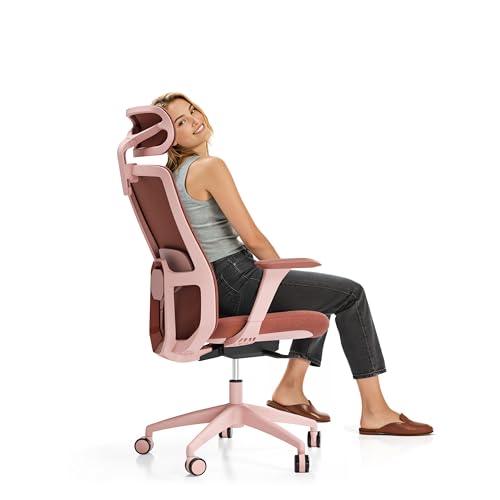


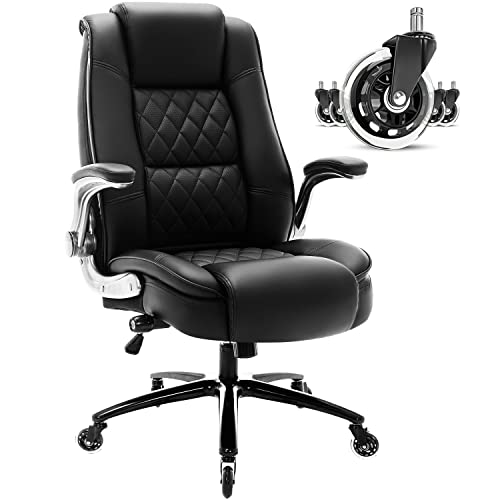
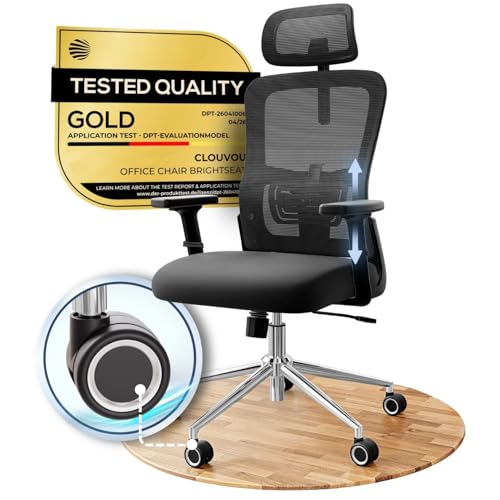

Chairs 101: The Basics for Long Workdays
A work chair is a seat built for repeated daily use, with a stable base on casters, a lift that sets seat height, and a backrest shaped to support your spine while you work. Unlike a dining chair, the best chairs for working long hours let you change height, back angle, and arm position during the day. Those small changes spread pressure across your hips and back instead of loading one spot for hours.
A few terms appear on every listing. Lumbar support is the part of the backrest that meets the curve of your lower back. Tilt lock holds the backrest at an angle you choose, while tilt tension controls how hard you must lean to recline. Weight capacity is the total load the frame and lift are rated to hold safely.
Work Chair Specs Translated Into Fit Questions
Read each spec as a fit question rather than a score. The right value depends on your height, weight, desk, and floor.
Features That Matter for Working Long Hours
Short sits forgive weak support, but a full workday exposes every gap. For chairs for working long hours, the seat must stay supportive after hour six, not only in the first ten minutes. Look for adjustable lumbar support, a seat you can raise and lower, and a backrest that moves with you through typing, calls, and reading.
Adjustments That Carry You Through a Full Workday
Good ergonomics means the chair adapts to you instead of forcing one posture. Seat height should let your feet rest flat with your knees near a right angle. Lumbar support should meet your lower back without pushing you forward. Adjustable armrests should support your forearms while your shoulders stay relaxed. If pain, numbness, or tingling in your back, legs, or arms persists or gets worse, see a doctor or another qualified professional, and talk with your clinician about your personal needs before you rely on any chair to address symptoms.
Materials and Upholstery
A mesh back lets air pass through, which suits warm rooms and people who overheat while sitting. Fabric feels soft and hides wear well, but it can hold spills. Synthetic leather wipes clean fast and looks formal, yet it can feel warm and may peel sooner on budget models. Metal bases feel firm and suit higher loads, while strong nylon bases keep weight and price lower.
Foam Density and All Day Seat Comfort
Cushion comfort comes from foam density more than from thickness alone. High density foam holds its shape and spreads your weight, while very soft foam can bottom out and leave you sitting on the hard seat pan. A waterfall front edge, where the seat curves down gently, reduces pressure behind your thighs. If you are heavier, firmer foam usually stays comfortable for more hours each day.
From Delivery Box to Working Chair
Most work chairs arrive in one large box with the back, seat, arms, base, and casters packed separately. Assembly means fitting the casters into the base, placing the lift, and bolting the seat, arms, and back together with the included tool. Allow about 20 to 40 minutes and build on a clear floor so small bolts stay visible. Keep the box until you have checked every adjustment, because returns are far easier with the original packing.
Style and Room Fit
Measure before you fall for a color. A standard work chair needs about 26 to 30 inches of width and enough depth for the backrest to recline without hitting a wall. Compact and space saving models use a smaller base or arms that lift out of the way, which helps in shared rooms. Dark upholstery hides daily marks better than pale colors in a busy household.
Best Chairs for Specific Needs at Work
Your job shape should decide which adjustments matter most. Use the groups below to narrow the field before you compare prices.
Best Computer Chairs for Working Long Hours
Computer work keeps your hands forward and your eyes fixed, so the best computer chairs for working long hours need armrests that move in several directions and a backrest that supports upright posture without forcing it. If your work happens at a fixed desk all day, see our guide to the best desk chairs for long hours for desk specific sizing notes.
Call and Admin Workers Who Sit in One Place
If you take calls and handle records for most of the day, you shift less than you think, so steady lumbar support and a seat that resists flattening matter most. A headrest can help during short listening pauses, but it should not push your head forward while you type. See our guide to the best chairs for sitting long hours for more on seated endurance.
Tall and Larger Workers Who Need More Room
Standard seats can feel short and narrow if you are tall or broad. Look for a higher weight capacity, a wider seat, and a taller backrest, with a lift range that still lets your feet rest flat. Check the stated seat width between the arms, not the full chair width, because arm posts can steal usable room.
Rookie Mistakes to Avoid
First time buyers often judge a chair in the first minute. These errors show up hours later.
- Choosing by softness alone leaves you on a seat that flattens by midday and strains your lower back.
- Skipping seat depth leaves tall users without thigh support and short users with pressure behind the knees.
- Buying a chair that is too large for the room blocks recline and makes daily movement around the desk awkward.
- Ignoring weight capacity overloads the lift and base, which can cause wobbling, sinking, or early failure.
- Forgetting your floor type lets hard casters scratch wood floors and makes rolling on carpet feel like hard work.
Building and Dialing In Your Work Chair on Day One
Build the chair in the room where you will use it, because a finished chair can be awkward to carry through a narrow doorway. Follow the bolt order in the manual and leave the bolts slightly loose until every part is aligned, then tighten them fully in turn.
Set the seat height so your feet rest flat and your thighs sit level or slope down slightly. Place the lumbar support at the small of your back, set the arms just under your forearms, and try an upright lock for typing and a slight recline for calls.
Care and Maintenance for a Work Chair
Dust the backrest and seat weekly, because grit works into fabric and mesh and wears the surface over time. Wipe synthetic leather with a damp cloth and mild soap, and let it dry fully before you sit. Vacuum mesh with a soft brush tool rather than pressing hard, which can stretch the weave.
Tighten bolts every few months and check casters for hair wrapped around the axles, because that buildup makes rolling uneven. Replace a lift that sinks on its own rather than adding clamps or props, which cannot restore safe support.
Frequently Asked Questions
What features matter most in a chair for working long hours?
Adjustable lumbar support, seat height, and a stable tilt system matter most in a chair for working long hours. Together they control back pressure, leg position, and posture changes through the day. One extra check helps first time buyers. Sit in your usual work shoes when you judge fit, because thick soles change how high your knees sit.
Is an expensive chair for working long hours worth the cost?
An expensive chair for working long hours is worth it only when the extra cost buys adjustments and parts that fit your body better. Higher prices often bring stronger lifts, better foam, and replaceable parts such as casters and arm pads. If a cheaper chair already matches your size and support needs, paying more for looks alone adds little.
How long should a good chair for working long hours last?
A good chair for working long hours should last about five to ten years of daily use. The lift, casters, and arm pads usually wear first, while a sound frame can outlast them all. A chair used by one person at a desk lasts longer than a chair shared around the clock in a busy household office.
How do I choose the right chair size for working long hours?
Choose chair size for working long hours by matching seat width, seat depth, and back height to your body measurements. Sit back fully and check that two or three fingers fit between the seat edge and the back of your knees. For a deeper comparison of screen focused setups, see our guide to the best computer chairs for long hours.
What caster type suits a home office floor for long workdays?
Soft rollerblade style casters suit hard floors because their wide, smooth wheels roll quietly and are less likely to scratch wood or tile. Standard hard casters work better on low pile carpet, where soft wheels can feel sluggish. If you use a chair mat, either type rolls well, but a mat with a beveled edge is easier to cross each time you stand.
The Bottom Line
Start with fit. Match seat height, seat depth, and lumbar support to your body, then check foam density, arm movement, and weight capacity against your workday. Choose materials for your room climate and casters for your floor.
When you compare the best chairs for working long hours with those points in order, price becomes the last question instead of the first. Use the product table above to confirm size, capacity, and features, then pick the simplest chair that meets your needs.


