
Best Chairs for Upper Back Pain at Every Price: What Your Money Really Gets You in 2026
Disclosure: We may earn a commission when you buy through links on this page, at no extra cost to you. As an Amazon Associate I earn from qualifying purchases. Learn more

See what each price tier of chairs for upper back pain really buys, from backrest height and shoulder support to frame quality and warranty cover.
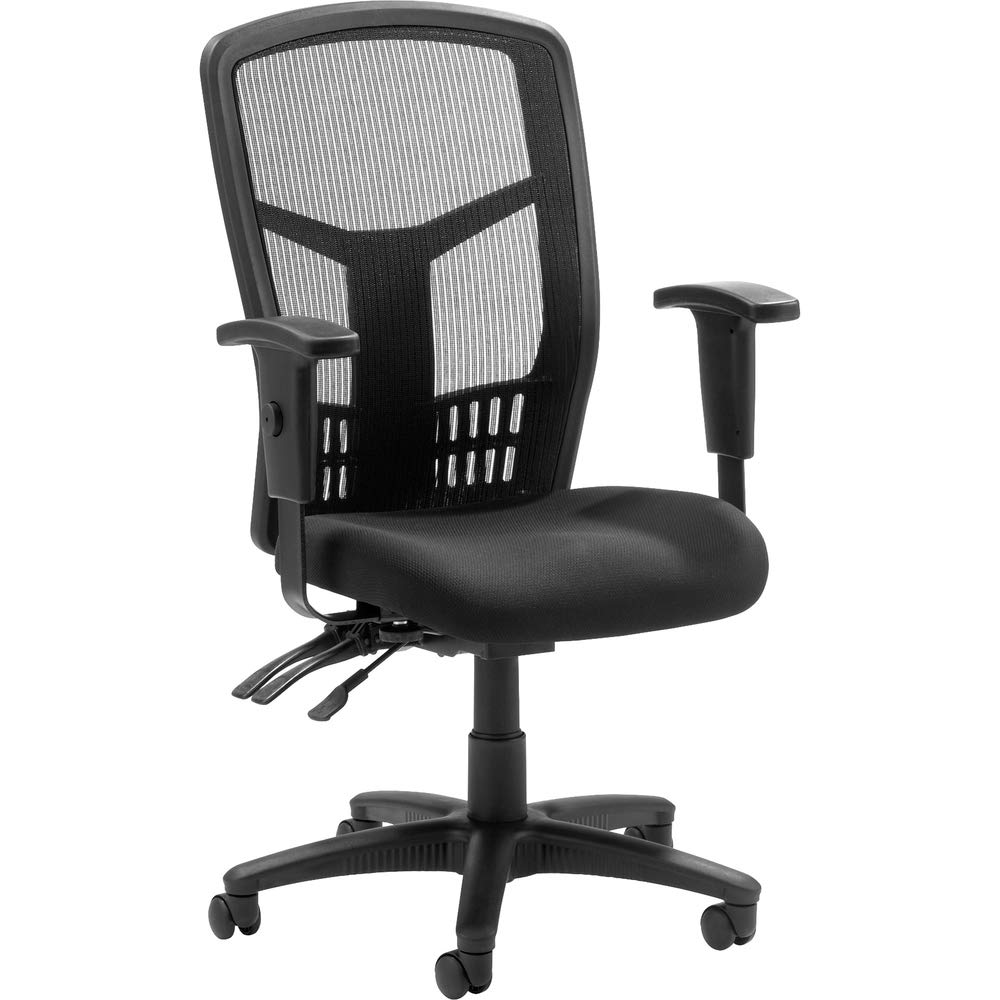
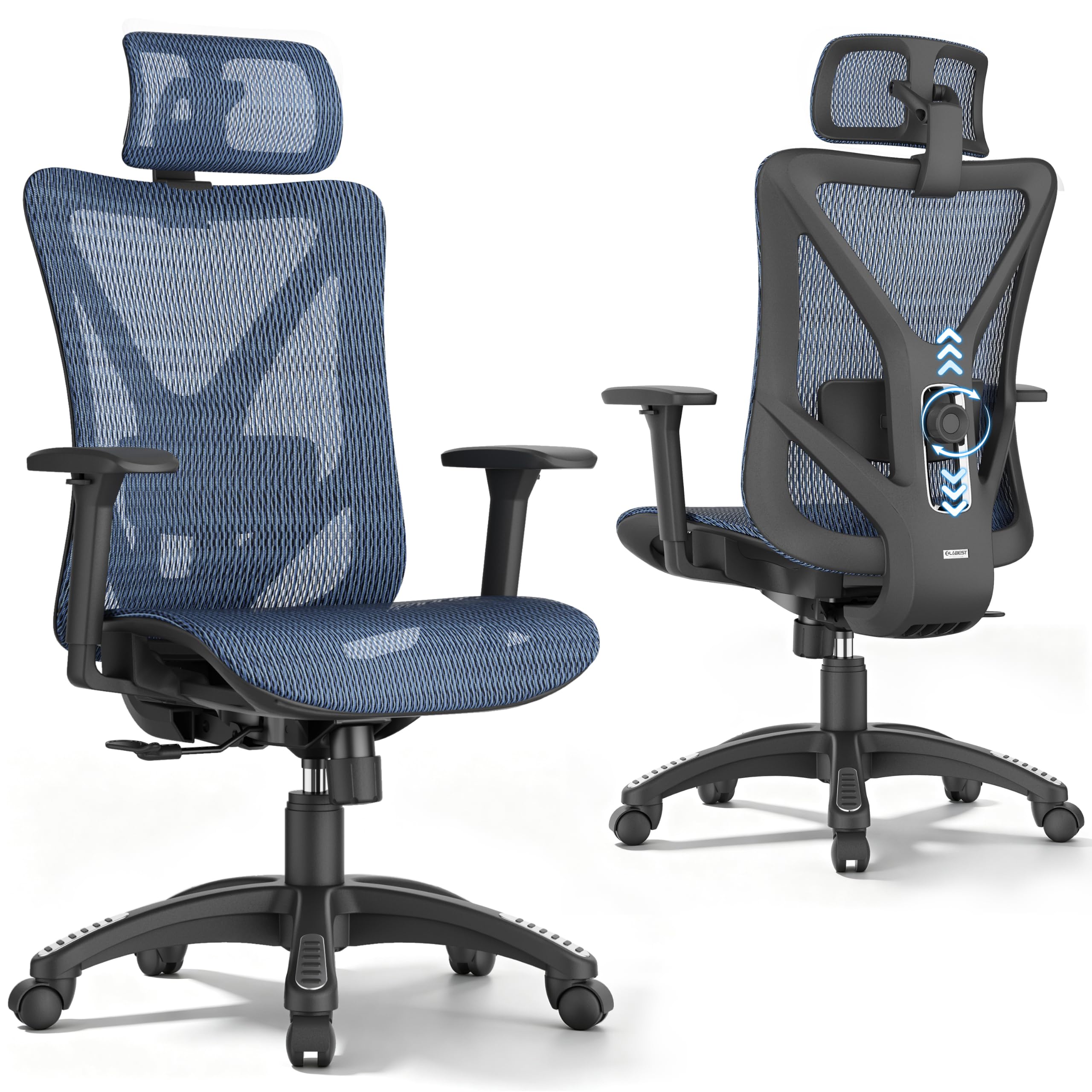
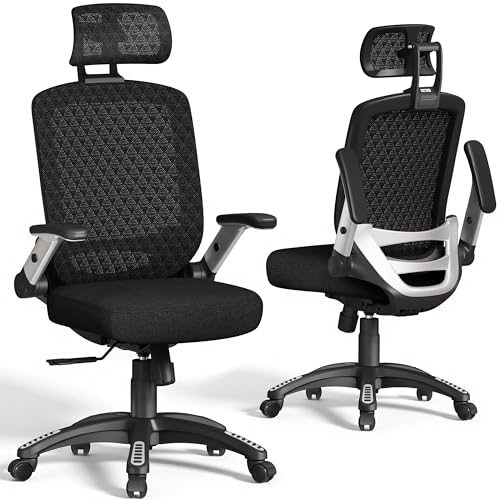
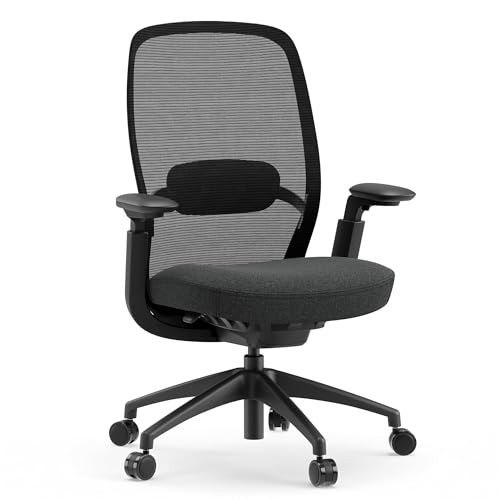
Chair prices run from about $80 to well past $1,000, and the listings rarely explain what the extra money changes for your shoulders and neck. If you finish most workdays with an ache between your shoulder blades, the right place to start is fit, not price. This guide shows how to judge best chairs for upper back pain candidates by backrest height and shoulder contact first, then what each price level adds. The comparison table below gathers the chair types covered for a quick scan.
One caution before any prices. A chair supports the position you sit in; it does not treat pain, cure a condition, or replace medical care. If your upper back pain is new, getting worse, follows a fall or accident, or comes with numbness, weakness, or pain running into an arm, stop shopping and see a doctor or physical therapist. The same applies if pain keeps waking you at night, though for everyday stiffness from long sitting, a chair that fits your upper back can make the workday easier to get through.

How to Judge a Chair for Your Upper Back
Backrest Height and Shoulder Contact
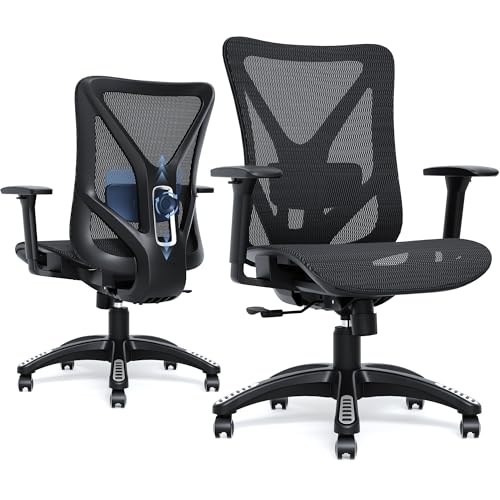
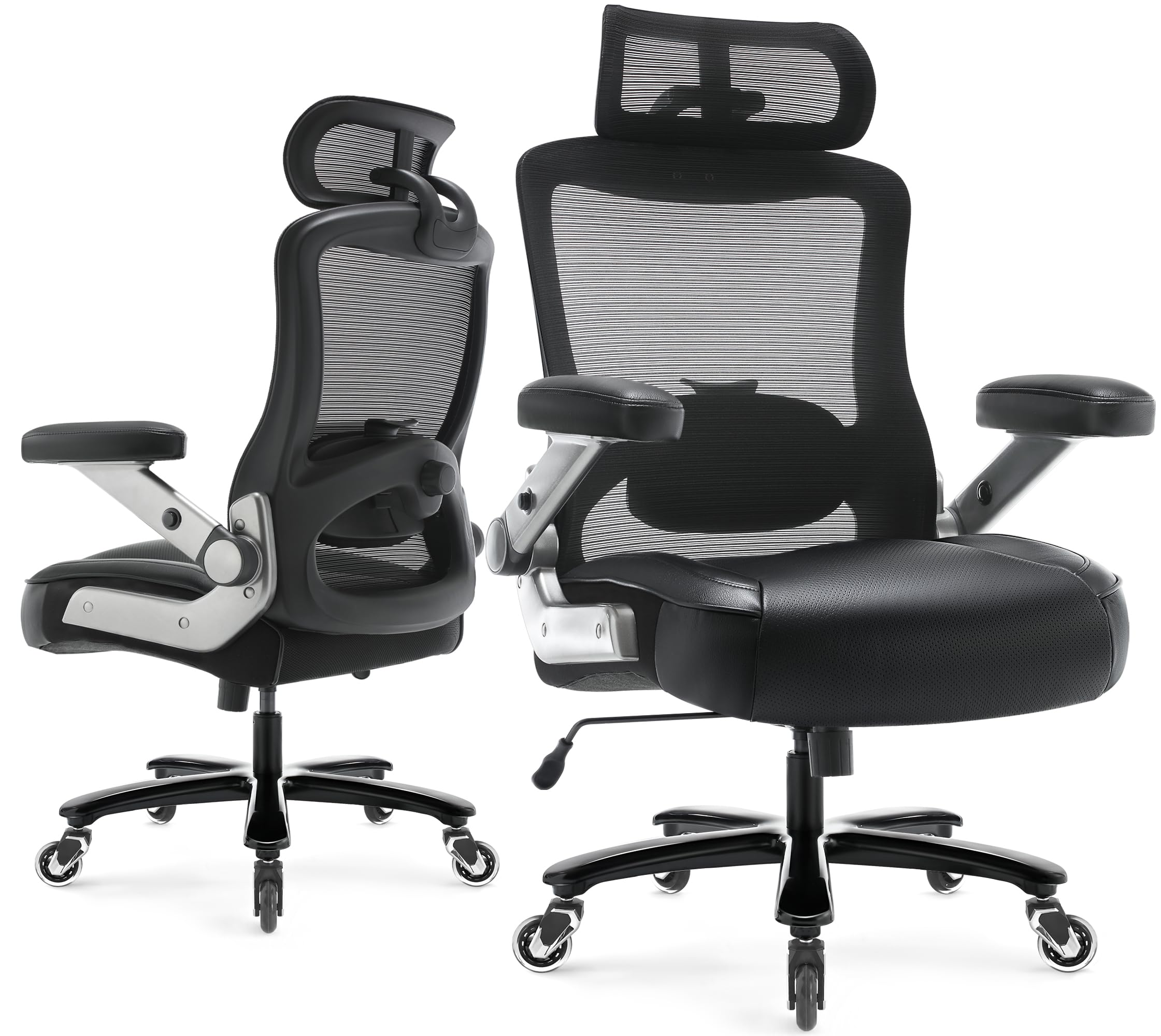
The first thing to read on any chair is where the backrest ends against your body. Support for the upper back is plainly a matter of backrest height and shoulder contact: a backrest that stops at the middle of your back leaves your shoulder blades and shoulders to hold themselves up all day. Look for a backrest reaching at least the top of your shoulder blades, and taller if you are tall. A headrest only counts if it meets the back of your head without pushing it forward, and many desk workers begin with best office chairs for upper back pain because office models usually publish their backrest heights.
Screen Position Loads the Upper Back
Your monitor quietly decides how hard your upper back works. When the screen sits too low, your head tips forward and the muscles between your shoulder blades carry that weight for hours. Set the top of the screen at about eye level, roughly an arm length away, and raise a laptop on a stand with a separate keyboard. A chair cannot undo a low screen, so budget for a stand or monitor arm before paying extra for a fancier chair, and readers whose ache climbs into the neck can also see our guide to best office chairs for upper back and neck pain.
Movement Breaks Are Part of the Chair Decision
No chair, at any price, makes eight still hours healthy. Standing up, walking to get water, and rolling your shoulders every 30 to 60 minutes is part of how an upper back day should run. A chair with an easy tilt lock helps because you can shift between an upright work angle and a slight recline during calls, changing which muscles work. Treat tilt range and a smooth recline as support for movement, not as extras.
What Your Money Gets You at Each Price Level
Under about $150: Fixed Shapes and Short Sessions
At this level you get a molded back, a basic gas lift, and little or no adjustment beyond seat height. A few models do offer a tall back, which matters more than padding thickness. Foam tends to be thin and packs down within a year or two of daily use.
These chairs suit part time desks, students, and spare rooms. If you sit six or more hours a day, plan to replace sooner or save toward the next tier. Our guide to best desk chairs for upper back pain sorts desk models at this level by back height.
About $150 to $350: Adjustment Starts to Appear
This is where adjustable lumbar pads, tilt tension control, and armrests that move up and down enter the picture. Backrests get taller, and mesh backs that flex with your shoulders become common. Frames shift from plastic bases toward steel, and warranties stretch from one year to three or five. For most full time desk workers, this tier offers the best balance of fit and cost, provided the backrest height matches your torso; our guide to best desk chairs for back pain compares the wider desk chair field at this level.
Above about $350: Fit Range and Staying Power
Higher prices buy a wider fit range rather than magic comfort: seat depth adjustment, armrests that move in several directions, stronger recline mechanisms, and denser foam or finer mesh. Warranties of ten years or more on frames and lifts are common here. These chairs pay off for tall or broad users outside standard sizing, and for anyone who has worn out two cheaper chairs. They still cannot fix a badly placed screen or a day without breaks.
Features Worth Paying For, and Ones to Skip
Features That Matter for Upper Back Support
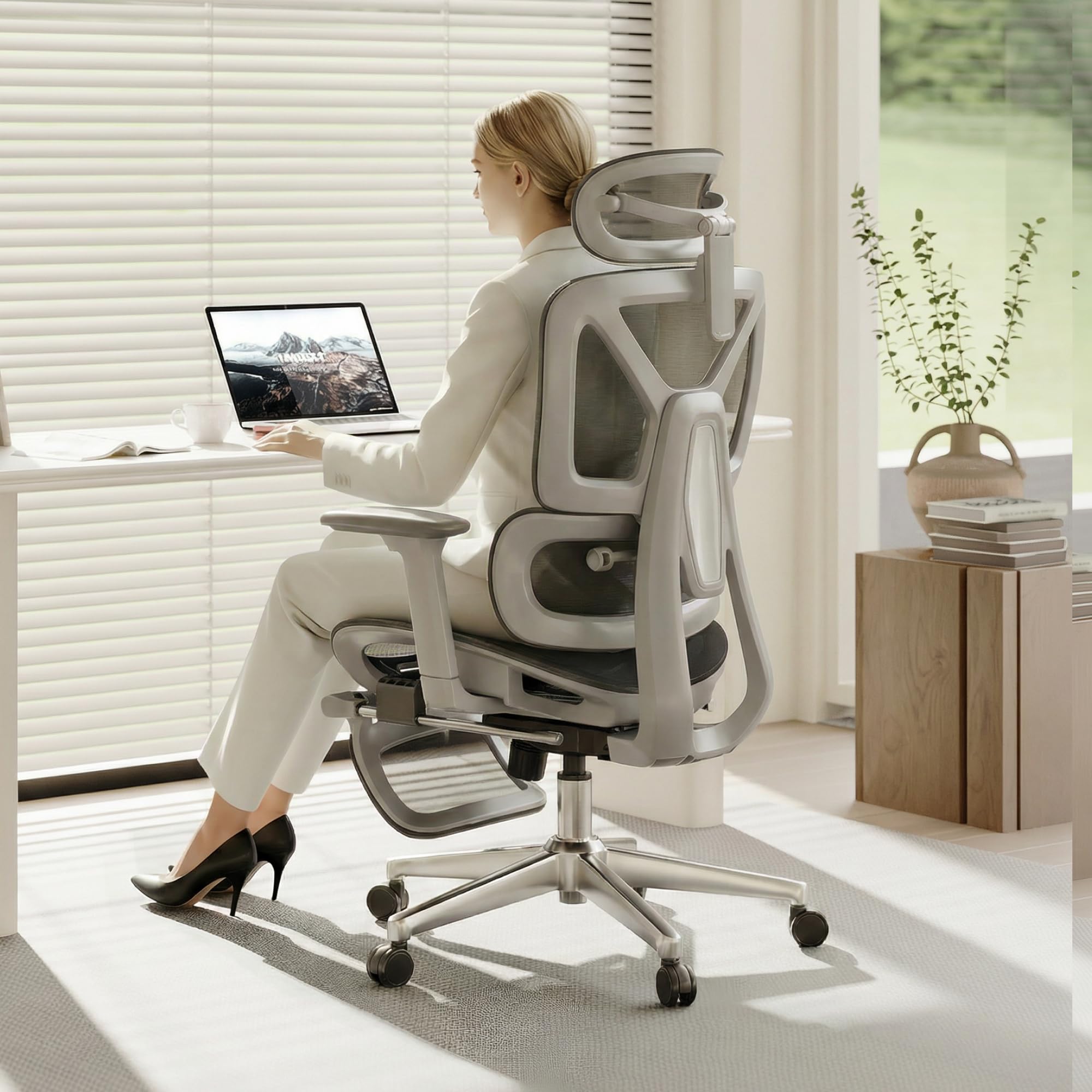
Two features earn their cost here, and both show up from the middle tier upward: a backrest tall enough for your torso and a headrest that adjusts in height and angle. A lumbar pad you can raise addresses a different ache, the curve near your belt line, which our guide to best chairs for lower back pain covers in depth. Skip lights, speakers, and massage add ons; they add price without adding support. A footrest can help shorter users keep feet flat, which steadies the whole sitting position.
Ergonomics and Adjustability
Seat height should let your feet rest flat with knees near a right angle, and the seat edge should leave a small gap behind your knees. Adjustable armrests keep your shoulders from shrugging up toward your ears while you type. Tilt lock positions let you pin a slight recline for reading. The more of these adjustments a chair offers, the more bodies it can fit, which is why adjustment, not padding, drives price.
Build Quality and Frame
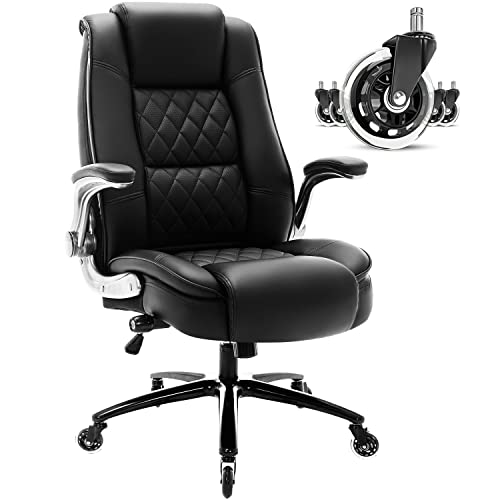
A steel frame and a Class 4 gas lift are the signs of a chair built for daily years rather than a single season. Metal five star bases spread weight better than plastic ones and roll more smoothly. Weight capacity tells the same story: chairs rated for about 250 to 300 pounds usually carry heavier frames than those rated near 200. Check that the backrest mount is metal where it meets the seat, since that joint carries your recline.
Warranty and Return Policy
For a body support purchase, the return window matters as much as the warranty. A chair can feel fine for ten minutes in a store and ache by hour three at home, so favor sellers offering at least 30 days to try it. Warranties should name the frame and gas lift separately from fabric and foam. Keep the receipt and the box until the trial ends.
Style and Room Fit
Tall backs can crowd a small room, so measure the chair height against your desk and doorway before ordering. Mesh reads lighter in a home office and stays cooler in warm rooms. Fabric and leather look models suit living spaces where the desk sits in view. Color rarely changes price much within a model, so choose for the room once fit is settled.
Long Term Costs to Factor In
The sticker price is not the whole spend. Replacement gas lifts run about $20 to $40, caster sets about $15 to $30, and a new seat cushion about $25 to $50. A floor mat to protect hard floors adds about $20 to $40, and chairs in the middle tier and above usually have parts available for years, while the cheapest models often cannot be repaired at all. A chair that lasts eight years at about $300 costs less per year than one bought for about $120 and replaced every two years.
Frequently Asked Questions
What features matter most in chairs for upper back pain?
Backrest height matters most, followed by a headrest that adjusts instead of sitting fixed. Before ordering, sit against a wall and measure from the seat surface to the top of your shoulder blades; that number is your minimum backrest height. Many shoppers skip the tape measure and end up with a back ending exactly where the ache begins. A chair that passes that one measurement test is already ahead of most of the field.
What features matter most for long hours?
For long hours, adjustable tilt tension matters most because it lets you soften or firm the recline as your muscles tire. A seat with a rounded front edge also helps, since a hard edge presses on the legs during long sits. Armrests that drop low enough to slide under the desk give your shoulders true rest between tasks. Finally, pick a fabric or mesh you can stand against your back in a warm room.
How do I choose the right size?
Start with three home measurements: seat height from the floor, the width between armrests, and your sitting back height. Your feet should rest flat at the chair lowest setting, and your hips should fit between the armrests without touching either side. If you fall between sizes, choose the taller back and adjust the seat down. Petite and tall shoppers suffer most from standard sizing, so check the published ranges, not the product photos.
How long should a good chair last?
A good chair should last about five to eight years of daily use in the middle tier, and longer above it. The gas lift usually fails first, shown by a seat that slowly sinks. Mesh and foam sag next, and a back that no longer holds its curve is done even if the frame is sound. Warranties that separate frame, lift, and fabric give the clearest picture of expected life.
Is an expensive chair worth it?
An expensive chair is worth it when your body falls outside standard sizing or when you sit more than eight hours a day. If standard dimensions fit you, the middle tier delivers most of the support for far less money. One useful test is cost per year: a chair at about $400 that serves eight years costs about the same per year as one at about $150 replaced every three. Spend on fit range, not on appearance.
Final Thoughts
Choosing among the best chairs for upper back pain comes down to three checks: a backrest that reaches your shoulder blades, a screen set at eye level, and a daily habit of standing breaks. Price then decides how much adjustment and how many years of service you get. Use the product table above to compare back heights and warranties side by side, and give any new chair a full work week before you judge it.

