Best Chairs for Studio Apartment in 2026: Which Type Is Right for You?
Disclosure: We may earn a commission when you buy through links on this page, at no extra cost to you. As an Amazon Associate I earn from qualifying purchases. Learn more

Compare chair types, sizes, and comfort features to find the best chairs for studio apartment layouts without crowding your single living space.
A studio apartment asks one room to handle sleeping, working, dining, and relaxing, so every chair has to earn its floor space. The best chairs for studio apartment living are not simply the smallest ones you can find. They fit your body, your layout, and the way you actually spend your hours at home.
This guide compares chair types side by side, from budget models to premium executive styles to compact designs. Use the comparison table below to scan sizes, features, and prices at a glance. Then read on for the sizing and comfort details that a table alone cannot show you.


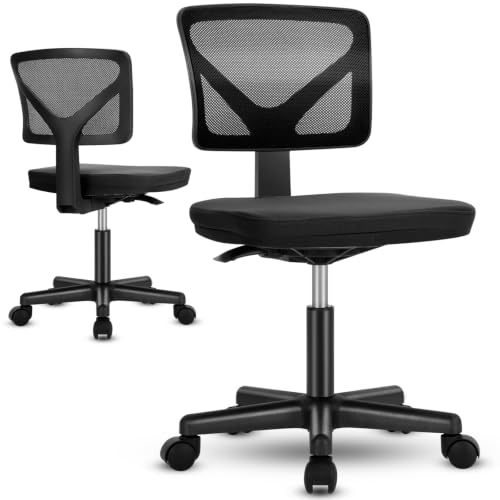

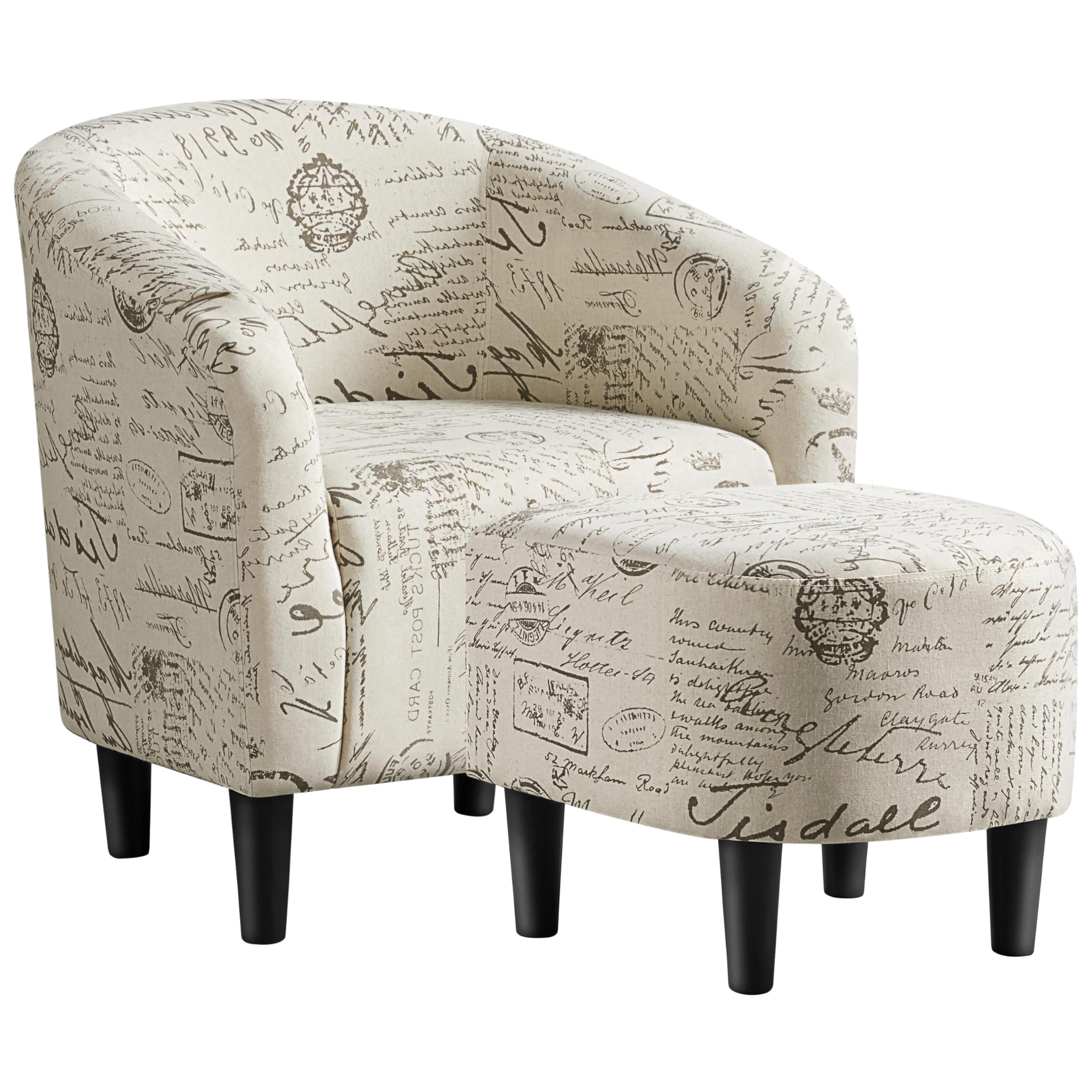
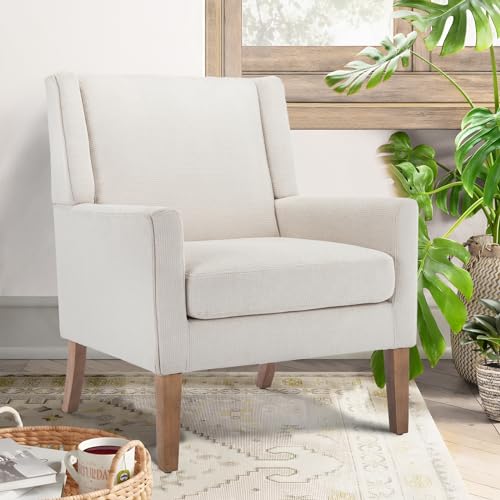
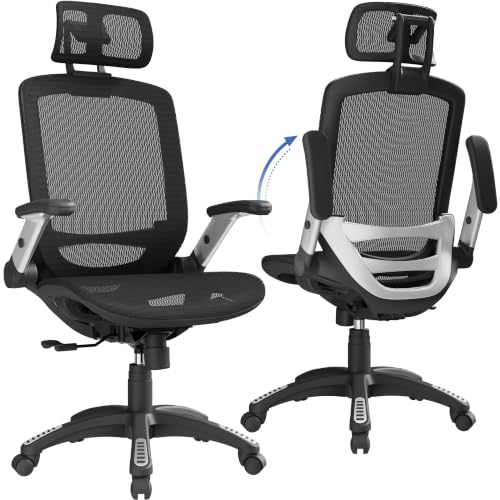
Types of Chairs Compared
Start by naming the main job the chair must do, because a chair for eight hours of desk work fails as a reading chair in different ways. The product table above groups options by type, and the sections below explain what each type gives you and what it asks you to give up.
Budget Models
Budget models, often around $100, usually give you a lightly padded seat, a simple mesh back or molded shell, and basic height adjustment. That simplicity helps in a studio, because the chair is light and easy to move between a desk and a dining table. For part time desk use, short meals, and occasional guests, that level of support is often enough.
The trade off is comfort over long stretches and durability under daily use. Thin foam can flatten within a year or two, armrests are often fixed or missing, and the weight capacity tends to be lower than on pricier frames. Check the stated capacity and leave a sensible margin above your body weight. If you work from home full time, treat a budget chair as a starting point.
Premium and Executive Models
Premium and executive models, often about $400, add thicker cushioning, stronger frames, and far more adjustment. You are more likely to find real lumbar support that moves with your back, a tilt lock that holds a recline angle, adjustable armrests, and a base built for daily use over many years.
The cost is not only money. These chairs are wider, deeper, and heavier, and a tall executive back can dominate a small room and block light from a window. Measure the full footprint, including how far the chair rolls back from the desk, before you order. Readers drawn to this style can see our guide to the best officer chairs to compare full size work chairs on width and depth.
Compact and Space Saving Models
Compact models are designed around the footprint first. Typical designs include armless task chairs that slide fully under a desk, folding chairs that lean flat against a wall, stackable dining chairs, and small accent chairs with slim legs and a low profile back. Many measure several inches narrower than a standard task chair, and that difference decides whether a walkway stays clear.
The compromise is usually padding and adjustment. An armless chair frees your elbows at a tight desk but gives your arms nowhere to rest during a long call. A folding chair stores beautifully yet rarely suits more than an hour or two of sitting.
Budget Models vs Premium and Executive Models: Which Should You Choose?
On price, budget models win clearly, and the savings can fund other things your studio needs. On comfort during long sessions, premium models win, because adjustable lumbar support, a deeper cushion, and a tilt lock reduce the fidgeting and soreness that build up by afternoon. On durability, stronger frames and metal bases usually outlast thin plastic parts by years.
On space, neither group wins by default, since a slim budget chair can beat a bulky executive chair in a tight layout. A practical rule is this: if you sit for six or more hours a day, put your money toward support first. If you sit for two hours or less, put it toward saving space.
How to Choose the Right Chair
Choosing the best chairs for studio apartment use starts with three measurements taken in your actual room, not with a style you saw online. Measure the desk height, the clear width where the chair will live, and the distance from the desk to the nearest bed, sofa, or wall. Keep those numbers open while you compare listings, because memory is generous and tape measures are not.
Ergonomics and Adjustability
Good ergonomics in a small chair come from a few adjustments done well rather than a long list of levers. Seat height should let your feet rest flat on the floor with your knees near a right angle, so look for a seat that adjusts through roughly 17 to 22 inches. Lumbar support should meet the curve of your lower back without pushing you forward.
A tilt lock lets you hold a slight recline for reading or calls instead of sitting bolt upright all day. Adjustable armrests help when they can drop low enough to slide under your desk, and armrests that flip up give you that clearance without removing them.
Style and Room Fit
In one open room, your chair is always on display, so its color and shape affect the whole space. Light fabrics and slim legs make a chair feel smaller, while a dark, tall, heavily padded chair reads as a second piece of large furniture. Match the chair legs or base finish to one finish already in the room, such as your desk legs or lamp, and the chair will look planned rather than added later.
Build Quality and Frame
The frame and base decide how the chair feels after the first month. A metal base with five legs stays steady when you lean or roll, while a thin plastic base can flex and creak on hard floors. Look for a gas lift rated for daily use and smooth casters suited to your floor type, with softer wheels for wood or tile so you do not mark the surface.
Check the weight capacity printed in the listing and treat it as a hard limit, not a rough guide. A chair used near its limit wears faster, sinks lower as the lift ages, and feels less stable in a recline.
Features That Matter for a Studio Apartment
Studio living rewards chairs that do more than one job without doing any of them badly. A task chair with a modest footprint can serve at a desk by day and pull up to a small dining table at night. A compact accent chair can hold a guest and hold you during a book, as long as the seat depth suits sitting upright rather than sprawling.
Noise also matters more in one room than in a house, because squeaks carry to your bed a few feet away. If you often host friends, weigh how the chair pairs with your main seating, and see our guide to the best sofas for studio apartments for how larger lounge seating fits the same tight layouts. Finally, check the return terms before you order.
Picking the Right Chairs for Different Uses
Most studio residents need one chair to cover work and one seat to cover everything else. Start with your longest daily sitting session and buy for that, because a chair that fails you at hour five will annoy you every single day. If your chair will mainly serve at a desk, see our guide to the best studio chairs for task focused options sized for small rooms.
Best Comfortable Chairs for Studio Apartment Use
When comfort is the priority, the phrase best comfortable chairs for studio apartment use points to three specific traits. First, look for a seat cushion of high density foam at least a few inches thick, because thin padding over a hard base is the most common reason a small chair feels fine in a store and poor at home. Second, look for a back that supports your shoulder blades as well as your lower back.
Third, pay attention to seat depth. A seat that is too deep pushes you away from the backrest, while one that is too shallow leaves your thighs unsupported and tires your legs. You should be able to sit fully back with a small gap behind your knees.
Setup and Care Tips
Assembly in a studio goes faster if you clear a patch of floor first and lay the parts out in the order the instructions use them. Tighten bolts in a cross pattern a little at a time rather than fully tightening one side first, because an uneven start can leave the chair leaning or rocking.
Every few months, turn the chair over and tighten the bolts again, since rolling and leaning slowly work them loose. Vacuum fabric and mesh with a soft brush head, and wipe vinyl or leather style surfaces with a damp cloth and mild soap, then dry them fully. Keep the chair out of constant direct sun where you can, because strong light fades fabric over time.
Frequently Asked Questions
What features matter most in a chair for a studio apartment?
The features that matter most are a compact footprint, seat height adjustment, and real lumbar support. Together they let one chair work at a desk, a dining table, and a reading corner without crowding the room. A useful extra that listings often bury is the width between the armrests, which decides whether the chair fits your body as well as your floor plan.
How do I choose the right size chair for a studio apartment?
Choose the size by measuring your desk height, the clear floor width, and the space behind the desk for rolling back. Your seat height should sit about 10 to 12 inches below the underside of the desk for comfortable leg room. Leave at least a couple of feet of clear floor behind the chair.
Is an expensive chair worth it for a studio apartment?
An expensive chair is worth it when you sit for long hours most days, because better foam, a stronger lift, and adjustable support protect your back and last longer. It is harder to justify for light use, where a sound budget chair covers meals and short tasks well.
How long should a good chair for a studio apartment last?
A good chair should last about five to ten years with daily use, depending on its frame, lift quality, and how close you are to its weight capacity. Budget models often show worn foam and loose joints sooner, sometimes within two or three years. A simple way to extend life is to keep spare casters on hand and swap a worn one before it starts dragging.
What features matter most for long hours in a studio apartment chair?
For long hours, lumbar support that stays in place, a breathable mesh back, and a tilt lock matter most. They reduce heat build up and let you shift position without standing, which keeps your focus steadier through the afternoon. Also consider a seat edge that slopes down slightly at the front, because a sharp edge can press on your thighs during long sessions.
Wrapping Up
The right choice comes down to three checks: measure your space honestly, match the chair type to your longest daily sitting session, and confirm the support features you will actually adjust. Budget models suit light use, premium models reward long workdays, and compact models solve the tightest layouts. Keep the product table above open while you compare widths and depths.
When you are ready, order the best chairs for studio apartment option that passes all three checks in your room. A chair that fits your body and your one room well will quietly improve every workday, meal, and quiet evening you spend in it.