
Best Chairs for Senior Citizens: A Buyer Checklist for 2026
Disclosure: We may earn a commission when you buy through links on this page, at no extra cost to you. As an Amazon Associate I earn from qualifying purchases. Learn more

Compare the best chairs for senior citizens with a simple buying checklist covering seat height, firm support, safety, and value for daily comfort at home.
A chair you use every day should help you sit down and stand up with confidence, not make either move harder. The best chairs for senior citizens share a few traits you can check before you order, including a supportive seat, stable arms, and a size that fits your body and your room. This guide turns those traits into a simple checklist.
Use the checklist as you scan the comparison table below, and pay the most attention to seat height, cushion firmness, and arm support. Those three details decide whether a chair feels restful for an hour or tiring after ten minutes. The sections that follow explain each criterion, flag weak options, and show you how to match a chair to your daily routine.
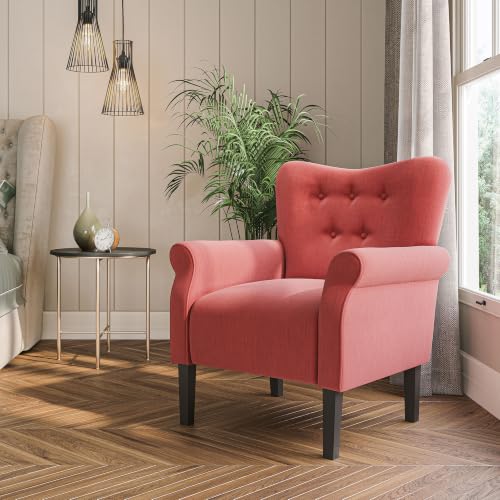

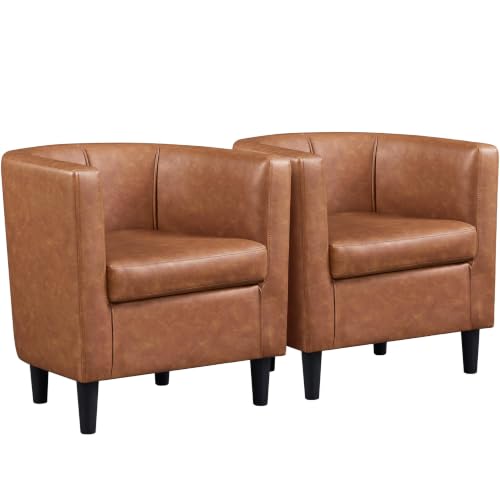


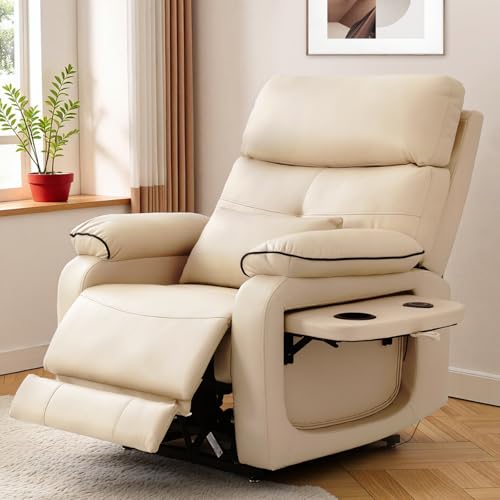
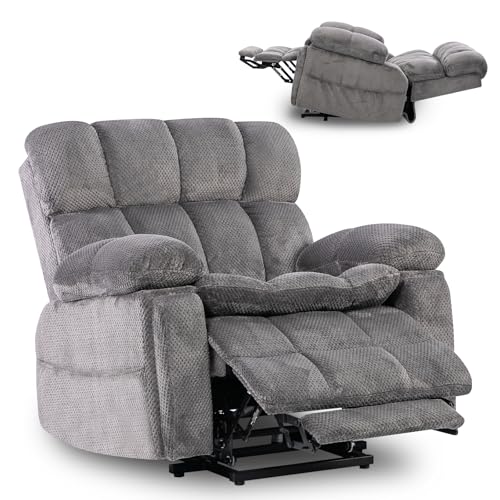

Key Features to Compare Before You Buy
A good checklist keeps you from judging a chair by its photo alone. Two chairs can look alike and feel very different once you sit, lean back, and push up to stand. Work through the six criteria below in order, because a chair that fails on seat height or stability rarely makes up for it with nice fabric.
Features That Matter Most for Older Adults
Start with the moves you make many times a day. You need arms that hold your weight as you lower yourself and rise, a seat edge that does not press into the backs of your knees, and controls you can reach without twisting. If you have arthritis in your hands, look for large levers and smooth glides that do not demand a strong grip.
Ergonomics and Adjustability
An ergonomic fit starts with seat height. Your feet should rest flat on the floor with your knees near a right angle, which usually means a seat about 17 to 21 inches high for most adults. Lumbar support should meet the curve of your lower back without pushing you forward. Adjustable armrests help your shoulders relax, and a tilt lock lets you fix a gentle recline instead of rocking when you reach for something. Without adjustments, the fixed shape must match your body closely.
Comfort and Cushioning
Cushion comfort depends on foam quality more than thickness. High density foam holds its shape and supports your hips through long reading or television sessions, while soft low density foam can bottom out and leave you sitting on the frame. A mesh back is worth considering if you run warm, since it lets air move while still giving support. Change positions and stand up at regular intervals during long sitting, because no cushion removes the need to move.
Talk with your clinician about the right support for your personal needs, especially if you manage back pain, hip pain, or circulation concerns. Seek medical care promptly for new numbness in your legs, swelling that appears suddenly, skin sores from pressure, or pain that keeps getting worse. A chair can improve comfort, but it cannot treat those conditions.
Assembly and Delivery
Many senior buyers prefer a chair that arrives mostly assembled or goes together with a few bolts and clear pictures. Check the product page for the number of steps, the tools included, and the total weight of the box before you order. If lifting is hard for you, plan for a family member, neighbor, or delivery service to carry the box inside and remove the packaging. Keep the box until you have sat in the chair and confirmed it suits you.
Warranty and Return Policy
Read the warranty for the frame, the cushion, and any lift or recline mechanism as separate items, because coverage often differs. A longer frame warranty suggests the maker expects the structure to last, while short coverage on moving parts tells you where repairs may fall on you. For desk chairs, ask how the gas lift is covered. A fair return window matters too, since only sitting at home shows whether the seat depth and arm height truly fit you.
Style and Room Fit
Measure the space before you fall for a color or fabric. Leave room to walk around the chair, open any recline fully, and reach a side table without leaning far. Compact space saving models suit apartments and smaller living rooms, while larger chairs need a clear corner. Upholstery that wipes clean helps in dining areas, and darker fabrics hide everyday wear in busy family rooms.
If you are setting up a bedroom reading corner, think about the chair and the bed together so the whole room supports rest. You can see our guide to the best mattresses for senior citizens for help with the sleep side of that room.
Buying Guidance for Different Homes and Habits
Most roundups of best chairs for senior citizens sort by price alone, but your daily routine is a better guide than a price tag. Start from where you will sit most, how long you stay seated, and who else will use the chair. The three situations below cover the patterns that come up most often.
Indoor chairs and outdoor chairs solve different problems, so do not let one purchase do both jobs badly. If your sitting time includes a porch, a garden, or trips to the shore, you can see our guide to the best beach chairs for senior citizens for portable options built for sand and sun.
For Daily Living Room and Reading Use
Choose a chair with a firm seat, supportive arms, and an upright back that makes rising easy after a long sit. A slight recline is pleasant for reading, but a deep recline can leave you stuck if your leg strength is limited. Place a small table and a lamp within easy reach so you are not twisting for books or drinks. Budget models can work well here when the frame feels solid and the cushion stays firm.
For Desk and Dining Use
At a desk or dining table, seat height must match the table so your forearms rest level and your feet stay planted. Slim arms that slide under the table save space and prevent scuffs on both pieces. Casters suit hard floors, while glides suit carpet and reduce unwanted drifting. If you spend long hours on paperwork or a computer, you can see our guide to the best officer chairs for more detail on workspace seating.
For Heavier Bodies and Longer Sitting
Check the stated weight capacity before anything else, and choose a chair rated comfortably above the weight of the heaviest person who will use it. A wider seat, a reinforced frame, and dense cushion foam spread pressure and resist sagging. Arms should attach to the frame itself rather than only to the seat, so they stay firm when you push down to stand. During long sessions, a seat that stays level and cool will serve you better than a very soft one.
Quick Buyer Checklist
Answer each question below before you order, and treat any no as a reason to keep looking. If you want a broader view of everyday seating options first, you can see our guide to the best chairs for seniors and then return to this checklist with fresh eyes.
- Can you rest your feet flat on the floor when you sit all the way back?
- Do the arms feel solid when you push down on them to stand up?
- Does the stated weight capacity cover everyone who will use the chair?
- Can you work every lever or handle with a light grip?
- Will the chair fit through your doorways and in its planned spot?
- Does the return window give you time to try the chair at home?
- Is the warranty clear about the frame, cushion, and moving parts?
Red Flags to Watch For
Weak chairs often reveal themselves in the listing before they ever reach your home. Watch for these signs in the product details and in seller answers to buyer questions.
- Vague sizing with no seat height, seat depth, or arm height listed, which leaves fit to guesswork.
- A low weight capacity paired with claims that the chair suits every body.
- Warranty details that hide short coverage behind broad promises of quality.
- Cushion claims with no mention of foam type, which often means soft foam that flattens early.
- Listings full of glowing comments that never mention assembly, sizing, or daily use.
Care and Simple Upkeep for Your Chair
Set the seat height once and check it again after the first week, since cushions settle slightly as they break in. Your feet should rest flat and your weight should feel even across the seat. Tighten arm and leg bolts every few months with the tool that came in the box, because small loosening is normal with daily use. Stop and check any new wobble or creak before it gets worse.
Vacuum fabric upholstery weekly with a soft brush tool, and wipe spills right away so stains do not set. For smooth materials, a damp cloth and mild soap usually handle everyday marks, followed by a dry cloth. Keep the chair out of constant direct sun, since strong light fades fabric and dries out some finishes. Rotate cushions if the design allows it, so wear spreads evenly.
Frequently Asked Questions
These answers cover the questions older shoppers ask most often before ordering.
What features matter most in chairs for senior citizens?
Seat height, firm arms, and a supportive back matter most in chairs for senior citizens. Together they decide how safely you sit down, how comfortable you stay, and how easily you stand again. One detail many shoppers miss is the front edge of the seat, often called a waterfall edge, which reduces pressure behind your knees. If a chair gets those basics right, extra features become a matter of taste.
Is an expensive chair for senior citizens worth the cost?
An expensive chair for senior citizens is worth the cost only when the extra money buys a stronger frame, denser foam, and easier adjustments. Price alone does not guarantee comfort, and some costly chairs spend more on looks than on support. A practical test is cost per year of daily use, since a chair you sit in every day earns its price faster than one used only by guests.
How long should a good chair for senior citizens last?
A good chair for senior citizens should last about five to ten years of daily use when the frame is sound and the cushion stays supportive. The cushion usually ages first, so a maker that sells replacement cushions or covers can extend the life of the chair well beyond the foam itself. Retire the chair when the frame rocks on a level floor or the arms flex under normal pressure to stand.
What chair features matter most for senior citizens who sit for long hours?
For senior citizens who sit for long hours, pressure distribution and back support matter most, along with a seat that does not tilt you backward. A contoured seat spreads weight across your hips instead of concentrating it on two points. Consider a small footrest if your feet do not reach the floor with ease, since dangling feet strain your lower back over time. Standing and walking briefly each hour adds the movement no chair can provide.
How do senior citizens choose the right chair size?
Senior citizens choose the right chair size by measuring their own body first, not by trusting labels like large or standard. Measure from the floor to the back of your knee while wearing your usual shoes, and match that number to the seat height. Also measure the width between the arms against your hips with a little room to spare. Try the chair in light clothing and in a warm sweater for a truer sense of fit.
Final Thoughts
A careful choice comes down to fit, firm support, and safe movement in and out of the seat. Run the checklist, respect the red flags, and let your own measurements settle close calls. When you are ready, look back at the product table above and compare the best chairs for senior citizens with your notes beside you, then choose the chair that matches your body, your room, and your daily routine.


