
Best Chairs for Tabletop Gaming in 2026: Which Type Is Right for You?
Disclosure: We may earn a commission when you buy through links on this page, at no extra cost to you. As an Amazon Associate I earn from qualifying purchases. Learn more
Learn how chair types differ in comfort, size, and support so you can choose the best chairs for tabletop gaming for your room and your budget.
Tabletop game nights ask more of a chair than a normal meal does. A session can run for hours, with leaning forward to move pieces, sitting back to plan, and turning to talk to players on every side of the table. Choosing best chairs for tabletop gaming means matching the chair type to your table, your room, and the way your group actually plays.
This guide compares the main chair types side by side, with no single model pushed as the answer. You will see how each type handles comfort, space, and budget, and the comparison table below pulls those trade offs into one quick view.




Types of Chairs Compared
Most chairs for tabletop gaming fall into three broad types. Premium and executive models focus on cushioning and presence. Compact and space saving models focus on fitting more players around a table in a small room. Budget models focus on simple, flexible seating that you can buy in sets and store away between game nights.
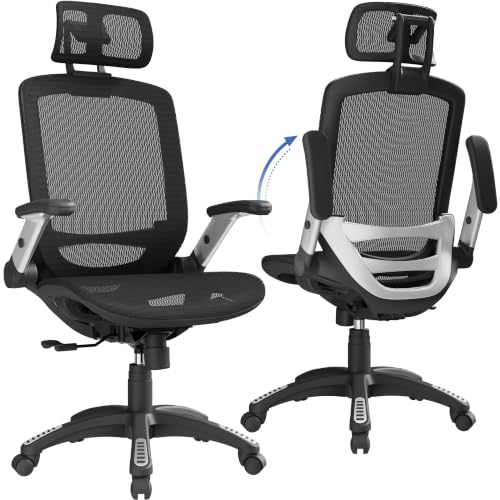
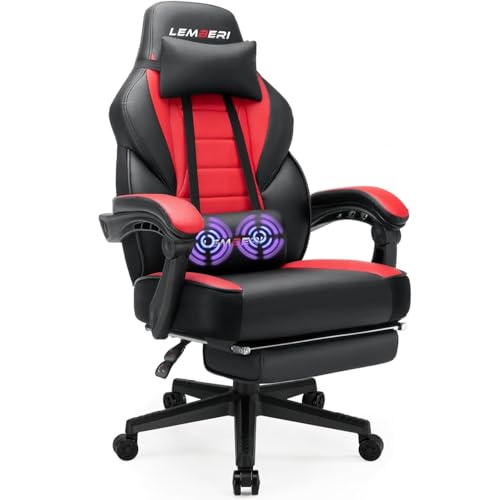
Premium and Executive Models
Premium and executive models are large, padded chairs with a high back, wide seat, and substantial frame. They suit a dedicated game room where chairs stay at the table full time. Thick cushioning, strong lumbar support, and adjustable armrests make them the most comfortable option for hosts who play often and for hours at a stretch.
The trade offs are size, weight, and price. These chairs take up the most floor space per player, they are hard to move or store, and many cost around $300 each, which adds up fast when you need four or six. If build quality at this level is your priority, see our guide to the best quality gaming chairs for what separates durable construction from surface looks.
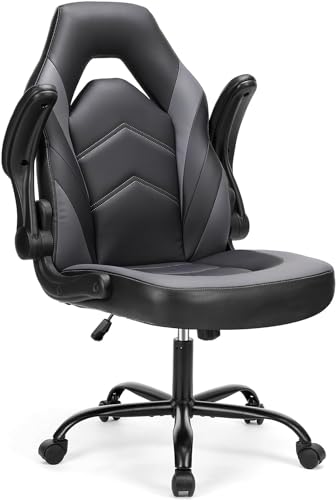
Compact and Space Saving Models
Compact and space saving models have a slimmer profile, a lower or mid height back, and often no arms or narrow arms that slide under the table. They suit apartments, dining rooms that double as game rooms, and tables where six players must fit without feeling crowded. Many fold, stack, or roll away so the room can return to daily use after the game.
You give up some cushioning and adjustability for that smaller footprint. Padding tends to be thinner, backs offer less support, and weight capacity is often lower than on premium models, with many priced at about $120 each. For rooms that also serve as a home office, see our guide to the best gaming and office chairs for seating that shifts between work and play.
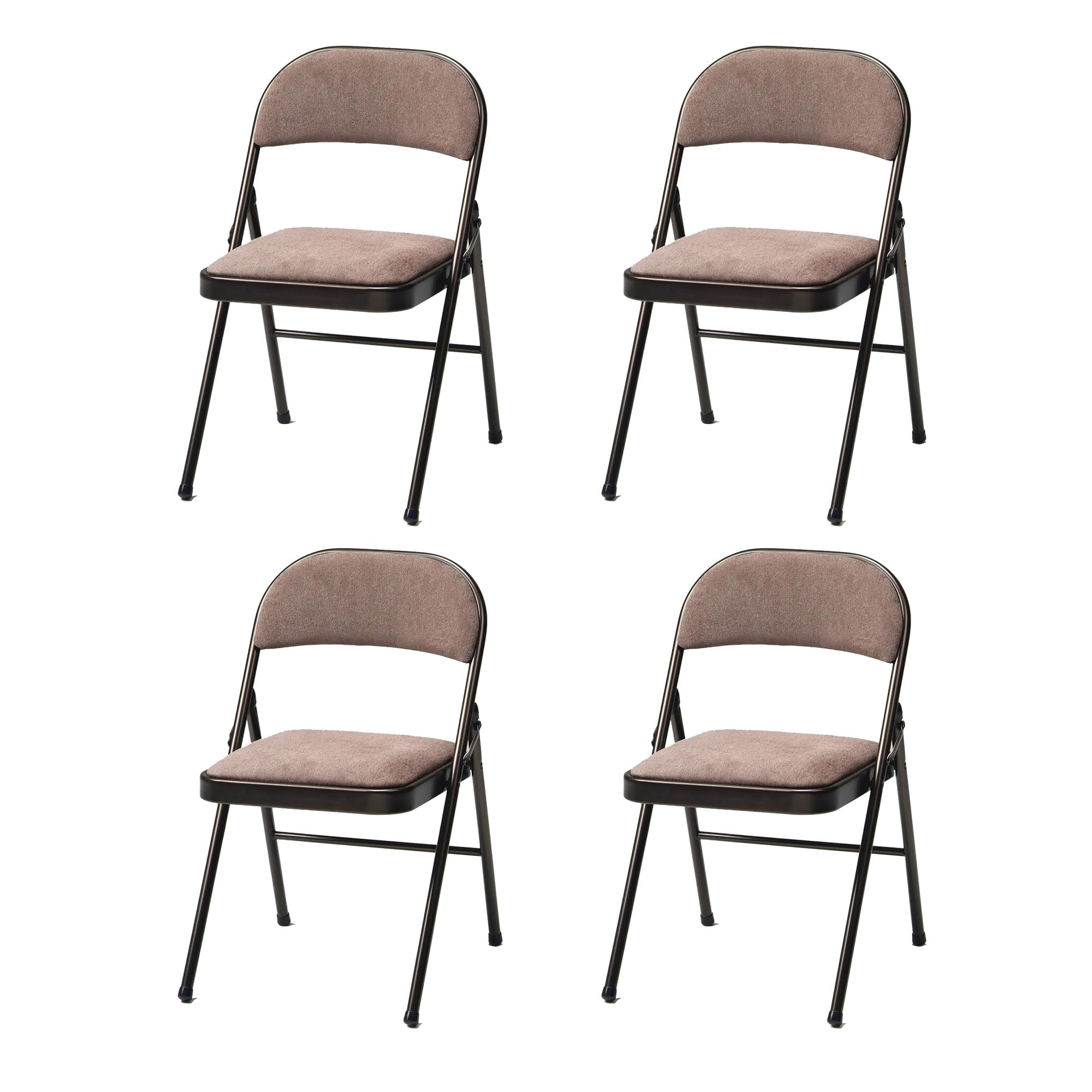
Budget Models
Budget models are simple dining style chairs, basic padded side chairs, and folding chairs sold singly or in sets. They work well for new groups, occasional game nights, and anyone furnishing a table on a tight budget. At around $60 each, they let you seat a full table at once instead of mixing mismatched seating for months.
Comfort is the main limit. Thin foam compresses quickly, backs are often short and fixed, and there is rarely any lumbar support or height adjustment. For a long session, many players add a seat cushion after the first hour or two. Budget chairs make most sense when sessions are shorter or the group is still deciding how serious the hobby will become.
Premium and Executive Models vs Compact and Space Saving Models: Which Should You Choose?
Start with space per player. A premium chair can need 28 to 32 inches of width at the table, while a compact chair may need only 20 to 24 inches, and that difference decides whether five players fit or squeeze shoulder to shoulder. Next, consider session length. The longer you sit, the more the deeper cushioning of a premium chair matters, while compact chairs feel fine for two hour games.
Then weigh storage. Compact chairs win if you must clear the room after every game, because they stack, fold, or tuck away in minutes. Premium chairs win if the room is dedicated to gaming. Finally, look at total cost for the full set, not one chair, because seating six in premium models can cost several times more. The product table above can help you compare those totals by type.
How to Choose the Right Chair
Type tells you the general shape, but the details below decide whether a specific chair suits your body, your table, and your group. Work through each factor for the best chairs for tabletop gaming in your price range before you order a full set, and test one chair through a full game first if you can.
Materials and Upholstery
A mesh back breathes well during long sessions and flexes slightly as you shift, though mesh offers less padding. Fabric upholstery feels soft, grips clothing so you slide less, and hides wear well, but it absorbs spills when drinks and snacks sit near the board. Bonded or PU leather wipes clean in seconds and looks formal, yet it can feel hot and may peel after years of heavy use.
Frame materials matter too. Solid wood and steel frames feel stable during frequent movement around the table, while lighter frames can wobble on uneven floors. If your game table also serves formal meals, see our guide to the best officer chairs for upholstery and styling ideas that suit both settings.
Comfort and Cushioning
High density foam is the key phrase to look for in a seat cushion. Dense foam holds its shape for hours and springs back between sessions, while low density foam feels soft at first and then flattens until you sense the hard base underneath. A seat thickness of about 3 to 4 inches with firm foam usually outlasts a thicker but softer cushion.
Seat shape matters too. A gently contoured seat spreads pressure across your thighs, and a front edge that curves down slightly, often called a waterfall edge, reduces pressure behind the knees when your feet rest flat. You sit fairly upright and lean forward often, so a seat that supports that posture without forcing you to perch on the edge will feel better in hour three than in minute ten.
Ergonomics and Adjustability
Good ergonomic support for tabletop play is mostly about staying comfortable while upright, not about reclining far back. Lumbar support should meet the curve of your lower back when you sit against the backrest, either from a shaped back, a built in lumbar pad, or a separate cushion. If the support hits too high or too low, you will slouch within an hour.
Adjustable armrests help when they can move out of the way. Arms set at table height let you rest your forearms while you study the board, but arms that are too high or wide stop the chair sliding close to the table. A tilt lock lets you fix the back at a slight angle for thinking phases and lock it upright for active turns. Many dining style chairs offer none of these adjustments, which is fine if the fixed seat height and back angle already match your body.
Features That Matter for Tabletop Gaming
Tabletop play creates needs that desk work does not. You reach across the table, twist to pass cards and tokens, and stand up often. Chairs on smooth casters roll easily for that movement, but on hard floors they can drift when you lean, so glides or locking casters suit some rooms better. A swivel base helps you turn toward a side table with game pieces, though a four leg base feels more stable when you lean forward.
Arms deserve special thought here. Armrests give your shoulders a rest between turns, yet armless chairs let players sit closer and get up quickly without catching sleeves on game components.
Size, Dimensions, and Weight Capacity
Measure before you buy. Note your table height, usually about 28 to 30 inches, then look for a seat height of about 17 to 20 inches so forearms rest near the table surface and feet sit flat. Leave about 24 inches of table edge per player as a minimum, and more for games with large player boards. Check space behind each chair too, because players need room to push back and stand.
Always check the stated weight capacity and choose a rating comfortably above the weight of the heaviest regular player, since leaning and shifting add stress beyond static weight. Wider seats, often 20 inches or more across, suit larger players. If your table is also a desk, see our guide to the best desk chairs for gaming for seat height ranges that work at both.
Tips to Get the Most From Your Chair
A few habits will make any chair type feel better and last longer. Adjust seat height, where the chair allows it, so your feet rest flat and your elbows sit near table height. Sit back into the chair rather than perching, and stand and stretch briefly between game rounds to reset your posture.
- Adjust seat height so feet rest flat and forearms level with the table.
- Tighten bolts and screws every few months, because repeated leaning loosens joints.
- Vacuum fabric weekly and wipe smooth upholstery with a damp cloth after game nights.
- Rotate which chairs get the most use if some seats see heavier play than others.
- Add a thin seat cushion for long sessions instead of replacing a chair that otherwise fits.
Keep drinks on side trays when you can, because spills worked into foam and seams shorten upholstery life more than normal sitting does. Move chairs by lifting rather than dragging to protect both the legs and the floor.
Chairs for Tabletop Gaming: Your Questions Answered
What features matter most in chairs for tabletop gaming?
The features that matter most are a seat height that matches your table, firm cushioning, and a back that supports upright sitting. Tabletop players lean forward and turn often, so a stable base and arms that either adjust or stay out of the way matter more than deep recline. One point many buyers miss is edge clearance, so confirm the chair slides close to the table without the arms blocking it.
How do you choose the right size chair for tabletop gaming?
Choose the size by matching seat height to table height and width to the space each player gets at the table. Your feet should rest flat, your forearms should reach the table without lifting your shoulders, and each player needs about 24 inches of table edge or more. Try one chair through a full game before ordering a set, because a chair that feels fine for five minutes can crowd knees under the table apron later.
What features matter most for long hours in a tabletop gaming chair?
For long hours, firm high density foam, lumbar support at the right height, and a breathable back matter most. These keep pressure even and stop the slow slouch that causes back ache late in a session. A useful extra is a short break routine, since even the best support cannot replace standing and moving every hour or so during a long campaign day.
How long should a good tabletop gaming chair last?
A good tabletop gaming chair should last about five to ten years of regular weekly use, depending on frame quality and upholstery care. Solid frames and dense foam sit at the long end of that range, while thin budget foam can flatten within two or three years. Watch for a frame that starts to creak or wobble after bolts are tightened, because that usually signals wear that tightening alone cannot fix.
Is an expensive tabletop gaming chair worth the cost?
An expensive tabletop gaming chair is worth the cost only if you play often, sit for long sessions, and have a room where the chair stays in place. Frequent hosts gain the most, because comfort and durability repay the price over hundreds of hours. If your group meets once a month for short games, a solid mid priced set plus seat cushions usually gives better value for the same total spend.
Final Thoughts
The right choice comes down to three things: the space each player gets at your table, how long your sessions run, and whether the chairs must move or store between games. Premium models reward dedicated rooms and long sessions, compact models reward small and shared rooms, and budget models reward new groups testing the hobby. Use the comparison table above to weigh those trade offs by type, and let your table measurements make the final call.
When you match type, size, and support to your group, best chairs for tabletop gaming stops being a confusing label and becomes a simple fit for the way you already play. Order one chair first when you can, test it through a real game night, and then complete the set with confidence.


