
Best Chairs for Seniors for 2026: Comfort, Support, and Easy Standing
Disclosure: We may earn a commission when you buy through links on this page, at no extra cost to you. As an Amazon Associate I earn from qualifying purchases. Learn more

Compare chair types, seat height, arm support, and spending levels so you can choose a comfortable chair that is easy to sit in and easy to stand up from.
Shopping for the best chairs for seniors is less about finding one perfect design and more about matching a chair to the way you sit, stand, and rest each day. The comparison table below gives a quick view of the main types, and this guide explains what each choice means in daily use.
Seat height, arm support, firmness, and weight all matter more as getting up from a low seat becomes harder. A chair that looks comfortable in a photograph can still be a poor fit if the seat is too deep, the arms are too low, or the base slides when you lean on it to stand.
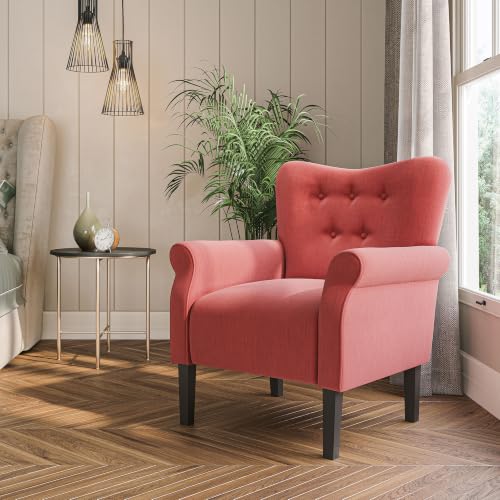

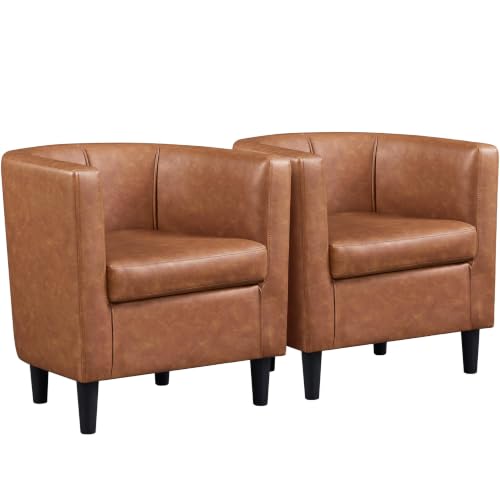


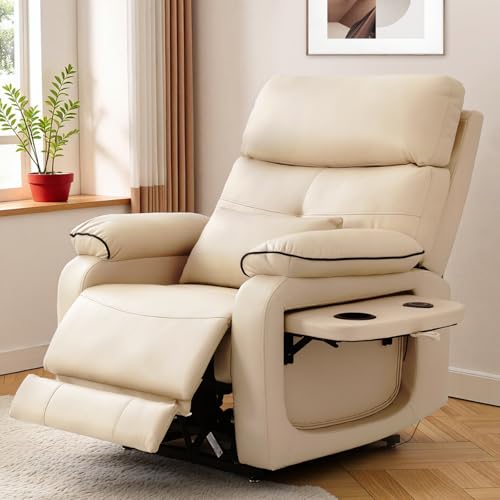
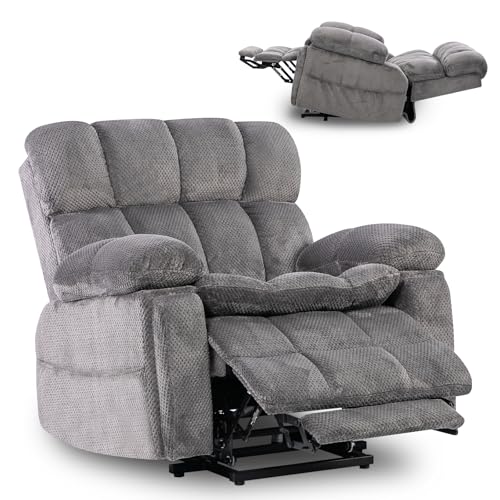

Who Benefits Most From a Chair Shaped for Later Life?
Readers Who Sit for Long Stretches
If you read, knit, or watch television for an hour or more at a time, look for steady lumbar support, a seat that does not sink in the middle, and a back that supports your shoulders without pushing your head forward. A slightly upright back often works better than a deep recline for reading, because it keeps a book or a screen at a comfortable distance. Armrests at elbow height also help you hold a book without raising your shoulders.
People Who Need a Steady Push to Stand
For anyone who uses the arms to rise, the arms are a safety feature, not a decoration. They should be firm, fixed in place, and easy to grip from the front and the side. A seat height that leaves your knees near a right angle makes standing simpler than a very low seat. A heavy base or a wide footprint also helps, because the chair should stay put when you press down on the arms.
Households That Move Chairs Between Rooms
Some buyers want a chair that can move from a living room to a porch or a bedroom without a struggle. In that case, total weight, grip points, and floor glides matter as much as cushioning. A lighter frame with sturdy handles or a shape you can hold safely is easier to manage than a very heavy chair, even if the heavier chair feels more solid when you first sit in it. For seats used outside the main living room, see our guide to the best outdoor chairs for seniors for shapes that handle porches and patios well.
What Each Spending Level Usually Buys
Prices vary widely, and a higher price does not always mean a better fit for your body. The levels below describe what you commonly get at each range, so you can decide where extra spending helps and where it does not.
Modest Spending: Simple and Sturdy Basics
At about $80 to $180, you can expect a simple frame, basic foam, and limited adjustment. The best choices at this level focus on the essentials: a sensible seat height, firm arms, and a stable base. You may give up reclining controls, premium fabric, or a wide range of sizes, but a well shaped basic chair can still be comfortable for everyday sitting.
Middle Spending: Better Cushioning and Adjustment
At about $180 to $450, chairs often add denser foam, adjustable seat height, better lumbar support, and stronger frames. This range suits people who sit for long periods or who need a precise fit, because small changes in seat height or back angle can make a real difference to comfort. Look for controls that are easy to reach and easy to understand, rather than a long list of levers.
Higher Spending: Refined Comfort and Stronger Build
At about $450 to $900, you may find wider size choices, higher grade upholstery, smoother reclining motion, and frames built for heavier daily use. Spending at this level makes most sense when you need a specific size, a very firm seat, or a chair that will be used for many hours every day. It does not make sense to pay extra for powered features you will rarely use. If a reclined seat appeals to you, compare reclining shapes in our guide to the best recliner chairs for seniors before you settle on a fixed back chair.
Features Worth Paying For and Ones to Skip
What Seniors Should Look For First
Start with seat height, seat depth, and arm height, because those three measurements decide whether a chair feels easy or awkward. A seat that is too deep can leave your feet dangling or force you to slide forward, while a seat that is too shallow gives poor thigh support. Measure your knee height while seated and compare it with the seat height before you order.
Warranty and Return Policy
A clear warranty on the frame and the lifting mechanism matters more than a long list of small print promises. Check how long the frame is covered, whether moving parts are included, and what happens if a lever or a glide breaks. A fair return policy also matters, because a chair that feels right in a showroom may feel different after a full week at home.
Ergonomics and Adjustability
Good ergonomics for later life means support that follows the natural curve of the lower back, a seat that keeps your hips level, and arms that let your shoulders rest. Adjustable armrests and a tilt lock can help, but only if the controls are within easy reach and do not require much force. Avoid chairs with fiddly dials hidden underneath the seat.
Style and Room Fit
Color and style matter because a chair you like looking at is a chair you will use happily. Still, room fit comes first: leave space to walk around the chair, to recline if it reclines, and to stand beside it without bumping a table. A compact chair can suit a small room, while a wider chair may suit a larger living space and a taller frame. For outdoor seating that must match a patio layout, see our guide to the best patio chairs for seniors.
Trying a Chair Before You Buy
A short sit test tells you more than a photograph, so sit in a chair the way you will use it at home. Sit down without holding furniture for balance, rest your feet flat, and try standing again using only the arms. Notice whether the seat edge presses behind your knees, whether your shoulders stay relaxed, and whether the chair shifts when you lean forward. Repeat the test after a few minutes, because a seat that feels fine for thirty seconds can feel very different after ten minutes.
When you cannot try a chair in person, check the return policy and the measurements twice before ordering. Ask a family member to help with assembly and to watch how the chair behaves on your own floors, since a smooth showroom floor can hide a wobble that appears on carpet or tile. Keep the packaging until you are sure the chair suits you, so a return stays simple if the fit is wrong.
Chairs for Specific Needs
Best Shower Chairs for Seniors
Shower chairs differ from living room chairs in three important ways: they must resist water, drain quickly, and stay steady on a wet floor. Look for rust resistant materials, drainage holes in the seat, and rubber feet that grip tile. A backrest and side arms help with balance, and a height adjustment lets you set the seat so your feet rest flat. If you feel unsteady, dizzy, or unsure on wet floors, talk with a doctor or a home care professional about the safest setup for your bathroom.
Long Term Costs to Factor In
The purchase price is only part of the total cost. Over time you may need replacement glides, new cushion covers, or repairs to a reclining mechanism. Washable covers can save money compared with professional cleaning, and a sturdy frame usually costs less over several years than replacing a weak chair twice. Keep the receipt and the warranty details in one place so a claim is simple if a part fails.
Frequently Asked Questions
What makes chairs for seniors different from ordinary chairs?
Chairs shaped for later life put ease of standing, stable support, and simple controls ahead of fashion alone. Seat height tends to be higher, arms tend to be firmer and easier to grip, and the base tends to stay steady when you lean on it. Ordinary chairs may look similar but can be too low, too soft, or too light to support a safe rise. The right chair should let you sit down and stand up without a struggle or a sudden shift.
How do I choose the right size chair for an older adult?
Start by measuring while seated on a firm surface: note the height from the floor to the back of the knee, the width across the hips, and the length from the back of the hip to the back of the knee. Compare those numbers with the seat height, seat width, and seat depth of any chair you consider. Leave a small gap behind the knee so circulation is not pinched, and check that the feet rest flat on the floor. Trying a similar chair in person can confirm a measurement that looks right on paper.
What features matter most for sitting comfortably for long hours?
For long sitting, dense foam that keeps its shape matters more than very soft foam that sinks within weeks. A supportive lower back curve, arms at elbow height, and a seat edge that does not press into the thighs also help. Breathable fabric can keep you cooler than a sealed surface on warm days. If you sit for very long stretches, plan short breaks to stand and move, and ask a doctor about any numbness, swelling, or pain that persists.
How long should a good chair last?
A well built chair used every day often lasts about five to ten years, depending on the frame, the foam, and how much weight it carries. Signs that a chair is wearing out include a seat that sags in the middle, arms that wobble, a recliner that sticks, or fabric that tears at the seams. Regular care, such as tightening bolts and cleaning spills promptly, can extend its life. Replace a chair promptly if the frame cracks or the base no longer feels steady.
Is an expensive chair worth it for an older adult?
An expensive chair is worth it only when the extra cost buys a better fit, stronger support, or a feature you will use every day. A precise seat height, a wider size range, or a smoother reclining motion can justify a higher price for a daily chair. A basic chair may serve just as well for occasional use in a spare room. Compare the product table above with your own measurements before deciding, and do not pay extra for powered extras that add complexity without comfort.
Final Thoughts
The best choice comes down to three checks: a seat height that lets you stand with ease, arms that feel steady under your hands, and a frame that stays put. Use the product table above to compare types side by side, then test your shortlist against your own measurements and your room. If standing, balance, or persistent pain is a concern, talk with a doctor about what support suits you best before you buy. For most buyers, the best chairs for seniors are the ones that feel safe, steady, and comfortable on the first sit and still feel that way after a long afternoon.


