
Best Chairs for RV: Which One Fits the Way You Use It? for 2026
Disclosure: We may earn a commission when you buy through links on this page, at no extra cost to you. As an Amazon Associate I earn from qualifying purchases. Learn more

Best chairs for rv matched to your floor space and routine, with notes on size, support, materials and storage.
There is no single seat that suits every RV routine, because the best chairs for rv use depend on how you actually spend your days. A chair that feels perfect for slow evenings at the dinette may crowd the walkway, block a cabinet, or prove too heavy to move when you set up camp and then pack up again two days later.
Start with your routine instead of a feature list. Note where you sit for meals, work, driving, reading, and time outside, then measure the floor space each spot can truly give up. The comparison table below helps you sort options by footprint, weight, and support, so you can match a style to your layout before you fall for a fabric or a cushion color.
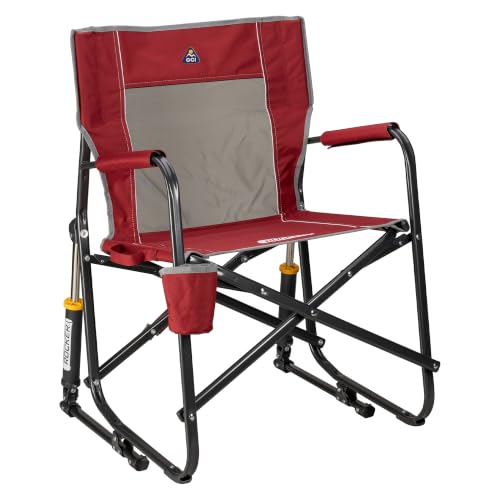
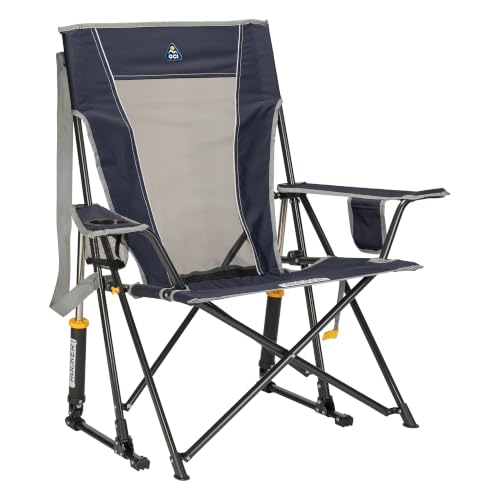


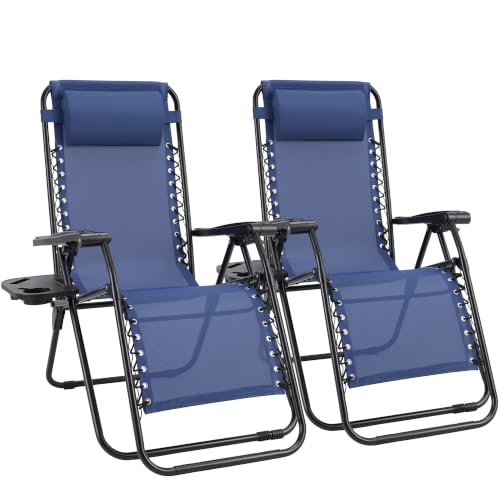


Who Should Buy Which Chairs?
RV seating does several jobs in a very small footprint. The same chair might serve at the table in the morning, face a laptop at noon, and turn toward a window in the evening. Buyers who name their main use first tend to choose better, because that use decides the seat height, the back support, the swivel range, and how much floor space the chair can occupy without making the rig feel cramped.
For People Who Want the Best Performance
You travel often, sit for long stretches, and notice small comfort flaws quickly. Premium construction earns its price through firmer foam that holds its shape, smoother swivel and recline hardware, stronger frames, and fabrics that resist fading and abrasion. For cab seating on long driving days, see our guide to the best rv captains chairs for notes on bases and belt fit.
For First Time Buyers
Your first RV chair should be simple to place, simple to move, and forgiving while you learn how you really use your space. Choose a modest footprint, a seat height that works at your table, and a fabric you can wipe clean after meals. Many new owners start with versatile dining seats, and our guide to the best rv folding chairs explains how folding designs store between trips. Avoid buying a full set at once.
For Value Seekers
You want solid comfort without paying for extras you will rarely touch. Budget models can serve well when the frame feels rigid, the foam is firm rather than marshmallow soft, and the cover resists stains. Spend on the chair you use daily, perhaps the dinette or desk seat, and save on a spare that comes out only for guests. Replaceable cushions and covers that you can order later add real value, because one worn seat pad should not force you to replace the whole chair.
Picking the Right Chairs for Different Uses
Use case decides almost everything in an RV. A driving seat must anchor securely and support your back against road vibration. A dining chair must slide close to the table and let your feet rest flat. A lounge chair needs room to recline without hitting a wall. An outdoor chair must shrug off dew and store in a bay. That is why general lists of the best chairs for rv mean little until you name the job first, and most poor choices disappear before price even enters the picture.
Best Portable Chairs for RV: What to Prioritize
Portable here means you will move the chair often, so its carried weight and folded size matter more than plush padding. Look for a frame you can lift with one hand, a fold that stays closed, and legs that will not scratch interior floors when you bring the chair inside. If portable for you means carrying a seat out to the fire ring each evening, see our guide to the best rv camp chairs for carry and storage details. A carry strap or handle sounds minor until you are hauling chairs, a grill, and a cooler in one trip.
Relaxing is its own use case, and it deserves its own space check. A recliner that feels wonderful in a showroom can swallow half your living area and still lack room to extend. If evening lounging is your priority, see our guide to the best rv lounge chairs for recline clearance and swivel notes. Measure both the upright footprint and the full recline reach, and check that a slide wall, a pet bed, or a side table will not block the footrest halfway out.
Outdoor sitting has different demands again. Sun, dew, and grit punish indoor fabrics, and a chair stored in an outside bay needs a frame that tolerates damp air. For seats that will live mostly under the awning, see our guide to the best outdoor chairs for rv for material and drainage guidance.
Key Features to Compare
With your main use clear, compare the features that change daily comfort in a small space. The product table above gathers the basics in one place, but the sections below explain what those numbers feel like once the chair is in your rig. Focus on fit, support, and movement first, since those are hard to fix later, and treat color and styling as the final tie breaker between chairs that already fit.
Ergonomics and Adjustability
Good support starts with seat height. Your feet should rest flat on the floor with your knees near a right angle, and the seat front should not press into the back of your legs. Lumbar support should meet the curve of your lower back rather than pushing at your shoulders. A mesh back breathes well in warm weather, while high density foam cushions feel firmer and hold shape longer. Adjustable armrests help when you switch between dining and typing, and a tilt lock lets you hold a slight recline without constant muscle effort.
Size, Dimensions, and Weight Capacity
Measure the space three ways before you order. First, note the floor footprint with every slide in travel position and again at camp. Second, measure your doorway and the tightest turn inside, because a chair that fits the room may never reach it. Third, check seat height against your table height, leaving comfortable room for your legs beneath the table edge. Respect the stated weight capacity with a real margin for daily use, and remember that the chair weight itself counts against your payload, so four heavy chairs can add more load than you expect.
Features That Matter for RV
RV life adds stresses that house furniture never faces. Road vibration loosens fasteners, temperature swings work on glues and vinyl, and humidity from cooking and showers reaches every corner. Compact and space saving models earn their keep by folding, stacking, or swiveling within a tight radius. A swivel base needs clearance on every side, and any chair used while the vehicle moves must be designed and anchored for travel. Multipurpose designs help most in small rigs, where one chair that works for dining, work, and reading beats three single purpose seats.
Assembly and Delivery
Many RV chairs arrive in a few large pieces, and the box may be wider than your door even when the finished chair fits easily. Read the stated box dimensions, not just the chair dimensions, before you order. Most designs need only basic tools and about twenty to forty minutes, though a second person helps when you align a swivel base or lift a recliner section. Keep the instructions and any spare bolts in the rig.
Common Mistakes to Avoid When Buying Chairs
- Choosing on price alone, because a bargain chair with weak foam often feels tired within a season and costs more to replace.
- Skipping the doorway measurement, because a chair that cannot pass the entry or the hallway turn has to go back.
- Buying an oversized recliner for a small rig, because it can block cabinets, pin the walkway, and crowd the table.
- Ignoring weight capacity and chair weight, because both affect safety margins and the payload you have left for gear.
- Forgetting travel storage, because an unsecured chair can slide, tip, and damage walls or itself while you drive.
- Picking delicate fabric for a rig with pets or kids, because claws, spills, and grit wear pale upholstery out fast.
How to Make Your Chair Last Longer
Care for an RV chair starts with movement. Tighten bolts and base fasteners every few months, and sooner if you hear a new squeak or feel a wobble, because road vibration works hardware loose faster than home use ever does. After a rough road day, check swivel stops and recline hardware for play, and clear grit from tracks and hinges before it grinds into the moving parts.
Upholstery lasts longer when grit never settles in. Vacuum seams and crevices regularly, wipe vinyl and coated fabrics with a damp cloth, and let outdoor used cushions dry fully before you close them into a storage bay. Keep chairs out of harsh sun when parked for long stays, since ultraviolet light fades fabric and dries vinyl until it cracks. Store folding chairs dry and latched, and avoid stacking heavy gear on cushions during travel, because constant pressure leaves foam flattened in one spot.
FAQ
What features matter most in chairs for an RV?
Fit, support, and storage matter most in chairs for an RV. Start with the footprint and doorway fit, then check lumbar support, seat height, and the stated capacity. One point buyers often miss is daily handling: if you will move the chair every day, its weight and grip points matter as much as cushion comfort. A chair you dread moving will end up parked in the way, no matter how good it felt in the store.
Is an expensive RV chair worth it?
An expensive RV chair is worth it when you sit in it daily and the extra cost buys parts you can replace. Better frames, denser foam, and stronger recline hardware hold up under constant use and road vibration. Look for a warranty that covers the mechanism, not just the fabric, and for cushions sold separately later.
What features matter most in an RV chair for long hours?
Seat depth and back angle matter most in an RV chair used for long hours. The seat should support your thighs without pressing behind your knees, and the back should let you shift between upright work and a slight recline. Add a small footrest or ottoman if your feet dangle, and stand and stretch every hour or so, because even a well fitted chair cannot offset a full day without movement. A breathable back also helps on warm days without air conditioning.
How long should a good RV chair last?
A good RV chair should last about five to eight years of regular use, depending on foam quality, fabric, and how often the rig travels. Early wear signs include foam that stays dented by morning, fabric thinning at the seat front, and a swivel that rocks side to side. Catching those signs early helps, because a new cushion or a tightened base can add seasons of use, while a cracked frame or a failed recline mechanism usually means replacement is the safer choice.
How do I choose the right size RV chair?
Choose the right size RV chair by testing the footprint on your own floor before you buy. Tape the chair outline on the floor in its upright and reclined positions, then walk past it, open nearby cabinets, and sit at the table in that spot for a meal. This simple trial reveals pinch points that raw dimensions hide. Also sit in a similar chair wearing the shoes you travel in, since footwear changes the seat height your legs prefer.
Our Verdict
The right choice comes down to three checks. First, the chair must fit your floor, your doorway, and your travel storage without blocking daily movement. Second, it must match your main use, whether that is dining, driving, working, or relaxing. Third, its support and capacity must suit your body for the hours you actually sit. Use the product table above to compare the finalists against those three checks, and the best chairs for rv pick for your rig will usually be the one that passes all three without compromise.


