
Best Chairs for Round Table: Budget, Midrange, and Premium Picks for 2026
Disclosure: We may earn a commission when you buy through links on this page, at no extra cost to you. As an Amazon Associate I earn from qualifying purchases. Learn more

Chair counts, widths and price tiers for the best chairs for round table, so every seat fits the curve.
A round table looks simple to furnish until you start counting chairs and measuring widths. Choosing the best chairs for round table in your home starts with fit, because a chair that crowds the curve or bumps the table edge will annoy you at every meal. The comparison table below lets you compare sizes, materials, and prices side by side.
Prices stretch from basic budget models to solid wood pieces costing several times more. This guide explains what each price range delivers, which features deserve your money, and which extras you can skip.

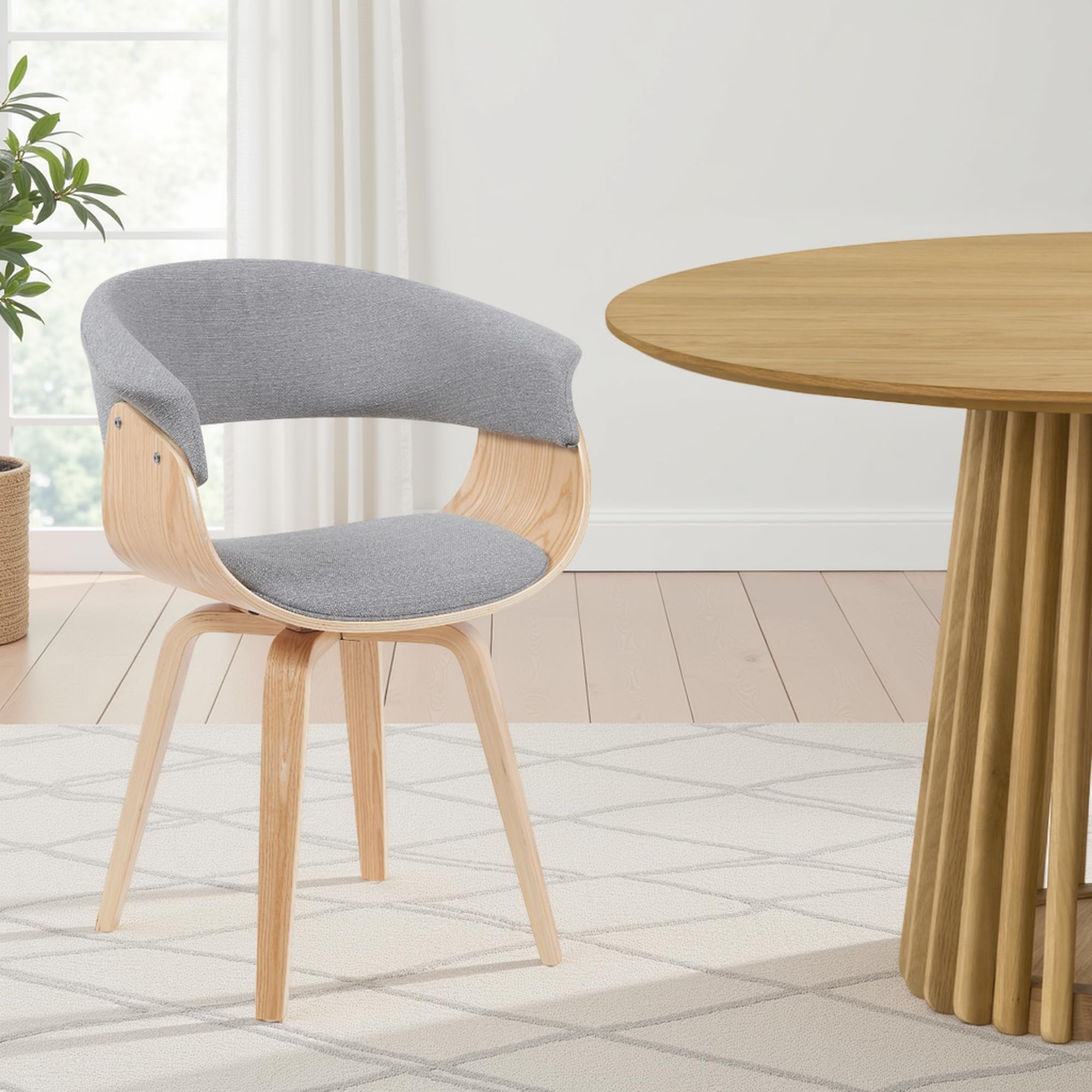


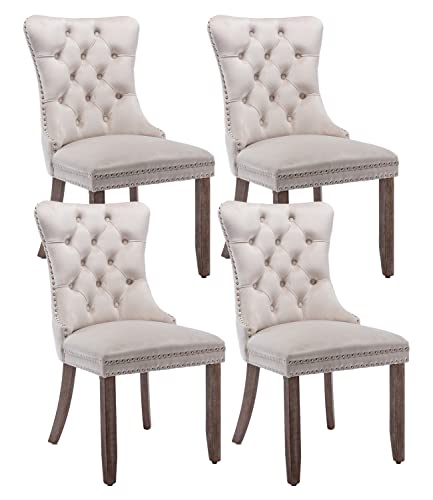
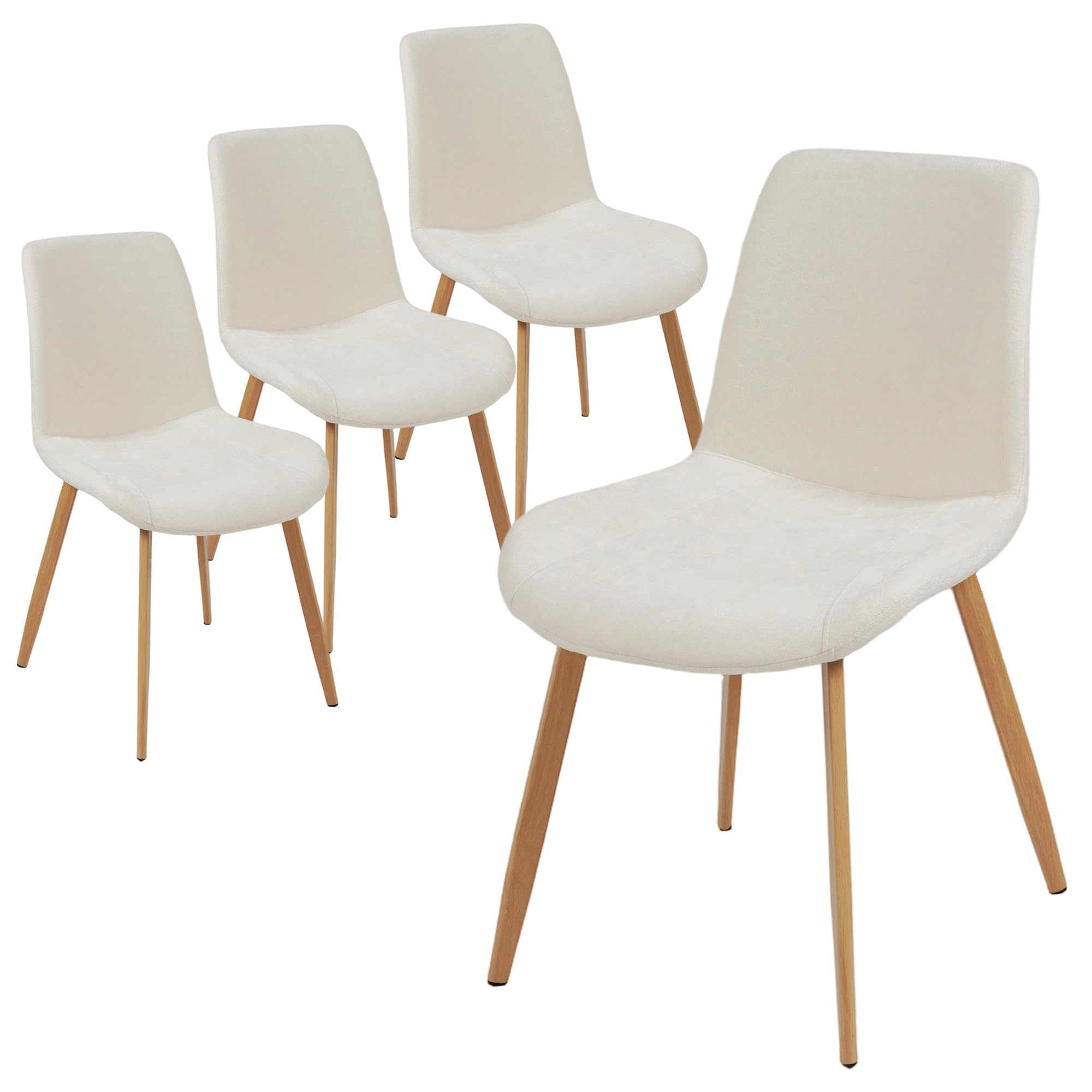
How to Choose the Right Number and Size of Chairs
Round tables reward careful sizing, because every chair sits along a curve and space per person shrinks as chairs get wider. Work through the three questions below before fabrics and finishes, and use the product table above to check widths and depths.
How Many Chairs Fit Around a Round Table
Allow about 24 inches of table edge for each person so elbows stay off a neighbor and plates sit comfortably. A table about 36 to 42 inches across seats three to four people, a 48 inch table seats four to five, and a 54 to 60 inch table seats five to six. A 72 inch table can seat eight, though conversation across it gets harder. When in doubt, choose the lower count if your chairs are wide or upholstered.
Chair Width and the Space Between Chairs
Most dining chairs run about 16 to 20 inches wide at the seat, and fully upholstered styles often reach 22 inches or more. Leave at least 2 to 3 inches between neighboring chairs so guests can sit and stand without dragging a chair sideways. Armless chairs pack along a curve far better than armchairs, so many setups use armless side chairs all around. Compact and space saving models with slim legs can add a seat at smaller tables without crowding the room.
Room to Pull Out and Sit Down
A chair needs about 24 to 36 inches of clear floor behind it so a seated guest has leg room and others can walk past. Measure from the table edge to the nearest wall, sideboard, or doorway swing. A central pedestal base leaves more knee room than four corner legs. If your table stands on one column, see our guide to the best chairs for round pedestal table for leg shapes that clear a pedestal base cleanly.
What Your Money Gets You at Each Price Tier
Chair prices are quoted per chair, while round tables need four to six, so small gaps grow fast across a set. The tiers below show what each level reasonably delivers, and how most shoppers judge the best chairs for round table value once a full set is priced out.
Budget Tier: What to Expect
Budget models priced between about $50 and $100 per chair usually pair a simple metal or engineered wood frame with a thin foam pad and plain fabric or a molded seat. They suit first apartments, rentals, and spare seating for guests. Expect lighter weight and simpler joints. Spend on correct size and a sturdy frame rather than decoration, and check weight capacity carefully because it is often lowest in this tier.
Midrange Tier: The Sweet Spot for Most Buyers
Chairs priced between about $100 and $250 per chair typically bring solid wood legs or a stronger metal frame, denser seat foam, and fabrics that resist stains and fading. Joinery feels tighter, chairs wobble less, and matching extras are easier to find later. For households that eat at the table daily, this tier balances comfort, looks, and service life best.
Premium Tier: When Spending More Pays Off
Premium chairs priced between about $250 and $500 per chair use solid hardwood frames, quality joinery, and leather or performance fabrics over resilient foam. The gains are specific: sturdier, quieter movement, seats that stay comfortable through a two hour dinner, and finishes you can repair rather than replace. This tier makes sense when the table is your main dining spot and you plan to keep the set for a decade.
Features Worth Paying For (and Ones to Skip)
Feature lists can make a modest chair sound luxurious. The four areas below separate details that change fit and daily feel from extras that mostly change the listing.
Size, Dimensions, and Weight Capacity
Seat height is the dimension buyers get wrong most often. Most round dining tables stand about 28 to 30 inches high, and a seat height of about 17 to 19 inches leaves comfortable thigh room. If the table has an apron, keep at least 7 inches between the seat and the apron bottom. Seat depth of about 16 to 18 inches supports most adults without pressing behind the knees. Weight capacity of at least 250 pounds per chair is a sensible floor for family use.
Features That Matter for a Round Table
A curved or slightly rounded back follows the line of a round table and lets chairs sit closer to the edge without awkward gaps. Arms deserve care: an armchair only works if the arms slide fully under the tabletop or apron, so compare arm height with your clearance first. Legs that angle outward can clash with a pedestal base or rug edge, while straight legs tuck in neatly.
Glass tops add a wrinkle, because everything under the table stays visible and chair legs become part of the design. Slim frames look better through glass than heavy carved legs, and felt pads matter more because metal feet can scratch the floor in full view. If your tabletop is glass, see our guide to the best chairs for round glass dining table for style and floor protection advice.
Ergonomics and Adjustability
Comfort at a dining table comes mostly from seat padding and back shape rather than adjustments. High density foam keeps its shape far longer than soft low density padding, and a back with gentle lumbar support lets guests sit through long meals without shifting. A truly ergonomic curved back matters more than decorative tufting. If your table doubles as a desk, a mesh back, adjustable armrests, and a tilt lock can help during long work hours.
Warranty and Return Policy
Chairs are bulky, so the return policy matters almost as much as the warranty. Look for a window long enough to try the chairs at your own table for several meals, and keep the boxes until you are sure. Frame coverage of one to five years is common in midrange and premium tiers, while fabric and foam often get shorter coverage or none.
Chairs for Specific Needs and Budgets
Two buyers can measure the same table and still need different chairs. One wants a matched set that arrives with the table, and the other is furnishing a dining room where the set is the visual center.
Best Chairs with Round Table: Where Your Money Goes
When you shop for the best chairs with round table sets sold together, your money goes toward a guaranteed match of finish, height, and proportion, plus simpler delivery and one warranty. Sets remove the guesswork of pairing seat height with a table apron, the most common pairing mistake. The trade off is less freedom to mix styles or replace one chair differently later. If a matched set appeals, compare full sets in our guide to the best table and chairs before committing to separate pieces.
Best Dining Room Chairs for a Round Table: Where Your Money Goes
Shoppers focused on the best dining room chairs for a round table usually spend more on upholstery, back height, and fabrics that handle spills and frequent cleaning. A taller back suits a formal room and supports guests better, while performance fabrics protect that investment at family meals. For more dining room comparisons, see our guide to the best chairs for a round dining table before you order.
Common Mistakes to Avoid
- Buying armchairs without measuring apron clearance, so the arms hit the table edge and never tuck in.
- Counting seats from diameter alone, so wide chairs crowd the curve and guests sit elbow to elbow.
- Choosing seat height that ignores the apron, so taller guests bump their thighs at every meal.
- Matching a bulky chair style to a small table, so the set overwhelms a compact dining space.
- Ordering a full set before sitting in one chair, so a comfort problem multiplies across every chair.
- Forgetting the walkway behind the chairs, so seated guests block the path to the kitchen.
Long Term Costs to Factor In
The purchase price is only part of what a set costs you. Upholstered seats may need professional cleaning every year or two. Replacement felt pads, touch up pens, and spare floor glides are cheap but worth budgeting for. Buying one extra matching chair while the style is still sold can save a whole set when one chair breaks later.
Dust wood frames with a dry or slightly damp cloth, and blot spills on upholstery right away instead of rubbing them. Check the bolts under each seat about twice a year, because regular use loosens them slowly. Tighten a bolt as soon as you feel a wobble, since a rocking joint wears the frame holes wider. Rotate chairs near a sunny window, because uneven fading shows quickly on a matched set.
Frequently Asked Questions
What features matter most in dining chairs for a round table?
Fit comes first: correct seat height, a width that matches your table diameter, and arms that clear the apron if you want them. Next, consider back height, because a very tall back can block sight lines across a round table and close in a small room. A moderate back keeps conversation easy and lets light pass over the table. Then judge padding and frame strength.
How do I choose the right chair size for a round table?
Start with the measurements in the sizing sections above, then test the layout before your return window closes. Tape the footprint of each chair on the floor around your table, including the space it needs when pulled out. Live with the outline for a day and walk your normal paths. If the tape blocks a doorway or serving route, drop one chair or choose a narrower style before spending anything.
What features help chairs for a round table stay comfortable through long meals?
A supportive seat and a back that meets your lower back do most of the work, but one detail often gets missed. A front seat edge that slopes down slightly, called a waterfall edge, reduces pressure under your thighs during long dinners. A footrest rung helps shorter guests whose feet do not rest flat on the floor. Favor padded seats over bare wood for long meals, and add thin cushions only if thigh room under the apron allows.
How long should a good dining chair for a round table last?
A well built midrange or premium chair should serve about seven to ten years of daily use, while light budget chairs often show loose joints and flat padding within two to four years. Upholstery often wears first, so a removable seat pad you can recover keeps a chair in service longer.
Is an expensive dining chair for a round table worth the extra cost?
It can be, once you spread the price over its working life. A chair at around $300 that lasts ten years costs about $30 per year, while a chair at around $75 replaced every three years costs about $25 per year with wobblier seating throughout. The math favors premium chairs when you eat at the table daily and plan to stay put. For a temporary home or rarely used formal room, it favors midrange or budget chairs.
Final Thoughts
The right chairs make a round table the most social seat in the house, and the wrong ones make every meal feel crowded. Measure your diameter, count seats honestly, check seat height against the apron, and spend according to how often the table gets used. Compare sizes and prices in the product table above, and your best chairs for round table choice will hold up meal after meal.


