
Best Chairs for Round Glass Dining Table: Everything to Know Before Your First Purchase for 2026
Disclosure: We may earn a commission when you buy through links on this page, at no extra cost to you. As an Amazon Associate I earn from qualifying purchases. Learn more

Shopping for the best chairs for round glass dining table for the first time? Learn the terms, compare options, and avoid rookie mistakes with this easy guide.
Buying dining chairs for the first time can feel oddly tricky when your table is round and made of glass. The shape leaves no corners to line things up against, and the clear top shows every leg, shadow, and floor mark. This guide walks you through the best chairs for round glass dining table choices step by step, starting with plain language basics and ending with sizing, spacing, and care.
Work through the sections below before you order, and use the comparison table below to check measurements side by side as you go. A few minutes with a tape measure now will save you the cost and hassle of returning bulky furniture later.

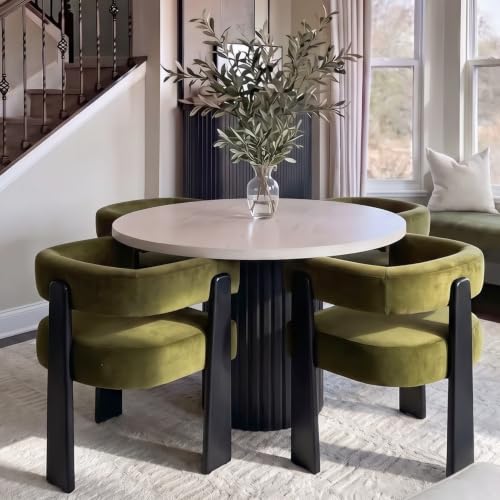

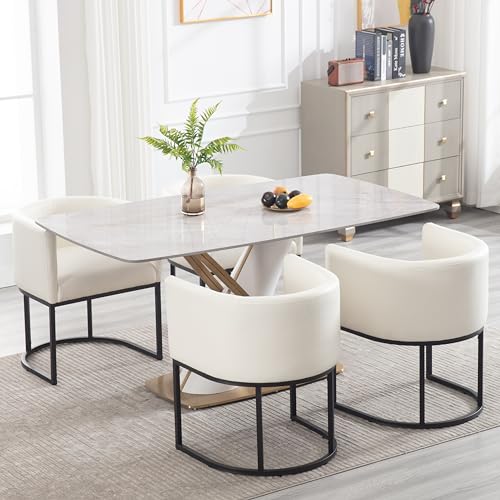
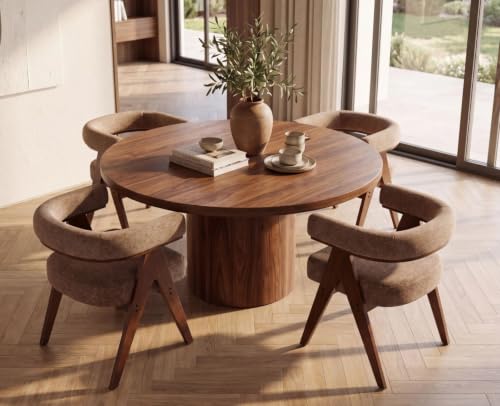



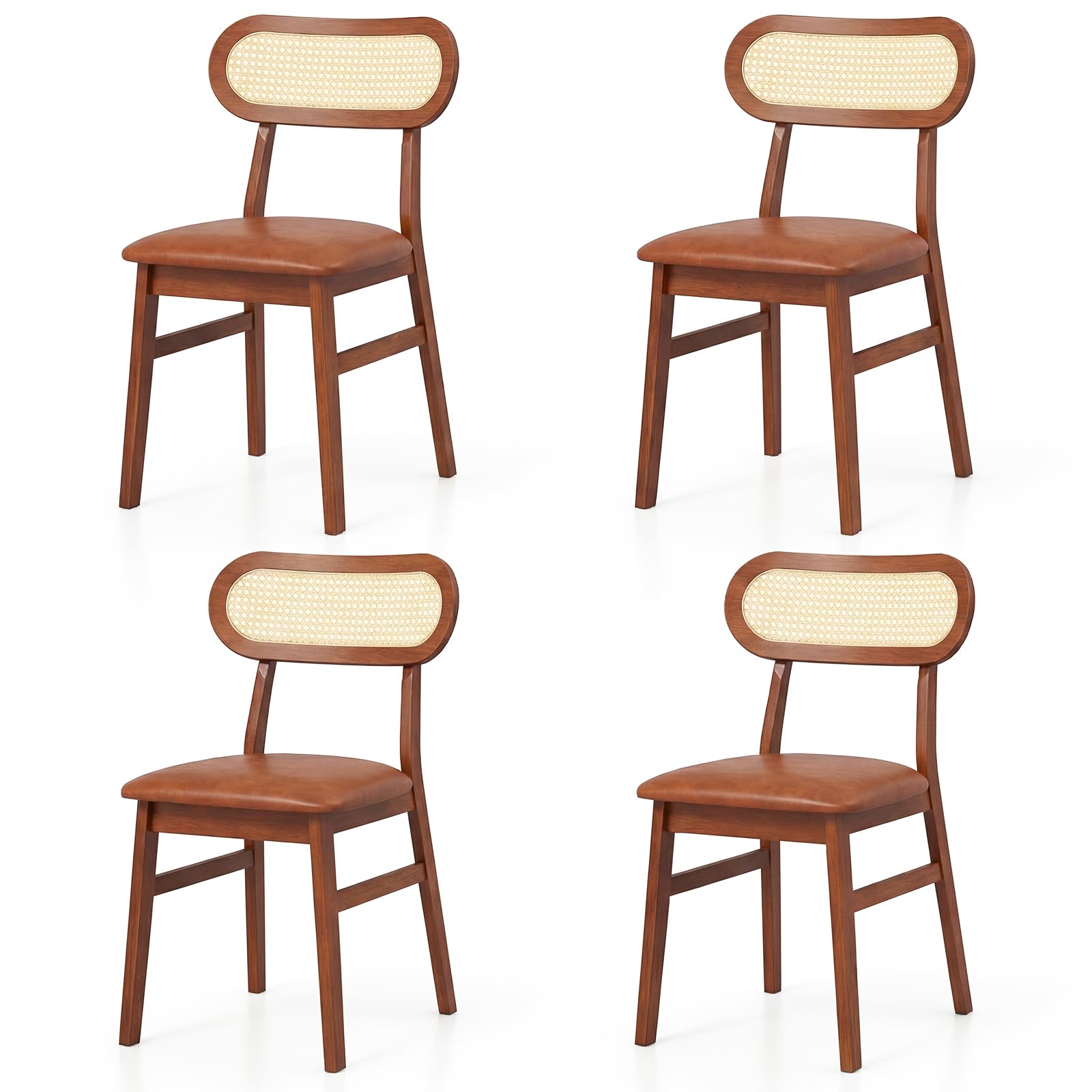

Chairs 101: The Basics for a Glass Top Table
A dining chair does three jobs at once. It holds you at the right height for eating, it supports your back through a long meal, and it fills visual space around the table. With a glass top, that third job matters more than usual, because you can see the whole chair through the surface instead of just the part above the edge.
That visibility is why proportions matter so much here. A chair that looks fine next to a solid wood table can look heavy and crowded under glass, simply because nothing is hidden. Slim legs, open backs, and lighter frames tend to suit the airy feel of glass, while bulky skirted bases can make a small room feel closed in.
If you are still deciding whether glass is even the right table material for your household, start by reading about the best dining chairs for glass table setups in general, then come back here for the round shape specifics. Round tables change the math on chair count and spacing, and those details are covered in the sizing guidance below.
Key Specs Explained in Plain English
Product listings throw a lot of terms at you, and many of them come from office chair shopping, where they mean something different. The sections below translate the specs that actually matter at a dining table, and they tell you what range or feature to look for in each case. Keep your table diameter, table height, and floor type noted on your phone while you read. The best chairs for round glass dining table setups share a few common traits, and each spec below maps back to one of them.
Features That Matter for a Round Glass Dining Table
Two features lead the list: a back shape that echoes the curve of the table, and a footprint that stays narrow at the floor. Curved or rounded chair backs sit comfortably against a round edge, while square bulky backs can look and feel awkward where the table edge falls away. Tapered legs and sled bases both work, but four wide splayed legs per chair eat floor space fast. Also look for protective glides on every leg, because sliding chairs across the floor under a glass top is the main source of scratches and chips.
Ergonomics and Adjustability
Dining chairs rarely adjust, so ergonomic fit comes from fixed measurements instead of dials and levers. Look for a seat height of about 17 to 19 inches for a standard table, a seat depth near 16 to 18 inches, and a back that meets your shoulder blades without forcing you upright. Terms like tilt lock and adjustable armrests belong to desk chairs and do not apply here. What does apply is gentle lumbar support shaped into the backrest, and arms, if you want them, that slide fully under the table apron.
Warranty and Return Policy
Because you cannot judge visual fit from a photo alone, the return policy matters as much as the warranty on this purchase. Check how many days you have to send chairs back, whether return shipping is covered, and whether you must keep the original boxes. For the warranty itself, look for coverage on the frame and joints rather than fabric alone, since a wobbling leg joint is the most common failure. Keep your order records until every chair has passed a week of daily use.
Comfort and Cushioning
Comfort at a dining table is about the second hour, not the first five minutes. High density foam holds its shape through long dinners, while thin low density padding flattens quickly and leaves you sitting on the seat frame. A slightly dished or waterfall front seat edge helps circulation in your legs during slow meals. If you prefer unpadded wood or molded seats, plan on adding thin seat pads for guests who linger, and choose pads with grip backing so they stay put on smooth surfaces.
Assembly and Delivery
Most dining chairs arrive with the legs or back detached, and typical assembly takes about 10 to 20 minutes per chair with an included hex key. Check whether the listing states the number of boxes, since a set of six may arrive in two or three cartons on different days. Inspect every part against the parts list before you start, and photograph any damage to a leg or glide right away. Save the hardware bag until all chairs are built, because listings often include one spare bolt set per carton.
Build Quality and Frame
The frame decides how long the chair feels solid. Solid wood and powder coated steel frames both hold up well, and reinforced corner blocks under the seat are a good sign on wooden chairs. Check the stated weight capacity and choose chairs rated comfortably above the heaviest regular user, with many sturdy models rated around 250 to 300 pounds. A product photo tells you nothing about wobble, so read the joinery description instead. Screwed and glued joints outlast joints held by staples alone.
Rookie Mistakes to Avoid
First time buyers tend to make the same handful of errors with round glass tables. Each one below is easy to prevent once you know to look for it.
- Ordering too many chairs for the table diameter, so elbows collide and nobody can slide in or out with ease.
- Skipping the apron measurement, so chair arms hit the support frame under the glass and the chair never tucks in.
- Choosing chairs with no leg glides, so every slide risks scratching the floor and jarring the glass top.
- Matching the chair finish to the table base by guessing from photos, so the tones clash badly in real light.
- Buying a full set before testing one chair, so a poor seat height or hard back gets multiplied by six.
Getting Started: Setup and First Use
Unbox your chairs on a rug or blanket, never directly beside the glass top where a dropped tool can do damage. Assemble each chair fully, but leave the bolts finger tight until the chair stands on a flat surface, then snug them down in a cross pattern. This small step lets the legs settle evenly and prevents the rocking that buyers often blame on the floor.
Before the first meal, do a slide test. Sit down, stand up, and pull each chair in and out several times while watching the glides and listening for scraping. Confirm that feet rest flat on the floor when you are seated and that your thighs clear the underside of the table. If you are comparing shapes for a smaller room, our notes on the best chairs for round table layouts cover compact footprints in more depth.
Spacing is the last setup step. Allow about 24 inches of table edge per person, which means a 48 inch round table seats four comfortably and five only in a pinch. Walk behind the seated chairs and confirm you have roughly 24 to 36 inches of clearance to the wall or sideboard, so people can pass without asking anyone to scoot in.
How to Make Your Dining Chairs Last Longer
Care for these chairs is mostly about joints, glides, and surfaces. Recheck the leg bolts every few months and tighten any that have worked loose, because a chair that flexes will wear its joints out far faster than a chair that stays rigid. Replace worn glides as soon as they thin out, since the glide is the only thing between a hard leg end and your floor.
Clean upholstery with the method the maker lists for that fabric, and blot spills rather than scrubbing, which pushes liquid deeper into foam. For glass specific habits, lift chairs instead of dragging them when you mop, and keep grit off the floor under the table, because trapped grit under a glide acts like sandpaper. Readers comparing upkeep across table types may also find our guide to the best chairs for glass table pairings useful for cleaning routines.
FAQs
What features matter most in chairs for a round glass dining table?
Curved back shape, a narrow footprint, and protective leg glides matter most. Those three decide how the chair looks through the glass, how many seats fit around the curve, and whether daily sliding damages your floor. After that, check seat height against your table. As you compare the best dining chairs for round glass table listings, weigh these fit points ahead of decorative details like nailhead trim.
What features matter most in dining chairs for long meals?
Seat padding that stays supportive and a backrest with shaped lower back support matter most for long meals. High density foam, a seat depth that lets your feet rest flat, and a back tall enough to lean against all extend comfortable sitting time. One point buyers overlook is seat width. A slightly wider seat lets you shift position during a long dinner, which matters more than extra softness.
How do I choose the right size dining chair for a round glass table?
Start with table diameter, then allow about 24 inches of edge per seat to get your chair count. Match seat height to table height, leaving roughly 10 to 12 inches between the seat and the tabletop. Measure the apron height too, and keep chair arms at least an inch below it. If your room is tight, compact space saving models with armless frames buy back several inches per seat. For broader shape guidance, see our overview of the best chairs for a round dining table before you commit.
How long should a good dining chair for a round glass table last?
A well built dining chair should last about 7 to 10 years of daily use, and longer in a dining room used mainly for guests. Frame material and joinery decide most of that span. One useful signal is whether the seller offers replacement glides and touch up parts, because small replaceable wear items keep an otherwise sound chair in service. Retire a chair when a leg joint stays loose after tightening, since that looseness only grows.
Is an expensive dining chair for a round glass table worth it?
It can be, when the extra cost buys a stronger frame, better foam, and a finish that resists chipping. Higher pricing does not automatically mean dining comfort, so judge the chair on joinery and materials rather than price alone. A sensible middle path is to spend more per chair and buy the right count for your table, instead of stretching the budget across extra chairs that crowd the curve and sit empty.
Wrapping Up
For a first purchase, keep three checks at the top of your list: seat height and apron clearance, chair count matched to table diameter, and glides that protect your floor. Get those right and almost any style you like, from molded modern shells to classic wooden frames with mesh back style weaving, will serve you well. The product table above pulls the key measurements together, so use it to shortlist before you order a single test chair.
Buyers who want a wider look at everyday dining seating can also browse our general guide to the best dining table chairs for styles beyond glass. When you are ready, choose your best chairs for round glass dining table set with the tape measure first and the photo second, and your first set will likely be the set you keep.


