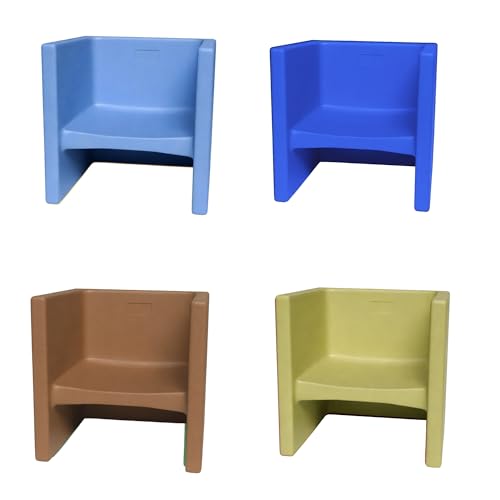
Best Childrens Table and Chair Sets: A Parent Buying Guide for 2026
Disclosure: We may earn a commission when you buy through links on this page, at no extra cost to you. As an Amazon Associate I earn from qualifying purchases. Learn more

Choose a safe, right sized table and chair set for kids, with tips on height, stability, materials, storage, and finishes that survive daily play.
A table and chair set gives children a place of their own for drawing, puzzles, snacks, and homework, and the right size makes all the difference. Best childrens table and chair sets balance child sized height, sturdy stability, easy cleaning, and a look that fits the room, without sharp edges or wobbly legs. The comparison table below gives a quick overview, while this guide explains how to measure, compare, and choose.
Parents often buy too big, hoping a child will grow into the set, but a table that is too high leads to dangling feet, poor posture, and less use. A set matched to the child today gets used daily, and most sets are affordable enough to replace as children grow. This guide focuses on safety, size, and practical daily use.


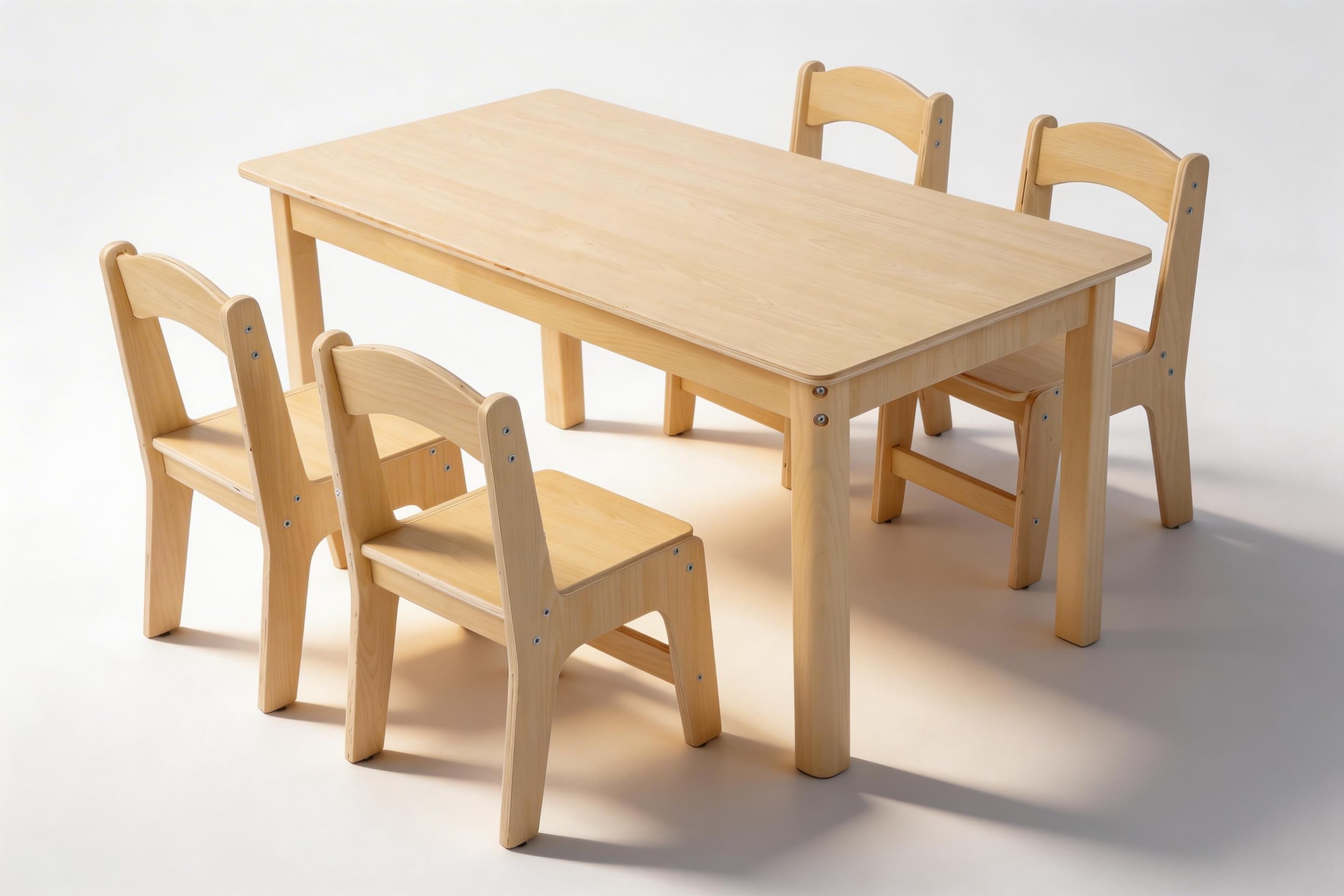


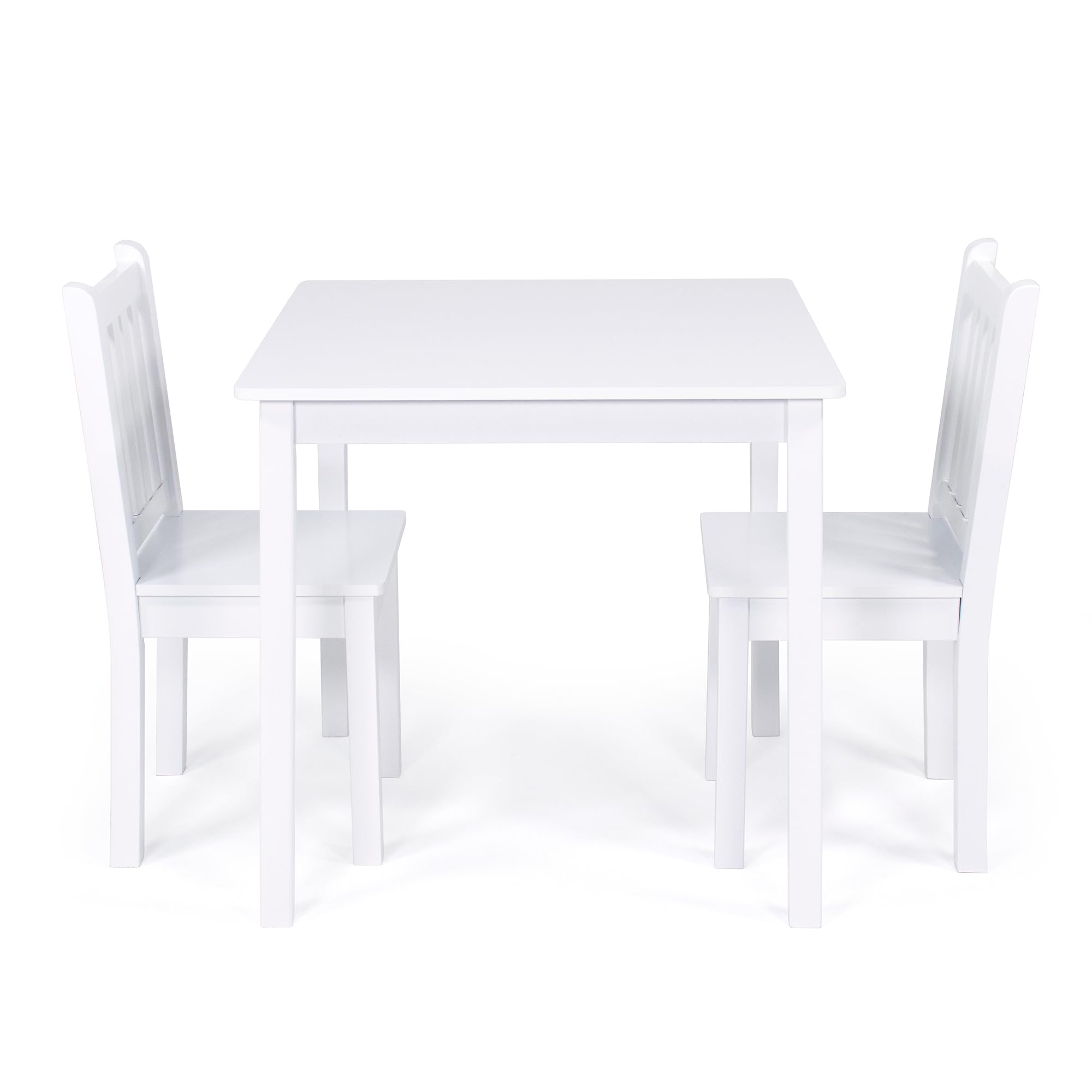
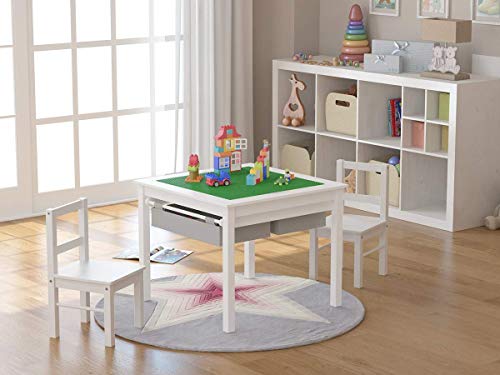
Who Should Buy Which Size
Toddlers need low tables with chairs they can climb onto safely, while preschool children need a slightly taller set for drawing and early writing. School age children need a table high enough for comfortable writing with feet flat on the floor, which usually means a larger set or an adjustable option. Measure the child sitting down, with knees at a right angle, and use that seated height as the starting point.
Consider how many children will use the set at once. A two chair set suits one child and a friend, while a four chair set suits siblings and playdates. If space is tight, a round table tucks into corners well, while a rectangular table fits against a wall and leaves more floor space for play.
Key Features Worth Comparing
Stability and Safety
Stability is the first safety check. Chairs should not tip easily when a child leans or climbs, and wide legs or a solid base help. Rounded corners, smooth edges, and a finish that does not chip or peel matter daily, since children bump, chew, and climb on furniture. Check for safety standards on the label, and avoid sets with small loose parts for younger children.
Weight matters too. A set that is too light slides across the floor, while a very heavy set is hard to move for cleaning. A middle weight set that stays put during use but can be shifted by an adult strikes the right balance for most rooms.
Materials and Cleaning
Wood looks warm and lasts well, but it needs a durable, wipeable finish to survive paint, glue, and snacks. Plastic sets are light, easy to clean, and often cheaper, but they can look less refined and may scratch over time. Metal framed sets are strong, yet they should have smooth joints and no sharp edges.
Cleaning should be simple. A smooth sealed surface wipes clean with a damp cloth, while unfinished wood stains quickly. If the set will be used for painting and crafts, a washable top or a protective mat saves the finish and keeps the set looking good for longer.
Storage and Growth
Storage features add real value in small rooms. Chairs that tuck fully under the table save floor space, and sets with a shelf or bins keep paper and crayons tidy. Some tables include a roll of paper or a storage net, which suits craft loving children, but check that added features do not create finger traps or sharp edges.
Growth is worth planning for. Adjustable height sets last longer, while fixed sets are simpler and sturdier. If buying for a fast growing child, a slightly larger set with a footrest can bridge the gap, but never buy so large that the child cannot sit comfortably today.
Styles and Room Fit Compared
Rectangular sets suit homework and group activities, since children can sit along each side with room for books and paper. Round sets suit younger children and small rooms, because there are no corners and everyone can reach the middle. Themed sets with bright colors appeal to children, but a neutral set often fits the room longer and passes to a younger sibling more easily.
For related room furniture, see best children's table and chairs, best card table and chair sets, best children's chairs, and best table and chairs. These guides cover single pieces and larger sets, so you can match chairs and tables to the space you have.
Practical Checks Before You Buy
Before ordering, measure the room, the doorway the set must pass through, and the seated height of the child. Check the assembled size, not just the box size, and leave space to pull chairs out comfortably. Confirm whether assembly tools are included, and set aside time to tighten every joint, since loose joints cause wobble.
Read the care guidance and the weight limits for chairs, and keep the receipt until the set has survived a week of real use. A good set should feel solid, wipe clean, and invite the child to sit down, and if it does not, a return is better than a set that gathers dust.
Making the Set Part of Daily Routine
A table set becomes truly useful when it anchors a daily routine. Reserve the table for drawing after breakfast, puzzles in the afternoon, and homework after school, so children learn that the table is their work and play place. Keep paper, crayons, and a few books in a nearby basket, so starting an activity takes seconds rather than a search through the house. Short regular use builds habits better than occasional long sessions.
Craft rotation keeps the set fresh without buying new furniture. Change the activity weekly, from painting to building blocks to simple science projects, and store materials in labeled bins a child can reach. A wipeable mat protects the table during messy crafts, and a smock saves clothes. When the table stays easy to clean, adults say yes to messy play more often.
Meals and snacks at a child sized table teach independence. Let children help set the table, pour water from a small jug, and clear their own plates, since a table at their height makes those tasks possible. Keep snacks simple and the surface clean, and the table becomes a place of pride rather than just another piece of furniture in the room.
Sharing the set with siblings needs simple rules. Agree on turns for favorite chairs, shared materials, and tidying after play, and praise cooperation when it happens. A four chair set suits siblings well, while a two chair set suits a single child plus a guest. Rules work best when they are few, clear, and applied kindly every day.
Growth planning keeps the set useful longer. Watch for signs that the child has outgrown the set, such as knees above the table edge or hunched shoulders, and move up promptly when they appear. Pass the old set to a younger child or donate it, since a well kept set serves several families. A table set that fits today is worth more than one bought for a distant future.
Frequently Asked Questions
What height table should I buy for a preschool child?
A preschool child usually needs a table around 20 to 22 inches high, with a chair seat that lets feet rest flat on the floor and knees bend at a right angle. Measure the child sitting on a chair, and use that seated height rather than age alone, since children vary. If feet dangle, add a footrest or choose a lower set, because comfort decides whether the set gets used daily.
Are wooden or plastic sets better for children?
Wooden sets usually look better and last longer, while plastic sets are lighter, cheaper, and easier to wipe clean. Wood suits a permanent room corner and older children, while plastic suits younger children, outdoor use, and messy crafts. Either material works well if the finish is smooth, the joints are tight, and the set meets safety standards for its age group.
How do I check that a set is stable and safe?
Check stability by pressing down on one corner of the table and rocking each chair, since a good set should not tip or wobble easily. Look for rounded corners, smooth edges, a non toxic finish, and no small loose parts for younger children. Tighten all joints after assembly, and recheck them monthly, because use loosens fixings over time.
How many chairs should a set include?
A two chair set suits one child plus a friend, while a four chair set suits siblings, playdates, and group activities. More chairs need more floor space, so measure the room and leave room to pull each chair out fully. If space is tight, choose chairs that tuck fully under the table, and add extra chairs later only if the table size allows it.
When should a child move to a larger set?
A child should move to a larger set when knees rise above the table edge, feet cannot rest flat, or the child hunches to write and draw. Those signs matter more than age, since growth varies widely. Move up promptly, because poor posture at a small table causes discomfort and discourages homework and drawing.
Final Thoughts
The best set is the one that fits the child today, stays stable during real play, and wipes clean after crafts and snacks. Measure seated height, check safety and finish, and choose a size that leaves room to move. The product table above recaps the main options, but a quick sit test with the child tells you the most.
Shopping for best childrens table and chair sets becomes simple once size and safety lead the choice. Buy for today, keep cleaning easy, and the set will earn its place in daily family life.