
Best Chairs for Nursing Moms in 2026: What Actually Matters Before You Buy
Disclosure: We may earn a commission when you buy through links on this page, at no extra cost to you. As an Amazon Associate I earn from qualifying purchases. Learn more
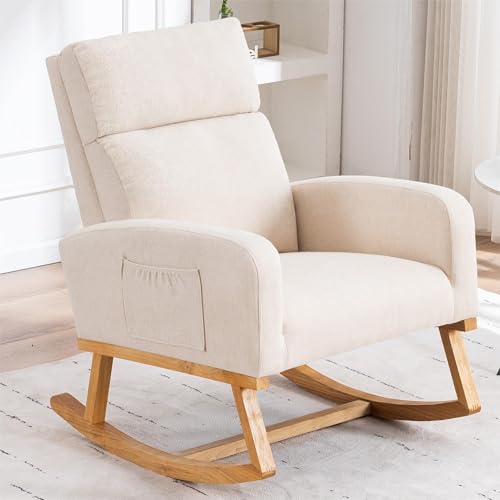
Compare the best chairs for nursing moms by fit, quiet motion, washable fabric and safety checks, with honest price bands and a checklist to use before you buy.
A feeding chair earns its place through hours of daily use, often in the middle of the night, so the details that decide comfort matter more than how the chair photographs. The best chairs for nursing moms share a few traits: a seat that fits your body, arms at a height that lets your shoulders relax, a motion that stays quiet, and fabric that tolerates milk and spit up without a fuss. This guide ranks those traits in the order they affect your day, so you can judge any chair in a store or a listing with the same short checklist.
One boundary is worth setting early. A chair is furniture, and it is judged here on fit, comfort and build only. It cannot fix a painful latch or a low supply, and no cushion or recline angle changes feeding outcomes. The comparison table below lines up the main chair classes so you can see where each one puts your money.
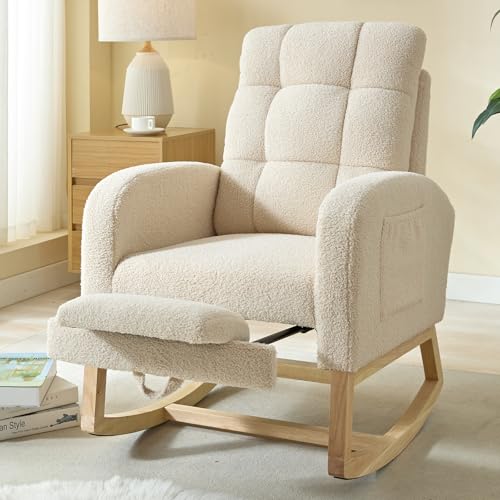

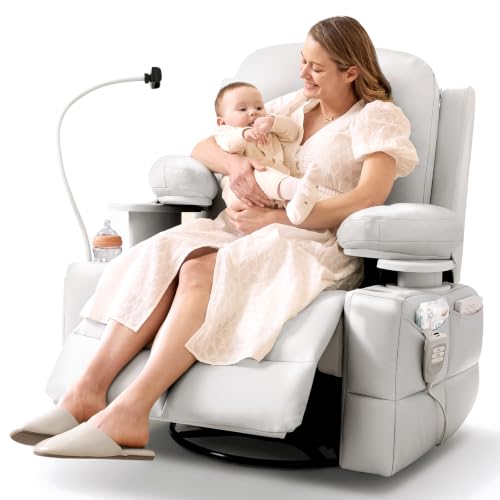

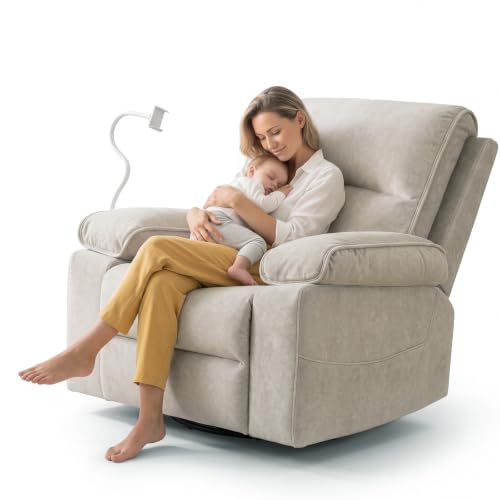

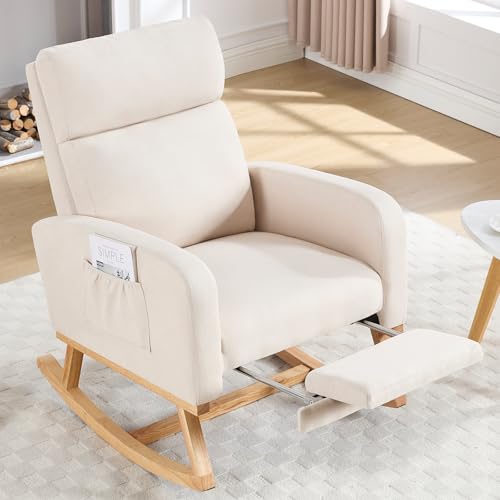

The Criteria That Matter, in the Order You Will Feel Them
Most listings lead with style photographs and fabric names. The order below reverses that, starting with the fit facts you can test in two minutes and ending with the points that only show up after a month of daily use.
Fit Comes First: Feet, Back and Arm Height
Sit in the chair the way you will sit at 3 a.m. Your feet should rest flat on the floor, because a seat that leaves your heels dangling pulls your lower back forward within minutes. The backrest should support your back in an upright feeding posture rather than letting you slump into the cushions. Arm height is the detail shoppers miss most: your forearms should rest on the arms with your shoulders dropped, so the chair carries the weight of your arms and the baby instead of your neck and shoulders doing it. If the arms sit too low, you will hunch; too high, and your shoulders ride up around your ears.
Motion That Stays Quiet Through the Night
Gliders move back and forth on a fixed base, rockers roll on curved rails, and stationary armchairs do not move at all. Gliders tend to feel controlled and are often the quietest class once bearings wear in, while a simple rocker costs less and needs open floor space behind it. Whatever the class, the mechanism should move without squeaks, clicks or grinding, because a sound that is charming at noon is maddening during a night feed. Adjustments you will actually use, such as a recline lever or a swivel lock, should work with one hand while your other arm is occupied.
Safety Checks for a Chair Used Around a Baby
Stability comes first: the chair should not tip or rock unintentionally when you sit down or stand up while holding your baby, and the base should feel planted on your floor surface. Check moving mechanisms for pinch points, because glider linkages and rocker rails leave gaps that small fingers will explore once your baby is mobile. Look for makers that build to recognized consumer safety standards and say so plainly; JPMA and CPSC are the names that matter here, with JPMA running certification programs for juvenile products and the CPSC publishing the recall lists worth checking before you buy and again before you use the chair.
One rule sits above every feature: a nursing chair is a place to sit and feed, never a place for a baby to sleep. If you feel yourself drifting off during a feed, the safer plan is to put your baby down in a crib or bassinet with a firm, flat surface and nothing soft in it, or to move to a feeding setup you arranged in advance for tired moments. Falling asleep holding a baby on a soft chair is a real risk, and no headrest or recline angle makes it safe.
Fabric That Survives Milk, Spit Up and Daily Wiping
Feeding a baby is messy work, and the fabric decision is really a cleaning decision. Removable covers you can machine wash are the most forgiving option, because spit up and leaked milk will reach the chair in the first week. Tightly woven fabrics and wipeable surfaces come next; they clean fast but can feel warm during a long feed. Loose weave fabrics trap residue and odors and are hard to refresh fully. Whatever you choose, check whether replacement covers are sold, because a fresh cover in year two is far cheaper than a new chair. The seats sold as best nursing chairs for nursery are worth a look if you want the smaller footprints and washable covers nursery lines tend to offer.
Room Size, Foot Support and the Ottoman Question
Measure the floor space before you fall for a wide chair, and add the glide or rock travel to the footprint, since a glider needs clearance behind it and a rocker needs it at both ends. A footrest changes long feeds more than most upgrades: raising your feet takes pressure off your lower back and helps you settle. Some chairs include a matching ottoman, some glide in sync with one, and a simple separate footstool often does the same job for less. Treat the foot support as part of the same purchase rather than an afterthought, and price it into the band you are shopping in.
Where Feeding Help Actually Comes From
A supportive chair makes long feeds more comfortable, and that is the whole of its job. Pain during feeding, worries about supply, or a baby who is not gaining as expected are feeding questions, not furniture questions, and they belong to your pediatrician or an IBCLC lactation consultant. Contacting one early is not an overreaction; latch and positioning help is their daily work, and a chair purchase should never delay it. Retailers sometimes list the same products under both names, so guides to best chairs for nursing mothers cover the same gliders and rockers discussed here.
The Main Chair Classes, in Plain Terms
Gliders are the default recommendation for nurseries because the motion is small, controlled and easy to start and stop with a baby in your arms. Expect to pay more for smooth bearings and locking positions. Rockers cost less and give a bigger arc, which some parents prefer, but they need more floor clearance and the rails can pinch or mark floors. Recliners add leg support and a laid back position for contact naps while you stay awake, though they are the bulkiest class and the mechanism adds weight. A plain stationary armchair with good arm height is the honest budget route: no motion, no mechanism to wear, and comfort that depends entirely on fit. Folding sideline seats sold as best soccer mom chairs belong to a different class entirely, built for outdoor events rather than holding a feeding position indoors, so leave them off a nursery shortlist.
What Each Price Band Really Buys
Around $150 to $300: Simple Frames and Basic Fabric
This band buys stationary armchairs and simple rockers with thinner padding and fabrics that may not come off for washing. Fit varies a lot, so the sit test matters most here. A well fitting chair in this band beats a poor fitting glider at twice the price, provided the frame feels stable and the arms sit at the right height for you.
About $300 to $600: Smooth Gliders and Washable Covers
The middle band is where daily use features arrive: quieter glider bearings, denser seat foam, removable covers, and ottomans bundled or matched. Most families who feed in the chair several times a day will feel the difference in this step, mainly in how the chair still feels after a month. Warranty terms also tend to lengthen here, which matters for moving parts.
About $600 to $1,200: Recline, Swivel and Heavier Build
The upper band adds power or manual recline, swivel bases, taller backs for taller parents, and heavier frames with better fabrics. You are paying for build weight, smoother mechanisms and looks that blend into a living room. Nothing in this band feeds a baby better than the band below it; the money goes to comfort over years and to the chair's second life as regular furniture.
Quick Buyer Checklist
- Do your feet rest flat on the floor with your back fully supported?
- Do the arms hold your forearms at a height that lets your shoulders drop?
- Does the chair glide or rock without squeaks, clicks or grinding?
- Can you work the recline or swivel controls with one hand?
- Do the covers come off for machine washing, or wipe clean easily?
- Does the footprint, plus motion clearance, fit your room?
- Have you checked the maker and model against current recall lists?
- Is foot support included, or have you priced an ottoman into the band?
Red Flags to Watch For
- A mechanism that squeaks or sticks in the showroom will not improve at home.
- Fabric described with no cleaning method usually means spot cleaning only, which feeding will defeat quickly.
- No stated weight capacity or no named maker behind the listing makes warranty help unlikely.
- A chair that tips or shifts when you stand up holding weight is a stability failure, not a quirk.
- Marketing that promises better feeding, better bonding or a better supply from a chair is selling something furniture cannot do.
Keeping the Chair Clean and Sound Over Time
Wash removable covers on the schedule the maker suggests, and treat milk spills the same day, because dried milk in foam is hard to shift later. Check mechanism bolts and glider hardware every few months and tighten anything that has worked loose, since small play in the linkage becomes noise and then wear. Register the chair with the maker so recall notices reach you, and recheck the CPSC recall list if you move the chair to a second child or pass it on. A quick vacuum under the base keeps grit out of rocker rails and glider tracks.
Nursing Chair Questions Answered
Is a glider or a rocker better for night feeds?
A glider is usually the calmer choice at night because its motion is short and controlled, and many models lock in place for standing up. A rocker gives a wider arc that some babies settle with faster, but it needs more floor clearance and can creep across hard floors. If your room is small or sits over a bedroom, the glider's fixed base is the practical pick.
When should I buy a nursing chair before the baby arrives?
Buy it a few weeks before your due date if you can, because delivery and assembly of bulky chairs can take longer than listings suggest. Having the chair in place also lets you learn its controls and set up your feeding corner calmly. If the baby arrives first, a firm dining chair with a cushion behind your back covers the gap safely for a short while.
How do I clean spit up out of chair fabric?
Blot the spill first rather than rubbing it, since rubbing pushes milk deeper into the weave. Removable covers can then go in the wash following the maker's instructions, while fixed upholstery usually needs a fabric safe cleaner and a full dry before use. An inexpensive washable throw kept over the seat during feeds catches most spills and washes far more easily than the chair itself.
Do I really need an ottoman with a nursing chair?
You do not need one, but raised feet make long feeds noticeably easier on your lower back, so some form of foot support is worth having. A matching glider ottoman moves with the chair and feels smoothest, while a plain footstool or even a firm storage cube does the same basic job for less money. Decide with the chair, because adding a matched ottoman later can be hard once a fabric line changes.
What if feeding hurts even in a supportive chair?
Pain during feeding is a signal to get feeding help, not to buy different furniture. A chair can hold your arms and back comfortably, but latch pain, cracked skin or supply worries need a pediatrician or an IBCLC lactation consultant, who can watch a feed and correct the cause. Treat the chair as comfort equipment and the consultant as the fix, and do not let shopping delay the appointment.
Final Thoughts
Judge every candidate against the same short list: feet flat, back supported, arms at shoulder dropping height, quiet motion, washable fabric, and a footprint that fits your room. The best chairs for nursing moms are simply the ones that pass those checks in your price band and stay comfortable through months of daily feeds. Use the product table above to compare classes side by side, then sit in your finalists if you can. And because this chair will likely stay in your home long after weaning, the wider guide to best chairs for new moms can help you think through seating for the months that follow.


