
Best Chairs for Lower Back and Hip Pain: Every Type Explained Side by Side for 2026
Disclosure: We may earn a commission when you buy through links on this page, at no extra cost to you. As an Amazon Associate I earn from qualifying purchases. Learn more

Seat width, depth and lumbar placement matter most in the best chairs for lower back and hip pain, with a comfort only framing.
Shopping for best chairs for lower back and hip pain can feel confusing because every chair claims comfort, yet comfort means different things when your lower back and your hips both need support. A seat that feels fine for ten minutes may press on your hips after an hour, and a tall backrest may still leave your lower back unsupported if the lumbar curve sits in the wrong place. The comparison table below lays out the main chair types side by side so you can see the tradeoffs before you spend money.
This guide compares types, not individual products. It explains what each type does well, where each type falls short, and which features matter most when sitting comfort is your main concern. Use it to narrow your choice to one or two types, then check seat height, seat depth, and return terms before you order.
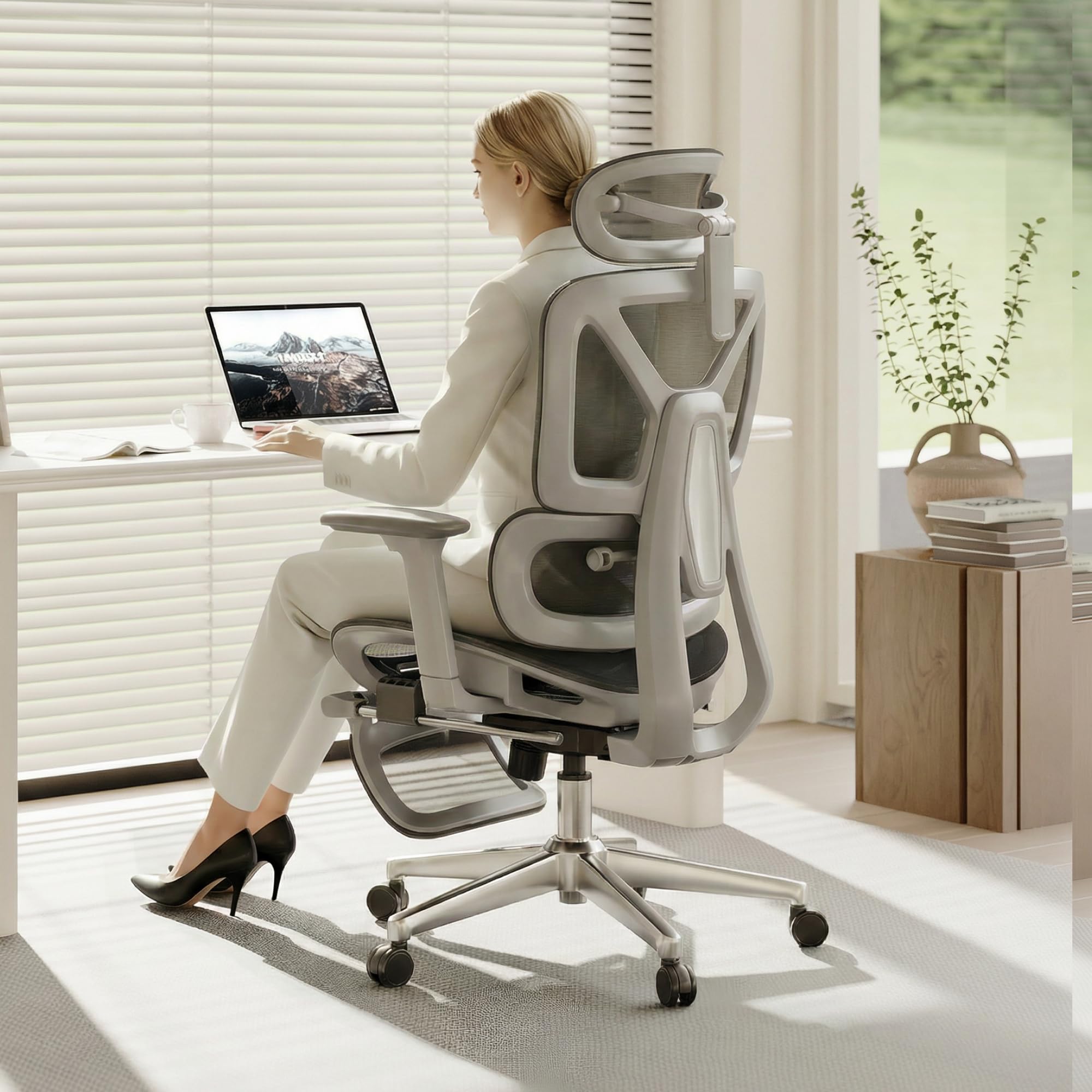
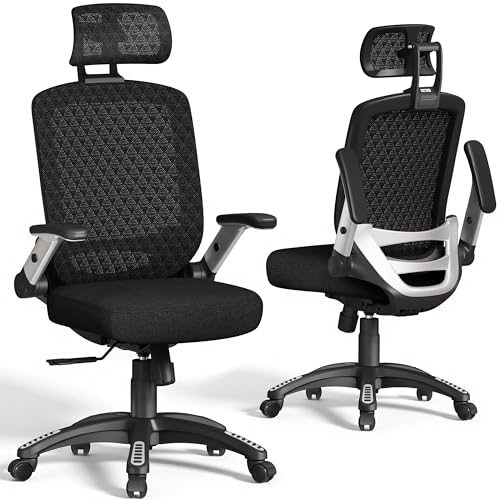
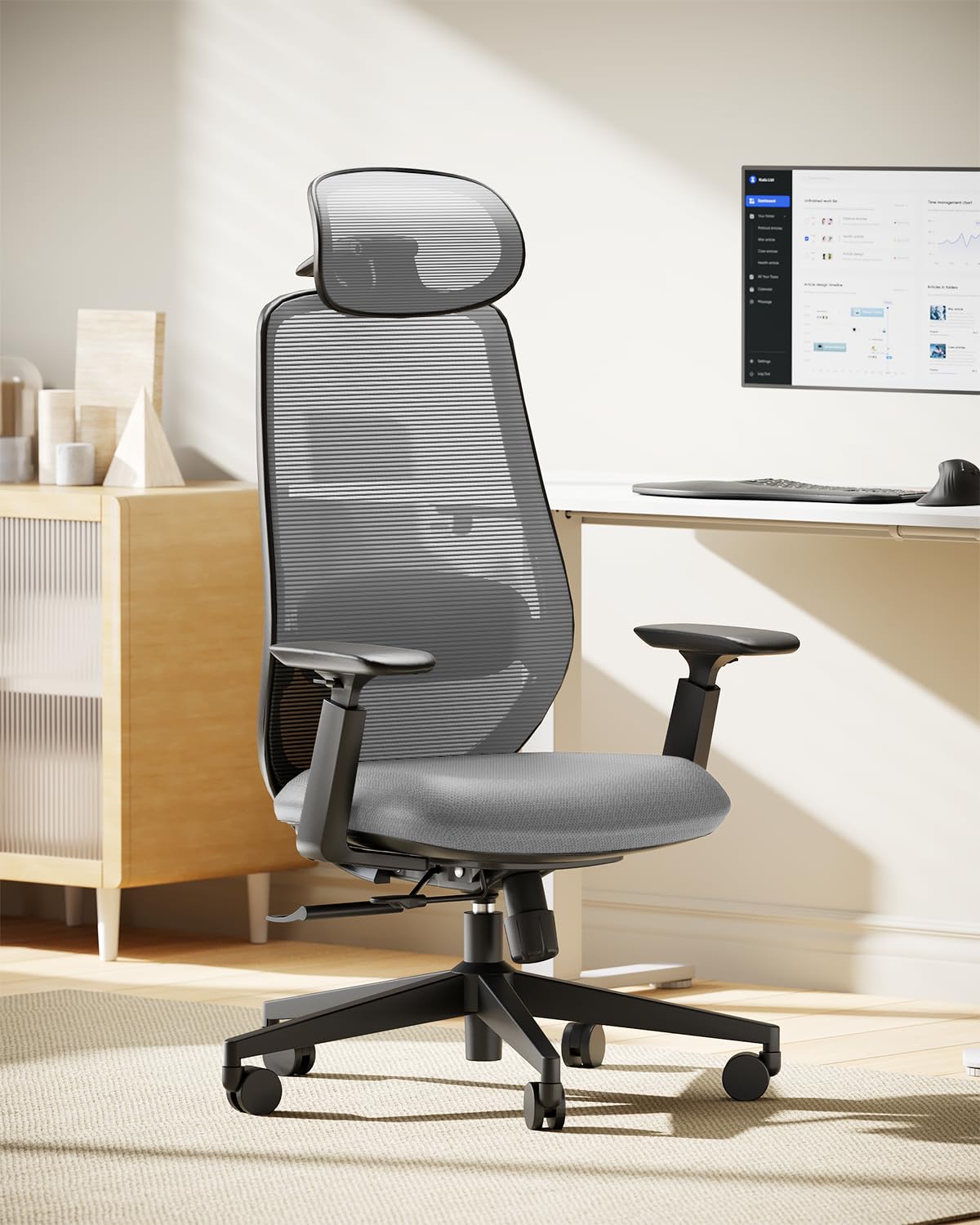
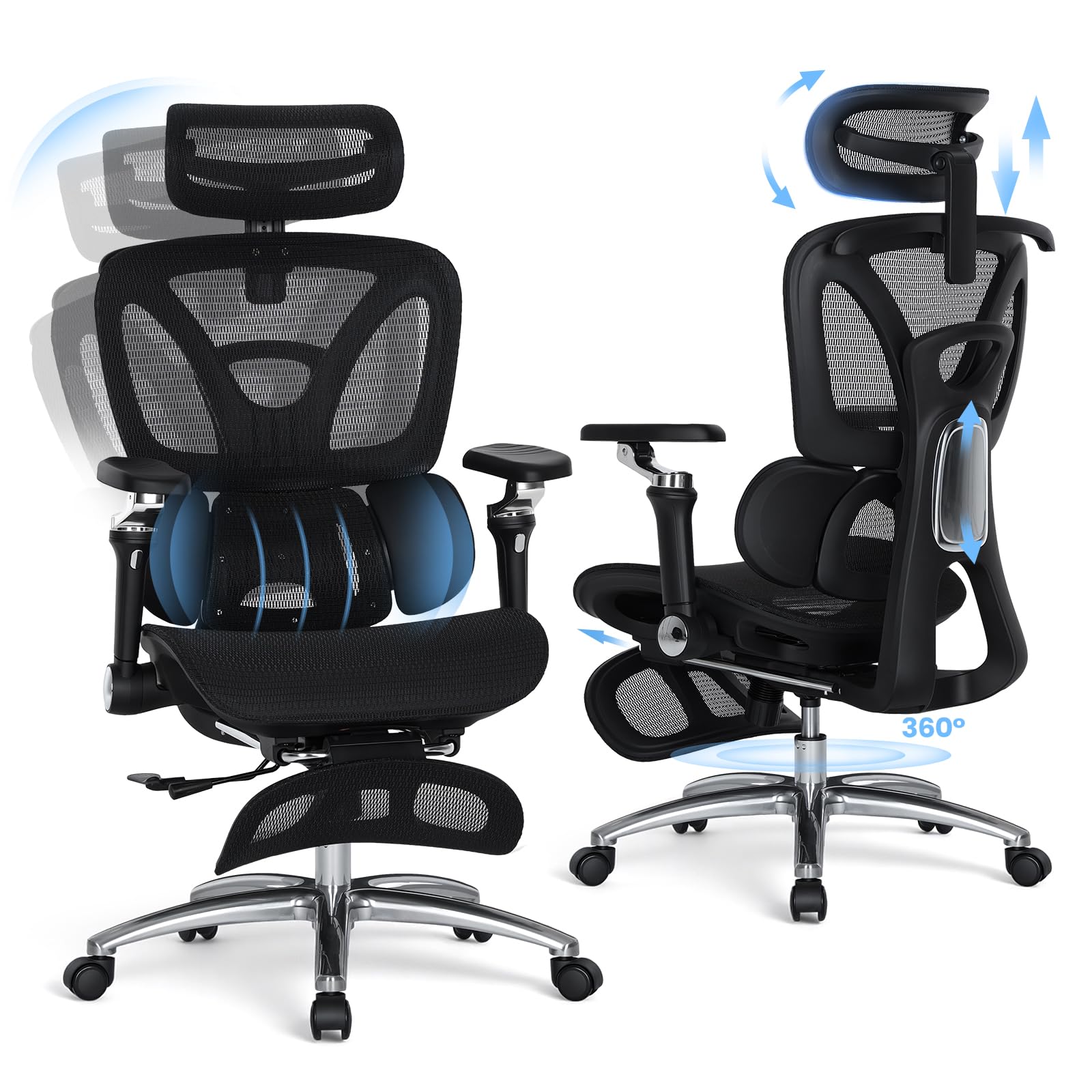
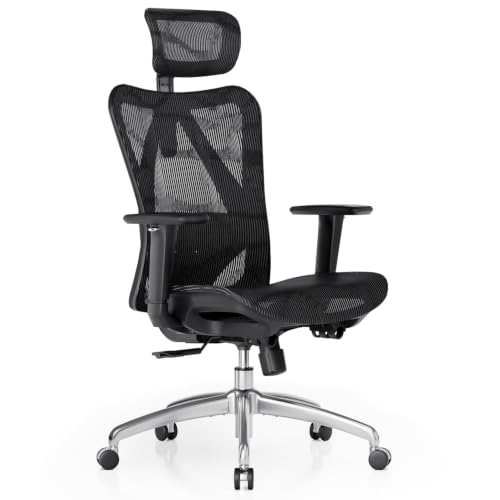
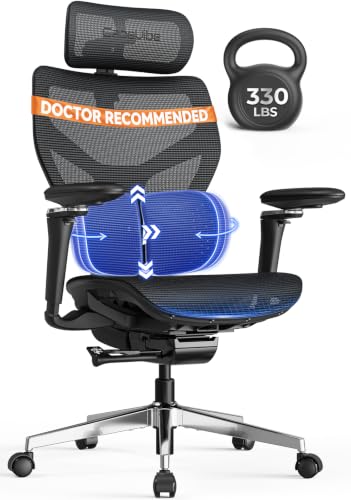

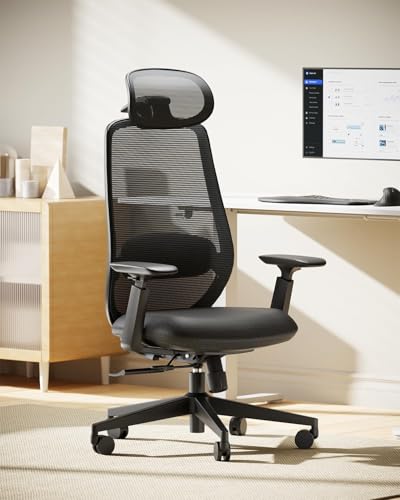

Types of Chairs Compared
The table below gives a quick overview. The sections after it explain each type in more detail, including who tends to suit it best.
| Type | Best For | Pros | Cons | Typical Price |
|---|---|---|---|---|
| Budget models | Short sessions and tight budgets | Low cost, simple setup | Less adjustment, thinner padding | around $80 |
| Compact and space saving models | Small rooms and shared spaces | Small footprint, easy to move | Narrower seat, shorter backrest | around $120 |
| Premium and executive models | Long sitting days | More adjustment, deeper cushioning | Higher cost, larger size | around $350 |
Budget Models
Budget models keep the design simple: a fixed or lightly adjustable seat, a basic backrest, and a standard foam cushion. They suit short sitting sessions, occasional use at a spare desk, or a first chair while you learn which features you value. Their main weakness is limited adjustment, so if the seat height or lumbar position does not suit you, there may be no way to correct it.
When you compare budget models, check the weight capacity, the seat width, and whether the backrest height can change at all. A budget chair with a height adjustable seat and a firm cushion often serves you better than a softer chair with no adjustment. If you sit for long stretches every day, treat a budget model as a short term step rather than a final answer.
Compact and Space Saving Models
Compact models use a narrower seat, a slimmer backrest, and often a folding or easily stored frame. They suit small rooms, shared desks, and homes where the chair must move out of the way between uses. Their smaller size can help in a tight corner, but it can also mean less room for your hips and less support across the lower back.
Before choosing a compact model, measure the seat width against your own comfort needs and check the seat depth. A seat that is too shallow leaves your thighs unsupported, while a seat that is too deep can press behind your knees. Compact does not have to mean uncomfortable, but the fit matters more when there is less room to spare.
Premium and Executive Models
Premium and executive models offer the widest range of adjustment: seat height, seat depth, backrest angle, lumbar position, and armrest height and width. They suit people who sit for most of the working day and need to fine tune the chair to their body. The deeper cushioning and sturdier frames also tend to hold their shape longer under daily use.
The tradeoff is cost and size. Premium models take up more floor space and weigh more, so moving them between rooms is harder. They are worth considering when you already know which adjustments help you, because paying for adjustment you never use adds cost without adding comfort.
Budget Models vs Compact and Space Saving Models: Which Should You Choose?
Choose a budget model when price is the main limit and you have room for a full size chair. You get a wider seat and a taller backrest for less money, even if adjustment is basic. Choose a compact model when floor space is the main limit and you need a chair that stores easily or fits a small desk area.
Compare the two on four points: seat width, seat depth, backrest support, and weight capacity. A budget model usually wins on seat width and backrest height. A compact model usually wins on footprint and portability. If your hips need extra room, the wider budget seat is often the safer choice, even if the compact chair looks tidier in the room.
For daily use of several hours, neither type is ideal on its own. In that case, look for the most adjustable option within your budget, or save for a midrange chair with seat depth and lumbar adjustment. Short sessions forgive a basic chair; long sessions expose every missing adjustment.
How to Choose the Right Chair
Features That Matter for Lower Back and Hip Pain
Lower back and hip comfort depends on how the seat supports your pelvis. Look for a seat height that lets your feet rest flat on the floor with your knees near a right angle, and a seat depth that leaves a small gap behind your knees. A lumbar curve that matches the natural curve of your lower back helps you sit upright without leaning forward, and a seat that is wide enough to avoid pressing on your hip bones matters just as much.
Armrests should support your forearms without pushing your shoulders upward. If the armrests are too high, your shoulders tense; if they are too low, you may lean to one side. These details sound small, but over a full day they shape whether sitting feels steady or strained. See a doctor if pain persists or worsens, or if you notice numbness or weakness, since a chair can support comfort but cannot treat a medical condition.
Build Quality and Frame
A sturdy frame keeps the seat level and the adjustments working over time. Steel frames and a solid five point base tend to feel more stable than light plastic frames, especially for heavier users. Check the stated weight capacity and leave some margin above your own weight, since a chair used near its limit may wear faster.
The lift mechanism matters too. A smooth height adjustment that locks firmly avoids slow sinking during the day. If the chair rocks or wobbles when you shift your weight, the frame or base is not holding up, and comfort will suffer no matter how good the cushion feels at first.
Ergonomics and Adjustability
Adjustability is the feature that turns a generic chair into a chair that fits you. Seat height adjustment is essential, and seat depth adjustment helps when your leg length differs from average. Lumbar support that moves up and down lets you place the curve where your lower back actually needs it, rather than where the maker guessed it should sit.
Armrests that adjust in height and width help you keep your shoulders relaxed, and a tilt lock lets you fix the backrest angle once you find a comfortable position. You do not need every adjustment on the market, but you do need the ones that match your body. Try each adjustment during the return window and keep the chair only if the settings stay put.
Warranty and Return Policy
Comfort claims are hard to judge from a product page, so the return policy is part of the purchase. Look for a return window long enough to sit in the chair for several full days, not just a quick trial. Check whether return shipping is free and whether the chair must be repacked in its original box.
For the frame and lift mechanism, a longer warranty signals maker confidence in the parts that wear first. Read what the warranty excludes, such as damage from misuse or normal wear of the cushion. A strong warranty does not make an uncomfortable chair comfortable, but it does lower the risk of buying one.
Comfort and Cushioning
Cushion firmness shapes hip comfort directly. Very soft foam feels pleasant at first but can let you sink until your hips press against the frame. High density foam feels firmer and tends to hold its shape longer, which helps during long sitting sessions. Mesh seats breathe better in warm rooms, but they offer less padding, so hip comfort depends on how the mesh is tensioned.
Think about how long you sit without a break. For sessions under an hour, most cushion types work. For sessions of several hours, choose firmer, thicker cushioning and a seat wide enough to shift position. Standing, walking, and stretching during breaks matter too, since no cushion replaces movement.
For related seating options, see our guide to the best office chairs for lower back and hip pain and our guide to the best desk chairs for lower back pain.
Setup and Care Tips
Start by adjusting seat height so your feet rest flat on the floor. Then set the lumbar support to the curve of your lower back and adjust the armrests so your shoulders stay relaxed. Tighten bolts every few months, since loose joints create wobble that undermines even a well fitted chair.
Vacuum or wipe upholstery regularly to keep dust and spills from wearing the fabric. Avoid dragging the chair across rough floors, which strains the casters and base. If the cushion starts to sag or the lift sinks on its own, those are signs the chair has reached the end of its useful life for daily comfort.
Frequently Asked Questions
What features matter most in chairs for lower back and hip pain?
Seat height, seat depth, lumbar position, and seat width matter most, because together they decide how your pelvis and lower back are supported. A chair with adjustable lumbar support and a seat wide enough to avoid hip pressure usually serves you better than a chair with a tall backrest but no adjustment. Check the weight capacity too, and leave margin above your own weight. For a narrower comparison, see our guide to the best chairs for lower back pain.
What features matter most for long hours?
For long hours, choose firm high density cushioning, seat depth adjustment, and a tilt lock that holds your chosen backrest angle. Breathable upholstery helps in warm rooms, and armrests that adjust in height keep your shoulders from rising as you tire. Take short standing breaks during the day, since even the best chair cannot replace movement. A chair that still feels steady after several hours is a better sign than one that only feels good for the first ten minutes.
How long should a good chair last?
A well built chair used daily often lasts about five to eight years before the cushion or lift mechanism wears noticeably. Budget chairs may show sagging sooner, while premium frames may last longer if the cushion is replaced or re padded. Signs of wear include a seat that dips in the middle, a lift that sinks slowly, and joints that creak despite tightening. When adjustment no longer holds, replacement usually serves you better than another repair.
How do I choose the right size?
Measure your hip width and compare it with the seat width, leaving room to shift position without pressing against the armrests. Check seat depth by sitting fully back and confirming a small gap behind your knees. Seat height should let your feet rest flat with your knees near a right angle. If you are between sizes, the wider seat is usually safer for hip comfort, as long as the desk height still allows a relaxed arm position.
Is an expensive chair worth it?
An expensive chair is worth it when the extra cost buys adjustments you will actually use, such as seat depth and lumbar height control, and a frame that holds those settings for years. It is not worth it when the price mainly buys styling or features you never touch. If you sit for short sessions, a simpler chair may serve you just as well, while daily use across a full working day often rewards spending more on fit and durability. See our guide to the best office chairs for hip and back pain for another angle on the same need.
Our Verdict
The best choice comes down to three things: a seat that fits your hips, lumbar support placed where your lower back needs it, and adjustments that stay set through a full day. Budget models suit short sessions, compact models suit small rooms, and premium models suit long sitting days when fine tuning matters. Match the type to your room, your sitting time, and your budget, and use the return window to check the fit properly.
Remember that best chairs for lower back and hip pain is a guide to comfort and fit, not a treatment. If pain persists or worsens, or you notice numbness or weakness, talk with a doctor about your own needs. Use the product table above to compare types one more time, then choose the chair that fits your body rather than the one with the longest feature list.


